111582298867


Untitled

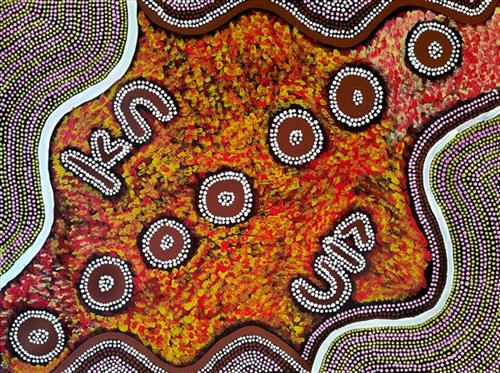
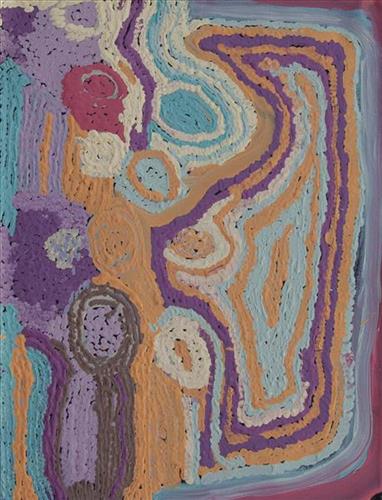
This is Ngamaru’s Country- her ‘ngurra’ (home Country, camp). People identify with their ngurra in terms of specific rights and responsibilities, and the possession of intimate knowledge of the physical and cultural properties of one’s Country. Painting ngurra, and in so doing sharing the Jukurrpa (Dreaming) stories and physical characteristics of that place, has today become an important means of cultural maintenance. 

Ngamaru’s ngurra encompasses the Country that she and her family walked in the pujiman (traditional, desert dwelling) era. At this time Ngamaru travelled nomadically with her own and other family groups, most notably the Biljabu and Whyoulter families. 

Ngamaru was born at Martilirri (Canning Stock Route Well 22). She grew up, walked and hunted primarily around Wikiri, Rarrki (Canning Stock Route Well 27), Wantili (Warntili, Canning Stock Route Well 25), Pitu, Nyilangkurr and Nyinyari. She continued to live nomadically before eventually deciding to move to Jigalong Mission along with many other relatives following an extreme and prolonged drought in the 1960s. 

Portrayed in this work are features of Ngamaru’s ngurra, such as the striking salt lakes, dominant permanent red tali (sandhills), warta (trees, vegetation), and the individually named water sources Ngamaru and her family camped at. These include Julyjarru, Juntiwa, Jaturti, Karanyal (Canning Stock Route Well 20), Martilirri (Canning Stock Route Well 22), Kaalpa (Canning Stock Route Well 23), Kartarru (Blue Hills Station, Canning Stock Route Well 24), Wantili (Canning Stock Route Well 25, Tiwa (Canning Stock Route Well 26), Rarrki (Canning Stock Route Well 27), Warla-warla (Canning Stock Route Well 31), Kulilu, Kunapila, Nyilangkurr, Parnngurr, Pitu, Purn, Wangkakalu, Wikiri, Yiranang, and Yulpu. Rock holes, waterholes, soaks and springs were all extremely important sites for Martu people during the pujiman period, and are generally depicted with circular forms. 

The encyclopaedic knowledge of the location, quality and seasonal availability of the hundreds of water bodies found in one’s Country sustained Martu as they travelled across their Country, hunting and gathering, visiting family, and fulfilling ceremonial obligations. They would traverse very large distances annually, visiting specific areas in the dry and wet season depending on the availability of water and the corresponding cycles of plant and animal life on which hunting and gathering bush tucker was reliant. As they travelled and hunted they would also burn areas of Country, generating a greater diversity of plant and animal life.
111582298864


Untitled

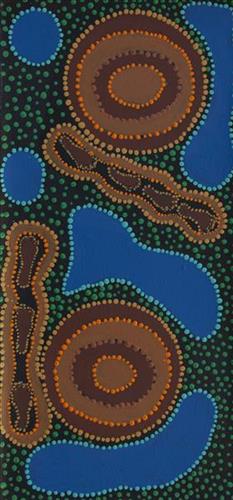
“When Martu paint, it’s like a map. Martu draw story on the ground and on the canvas, and all the circle and line there are the hunting areas and different waters and tracks where people used to walk, and [some you] can’t cross, like boundaries. So nowadays you see a colourful painting and wonder what it is, but that’s how Martu tell story long ago. It’s not just a lovely painting, it’s a story and a songline and a history and everything that goes with it.” 

– Ngalangka Nola Taylor and Joshua Booth

This work portrays an area of Country that can be interpreted in multiple ways. Firstly, the image may be read as an aerial representation of a particular location known to the artist- either land that they or their family travelled, from the pujiman (traditional, desert dwelling) era to now. During the pujiman period, Martu would traverse very large distances annually in small family groups, moving seasonally from water source to water source, and hunting and gathering bush tucker as they went. At this time, one’s survival depended on their intimate knowledge of the location of resources; thus physical elements of Country, such as sources of kapi (water), tali (sandhills), different varieties of warta (trees, vegetation), ngarrini (camps), and jina (tracks) are typically recorded with the use of a use of a system of iconographic forms universally shared across the desert. 

An additional layer of meaning in the work relates to more intangible concepts; life cycles based around kalyu (rain, water) and waru (fire) are also often evident. A thousands of year old practice, fire burning continues to be carried out as both an aid for hunting and a means of land management today. As the Martu travelled and hunted they would burn tracts of land, ensuring plant and animal biodiversity and reducing the risk of unmanageable, spontaneous bush fires. The patchwork nature of regrowth is evident in many landscape works, with each of the five distinctive phases of fire burning visually described with respect to the cycle of burning and regrowth.  

Finally, metaphysical information relating to a location may also be recorded; Jukurrpa (Dreaming) narratives chronicle the creation of physical landmarks, and can be referenced through depictions of ceremonial sites, songlines, and markers left in the land. Very often, however, information relating to Jukurrpa is censored by omission, or alternatively painted over with dotted patterns.

114182289366


Elfreda. R – Season winds of change

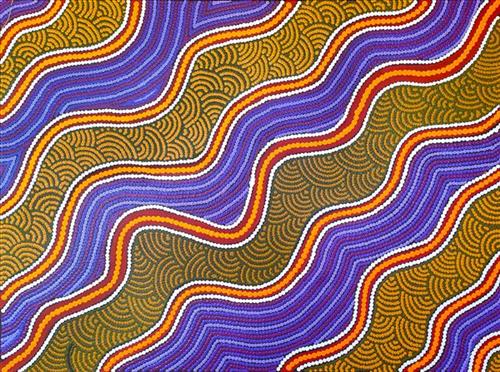
Elfreda is painting the blooming of spring in her mothers country, the grass flowing the fruit and flowers blooming with the icy artic winds easing off and the warming westerly breeze 

111982292156


Ngalkodjek Yawkyawk

This artwork depicts the Ngalkodjek Yawkyawk of Barrihdjowkkeng country.

“This story is very old. That old man [my father Crusoe Kuningbal] when he was alive, told that story to me, to all of us. He told us about the yawkyawk (mermaid) spirit women called Ngalkodjek who lives in the billabong on my country. He told us how they call out loudly, how they call out as they walk along.

That is what they do, calling out. They walked around eating bush foods like those little bush yams. They would pound the yams into a pulp and eat them. That is their traditional food which they eat.

When they walk down from the bush, they follow a set path that belongs to them and they walk along calling out. That is their path which they take. It is an old traditional route.

They placed a woman’s breast into the country. That rock was not there originally, but it was a woman’s breast. It is the breast of those women.

They put that djang [sacred place] there, and then at the time when non-Aboriginal people arrived in the region, then the breast turned to stone. Now it has turned solid into rock.”

– Owen Yalandja

114182296980


Kungkarrangkalpa (Seven Sisters)

‘Kungkarrangkalpa’ (The Seven Sisters or Pleaides) is significant Tjukurrpa (dreamtime). Its origins you may be familiar with in astronomy and its connection to ‘Wati Nyiru’ (Magic Man or Orion).  The roots of this dreaming stems across indigenous groups around the world. The Australian Aboriginal songline is one part to the whole dreaming which can be traced all around the world. The ladies of the Ngaanyatjarra Lands depict their significant chapter and understanding of the journey of the sisters. The different versions of this story depend on where you live and the significance’s of local Tjukurrpa places.

Nyiru fell in love with the sisters but he was of the wrong skin group to marry, but he still pursued them on their journey. The sisters travel across the land to escape Nyiru’s unwanted attentions, but he is persistent and always finds them. There are significant land forms which can be sited today that evidence this dreaming. As Nyiru is chasing the sisters he tries to catch them by using magic to turn into the most tempting kampurarrpa (bush tomato) and the most beautiful Yirli (wild fig tree), for them to eat and camp under. However, the sisters are knowledgeable of his magic and too clever for Nyiru who they outwit again and again. They go hungry and run through the night rather than be caught by him. As the journey continues, Nyiru gets so frustrated at the wit of the sisters that he uses his magic to make the oldest sister sick to try and get closer to her. The other sisters rescue the big sister and nurse her back to health. It is said he also captures the youngest sister, but with the help of the oldest sister, she escapes back to her sisters who are waiting for her. Eventually, the sisters fly into the sky to escape Nyiru, forming the constellation. Nyiru felt lonely, longing for the sisters who were so far away. Nyiru used his magic to go to the sky, forever in pursuit.

359709482297203


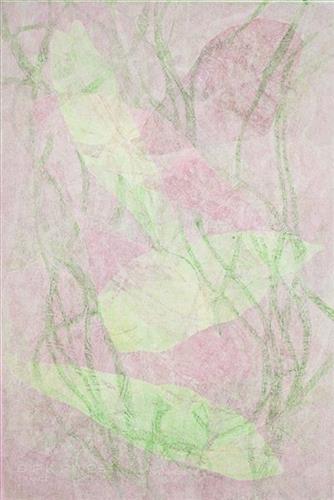
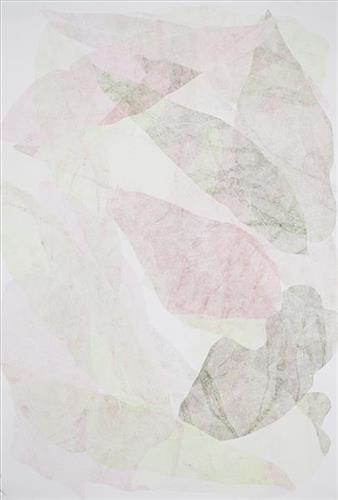
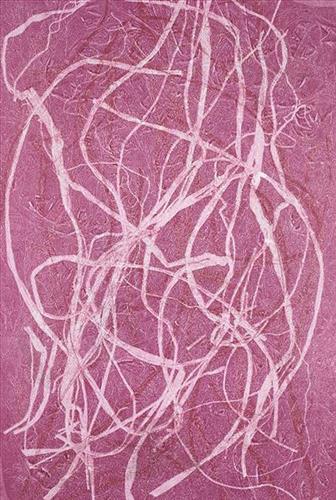
KAPU NABA

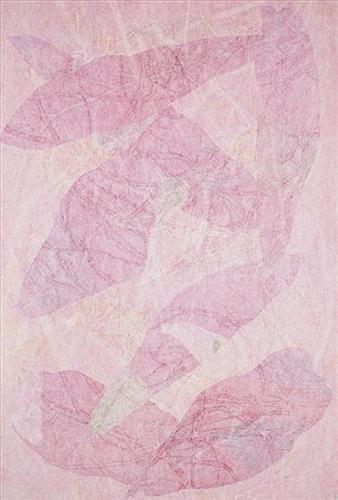
One of the largest leaf tree in Mua. During August to October it blooms, a sunflower- like flower yellow and beautiful to look upon. 

Art Centre notes:

The artwork is a ‘pochoir’ print, or monoprint, printed on BFK Rives paper

(100% cotton rag with strong archival properties). 

(The print covers the paper from edge to edge.)

Artist: Loretta Granville 

Printer: Dian Darmansjah

Printed: Moa Arts, February 2024

359709482297202


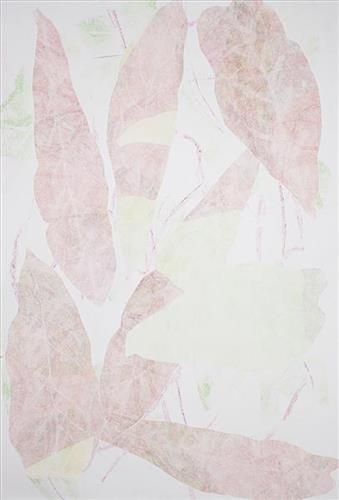
KAPU NABA

One of the largest leaf tree in Mua. During August to October it blooms, a sunflower- like flower yellow and beautiful to look upon. 

Art Centre notes:

The artwork is a ‘pochoir’ print, or monoprint, printed on BFK Rives paper

(100% cotton rag with strong archival properties). 

(The print covers the paper from edge to edge.)

Artist: Loretta Granville 

Printer: Dian Darmansjah

Printed: Moa Arts, February 2024

359709482297197


KAPU NABA

One of the largest leaf tree in Mua. During August to October it blooms, a sunflower- like flower yellow and beautiful to look upon. 

Art Centre notes:

The artwork is a ‘pochoir’ print, or monoprint, printed on BFK Rives paper

(100% cotton rag with strong archival properties). 

(The print covers the paper from edge to edge.)

Artist: Loretta Granville 

Printer: Dian Darmansjah

Printed: Moa Arts, February 2024

359709482297195


KAPU NABA

One of the largest leaf tree in Mua. During August to October it blooms, a sunflower- like flower yellow and beautiful to look upon. 

Art Centre notes:

The artwork is a ‘pochoir’ print, or monoprint, printed on BFK Rives paper

(100% cotton rag with strong archival properties). 

(The print covers the paper from edge to edge.)

Artist: Loretta Granville 

Printer: Dian Darmansjah

Printed: Moa Arts, February 2024

359709482297193


KAPU NABA

One of the largest leaf tree in Mua. During August to October it blooms, a sunflower- like flower yellow and beautiful to look upon. 

Art Centre notes:

The artwork is a ‘pochoir’ print, or monoprint, printed on BFK Rives paper

(100% cotton rag with strong archival properties). 

(The print covers the paper from edge to edge.)

Artist: Loretta Granville 

Printer: Dian Darmansjah

Printed: Moa Arts, February 2024