115682399894


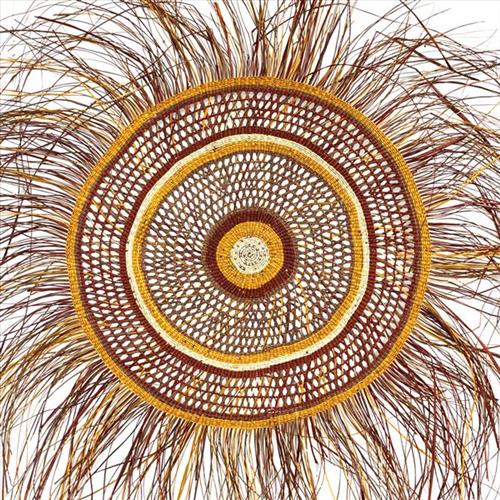
Woven Mat

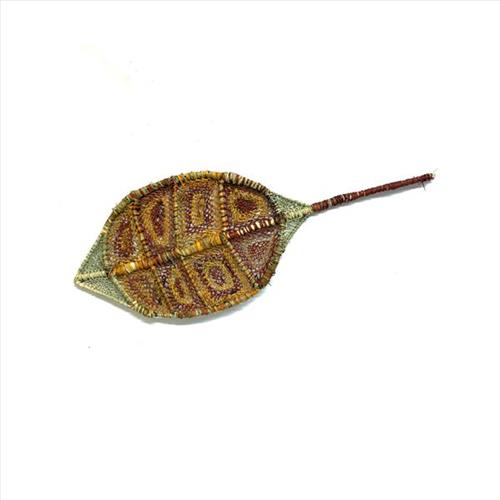
Yolŋu weavers of Arnhem Land create utilitarian, ceremonial, and decorative pieces using naturally sourced materials. This mat is made from young Pandanus spiralis leaves, harvested with a wooden hook, stripped of prickles, and dried to create strong, resilient fibres. These fibres are then twisted, coiled, or woven using traditional techniques to produce both functional and decorative mats.

Bula’bula weavers exclusively use natural dyes, derived from locally sourced roots, leaves and grasses. These pigments are extracted and infused into pandanus fibres by boiling over an open fire, producing the rich, vibrant colours characteristic of contemporary Yolŋu weavings.

Traditionally, Nganiyal (conical mats) functioned as insect screens when erected and as seating mats when folded, playing an important role in both daily life and ceremonial practices. Today, Yolŋu artists create a variety of shapes, including flat, round, and oblong mats. These non-traditional styles and the use of bright colours became more common after Missionaries began commissioning pieces in this style.

114182400012


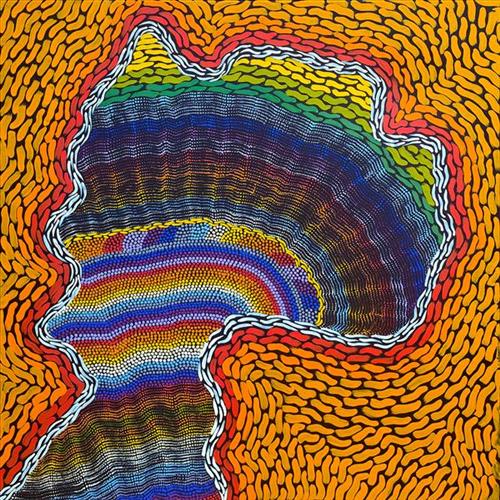
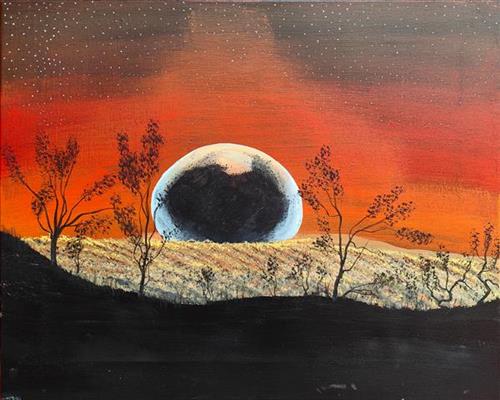
The Ngaanyatjarra Lands

‘The Ngaanyatjarra Lands’, Craig Morrison is predominantly a landscape artist depicting vibrant scenes from across the Ngaanyatjarra Lands. Craig is a self taught landscape painter taking inspiration from the Hermannsburg movement. Craig’s paintings are a celebration of the seasonal changes which bring vast site of sandhills and hills in the summer and lush foliage coming into spring. Craig enjoys exploring the lands, studying the elements of his environment with close detail. He is a great role model for younger male artists in the community.

114182400011


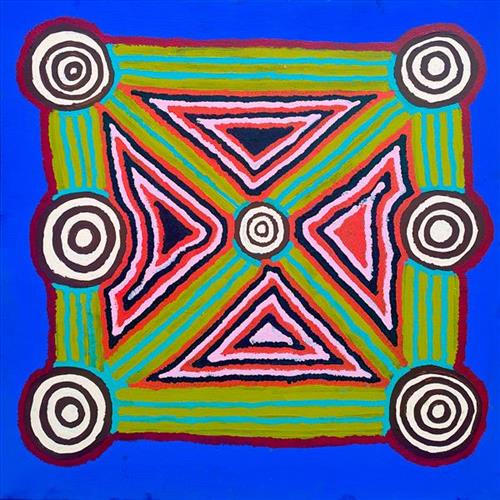
Kungkarrangkalpa (Seven Sisters)

‘Kungkarrangkalpa’ (The Seven Sisters or Pleaides) is significant Tjukurrpa (dreamtime). Its origins you may be familiar with in astronomy and its connection to ‘Wati Nyiru’ (Magic Man or Orion).  The roots of this dreaming stems across indigenous groups around the world. The Australian Aboriginal songline is one part to the whole dreaming which can be traced all around the world. The ladies of the Ngaanyatjarra Lands depict their significant chapter and understanding of the journey of the sisters. The different versions of this story depend on where you live and the significance’s of local Tjukurrpa places.

Nyiru fell in love with the sisters but he was of the wrong skin group to marry, but he still pursued them on their journey. The sisters travel across the land to escape Nyiru’s unwanted attentions, but he is persistent and always finds them. There are significant land forms which can be sited today that evidence this dreaming. As Nyiru is chasing the sisters he tries to catch them by using magic to turn into the most tempting kampurarrpa (bush tomato) and the most beautiful Yirli (wild fig tree), for them to eat and camp under. However, the sisters are knowledgeable of his magic and too clever for Nyiru who they outwit again and again. They go hungry and run through the night rather than be caught by him. As the journey continues, Nyiru gets so frustrated at the wit of the sisters that he uses his magic to make the oldest sister sick to try and get closer to her. The other sisters rescue the big sister and nurse her back to health. It is said he also captures the youngest sister, but with the help of the oldest sister, she escapes back to her sisters who are waiting for her. Eventually, the sisters fly into the sky to escape Nyiru, forming the constellation. Nyiru felt lonely, longing for the sisters who were so far away. Nyiru used his magic to go to the sky, forever in pursuit.

114182399997


Yirmangka – Yirmangka ( Bush Medicine)

This is from a series of small works from our main artists depiocting the love of collecting from the bush traditional medicines and tucker.

114182399995


Kungkarrangkalpa (Seven Sisters)

‘Kungkarrangkalpa’ (The Seven Sisters or Pleaides) is significant Tjukurrpa (dreamtime). Its origins you may be familiar with in astronomy and its connection to ‘Wati Nyiru’ (Magic Man or Orion).  The roots of this dreaming stems across indigenous groups around the world. The Australian Aboriginal songline is one part to the whole dreaming which can be traced all around the world. The ladies of the Ngaanyatjarra Lands depict their significant chapter and understanding of the journey of the sisters. The different versions of this story depend on where you live and the significance’s of local Tjukurrpa places.

Nyiru fell in love with the sisters but he was of the wrong skin group to marry, but he still pursued them on their journey. The sisters travel across the land to escape Nyiru’s unwanted attentions, but he is persistent and always finds them. There are significant land forms which can be sited today that evidence this dreaming. As Nyiru is chasing the sisters he tries to catch them by using magic to turn into the most tempting kampurarrpa (bush tomato) and the most beautiful Yirli (wild fig tree), for them to eat and camp under. However, the sisters are knowledgeable of his magic and too clever for Nyiru who they outwit again and again. They go hungry and run through the night rather than be caught by him. As the journey continues, Nyiru gets so frustrated at the wit of the sisters that he uses his magic to make the oldest sister sick to try and get closer to her. The other sisters rescue the big sister and nurse her back to health. It is said he also captures the youngest sister, but with the help of the oldest sister, she escapes back to her sisters who are waiting for her. Eventually, the sisters fly into the sky to escape Nyiru, forming the constellation. Nyiru felt lonely, longing for the sisters who were so far away. Nyiru used his magic to go to the sky, forever in pursuit.

115682400270


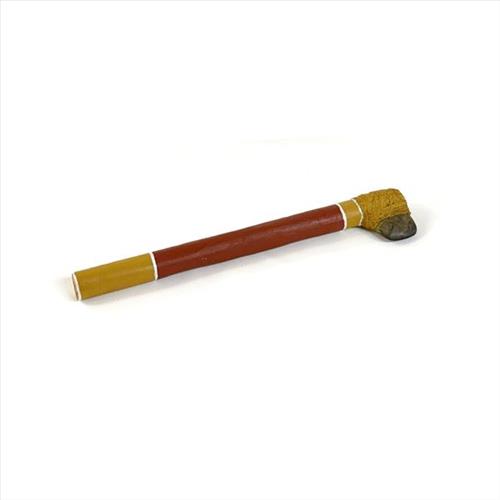
Gapamada (stone axe)

Gapamada are ground-edged stone axes that were used as weapons, chopping tools to chop wood, remove tree barks, butcher large animals, and during ceremonial practices. Designed over 60,000 years ago, gapamada are usually rounded or oval in shape and are made from hard types of stone, particularly basalt or greenstone and worn river pebbles. Typically designed with a handle, natural resins were used to bind the timber and stone together and also plant fibre and kangaroo sinew. 


220982400196


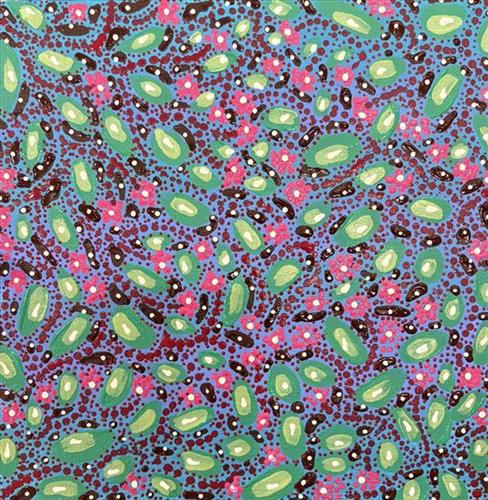
Selina Pula Teece – Wildflowers

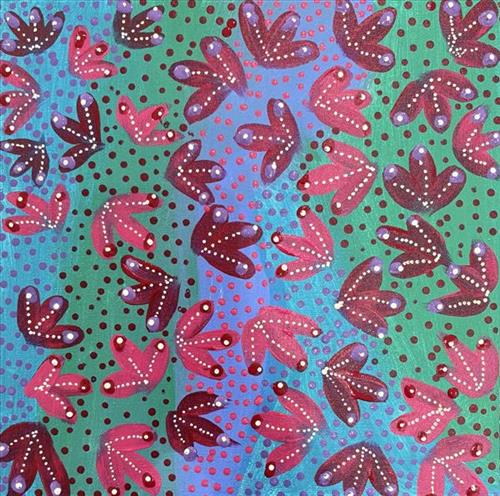
The wildflowers grow in my country after the rains. They grow around Antarrengeny (pronounced an-darra-nin-yah) when I walk through the bush and I see the wildflowers they bring me happiness and inspire me to paint them

220982400192


Selina Pula Teece – Wildflowers

The wildflowers grow in my country after the rains. They grow around Antarrengeny (pronounced an-darra-nin-yah) when I walk through the bush and I see the wildflowers they bring me happiness and inspire me to paint them

220982400191


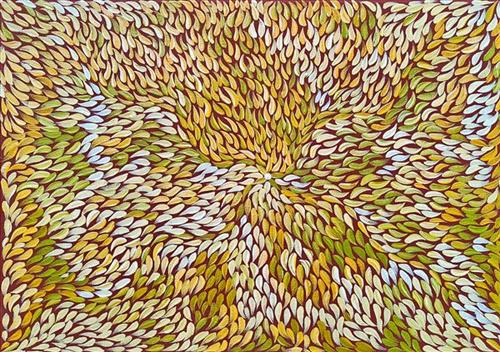
Lulu Pitjara Teece – My Fathers Seed Dreaming

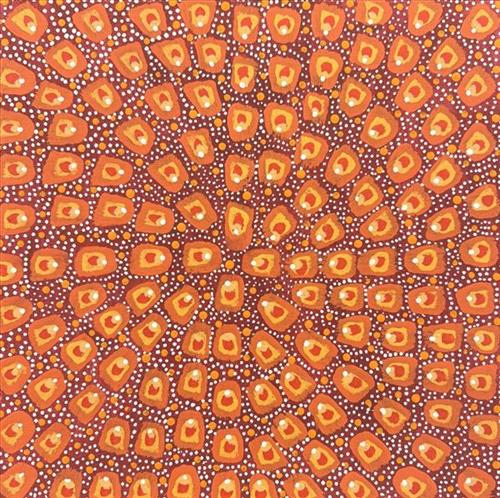
Before my father died, he told me and my sister, that if we ever painted, he wanted us to paint his dreaming. His dreaming is the seed dreaming, from his country. I paint that story, it’s important. That’s why I always paint the seed dreaming.

I have a strong passion for making bush medicine, and I provide the community with traditional bush medicine to treat their ailments.

My paintings are a strong depiction of my connection to culture, family and country.

115682400188


Woven Stingray

Yolŋu weavers of Arnhem Land craft both utilitarian and ceremonial objects using naturally sourced materials, with more recent works also including decorative pieces, such as this woven stingray.

The primary material used in this piece is the young, green leaves of the Pandanus spiralis tree, that were harvested using a long wooden hook. The leaves are stripped of their prickles, with the smaller fibres being dried to produce a strong, resilient material. These fibres are then twisted, coiled, or combined using various techniques to create this motif of a stingray, an important totem for Yolŋu people of Central Arnhem Land.

Bula’bula weavers exclusively use natural dyes, derived from locally sourced roots, leaves and grasses. These pigments are extracted and infused into pandanus fibres by boiling over an open fire, producing the rich, vibrant colours characteristic of contemporary Yolŋu weavings.