111981639049


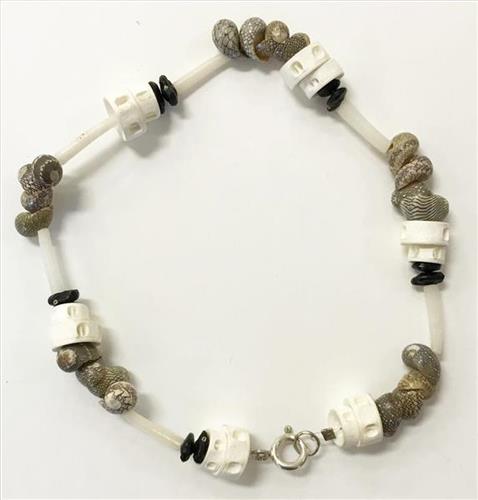
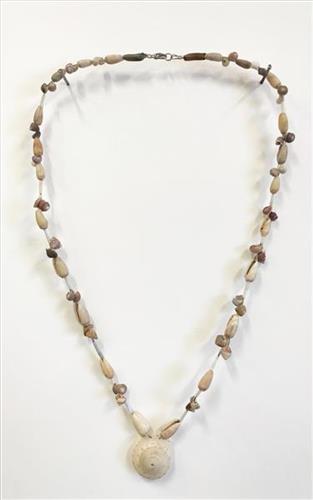
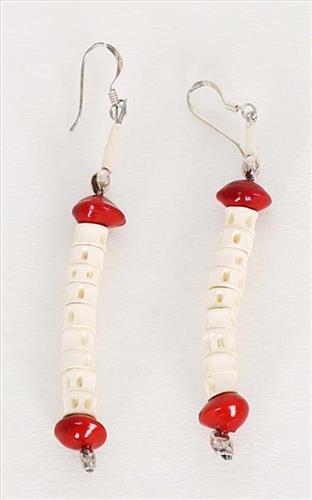
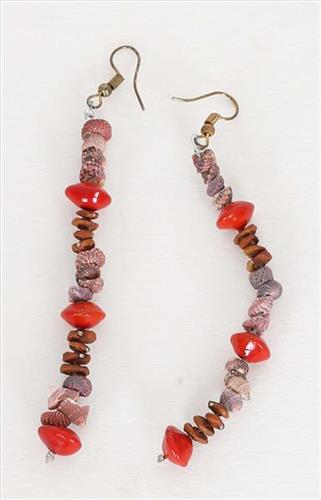
Bush Jewellery – Necklace

The women of Maningrida and surrounding homelands use a combination of locally found seeds, bone and shells to make a variety of jewellery including necklaces. earrings and bracelets.  Many of the artists use complex patterns and designs to make their beautiful creations.

111981686220


Bush Jewellery – Bracelet

The women of Maningrida and surrounding homelands use a combination of locally found seeds, bone and shells to make a variety of jewellery including necklaces. earrings and bracelets.  Many of the artists use complex patterns and designs to make their beautiful creations.

111981686661


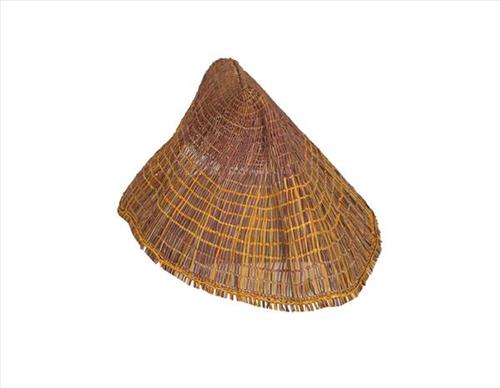
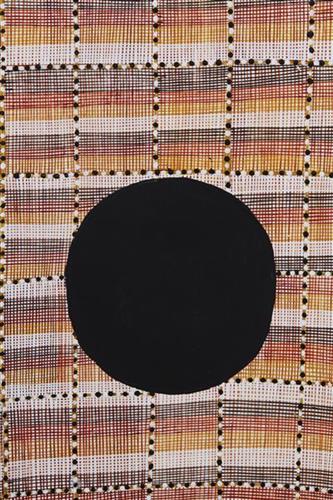
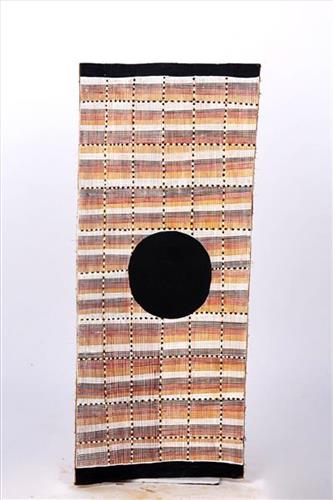
Bamagora

A ‘bamagora’ is a Burarra word for a traditional woven tent-like structure. A bamagora was woven to create a shelter for a child or adult when sleeping.

111981715635


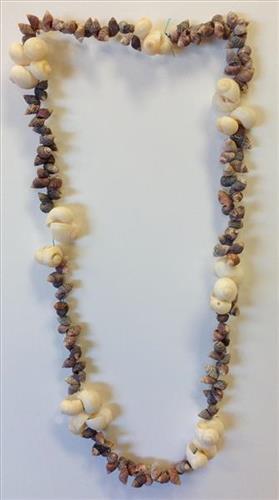
Bush Jewellery – Necklace

The women of Maningrida and surrounding homelands use a combination of locally found seeds, bone and shells to make a variety of jewellery including necklaces. earrings and bracelets.  Many of the artists use complex patterns and designs to make their beautiful creations.

111981717276


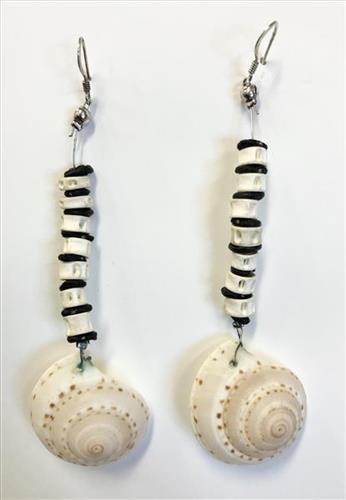
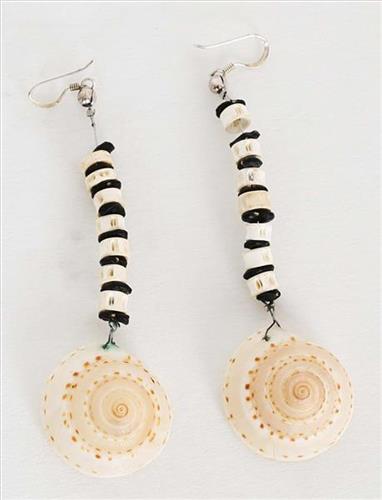
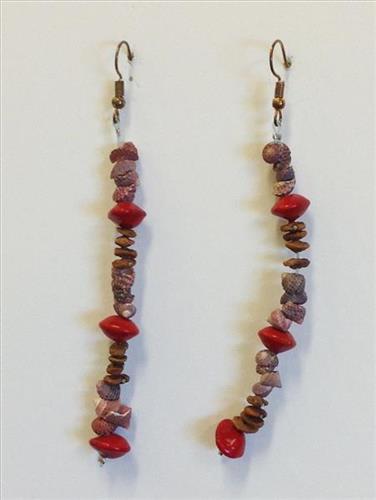
Bush Jewellery – Earrings

The women of Maningrida and surrounding homelands use a combination of locally found seeds, bone and shells to make a variety of jewellery including necklaces. earrings and bracelets.  Many of the artists use complex patterns and designs to make their beautiful creations.

111981732770


Wak Wak

This painting depicts a sacred site at ‘Kurrurldul’, an outstation south of Maningrida.

The ‘rarrk’, or abstract crosshatching, on this work represents the design for the crow totem ancestor called ‘Djimarr’. Today this being exists in the form of a rock, which is permanently submerged at the bottom of Kurrurldul Creek. The ‘Djimarr’ rock in the stream at Kurrurldul is said to move around and call out in a soft hooting tone at night. Both the stone itself and the area around it are considered sacred.

The imagery represents the rock mentioned above at the bottom of Kurrurldul creek, which is the final transmutation of the dreaming ancestor ‘Djimarr’. Finally, the pattern used here is also the crow design used in the sacred ‘Mardayin’ ceremony, which is a large regional patri-moiety ceremony now rarely conducted in central and eastern Arnhem Land.

111981733580


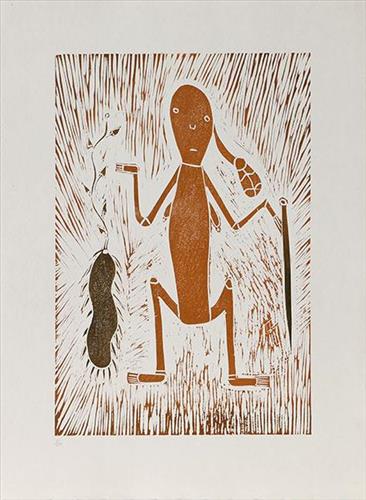
Buluwana (Kuninjku Spirit Woman)

This design depicts Buluwana with dilly bag on her back holding yam and digging stick. “She’s an old lady from ancestor creation time, before mimi. Her skin name Wamutjan – she is from the Dhuwa moiety. When the mimi came, she turned to stone in stone country out Yikarrakkal and Manmoyi way. But we can’t tell all about Buluwana more further, because it’s a secret. Only my people can know and only djunkai (caretaker) can tell full Buluwana story. But we can draw her. I draw her because she my dreaming. She lives in sacred place, where she turned to stone and lives there now forever.”

111981733538


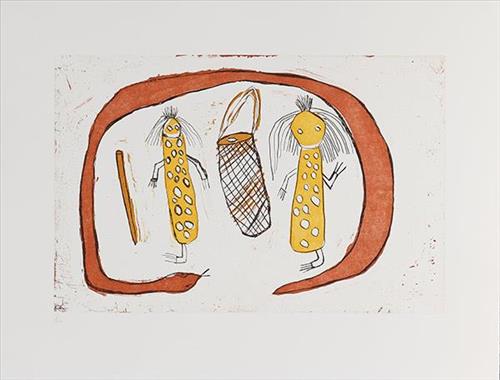
Bawaliba (Spirit Woman) and Ngalyod (Rainbow Serpent)

This design is depicts Bawaliba, Spirit woman. “This is the Dreaming of my mother and my uncles. These spirits are called Bawáliba. A long time ago they used to go out hunting. That’s in Ranger station near the airport (mum and uncle from further this way to Jingarr). Their homeland. They used to go out hunting with dilly bags and digging sticks. They used to collect a lot of bush foods, and sleep together with one bark shelter. Sometimes they come alive when we sleep, they come in the house when we sleep and peep through the window and we looked them with white clay (gapan) and red cloth tied around. We get up to look but they have disappeared. They are really tall. They are like human beings, like us. They dance and have a lot of hair. They are carrying fish traps and digging sticks. They are good spirits, they protect us and they recognise families. They might knock on the window to remind us they are there looking out for us. You can hear them whisper, sometimes they talk about us and might say, ‘why are they making a house here?’ Then they say to each other, ‘This family are from here, its ok, they are sleeping here for the night’. During the day they turn into stone and they sleep. When you see that green rock, that’s Bawáliba.”
111981733515


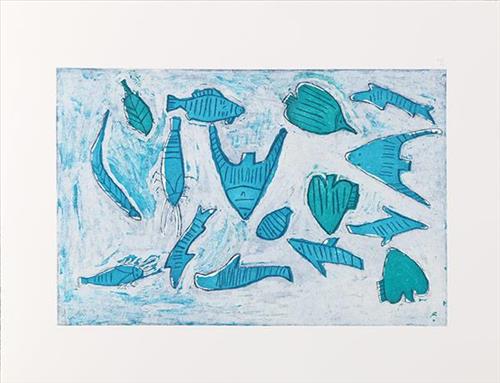
Rocky Point Sea Life

This design is a salt water story, depicting sea life mainly from Rocky Point and also Nardilmuk homelands. The etching features the diverse salt water life from the country in Central Arnhemland, including dugong, shark, prawn, fish, sea-snake, and lobster. “We always go fishing and get these fish and animals and cook them on the fire for eating together. We can only see them dugong at night time, that’s when we hunt them. We get that line and go fishing down at the rocks and get them shark and stingray. Some fish we can catch with a net or spear and some we catch out deep blue sea in that boat. In this design the animals are alive underwater, that’s why it is blue all over.”

111981734518


Bush Jewellery – Earrings

The women of Maningrida and surrounding homelands use a combination of locally found seeds, bone and shells to make a variety of jewellery including necklaces. earrings and bracelets.  Many of the artists use complex patterns and designs to make their beautiful creations.