224982358420


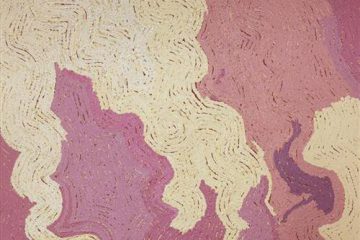
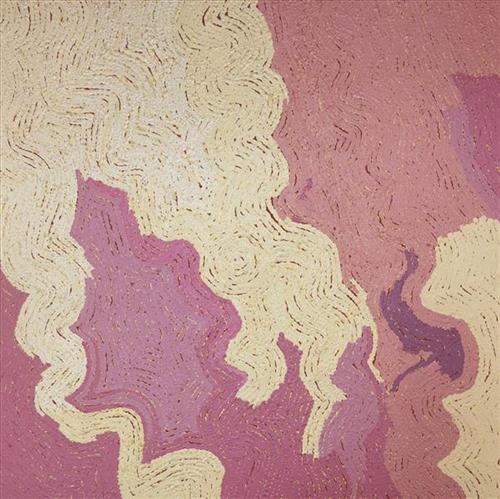
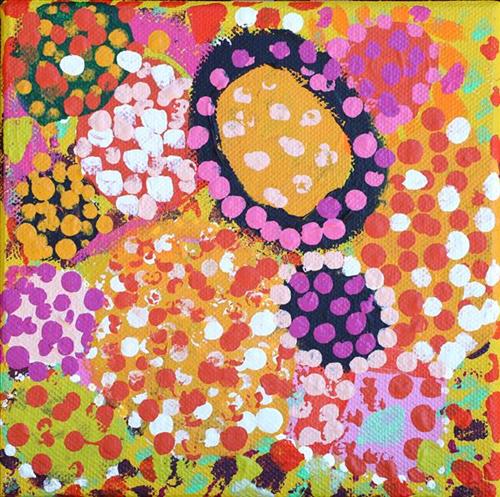
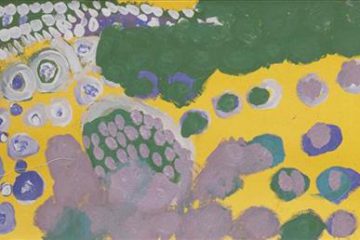
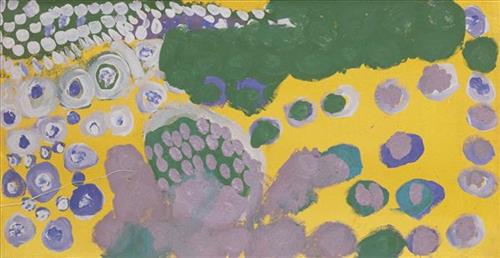
Elaine Papulankutja Dreaming

Elaine is a painter from Papulankutja (Blackstone) who now resides at Wanarn Aged Care. Elaine paints tjukurrpa from her country of Papulankutja, which includes songlines for associated tjukurrpa of Wati Kutjarra and Lirru – carpet python dreaming.

Warakurna Artists works closely with Wanarn Aged Care Facility to conduct painting sessions with elderly patients. This program nurtures artists who have contributed largely to one of the most significant art movements in Australia. The joyous communal activity has a myriad of positive benefits such as reliving boredom and frustration. Health staff report that this diversional therapy helps to reduce patient’s drug intake and the old people rejoice in sharing and passing on their important Tjukurrpa with their families who visit them when the workshops are conducted. Warakurna Artists is a positive and powerful example of Aboriginal businesses managed and governed by artists and community elders ensuring the wealth of talent and economic returns are retained in the community.
224982370384


Nyungawarra Patjarr

I am painting Yankuntjuntju. It is my grandmother’s country, close to Patjarr. There’s a rockhole close. I like to paint my story, my grandfather’s, my grandmother’s. My father’s mother passed away at that rockhole, that is why I’m painting. My grandmother had two sons, two daughters. [She] passed away right there, rockhole side. I also paint Karrku, that’s my nyal-ku Tjukurrpa, (my dreaming) Porcupine dreaming in that place. I think about these stories and my family when I am painting. Proper story. Painting keeps my family, and these stories close to me.

220982375449


Colleen Ngwarraye Morton – Hunting

Colleen is one of the original artists in the Utopian batik movement in the 1980’s and has been successfully painting ever since.

Colleen’s paintings often depict her Grandfather’s country where her family have hunted for many years. As a child she was taught about the seasonal bush medicines and plants that grew there and how to gather them. “When I was a little girl I would go and collect the seed from the altywart grass with my grandmothers. They would teach us how to hang on to the tree and grind the seeds with our feet. We would carry the seed in our coolamon back to the camp, then make damper, cook it on the fire and eat with our families”.

The elders would teach the importance of looking after country and that the sacred ancestral spirits watch over and protect the animals and plants. Her Mother and Grandmother taught her about bush medicine, a topic that is especially important to Colleen and is expressed within her paintings.

The layers of Colleen’s paintings are as detailed and complex as the stories she paints. Her paintings help to keep her culture strong and keep the stories alive to be shared and used to educate current and future generations. 


221282379099


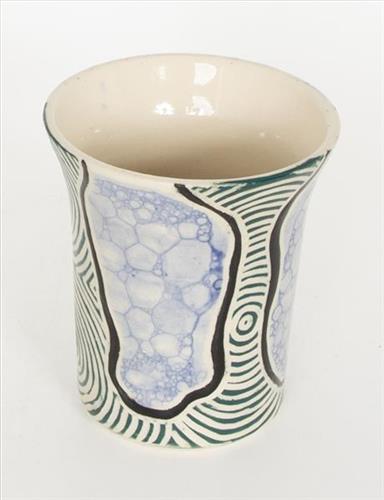
Ngayuku Walka / My Design

Walka means design or pattern. Artists use this title to describe artworks that are pattern based rather than descriptive or telling a story.

221282379090


Ngayuku Walka / My Design

Walka means design or pattern. Artists use this title to describe artworks that are pattern based rather than descriptive or telling a story.

221282379088


Ngayuku Walka / My Design

Walka means design or pattern. Artists use this title to describe artworks that are pattern based rather than descriptive or telling a story.

221282379085


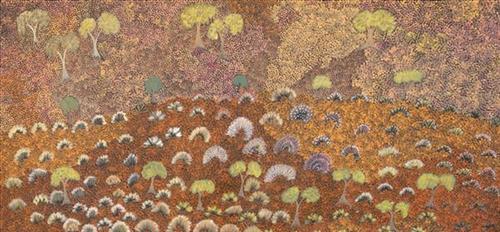
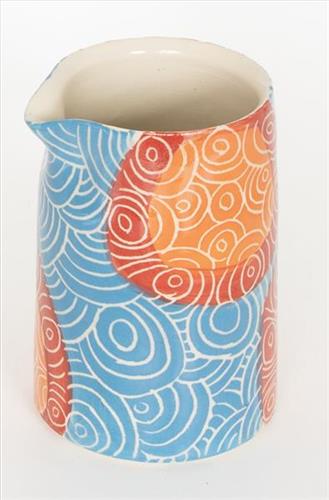
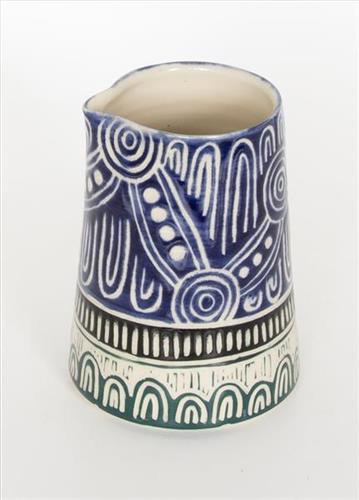
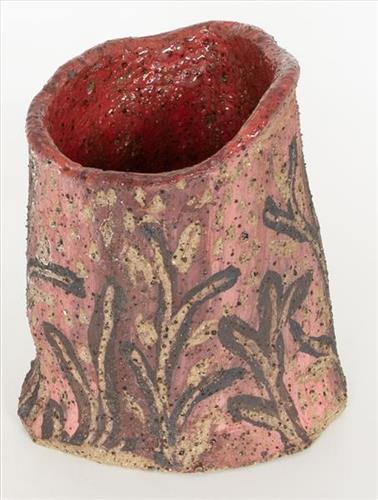
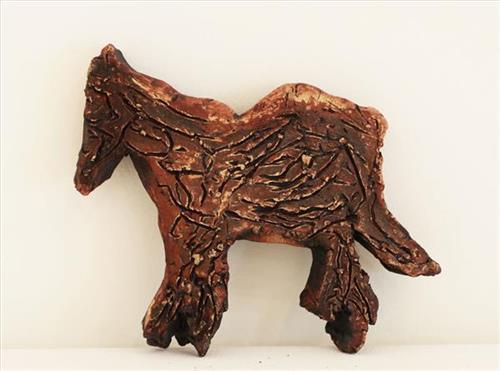
Kampurarpa Tjukurpa – Elizabeth’s Story

Kampurarpa are bush tomatoes. Elizabeth’s work comments on the environmental change that has occurred on her country due to the introduction of non-native fauna such as cattle, and flora, notably weeds like buffel grass. Buffel grass is so widespread and destructive that it is commonly known in and around Pukatja as tjanpi mamu or devil grass.

From the very start of Elizabeth’s artistic practice she has drawn her kampurarpa tjukurpa (bush tomato story) in clay. In the old times kampurarpa were one of the main foods for Anangu.

I’ve seen the land change. We used to have a lot of flowers. We used to go out to the bush to collect bush tucker, like kampurarpa (bush tomatoes). And now there’s a lot of buffel grass everywhere. The land is changed by the buffel grass. Now there’s no more flowers – no purple flowers, yellow flowers, white or pink flowers. I’ve seen it. When all the cattle and the sheep and the goats came, the kangaroos left and went a long way away. They saw the strange animals and they left. That’s a true story.

Today, sometimes we still go out and collect kampurarpa but not like we did before. Our country has been changed by cattle and weeds like buffel grass, so we can’t find all the old foods like we once did. I’ll keep telling the kampurarpa story in my work, that keeps the stories, songs and dances about these important foods alive and strong.

221282379106


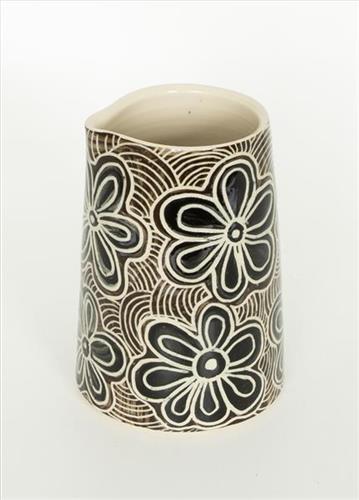
Ngayuku Walka / My Design

Walka means design or pattern. Artists use this title to describe artworks that are pattern based rather than descriptive or telling a story.