225182389038


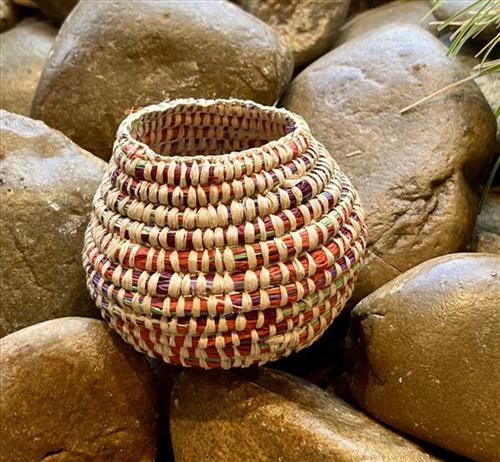
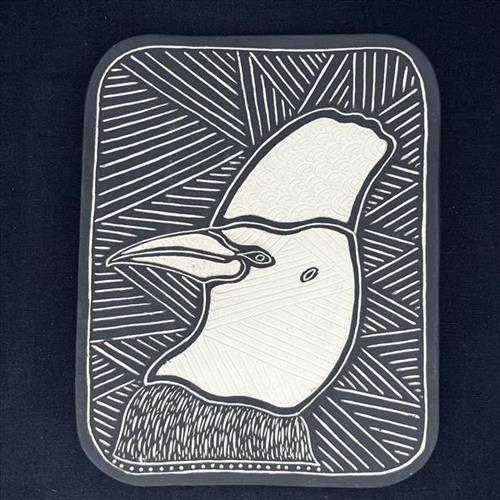
Kurranji (Cassowary)

Long time ago, the cassowary was a precious food source for our ancestors. They ate the meat and the eggs, used the feathers for ceremonies and weaving, and the skins for blankets.  The Cassowary is a powerful Totem for us because it helps growing many plants that were important for food, medicine and tool making. The Cassowary can walk wide distances and spread the seeds of the fruits he eats everywhere. Plants grow also out of his dung.
225182389036


Makarr (Fish Trap)

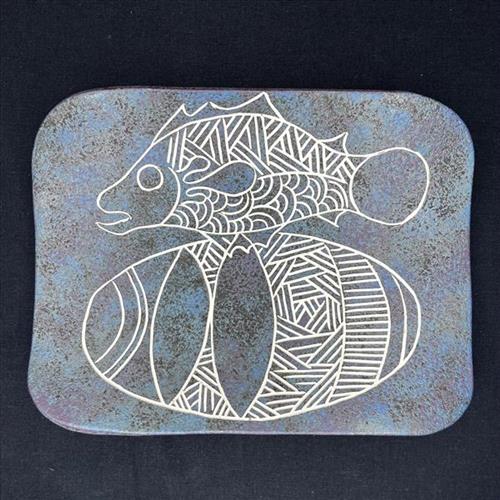
Fish traps are called Makarr in our language. They were made by men only. Our fathers and uncles used to make them with the lawyer vine. They stripped the stems and then soaked them in the river to keep them soft and bendy. They also had a special way of weaving the fish traps. They used them in the river to catch eels, jungle perch, fresh water catfish and turtle. To attract fish our old people used to sprinkle rain forest berries as bait over the trap.

225182389032


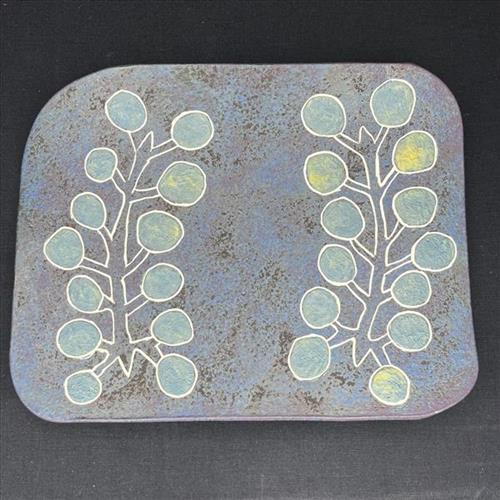
Janbal (Quandong)

Janbal (Quandong) is good bush tucker. We gather the fruit from August to January when they are sweet and soft. The kernel of the fruit is very pretty and we often use it to make body adornments such as necklaces and earrings.

115682389334


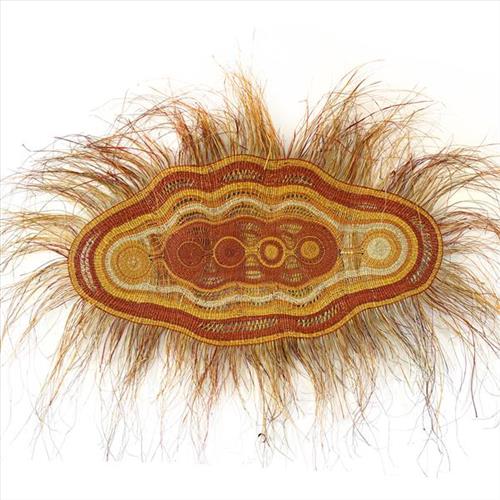
Bapurru Nganiyal (Family mat)

Yolngu have complex, interconnected family structures spanning across Arnhem Land and this is the inspiration for Mary’s weaving. Mary has joined individual pieces together, to create a piece that represents and reflects her familial connections, bonds and interdependence. Her interconnected weaving represents a family portrait.

The weaving format and styles originate from the Yolngu Nation’s traditional Nganiyal (conical mats) which have ritual, ceremonial and practical significance within their cultural lives. The patterns, colours and designs are unique to each artist and comprise of differing techniques, often learned from their grandmothers through the manual transference of skills ranging from places to gather bush materials, techniques on how to harvest and prepare the pandanus, sourcing natural materials such as roots, leaves and barks for the dyeing process.  Over time, and especially in the case of Mary, she has advanced her own artistry, craftsmanship and aesthetics from her continual making, experimenting and refining. 

377816082389665


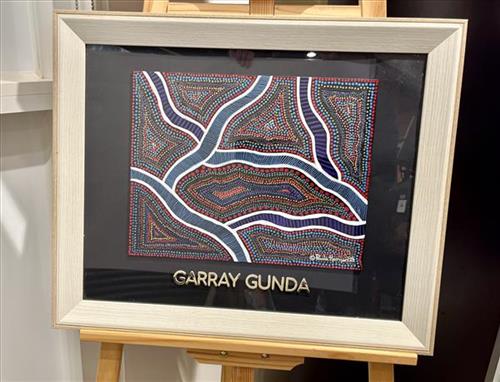
GARRAY GUNDA

Connection, Land, Spirit and Story. Black opal, known as the creators gemstone. It is the belief that the opal the spirit of man kind. It symbolises the various aspects of creation and the human experience. Sometimes referred to as “Rainbow Stone”


When the earth was covered with the creative spirit “Garray” created the rainbow, as promise of his great love for the spirit of mankind.


The Mokey, The evil spirit was jealous of this love and created a drought, so the rainbow can never be seen by mankind.

Garray, however, placed the rainbow inside the stone and hid it in the ground, for future generations to search and find.

Gurray Gunda “The creators Gemstone”

111582389563


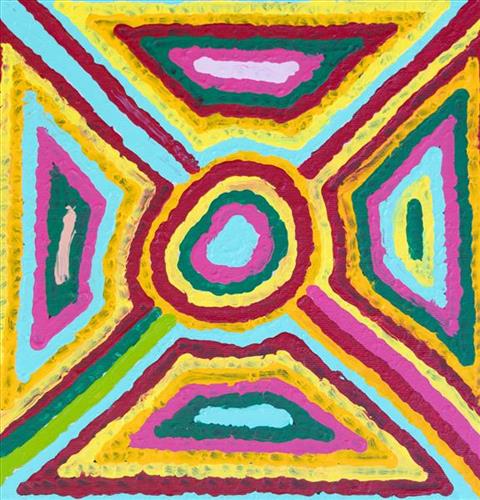
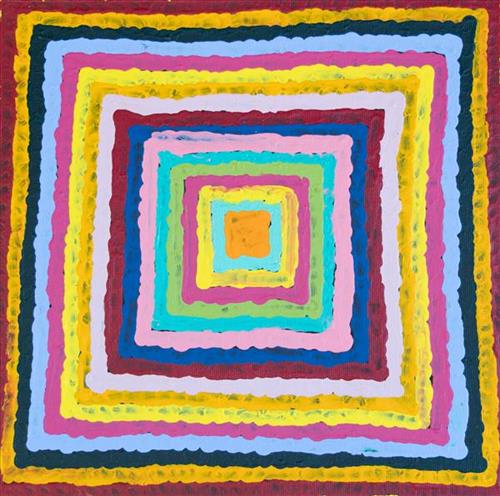
Jartuti

“Jartuti water place east of Parnngurr. In pujiman (traditional, desert dwelling) days old people walked and hunted there, we went there recently with KJ (Kanyirninpa Jukurrpa) ranger mob, lovely place.” 

 – Beverley Rogers

Jartuti is a water source located close to Parnngurr Aboriginal Community (otherwise known as Cotton Creek), and is part of Beverley’s father’s ngurra (home Country, camp). The site is near to the home of the jangara (cannibal devil), spiritual beings from the Jukurrpa (Dreaming) era.

111582389562


Jartuti

“Jartuti water place east of Parnngurr. In pujiman (traditional, desert dwelling) days old people walked and hunted there, we went there recently with KJ (Kanyirninpa Jukurrpa) ranger mob, lovely place.” 

 – Beverley Rogers

Jartuti is a water source located close to Parnngurr Aboriginal Community (otherwise known as Cotton Creek), and is part of Beverley’s father’s ngurra (home Country, camp). The site is near to the home of the jangara (cannibal devil), spiritual beings from the Jukurrpa (Dreaming) era.

377810582389725


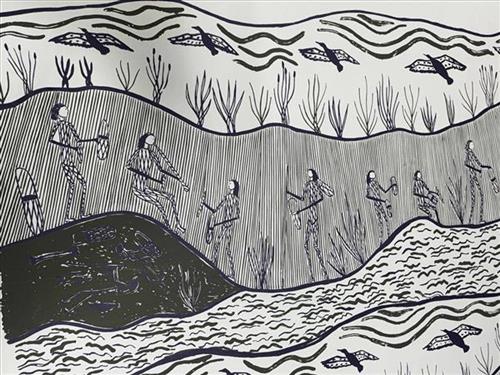
Namurre Boko (Two Brothers Fighting)

A two colour screen print design from 2022. Jay’s first large format design to join the Bábbarra Designs Collection.

‘This is my first one, I’m really happy, I’m proud. It’s just a songline for everybody. This story is from my great great grandfather on my fathers side. The songline was made by my second father. The mimihs tell the story. The painting took a long time, a few weeks to finish.’ Jay Jurrupula Rostron

‘Bini-murreko means two brothers – big brother and little brother.

Two brothers were really strong leaders and good hunters, sharing animals with different tribes.
With those different tribe there were jealousy going on.
Little brother went walkabout and heard the different tribe was talking about his tribe.
They said ngarribin manre djed-djedme bokko
Meaning: will make spear for them
Ngarrbin danj-bun, ngarrbinbun
Meaning: will spear them kill them
little brother turn around went back tell his brother
Namurre bokko kadi marne djed-djedme Karre wonens, kardi-djal danjbun
Meaning: they making spear for us, they gonna spear us
Couple of months they saw different tribe
They changed their attitude
They been bringing lots of animals to them and start asking for women
And that tribe realise that’s how those brothers died.
They kill them
This Why? They got jealous because two brothers was a good hunter.

This story written on the rock art and it stays forever.’