220282194337


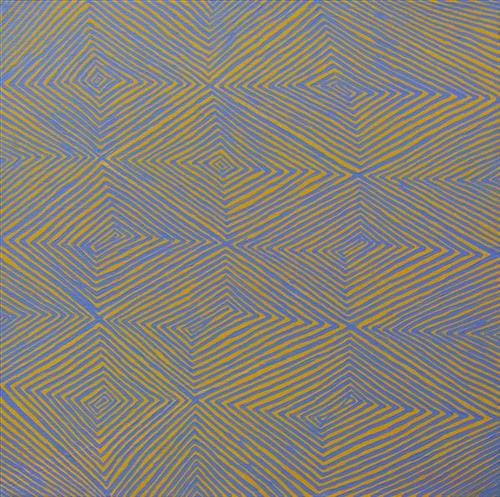
Papa Tjukurrpa – Dog Dreaming

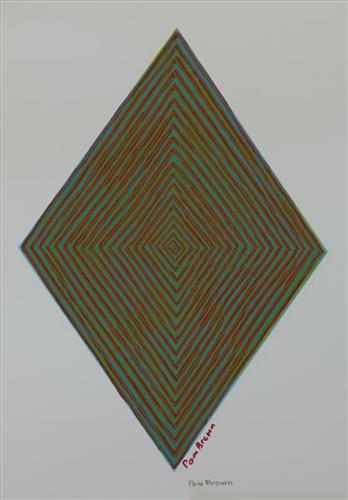
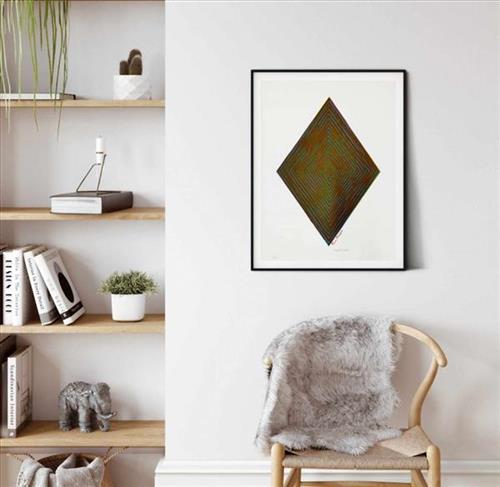
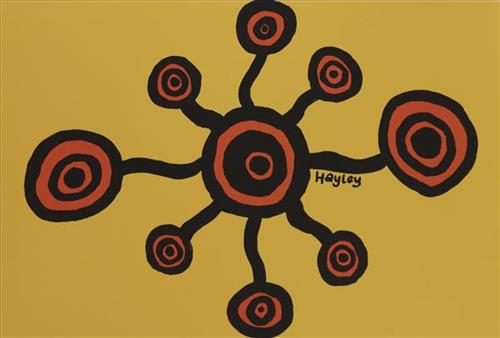
The story of this painting is Papa Tjukurrpa – Dog Dreaming. The country for this Tjukurrpa is at Nyuman, three hours south-west of Kintore. It is a little outstation. The dog lives at this place and can be seen as a rock. 

Pam paints the men’s ceremonial design associated with the Dog Dreaming. The diamond shape is painted as body design onto the men’s bodies during the ceremony. 


220282196577


Papa Tjukurrpa – Dog Dreaming

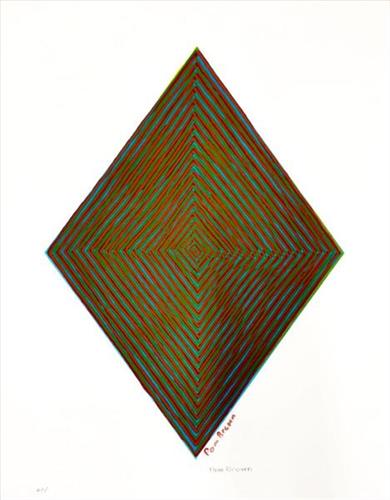
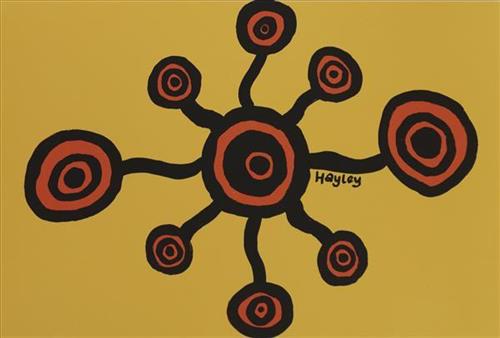
The story of this painting is Papa Tjukurrpa – Dog Dreaming. The country for this Tjukurrpa is at Nyuman, three hours south-west of Kintore. It is a little outstation. The dog lives at this place and can be seen as a rock. 

Pam paints the men’s ceremonial design associated with the Dog Dreaming. The diamond shape is painted as body design onto the men’s bodies during the ceremony. 


220282196629


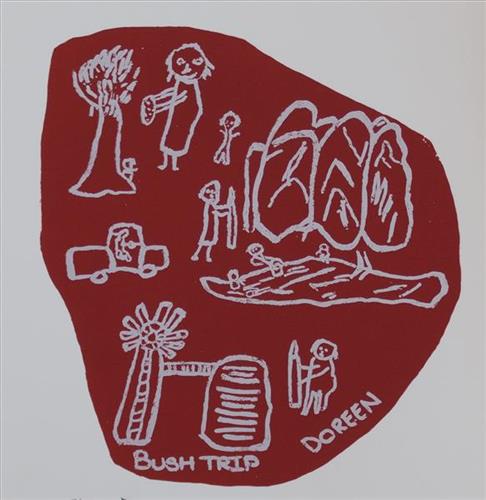
Bush Trip

“When we were kids we used to go for bush trip in the afternoon. We would jump on the back of the ute and drive out to go swimming at the dam. It was such a wonderful time.”

220282196565


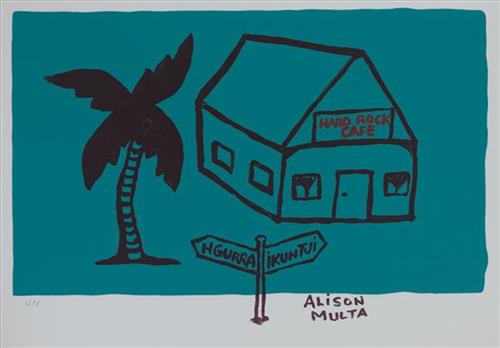
Station House at Ikuntji

This print shows the old station house at Ikuntji with a hard rock cafe hanging over the door. The print reminds everyone of what this historical building looked like in the 1990s.

220282196617


Ininti at Muruntji

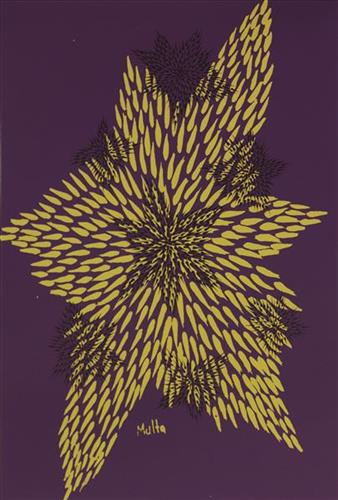
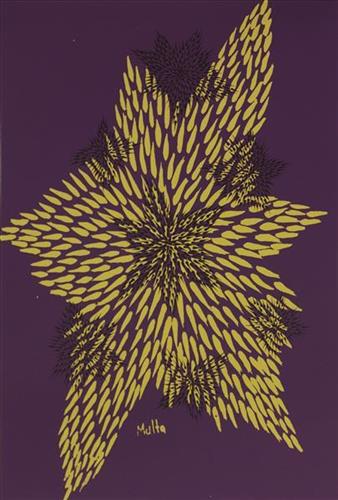
This painting depicts the bush seeds that come from the ininti tree (batwinged coral tree).  The tree is native to the Western Desert of Central Australia, growing in sand around creek beds. The ininti grow abundantly in Muruntji country where the artist has spent much time collecting the seeds. Muruntji is west of Kungkayunti (Browns Bore), the outstation where the artist’s family is from. Both Patricia Multa, and her daughter Virgillia Multa paint the ininti at Muruntji, expressing the colours and movement of the ininti tree and its seeds and flowers throughout the seasons. Patricia remembers collecting the seeds when she was a child and making them into necklaces. The seeds can be found in the sand, or inside the pods still on the trees. The seeds naturally grow in varying colours from dark reds to light yellows. The flowers are equally vibrant, ranging from rich oranges into reds. Ininti are still collected today and made into jewellery at Ikuntji Artists. 

220282196540


Kungkayunti – Women Dancing

The artist’s birthplace is Edmond Bore, which is near Kungkayunti (Brown’s Bore) south of Ikuntji/Haasts Bluff. This painting shows the artist’s Tjukurrpa (Dreaming), Kungkayunti, the place where all the ancestral Arrernte women come to rest after travelling from Ntaria (Hermannsburg) to Kintore and past Kulpitarra (Outstation). There, they dance, share their stories and renew their law. The women turned into stone, where you still can see them today. Anmanari describes the tracks of all the women. Kungkayunti (women dancing) is the name of the place that the women first camped. They were on a journey, on their way to womens business.

220282196534


Tali at Kungkayunti

This painting shows the birds eye view of the tali tali (sandhills) at Kungkayunti (Brown’s Bore). This is the country of Joe Tjakamarra Multa, the father of Douglas Multa, Agnes Multa, Lisa Multa, Alison Multa, Rephina Multa, Benita Multa and Patricia Multa and the grandfather to their children. The tali tali are a short walk from where the family lived and the children of Joe grew up.

Lisa remembers walking up the tali tali with her sister, Agnes Multa, who was the same age as her. When Lisa got married she brought her partner to see those tali tali. From the tali tali, a 360-degree view can be seen of the surrounding country. The area is abundant with bush tucker, especially bush tomatoes and bush banana.

Kungkayunti is an important place for the travelling Tjukurrpa of the ancestral Arrernte women who travelled 600 kms from Ntaria (Hermannsburg) to Kintore, past Kulpitarra (Outstation) to attend to women’s business. Kungkayunti is the place where the women first camped. On their long journey, the women stopped at Kunkayunti (Brown’s Bore) to camp, rest, eat and dance. When the women reached their destination, they danced, shared their stories and renewed their law. Those women turned into stone and can be seen today. Annual events continue today to strengthen this Tjukurrpa.
220282196681


Tali at Hamilton Station

This painting shows the tali (sand hills) at Hamilton Station outstation. The outstation is an excision to the station.

As there is no water around in this place people have to dig for it in the sandhills. 

“It is the most peaceful place you could ever go to. Going there keeps my mind straight, that’s why I try to go at least once a month. We go hunting, digging for water in the sandhills. There is no power and water. Just me and my family.”

220282196670


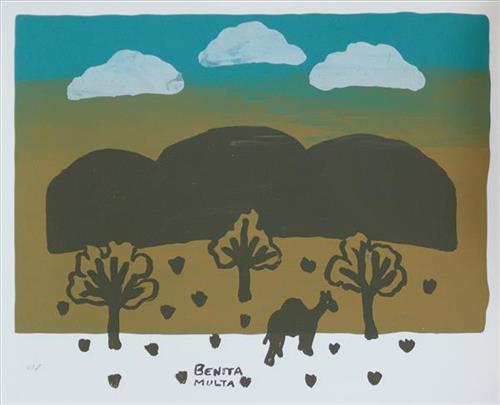
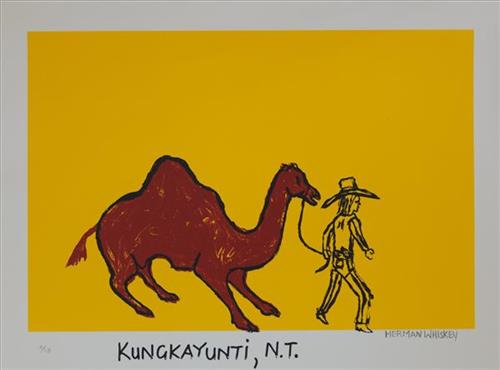
Kungkayunti

“The tracker is travelling along with his Kamula (camel) in Kungkayunti (Brown’s Bore). This is an old story and I was handed this story down by family.”

220282196604


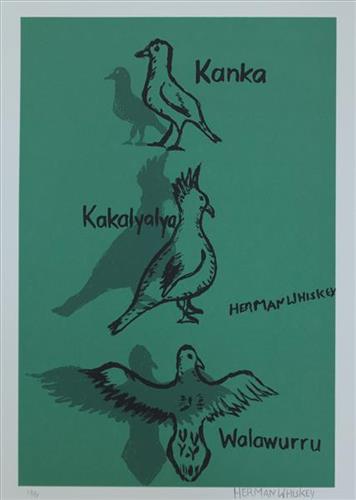
Kakalyalya Tjukurrpa – White Cocky Dreaming

In the artist’s words: This is the story in my father’s country of Pirrupa Kaala. It is the story of the white cocky (circle middle on top) with mako (witchetty grubs) in its mouth. The eagle (left bottom) brought malo (kangaroo) meat (circle left top) for the white cocky as she had a broken wing. But a crow (circle right side bottom) chased the white cocky all over the country because the white cocky had such a big mob of mako. The crow started to hit the white cocky with a nulla nulla and called her greedy. The eagle helped the cocky and chased the crow away. So it happend that the eagle came to stay with white cocky for a little while. But on day he said: ”Oh, I am going home to find another place to stay”, and left the white cocky behind to stay there by herself for good.

The blue colour shows the tracks from the water running into the deep water holes in the sand after the rain. The red colour shows the little mountains where the water comes from and goes into the creek flowing south.