221382360966
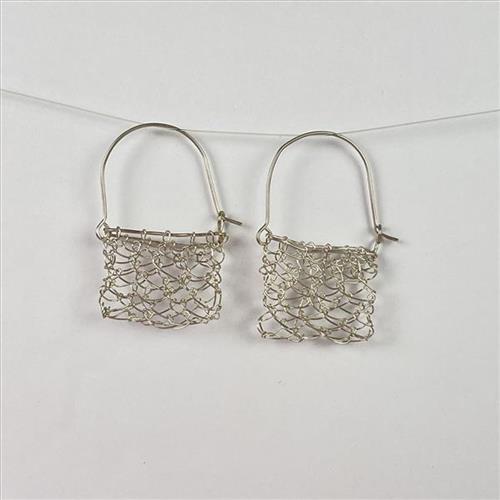
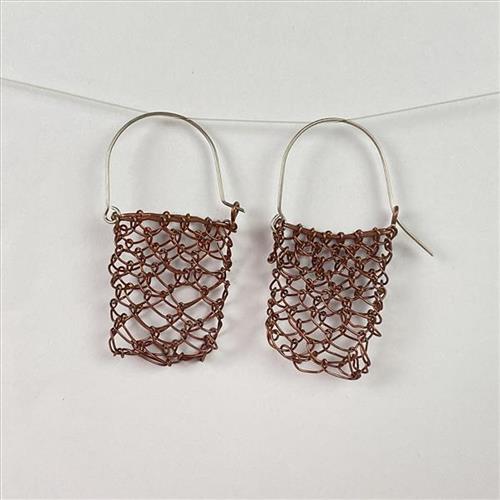
Handwoven StringBag Earrings, 925 Silver
221382360965
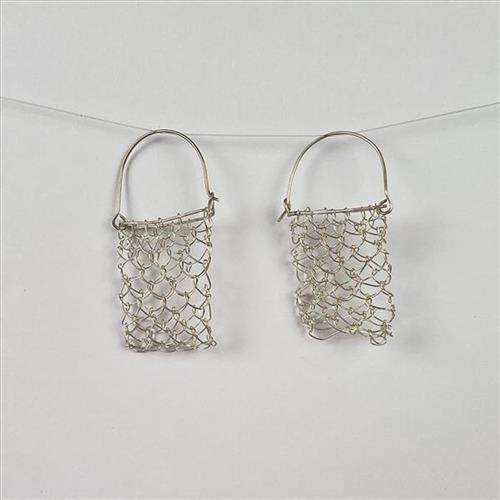
Handwoven StringBag Earrings, 925 Silver
115682360954

Gumang (Magpie Geese)
The Yolngu people of Arnhem Land originate from a spiritual source, fixed in a particular place in their land or the sea. These ‘Spiritual Reservoirs’ are often in the form of special waterholes made by Wangarr (Creative Beings) long ago close to the beginning of time.
The creator beings moved across the country side, shaping the land and implanting in each tract of country, the spiritual life force for the people who were to own it. These Creative Spirits took many forms. When they gave the land to each group they also gave songs, dances, ceremony, the associated laws and language. The Creation story for Ganalbingu people took place near the middle section of the Glyde River where it becomes the Goyder River. Their land, Ngaliyindi, sits astride the Arafura Swamp in Central Arnhem Land.
In this painting, the artist has depicted Gumang (magpie geese), which are sacred to the Ganalbingu people. To the east of the Arafura Swamp is a freshwater billabong which is said to have been made by the Goose Spirit and is in the shape of a goose nest. As a result, geese, their eggs and their nests are sacred.
115682360953

Marra (Leaves)
Inspired by the work of the prominent basket weaver, the late R. D. This scene depicts the leaf debris as it floats along the running water.
116482361141
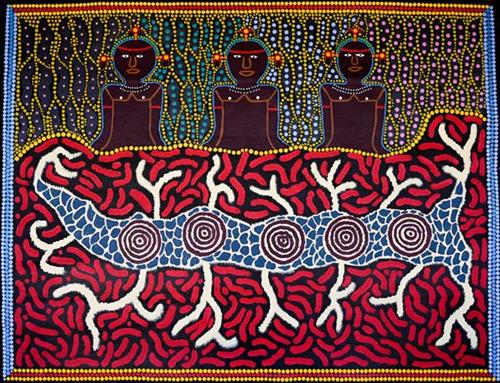
Four Skin Groups
In our culture, we have four skin groups. Every person must follow these. Without these skin groups, you will be lost in any other Country’s that you go to. So it’s very important to know your skin group.
116482361139
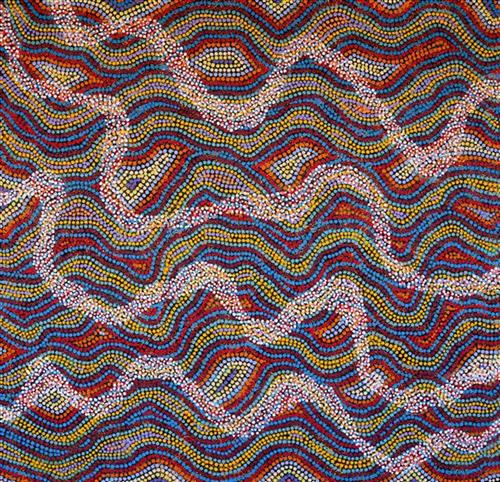
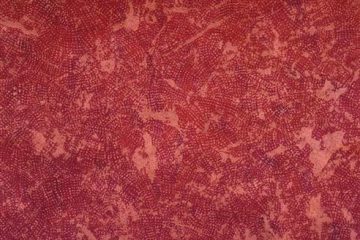
Colours Through The Rocks
In Yindjibarndi country there are many different shaped rock formations. It looks like a truck has tipped a huge pile of rocks. At different times of the day, especially in the evening sunset, you will see the beautiful colours changing across the face of the rocks which compliments the soft spinifex growing through the country.
116482361135
The VOID VII
225182361049
Kakan (Black Palm) Basket Weaving
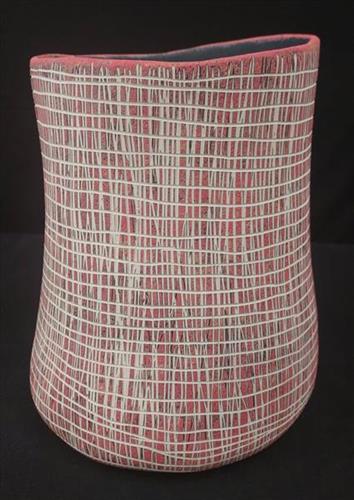
This design shows how the bottom part of a black palm basket is woven. My grandmothers and aunties used to make them. They cut off the young palm leaves in the centre, stripped and scrapped them. Then they would put the strips in freshwater to make them soft and keep them straight for weaving.
115682361436

Bathi (Pandanus Basket)
Yolŋu weavers of Arnhem Land create utilitarian, ceremonial, and decorative pieces using naturally sourced materials. This Bathi (Pandanus Basket) is made from young Pandanus spiralis leaves, harvested with a wooden hook, stripped of prickles, and dried to create strong, resilient fibres. These fibres are then twisted, coiled, or woven using various techniques to produce both functional and decorative baskets.
Typically, Bathi are made using a coiling technique which was adapted from techniques used by Indigenous women throughout Southeast Australia. Introduced to Arnhem Land weavers in the 1930’s as Missionaries began commissioning pieces in this style.
Bula’bula weavers exclusively use natural dyes, derived from locally sourced roots, leaves and grasses. These pigments are extracted and infused into pandanus fibres by boiling over an open fire, producing the rich, vibrant colours characteristic of contemporary Yolŋu weavings.