221282300120


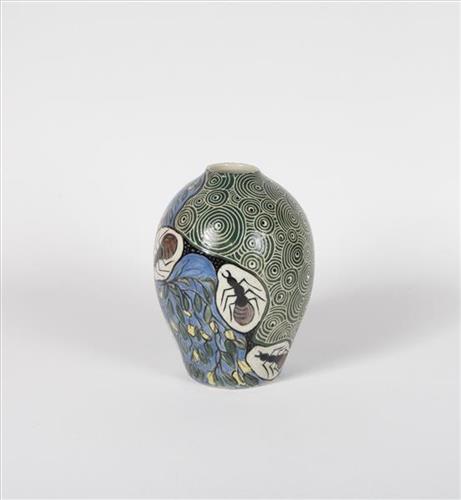
Tjala / Honey Ants

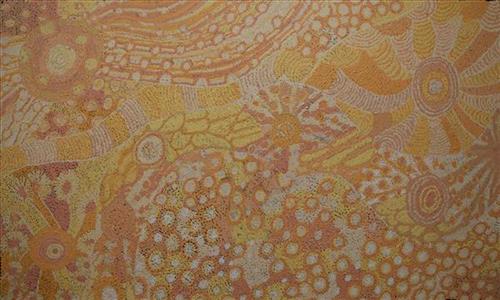
Tjala or honey ants live in nests about a metre underground beneath mulga trees, and they are a highly favoured food source. The tjala tunnels that lead down to the ants’ nests are called nyinantu, and the larvae are called ipilyka-ipilyka. After the rain when the ground is soft the women go digging for tjala by looking for the drill holes under the trees. They then use shovels and crowbars to dig down following the tunnels to find the tjala inside. Anangu suck the delicious rich honey-like liquid from the distended abdomen of the tjala. The story of the tjala is told across the Northern Territory into South Australia and is an important link between Anangu mythology and inter-dependence on the environment.
221282300118


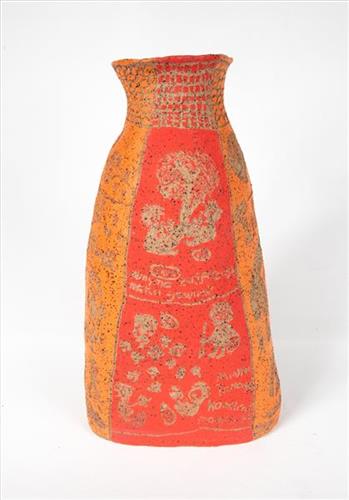
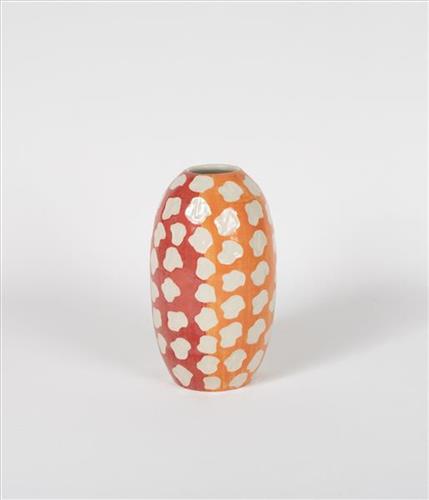
Ngayuku Walka / My Design

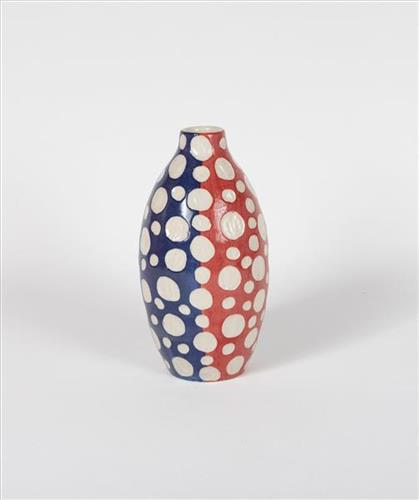
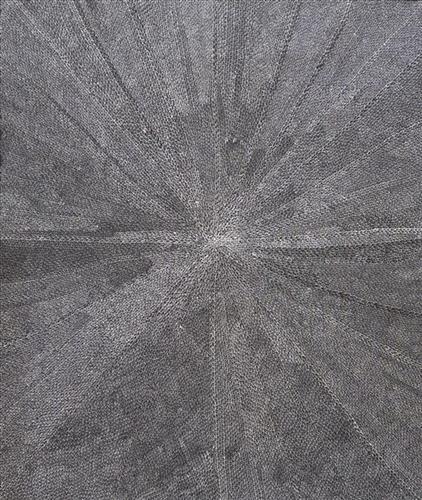
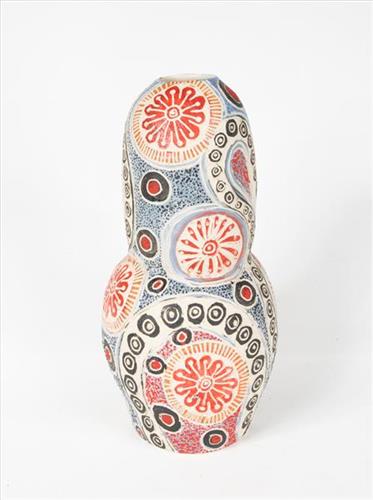
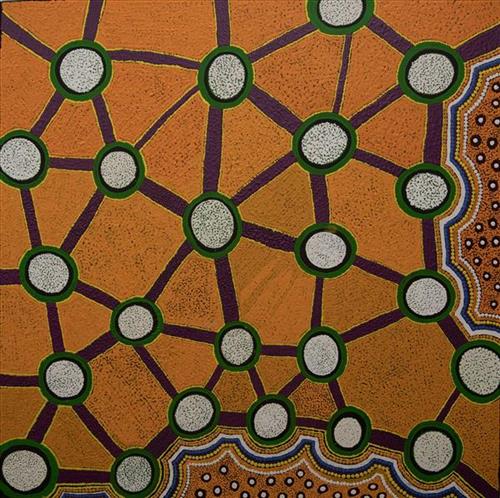
Walka means design or pattern. Artists use this title to describe artworks that are pattern based rather than descriptive or telling a story.

221282300117


Ngayuku Walka / My Design

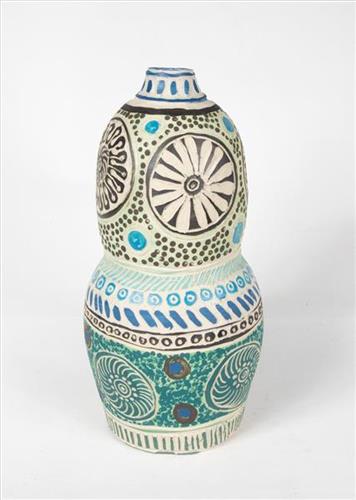
Walka means design or pattern. Artists use this title to describe artworks that are pattern based rather than descriptive or telling a story.

220982303012


Ntang Native Seeds

The seeds are collected under a tree by laying a tarp on the ground and hitting the tree continuously until most of the seeds have fallen. Once the seeds are collected they are then ground with a mortar and grinding stone.

A number of these grinding stones have been in families for generations. Once seeds are ground, water is added and mixed until a damper like substance is formed and placed under the coals until cooked.

225482309918


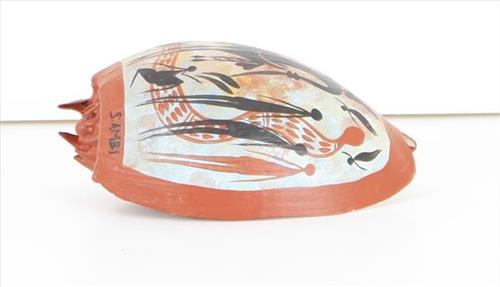
Wandjina, Gyorn Gyorn & Unguds (cloud and rain spirits, Bradshaw & totems)

The Wandjina spirits are highly respected by the people of Mowanjum. The Wandjinas brought the law, culture and language. The people of Mowanjum believe that the first Wandjina was called Idjair who lives in the Milky Way and is the father of all Wandjinas. The Wandjina Wallungunda was Idair’s first son; he created the Earth and all life upon it. After he created the first human beings, the Gyorn Gyorn people, Wallungunda traveled back to Idjair to bring back more Wandjinas to give the Gyorn Gyorn people laws to live by. Today the Gyorn Gyorns are known to give our corroboree and became hunters, collectors and gatherers.The Wandjina is highly respected by the people because it gave the law, culture and language. The Unguds represent the dreaming of the people which the Wandjina has given. Before birth, the Ungud is given to the father or the grandfather of a child. It way come through dreams, or it may come as a living animal. The animal becomes a gift from the Wandjina to the unborn child which the child belongs to. When the child dies it will go back to being that animal. Today every individual has their own animal.

221282311313


Nintitjaku

Tjunkaya is a proficient writer in her own language, Pitjantjatjara and a highly respected senior leader. She is known throughout the region for her leadership particularly in regards to education policy and cultural maintenance. She had written widely on the history of her life, Ernabella and the art centre. This work is about the Pitjantjatjara concept of nintitjaku which means to teach, show or pass down. This is cultural obligation which Tjunkaya passionately pursues through her work both inside and outside the art centre.

221282311296


Wira Walka

Wira is a small cup-like digging bowl or multi-purpose object. In the early days this walka (design) was burnt with wire on to wooden carvings, particularly onto the wira. This association with women has seen the wira walka take on an identity as a female design. It is also highly reminiscent of the marks made in ochre or paint on a woman’s breasts during inma (ceremony). This design has become an iconic element in art from the Anangu Pitjantjatjara Yangkantjatjara Lands.

221282311295


Wira Walka

Wira is a small cup-like digging bowl or multi-purpose object. In the early days this walka (design) was burnt with wire on to wooden carvings, particularly onto the wira. This association with women has seen the wira walka take on an identity as a female design. It is also highly reminiscent of the marks made in ochre or paint on a woman’s breasts during inma (ceremony). This design has become an iconic element in art from the Anangu Pitjantjatjara Yangkantjatjara Lands.

221282315016


Tjukula/Waterholes

For the Pitjantjatjara people living in the desert, knowledge of their water sources was critical to their survival. This resulted in an intimate understanding of the landscape which continues today. Water is an essential element in the desert. These rock holes were particularly important during the dry season when most of the water holes and creeks dried up.  Deep familiarity with the topography of their country and the way rain would interact with the land ensured constant sources of water could be found. Knowledge of rock hole sites is passed on from generation to generation and revered by all Anangu (people).

Tjukula means rock-holes, which are found with surprising frequency in the Musgrave Ranges and country around Ernabella.  Between visits, Anangu would use a construction of rocks and spinifex to guard these important water sources from spoilage by feral and stock animals such as cattle, camels, horses and donkeys.

221282314987


Anumara – Caterpillar

Yurpiya is painting a place called Anumara, which is a place near Irrunytju (Wingellina) in WA. This is Yurpiya’s family’s country. Anumara is also the name for a kind of caterpillar and Anumara is the tjukurpa (dreaming) place for this caterpillar. This caterpillar lives in the grass and can be eaten if the grass it eats is removed. The place shares the same colours of the caterpillar – brown, yellow and pale green. Keeping this place safe will ensure that the caterpillars multiply.