11194005106


Status: Stock


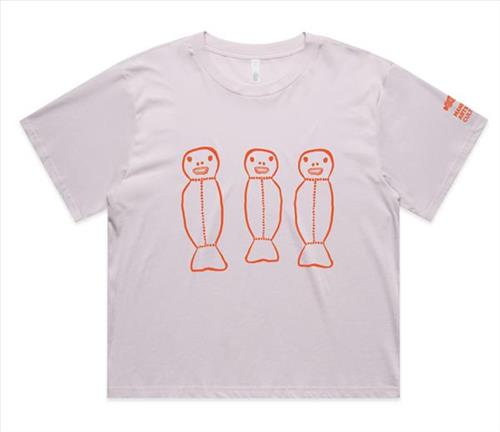
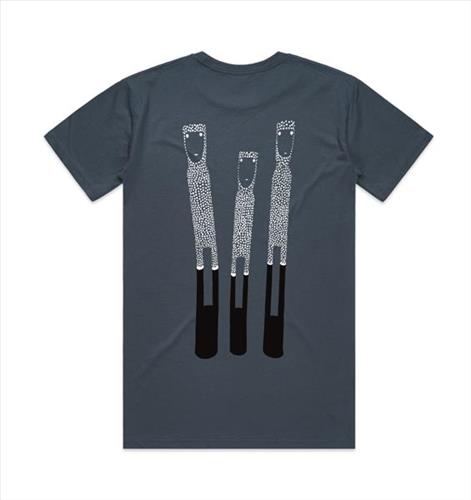
WARRABURNBURN Tee

In Burarra and Gun-nartpa languages the figure represented in this artwork is generally known as a wangarra ‘ghost spirit’. For the Warrawarra clan ghost spirits have their own particular characteristics and their own name – Warraburnburn.

The Warraburnburn and the closely related Galabarrbarr spirit (owned by the Balkarranga clan) are also manikay song topics.  The spirits are related to each other as maternal grandparent and grandchild, just as the people of Warrawarra and Balkarranga are. The dancing of the two ghost spirit figures forms the finale performance for funerals, and is the final goodbye to a deceased family member.

In many ways the Warraburnburn and Galabarrbarr ghost spirits are like people. They emerge from the patches of jungle on Warrawarra and Balkarranga country in the late afternoon and go hunting in family groups of men, women and children. They stay in contact with each other by calling out as the men hunt for fish and the women walk with their dillybags looking for vegetable food. 

The ghost spirits are associated closely with white ochre and artists commonly paint the bodies of carved figures in white. Different types of ghost spirit wear different patterns. Warraburnburn is decorated with uniform white dots while others are painted white all over. Some ghost spirits are shown with a design painted on their chest infilled with rarrk ‘cross-hatching’, the same designs that are painted onto japi an-guyinda ‘male initiations’. 

They also have supernatural characteristics including superhuman size (jarra anbaykarda ‘super tall’). They know the country intimately – some are malevolent towards humans and will lead people astray, taking them to unfamiliar and dangerous places. These malevolent spirits are likened to an-muburda ‘sorcerers’ and can conduct dangerous rituals that cause harm to people. Others are benign and will lead humans back to familiar paths and their own camps.

11194005105


Status: Stock


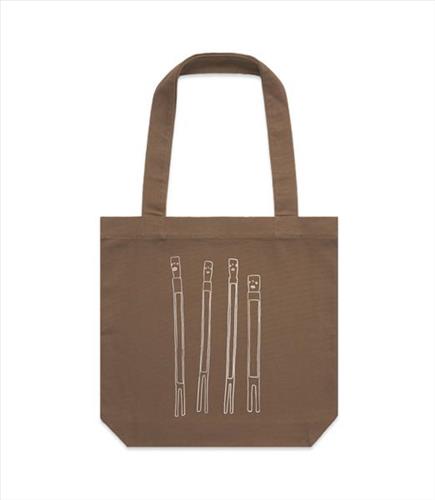
MIMIH Tote

The mimih spirit exists in a realm that runs parallel to and mirrors many facets of human life, also demonstrating the deep sense of time and place understood by Aboriginal and Torres Strait Islander people. Such spirits feature importantly in relation to Aboriginal spirituality, cosmology, social and moral tales as well as ritual. As is true with the multiple mediums employed by artists of West Arnhem Land, the development of artistic style and form is in line with an awareness by the artist that the work produced is predominantly made for a broader audience. Whether show in a national or international context these works communicate and exist in a particular space that is cross-cultural and simultaneously so particular to the Arnhem region.


The mimih sits within a complex and important pedagogical and religious body of knowledge which links Kuninjku people to their distinctive escarpment homelands. Young Kuninjku artists, or apprentices, employ the mimih as an important exercise for the practice of the rarrk technique, as it could be achieved on a smaller surface area before, being attempted in larger scale, on pieces of bark. The mimih serves a purpose for those young artists first learning to carve in a social space of sharing and innovating. The initial mimih manifestation was a large form that almost mirrored the anatomy of a human and at this stage the sculptures have been likened to morkuy carvings visible in eastern Arnhem Land. Contemporaneously, mimih are depicted in a refined, slender, even emaciated form with a broad range of facial expressions giving both individual character to, and denoting the potential volatility and humour that mimih spirits are notable for in their interaction with bininj (humans). The sculptures are frequently carved from the thin trunks of softwoods such as kapok (bombax ceiba or cottonwood) kurrajong, beach hibiscus or leichardt and are painted with earth pigments for their colouring and design.

A leading figure engaging the spirit in visual storytelling was Crusoe Kuningbal, a Kuninjku man, who while traveling was familiarised with carving styles from the east of Arnhem at the mission in Milingimbi pre-dating World War II. This showing a notable connection and interaction of different language groups across such space. As well as travel and the development of art forms being informed by cross cultural dialogues within northern Aboriginal language groups. The mimih became a valued inclusion in performance and public ceremony by Kuninjku people like Kuningbal. At times these ceremonies were performed for extended language groups in the local region.


Now a familiar and broadly depicted figure of iconography, it is important to acknowledge the development of this quite recent sculptural tradition. The depiction of this particular spirit being, once used as an addition to the sharing of song cycles and ceremony, has since been elevated to a prominent form and subject of contemporary sculpture. Variation in the creation of 
mimih acts as an indication of the individualism of each artist and their stylistic markers. Additionally significant to note is that in the space of the past thirty years the mimih has begun being produced by multiple language groups residing in the Maningrida area including the traditional owners of Maningrida, the Ndjébbana, speaking Kunibidji as well as Gurrgoni people who have strong ties to Kuninjku.

________
*Maningrida Arts & Culture acknowledge the work of many academic and non-academic voices when writing on this topic, it is important to note Luke Taylor, who’s broad research has informed this text.

11194005103


Status: Stock


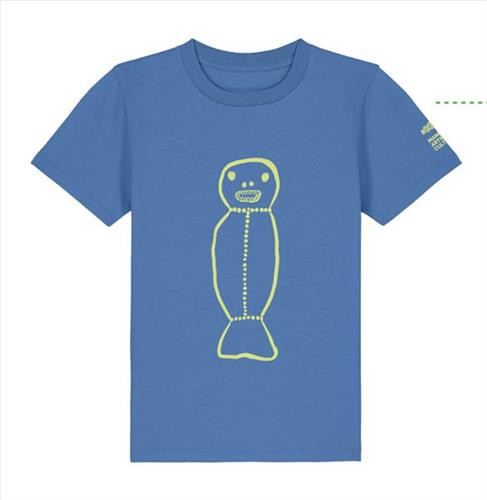
YAWKYAWK Kids BLUE

This is a depiction of Ngalkunburriyaymi or Yawkyawk, the fish-women spirit. Sometimes compared to the European notion of mermaids, they exist as spiritual beings living in freshwater streams, particularly those in the stone country. These water spirits are perhaps the most enigmatic, and are usually described and depicted with the tails of fish. Thus the Kuninjku people sometime call them ngalberddjenj which literally means ‘the woman who has a tail like a fish’. They have long hair which is associated with trailing blooms of green algae (man-bak in Kuninjku) found in freshwater streams and rock pools. At times they leave their aquatic homes to walk about on dry land, particularly at night.

Aboriginal people believe that at one time all animals were humans. During the time of the creation of landscapes and plants and animals, these ancestor heroes in human form changed into their animal forms via a series of various significant events now recorded as oral mythologies. Today the Kuninjku believe that ngalkunburriyaymi are alive and well and living in freshwater sites in a number of sacred locations. The Kuninjku also believe that ‘clever’ man (magicians with mystical powers called na-kordang) may take these spirits as wives. The father of Mandarrk, a well known artist who resided in the Central Arnhem area, is said to have had such a spirit as a wife. Unfortunately, it is said, she failed one day to return from being sent to fetch water from the river, and returned to her kin. The ngalkunburriyaymi also have husbands and children of their own kind. Their sites are usually shared with the rainbow serpent ngalyod. Some have ritual importance, for example in some depictions, the yawkyawk spirit holds ceremonial string, just like the lengths of string women hold between both hands today during certain public ceremonies. 

There are at least three major ngalkunburriyaymi sacred sites that are well known in the area south and south-west of Maningrida. One site Bolerrhlerr is on the Mann River at a place near Yikarrakkal Outstation where there are rugged rocky banks and clefts beneath stone overhangs in the water. Another very similar site further west in the Kumadderr River district is surrounded by a number of small but very old rock art sites and has become known in English as ‘Dreaming Lady’. A third site is a major yawkyawk dreaming place which is so significant that the traditional Dangkorlo clan custodians have set up an outstation near the site. The identity of this group is very much related to their yawkyawk dreaming for which they have spiritual and practical responsibility. 

11194005102


Status: Stock


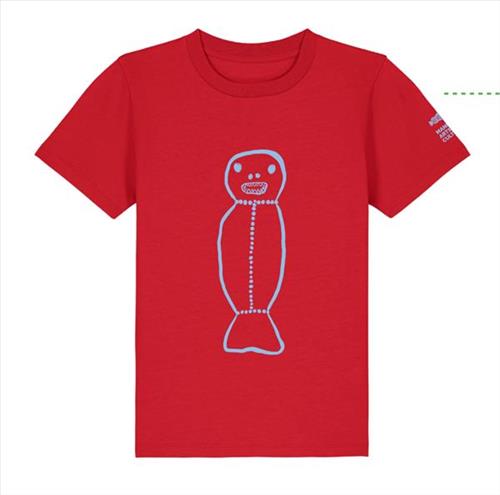
YAWKYAWK Kids RED

This is a depiction of Ngalkunburriyaymi or Yawkyawk, the fish-women spirit. Sometimes compared to the European notion of mermaids, they exist as spiritual beings living in freshwater streams, particularly those in the stone country. These water spirits are perhaps the most enigmatic, and are usually described and depicted with the tails of fish. Thus the Kuninjku people sometime call them ngalberddjenj which literally means ‘the woman who has a tail like a fish’. They have long hair which is associated with trailing blooms of green algae (man-bak in Kuninjku) found in freshwater streams and rock pools. At times they leave their aquatic homes to walk about on dry land, particularly at night.

Aboriginal people believe that at one time all animals were humans. During the time of the creation of landscapes and plants and animals, these ancestor heroes in human form changed into their animal forms via a series of various significant events now recorded as oral mythologies. Today the Kuninjku believe that ngalkunburriyaymi are alive and well and living in freshwater sites in a number of sacred locations. The Kuninjku also believe that ‘clever’ man (magicians with mystical powers called na-kordang) may take these spirits as wives. The father of Mandarrk, a well known artist who resided in the Central Arnhem area, is said to have had such a spirit as a wife. Unfortunately, it is said, she failed one day to return from being sent to fetch water from the river, and returned to her kin. The ngalkunburriyaymi also have husbands and children of their own kind. Their sites are usually shared with the rainbow serpent ngalyod. Some have ritual importance, for example in some depictions, the yawkyawk spirit holds ceremonial string, just like the lengths of string women hold between both hands today during certain public ceremonies. 

There are at least three major ngalkunburriyaymi sacred sites that are well known in the area south and south-west of Maningrida. One site Bolerrhlerr is on the Mann River at a place near Yikarrakkal Outstation where there are rugged rocky banks and clefts beneath stone overhangs in the water. Another very similar site further west in the Kumadderr River district is surrounded by a number of small but very old rock art sites and has become known in English as ‘Dreaming Lady’. A third site is a major yawkyawk dreaming place which is so significant that the traditional Dangkorlo clan custodians have set up an outstation near the site. The identity of this group is very much related to their yawkyawk dreaming for which they have spiritual and practical responsibility. 

11194005101


Status: Stock


YAWKYAWK Crop Tee

This is a depiction of Ngalkunburriyaymi or Yawkyawk, the fish-women spirit. Sometimes compared to the European notion of mermaids, they exist as spiritual beings living in freshwater streams, particularly those in the stone country. These water spirits are perhaps the most enigmatic, and are usually described and depicted with the tails of fish. Thus the Kuninjku people sometime call them ngalberddjenj which literally means ‘the woman who has a tail like a fish’. They have long hair which is associated with trailing blooms of green algae (man-bak in Kuninjku) found in freshwater streams and rock pools. At times they leave their aquatic homes to walk about on dry land, particularly at night.

Aboriginal people believe that at one time all animals were humans. During the time of the creation of landscapes and plants and animals, these ancestor heroes in human form changed into their animal forms via a series of various significant events now recorded as oral mythologies. Today the Kuninjku believe that ngalkunburriyaymi are alive and well and living in freshwater sites in a number of sacred locations. The Kuninjku also believe that ‘clever’ man (magicians with mystical powers called na-kordang) may take these spirits as wives. The father of Mandarrk, a well known artist who resided in the Central Arnhem area, is said to have had such a spirit as a wife. Unfortunately, it is said, she failed one day to return from being sent to fetch water from the river, and returned to her kin. The ngalkunburriyaymi also have husbands and children of their own kind. Their sites are usually shared with the rainbow serpent ngalyod. Some have ritual importance, for example in some depictions, the yawkyawk spirit holds ceremonial string, just like the lengths of string women hold between both hands today during certain public ceremonies. 

There are at least three major ngalkunburriyaymi sacred sites that are well known in the area south and south-west of Maningrida. One site Bolerrhlerr is on the Mann River at a place near Yikarrakkal Outstation where there are rugged rocky banks and clefts beneath stone overhangs in the water. Another very similar site further west in the Kumadderr River district is surrounded by a number of small but very old rock art sites and has become known in English as ‘Dreaming Lady’. A third site is a major yawkyawk dreaming place which is so significant that the traditional Dangkorlo clan custodians have set up an outstation near the site. The identity of this group is very much related to their yawkyawk dreaming for which they have spiritual and practical responsibility. 

11194000961


Status: Stock


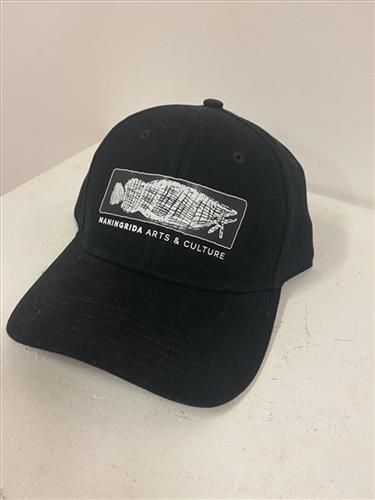
Maningrida Arts & Culture – Cap (black)

Maningrida Arts & Culture is a pre-eminent site of contemporary cultural expression and art-making, abundant with highly collectable art and emerging talent.

Through their homelands resource organisation, Bawinanga Aboriginal Corporation, artists turned an art trade that began just over 50 years ago into a multi-million dollar arts and cultural enterprise. Maningrida Arts & Culture supported hundreds of artists on their homelands, more than 20 artworkers, held 20 exhibitions annually, won prestigious awards, and enjoyed the international fame and success that the boom in the Aboriginal art market of the 1990s and 2000s enabled.

Acclaimed senior artists including Owen Yalandja, Ivan Namirrkki, Janet Marawarr, Lena Yarinkura and Jack Nawilil continue to expand their mediums and narratives. Artists such as Paul Nabulumo, Samson Bonson, Anniebelle Marrngamarrnga, Serena Bonson, Jeremiah Bonson, and Fiona Jin-majinggal have emerged to become a formidable force in the national and international landscape. They sit alongside the leading proponents of a fibre sculpture movement. Doreen Jinggarrabarra, Freda Wayartja Ali, Bonnie Burarn.garra, Dorothy Bunibuni, Lorna Jin-gubarrangunyja, Marina Murdilnga, Frewa Bardaluna, Helen Stewart and Vera Cameron are amongst a group of female artists who reinterpret functional forms using natural fibres to create highly sought-after pieces across the fine art and interior design sectors.

We protect the place in history for those artists who have come before, among them: J. Mawurndjul AM, K. Lindjuwanga, Bob Burruwal, Samuel Namundja, Crusoe Kurddal, Laurie Marbaduk, Yirawala, Wally Mardarrk, John Bulunbulun, Peter Marralwanga, England Banggala, Elizabeth Mipilangurr, Lena Djamarrayku, Mary Marabamba and Jack Wunuwun.

Their legacy can be experienced in current and forthcoming exhibitions across Australia and internationally, showcasing the collectable artwork of today’s artists.

11194000960


Status: Stock


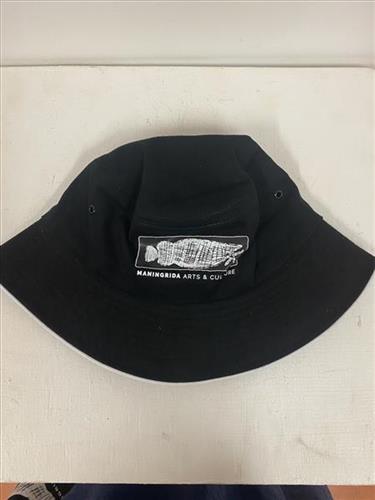
Maningrida Arts & Culture – Bucket Hat (black)

Maningrida Arts & Culture is a pre-eminent site of contemporary cultural expression and art-making, abundant with highly collectable art and emerging talent.

Through their homelands resource organisation, Bawinanga Aboriginal Corporation, artists turned an art trade that began just over 50 years ago into a multi-million dollar arts and cultural enterprise. Maningrida Arts & Culture supported hundreds of artists on their homelands, more than 20 artworkers, held 20 exhibitions annually, won prestigious awards, and enjoyed the international fame and success that the boom in the Aboriginal art market of the 1990s and 2000s enabled.

Acclaimed senior artists including Owen Yalandja, Ivan Namirrkki, Janet Marawarr, Lena Yarinkura and Jack Nawilil continue to expand their mediums and narratives. Artists such as Paul Nabulumo, Samson Bonson, Anniebelle Marrngamarrnga, Serena Bonson, Jeremiah Bonson, and Fiona Jin-majinggal have emerged to become a formidable force in the national and international landscape. They sit alongside the leading proponents of a fibre sculpture movement. Doreen Jinggarrabarra, Freda Wayartja Ali, Bonnie Burarn.garra, Dorothy Bunibuni, Lorna Jin-gubarrangunyja, Marina Murdilnga, Frewa Bardaluna, Helen Stewart and Vera Cameron are amongst a group of female artists who reinterpret functional forms using natural fibres to create highly sought-after pieces across the fine art and interior design sectors.

We protect the place in history for those artists who have come before, among them: J. Mawurndjul AM, K. Lindjuwanga, Bob Burruwal, Samuel Namundja, Crusoe Kurddal, Laurie Marbaduk, Yirawala, Wally Mardarrk, John Bulunbulun, Peter Marralwanga, England Banggala, Elizabeth Mipilangurr, Lena Djamarrayku, Mary Marabamba and Jack Wunuwun.

Their legacy can be experienced in current and forthcoming exhibitions across Australia and internationally, showcasing the collectable artwork of today’s artists.

11194000646


Status: Stock


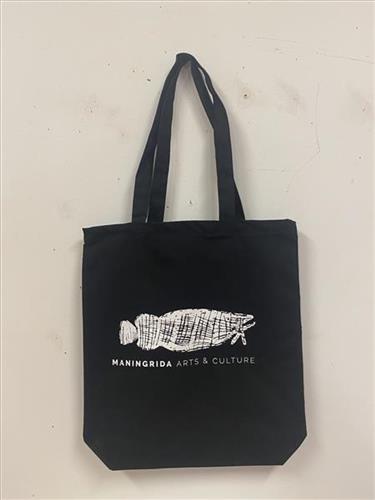
Maningrida Arts & Culture – Black Tote

Maningrida Arts & Culture is a pre-eminent site of contemporary cultural expression and art-making, abundant with highly collectable art and emerging talent.

Through their homelands resource organisation, Bawinanga Aboriginal Corporation, artists turned an art trade that began just over 50 years ago into a multi-million dollar arts and cultural enterprise. Maningrida Arts & Culture supported hundreds of artists on their homelands, more than 20 artworkers, held 20 exhibitions annually, won prestigious awards, and enjoyed the international fame and success that the boom in the Aboriginal art market of the 1990s and 2000s enabled.

Acclaimed senior artists including Owen Yalandja, Ivan Namirrkki, Janet Marawarr, Lena Yarinkura and Jack Nawilil continue to expand their mediums and narratives. Artists such as Paul Nabulumo, Samson Bonson, Anniebelle Marrngamarrnga, Serena Bonson, Jeremiah Bonson, and Fiona Jin-majinggal have emerged to become a formidable force in the national and international landscape. They sit alongside the leading proponents of a fibre sculpture movement. Doreen Jinggarrabarra, Freda Wayartja Ali, Bonnie Burarn.garra, Dorothy Bunibuni, Lorna Jin-gubarrangunyja, Marina Murdilnga, Frewa Bardaluna, Helen Stewart and Vera Cameron are amongst a group of female artists who reinterpret functional forms using natural fibres to create highly sought-after pieces across the fine art and interior design sectors.

We protect the place in history for those artists who have come before, among them: J. Mawurndjul AM, K. Lindjuwanga, Bob Burruwal, Samuel Namundja, Crusoe Kurddal, Laurie Marbaduk, Yirawala, Wally Mardarrk, John Bulunbulun, Peter Marralwanga, England Banggala, Elizabeth Mipilangurr, Lena Djamarrayku, Mary Marabamba and Jack Wunuwun.

Their legacy can be experienced in current and forthcoming exhibitions across Australia and internationally, showcasing the collectable artwork of today’s artists.


115682333788


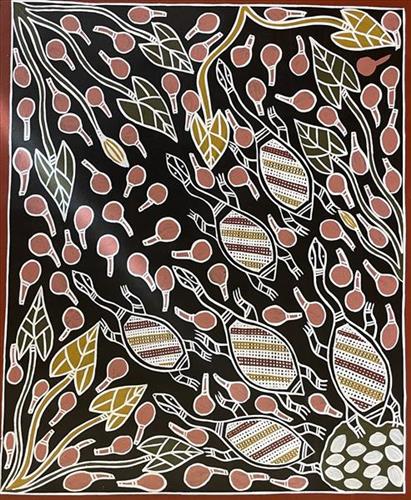
Ganalbingu – Banda (Long Necked Turtle)

The long necked turtle is a dreaming totem for the freshwater people, the Ganalbingu, whose country includes the World Heritage listed, Arafura Wetlands in Central Arnhem Land, Northern Territory

The Yolngu (people) of Arnhem Land originate from a spiritual source, fixed in a particular place in their land or the sea. These ‘Spiritual Reservoirs’ are often in the form of special waterholes made by Wangga (Creator Beings), long ago close to the beginning of time. These creator beings moved across the country side, shaping the land and implanting in each tract of country, the spiritual life force for the people who were to own it.

These creator spirits took many forms. When they gave the land to each group they also gave songs, dances, ceremony, the associated laws and language. The Creation story for Ganalbingu people took place near the middle section of the Glyde River where it becomes the Goyder River. Their land, Ngaliyindi, sits astride the Arafura Swamp in Central Arnhem Land. Some of their major Creative Beings include Banda (freshwater long neck turtle) and Yalman (water lilies).