Hand carved Clapsticks #10
These clapsticks have been hand carved out of river red gum collected on Yorta Yorta Country. Traditionally clapsticks have been used as part of our ceremonies and corroborees.
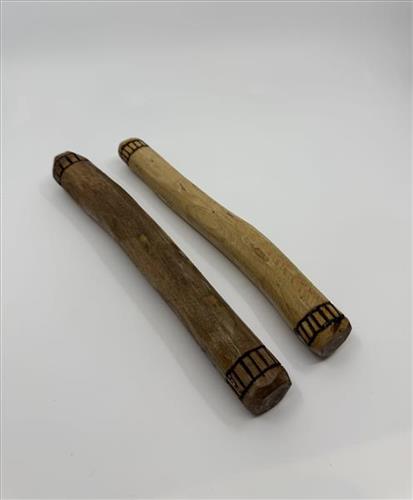
These clapsticks have been hand carved out of river red gum collected on Yorta Yorta Country. Traditionally clapsticks have been used as part of our ceremonies and corroborees.

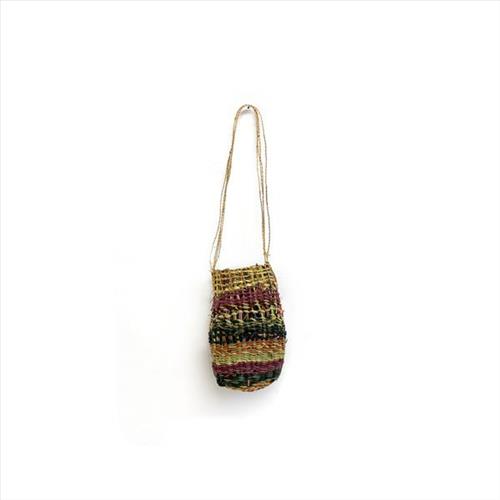
Miṉḏirr (dilly bags) are made from gunga (Pandanus spiralis), baḻgurr (kurrajong) and natural bush dyes. The body of the miṉḏirr is made from gunga, and the handles from baḻgurr. Once the gunga fronds and baḻgurr bark have been collected, they are stripped and prepared then boiled with the dyes.
Miṉḏirr were used traditionally for every day utilitarian purposes, particularly collecting bush foods such as bäḻtji (yam). Traditionally, the baḻgurr handles were worn across the forehead while the body of the miṉḏirr sat at the back, between the shoulder blades making it easily accessible when collecting ŋatha (food).

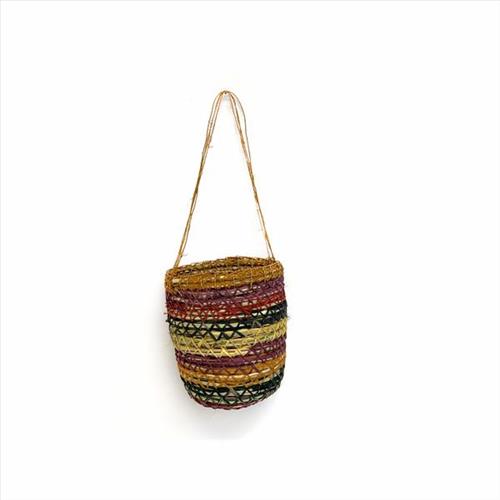
Miṉḏirr (dilly bags) are made from gunga (Pandanus spiralis), baḻgurr (kurrajong) and natural bush dyes. The body of the miṉḏirr is made from gunga, and the handles from baḻgurr. Once the gunga fronds and baḻgurr bark have been collected, they are stripped and prepared then boiled with the dyes.
Miṉḏirr were used traditionally for every day utilitarian purposes, particularly collecting bush foods such as bäḻtji (yam). Traditionally, the baḻgurr handles were worn across the forehead while the body of the miṉḏirr sat at the back, between the shoulder blades making it easily accessible when collecting ŋatha (food).
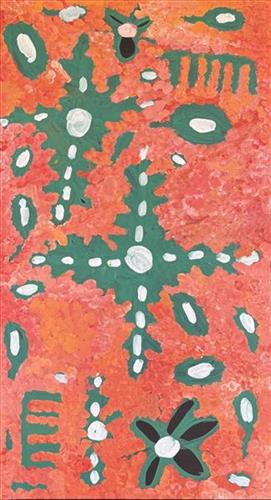
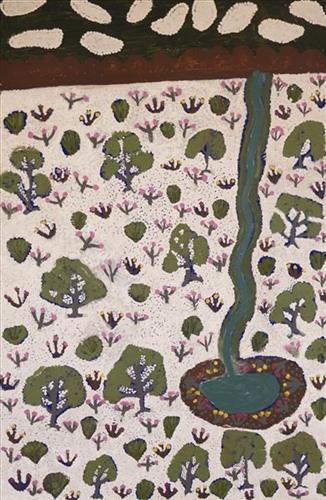
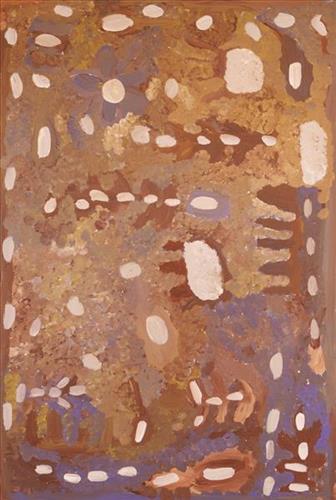
Kwetyaylp (donkeys) and nantew (horses) would come and drink from the water at Spring Creek on my father’s country. We would put a bucket in the sand we would filter the water so we could drink it.
When I was young girl we would go to Canteen Creek following the track along the hills, we would hunt turkey, emus and kangaroo and we would cut the bark and collect the sap from the sugar bag trees. `
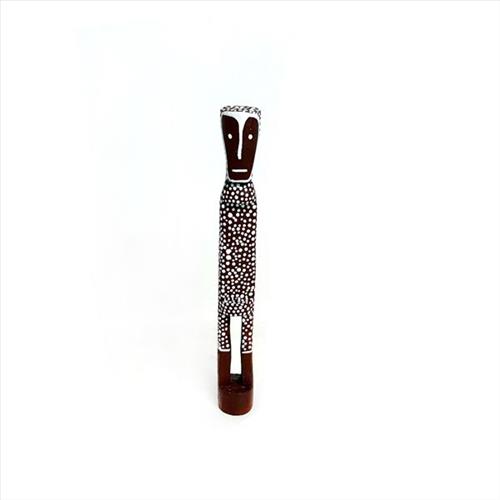
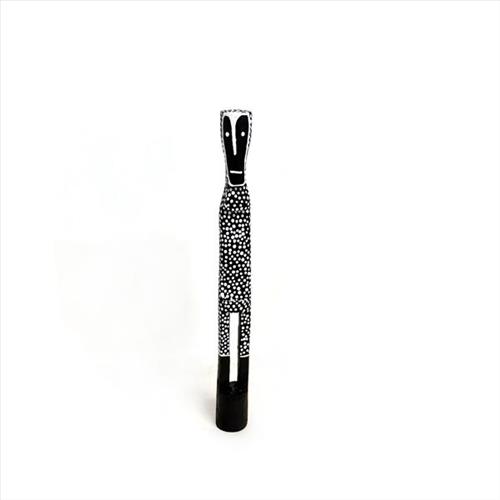
Like people, warraburnburn live in family groups. Though they cannot be seen, they can sometimes be heard calling out to one another as they move across the country to hunt. They also have the ability to communicate internally with people, warning them when strangers enter their land. Warraburnburn know the country intimately and can be both protective and dangerous. Some may mislead people, turning the land over to make it confusing and unfamiliar, while others guide people to safety.
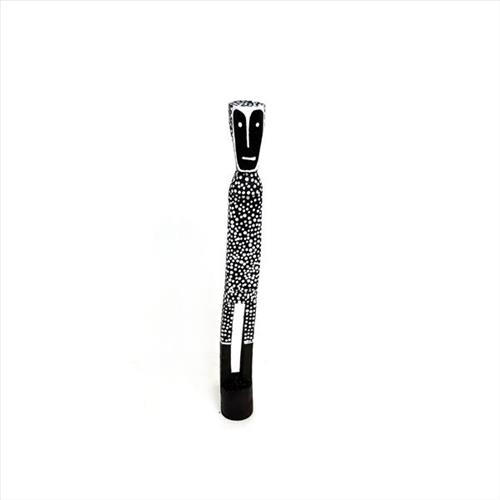
Like people, warraburnburn live in family groups. Though they cannot be seen, they can sometimes be heard calling out to one another as they move across the country to hunt. They also have the ability to communicate internally with people, warning them when strangers enter their land. Warraburnburn know the country intimately and can be both protective and dangerous. Some may mislead people, turning the land over to make it confusing and unfamiliar, while others guide people to safety.
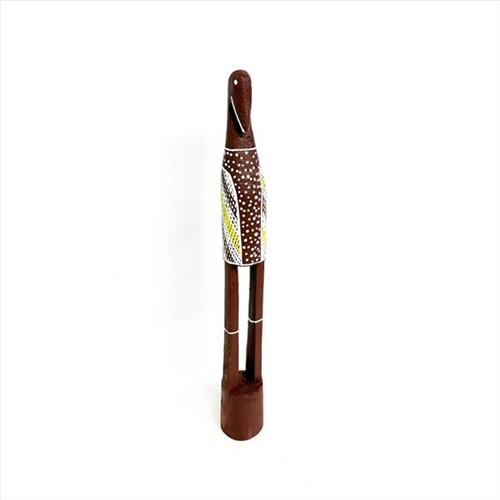
This painting represents the Gananhdharr song line. Gananhdharr (white heron) can be seen at low tide searching for goya (fish) particularly garkuyi (mullet). They hunt alongside their ŋäṉḏi (mother), Ngulungulu (grey heron), at low tide, across the flood plains and amongst larrtha (mangroves).
“When you look in the distance, when the tides out, you see Gananhdharr and Ngulungulu and think you see human beings fishing. The sun gives the illusion they are taller. That’s how we sing the song and dance.”