115682330125


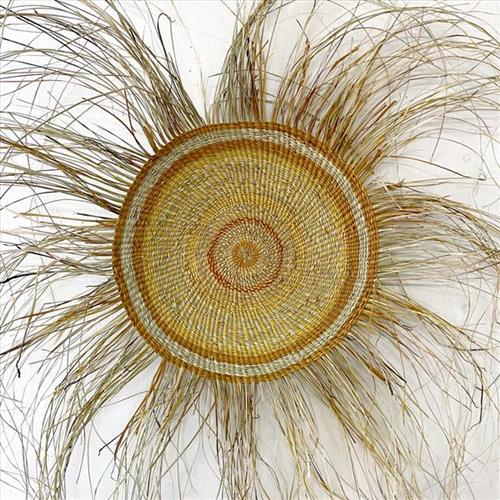
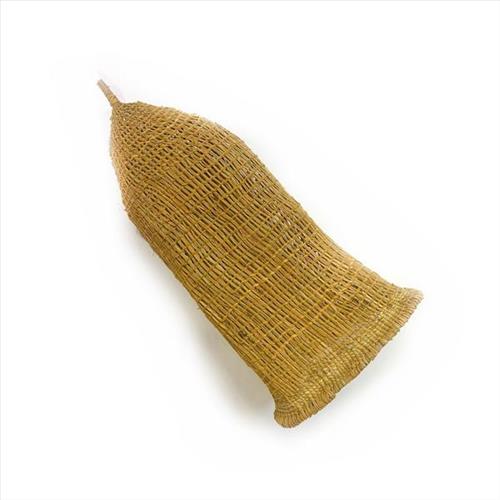
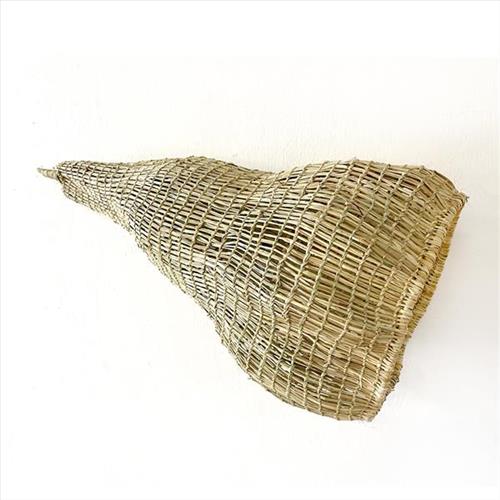
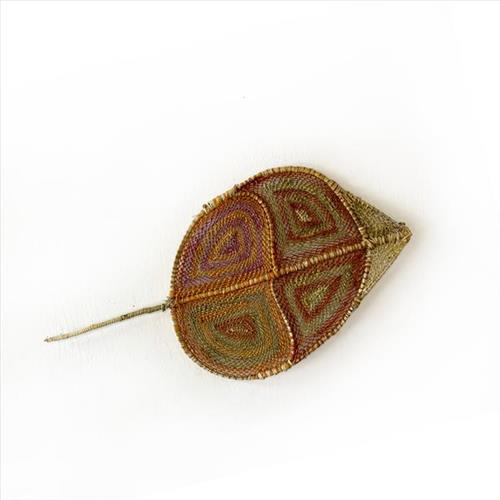
Dhawurr/batjbarra fish trap

Fish traps are placed into the river to face the oncoming fish. The woven tunnel traps the fish and prevents their escape. The traps are tapered so when they are submerged in the water, the water pressure wedges them into place. Traditionally, the fish traps are operated at night time.
115682330124


Serena’s Nawarlah (Brown River Stingray)

Aboriginal art in Ramingining, Central Arnhem Land is commonly illustrated through designs and images of animals, plants, and landscape. These motifs commonly reflect the artists ancestral inheritance and their dreamings and are referred to as totems.

For this, Serena has woven a stingray.

115682330123


Woven Mat

Traditionally, Nganiyal (conical mats) were used as an insect screen when erected, and as a sitting mat when folded. They are used in Ceremony as well as a functional item. 

Nowadays, artists weave many different shapes including flat, round and oblong. 

115682330024


Dhawurr/batjbarra fish trap

Fish traps are placed into the river to face the oncoming fish. The woven tunnel traps the fish and prevents their escape. The traps are tapered so when they are submerged in the water, the water pressure wedges them into place. Traditionally, the fish traps are operated at night time.
220182330020


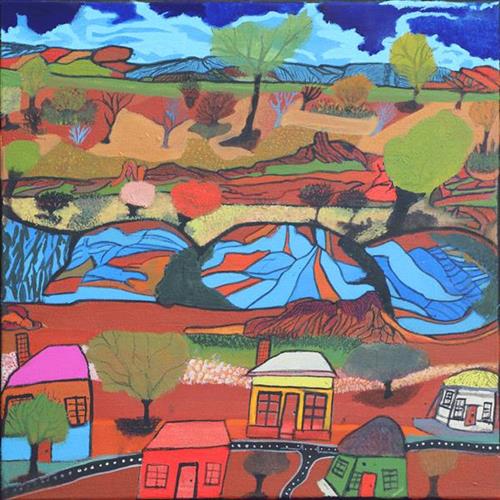
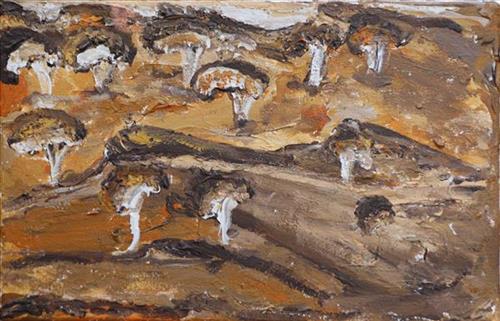
Yalpirakinu

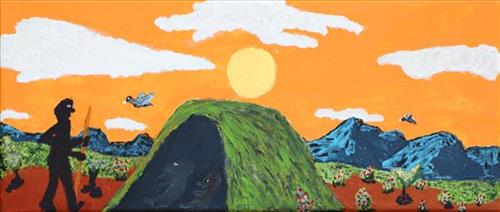
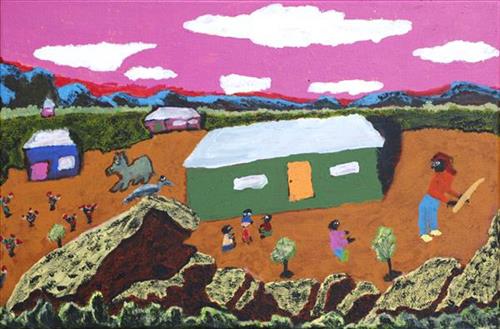
Yalpirakinu is Adrian’s mother’s country. Adrian’s mother is the late Eunice Napangardi, a well known painter herself. His artworks consistently refer to the desert mountains, ridges and trees which are part of Yalpirakinu. Using a restricted colour palette, Adrian’s  brushwork is loaded with energy, drama and memories. He is a deliberate and thoughtful painter; reworking, pushing and pulling the image to completion.

115682330015


Bathi (Pandanus Basket)

Bathi are woven from the split leaves of the Screw Palm (Pandanus Spiralis). Coil weaving was introduced to Arnhem Land in the 1930s. It was adapted from techniques used by Indigenous women throughout South East Australia.