221382401818


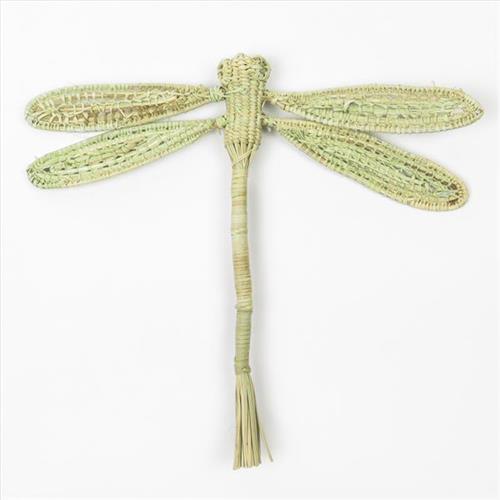
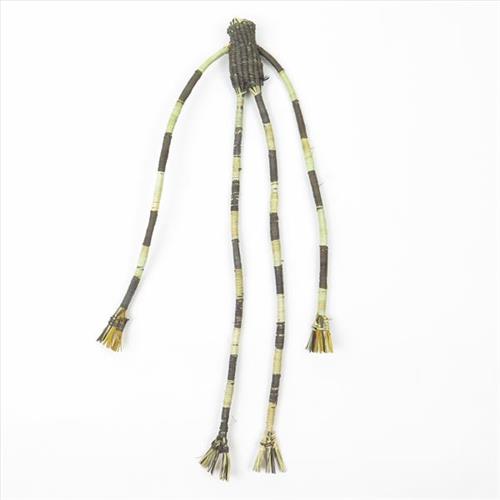
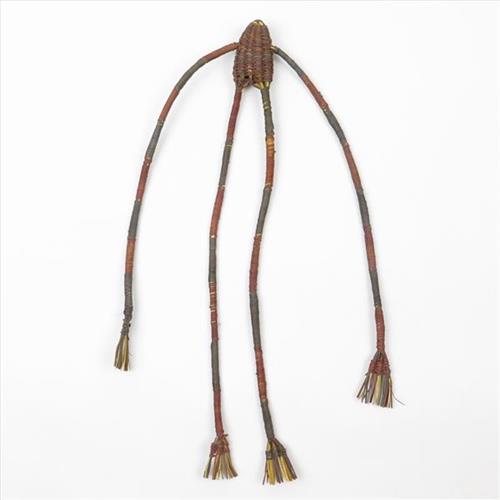
Woven Dragonfly

This finely crafted hand woven dragonfly is a cheerful reminder of the real dry season dragonflies.

Signalling in the dry season, dragonflies are ubiquitous with dry winds, cool nights and saying goodbye to the wet season! Our senior fibre artists are continuing to expand their techniques and range with dragonflies and other complex woven forms. Each are unique, hand woven and coloured using natural bush dyes.

Pandanus fibre art is labour intensive requiring a high level of care and fine needlework. Finished works are both functional and beautiful. Women collect pandanus by pulling from the top of a pandanus tree, stripping then dying the leaves using natural bush colour.

221382401817


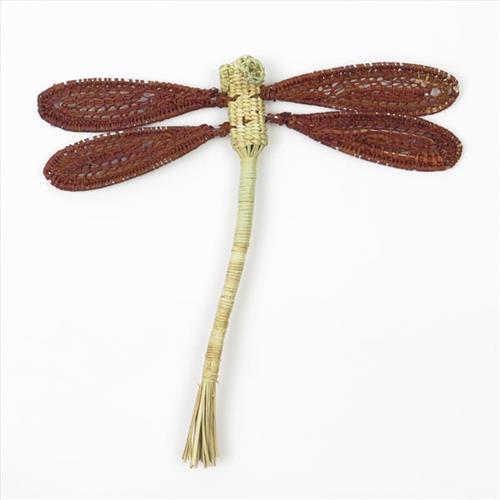
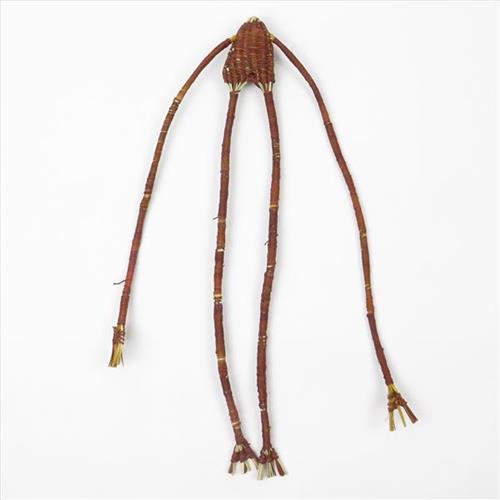
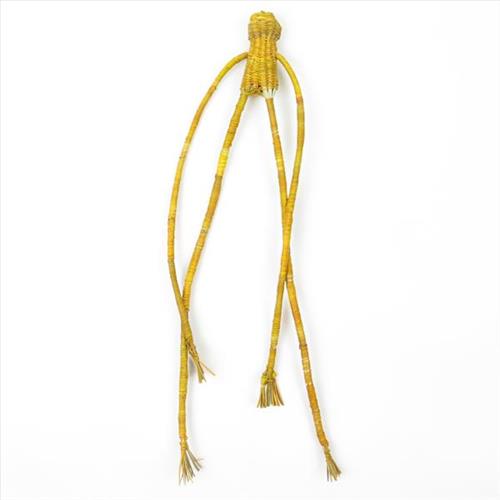
Woven Dragonfly

This finely crafted hand woven dragonfly is a cheerful reminder of the real dry season dragonflies.

Signalling in the dry season, dragonflies are ubiquitous with dry winds, cool nights and saying goodbye to the wet season! Our senior fibre artists are continuing to expand their techniques and range with dragonflies and other complex woven forms. Each are unique, hand woven and coloured using natural bush dyes.

Pandanus fibre art is labour intensive requiring a high level of care and fine needlework. Finished works are both functional and beautiful. Women collect pandanus by pulling from the top of a pandanus tree, stripping then dying the leaves using natural bush colour.

221382401815


Mukuy Spirit Figures

These finely crafted woven figures represent Mukuy Spirit creatures. The Mukuy belong in Yirritja country called Galanbirni. At night you might hear them playing the Didjeridu. The Mukuy travel around a lot and are often found in sacred places. They are mysterious, sometimes playful and sometimes cheeky characters, often referred to as Devil Devil. Mukuy figures tell the stories of country, culture and spiritual beliefs.

221382401814


Mukuy Spirit Figures

These finely crafted woven figures represent Mukuy Spirit creatures. The Mukuy belong in Yirritja country called Galanbirni. At night you might hear them playing the Didjeridu. The Mukuy travel around a lot and are often found in sacred places. They are mysterious, sometimes playful and sometimes cheeky characters, often referred to as Devil Devil. Mukuy figures tell the stories of country, culture and spiritual beliefs.

115682401812


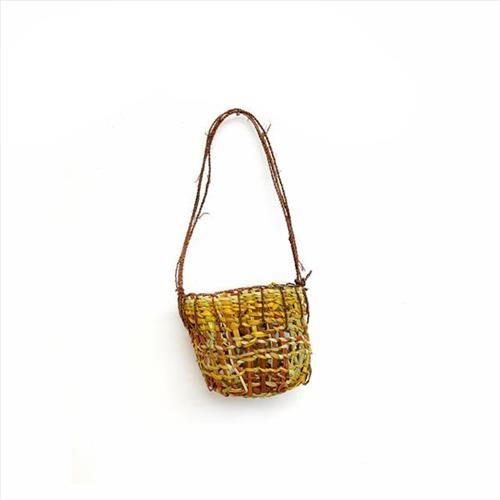
Mindirr (Pandanus Bag)

Miṉḏirr (dilly bags) are made from gunga (Pandanus spiralis), baḻgurr (kurrajong) and natural bush dyes. The body of the miṉḏirr is made from gunga, and the handles from baḻgurr. Once the gunga fronds and baḻgurr bark have been collected, they are stripped and prepared then boiled with the dyes.

Miṉḏirr were used traditionally for every day utilitarian purposes, particularly collecting bush foods such as bäḻtji (yam). Traditionally, the baḻgurr handles were worn across the forehead while the body of the miṉḏirr sat at the back, between the shoulder blades making it easily accessible when collecting ŋatha (food).

115682401811


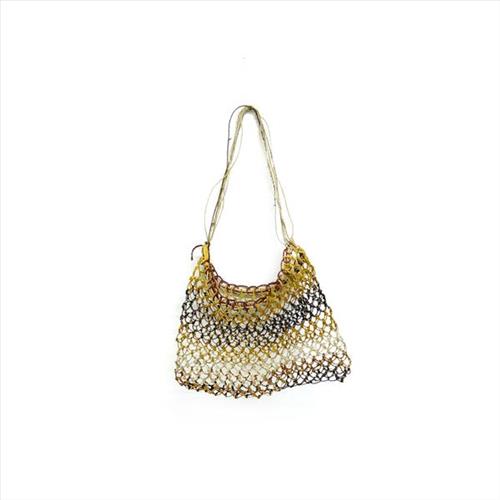
Djerrk (Bush String Bag)

Djerrk (Bush String Bag) is a flexible, open weave bag made from the bark of Balgurr (red-flowered Kurrajong) but can also be made using Banyan Tree or the Cocky Apple Tree.

The bark is harvested by cutting sections of the tree from the trunk. Depending on the size of the tree, this can involve removing small sections or the whole trunk. The inner bark is then softened by being beaten or chewed, then dyed.

Bula’bula weavers exclusively use natural dyes, derived from locally sourced roots, leaves and grasses. These pigments are extracted and infused into dried balgurr fibres by boiling over an open fire, producing the rich, vibrant colours characteristic of contemporary Yolŋu weavings.

Once dyed, the fibre is separated into fine strips the rolled on the thigh to create a rope, otherwise known as bush string. The bush string is woven and knotted to create the Djerrk (String Bag). This bag was used for every day utilitarian purposes, particularly collecting bush foods.

221382401806


Mukuy Spirit Figures

These finely crafted woven figures represent Mukuy Spirit creatures. The Mukuy belong in Yirritja country called Galanbirni. At night you might hear them playing the Didjeridu. The Mukuy travel around a lot and are often found in sacred places. They are mysterious, sometimes playful and sometimes cheeky characters, often referred to as Devil Devil. Mukuy figures tell the stories of country, culture and spiritual beliefs.

221382401805


Mukuy Spirit Figures

These finely crafted woven figures represent Mukuy Spirit creatures. The Mukuy belong in Yirritja country called Galanbirni. At night you might hear them playing the Didjeridu. The Mukuy travel around a lot and are often found in sacred places. They are mysterious, sometimes playful and sometimes cheeky characters, often referred to as Devil Devil. Mukuy figures tell the stories of country, culture and spiritual beliefs.

377810582401760


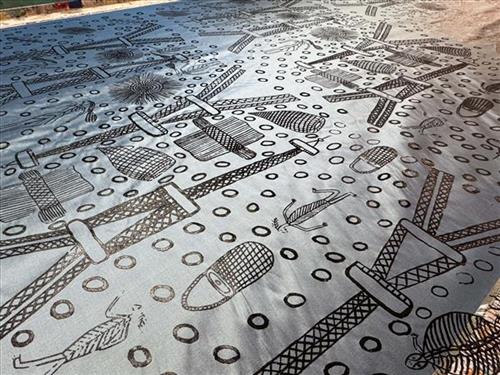
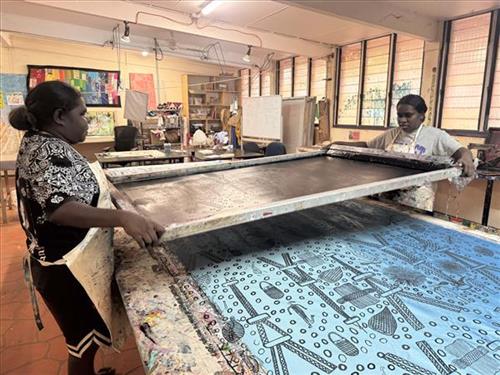
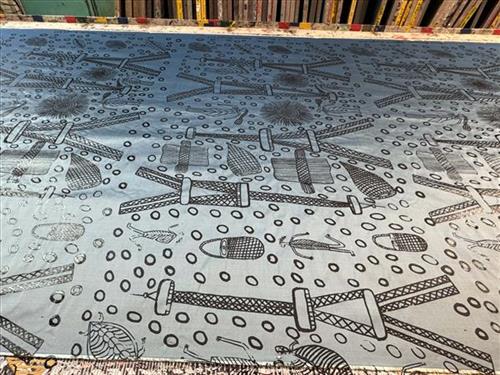
Eiffel tower and the Maladj spirit

“I want to tell you about my design, that Eiffel tower one.

This year it was my first time going to Paris. I didn’t know that place, nothing. We travelled around the world to get there, we flew underneath the world in an aeroplane.

Paris was a big, crowded city. They speak a different language there, just like here in Maningrida with all our different languages.

The Bábbarra artists and Ingrid, we were all walking around, like tourists. We went on the boat in the Paris river. There was a film crew taking videos of us. We saw so many beautiful buildings covered with black string (iron balconies) and big statues. We’d never seen things like that before.

I remember when we got off that boat and I looked up and saw that tower. When I first looked up at that tower, it made me happy- it’s so long up into the sky. We walked towards it. I was standing there watching that tower and thinking, ‘wow, first time for me seeing a tower like that’.

Then I was thinking, and I said to myself, when I go back to my own country, I’m going to paint that tower.

We came to Maningrida, I started to draw. I drew that tower from France, but also I drew maladj (stone country orphan spirit), women’s sacred woven mat, fish traps and rolk (insects). I also put round kunngol (clouds) in the design, those circles. That maladj spirit, it’s standing there next to the Eiffel tower, looking at the dancing lights at night. The tower is from Paris, but everything else in my design I took from my mother’s country and my father’s country.

Maybe one day I’ll travel back to France, and take my design with me to show them, all the French mob.” Janet Marawarr