Status: Stock
22514008118
Status: Stock
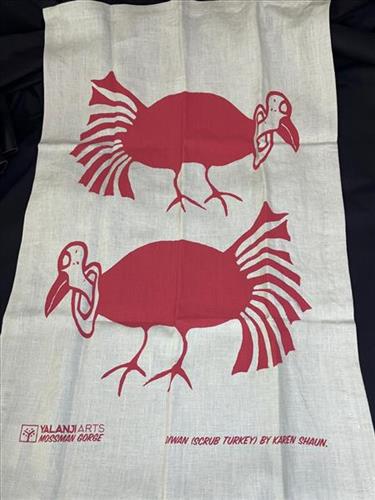
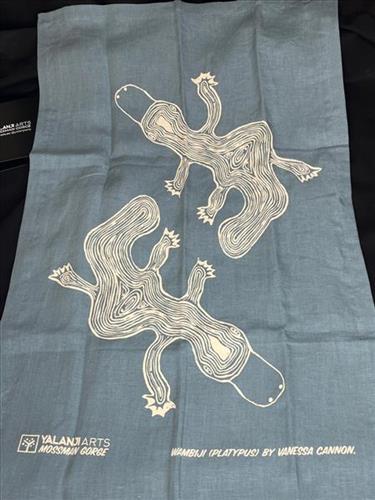
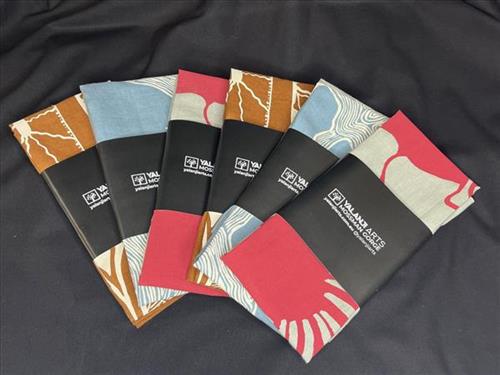
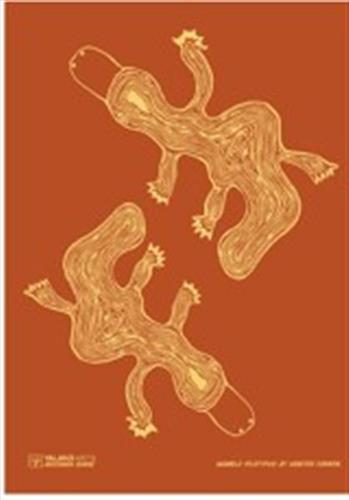
Tea Towel Wambiji (Platypus) by Vanessa Cannon.
Platypus are very shy. They like to hide under rocks and can rarely be seen when people are around. When I was 17 years old, I used to go for a swim with my partner, Laurence, in the Mossman River, at a site called Jabuljabul (Girls/Women). Some mornings, a platypus was coming out of his hiding place, searching for food. He swam around. When he heard us, he swam back to his hiding place until we were gone.
22514008117
Status: Stock
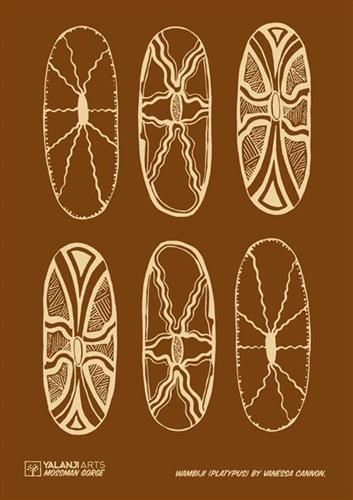
Tea Towel ‘Kunjuri (Rainforest Shield)’ by Gregory Salt.
Traditional shields were carved from a single piece of timber cut from side of the buttress root of a rainforest fig-tree. The kidney shaped shields are unique to the rainforest Bama of Far North Queensland. They were decorated with clan, totem or moiety designs using natural ochres and a water, fat or blood binder.
Shields were primarily used for deflecting spears in tribal fighting in conjunction with large rainforest swords.
Shields were usually made and painted by senior men and were a significant personal possession of adult males.
22514002241
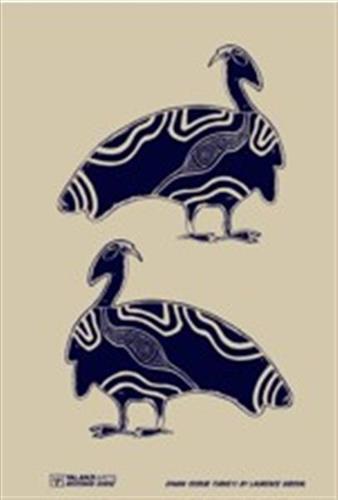
Status: Stock
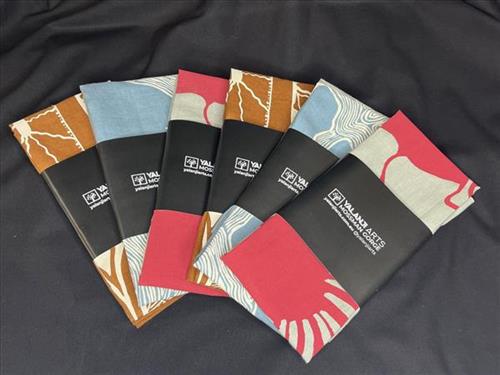
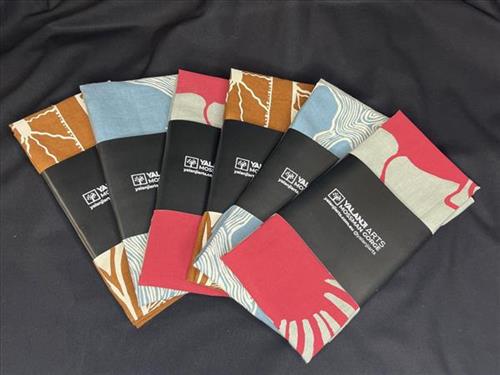
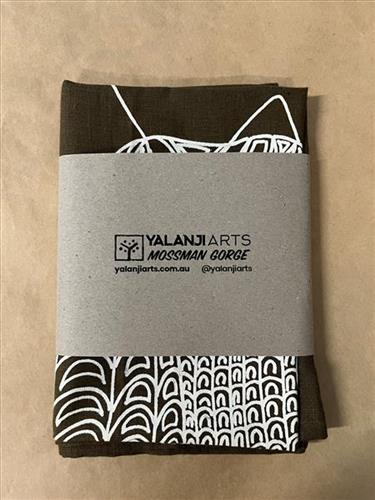
Linen Tea Towels

37781063998948
Status: Stock
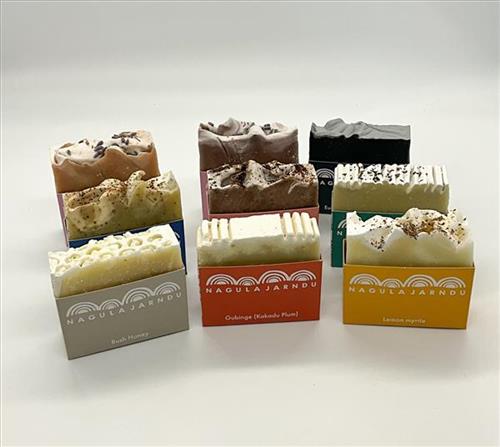
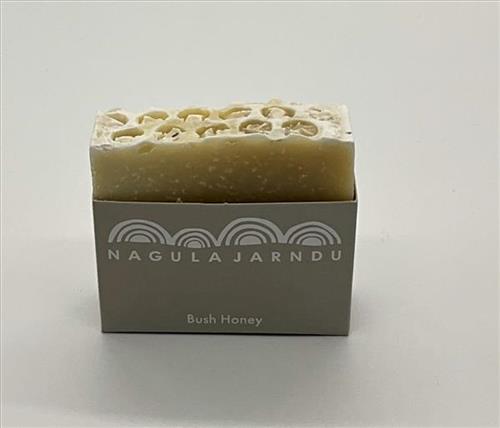
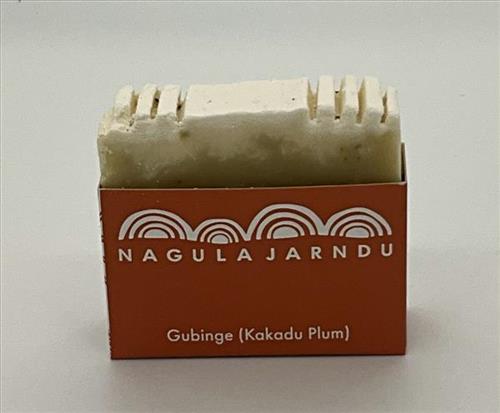
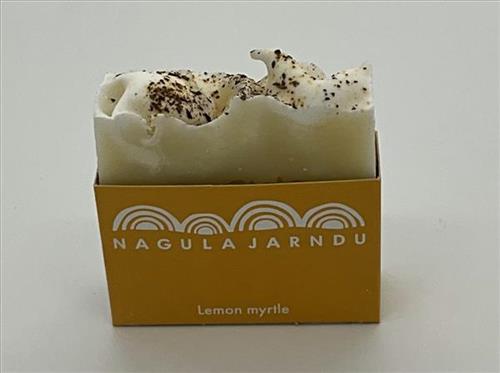
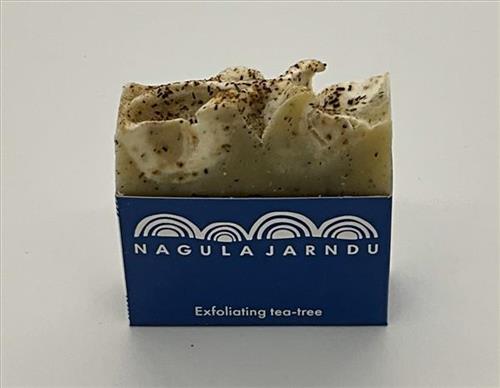
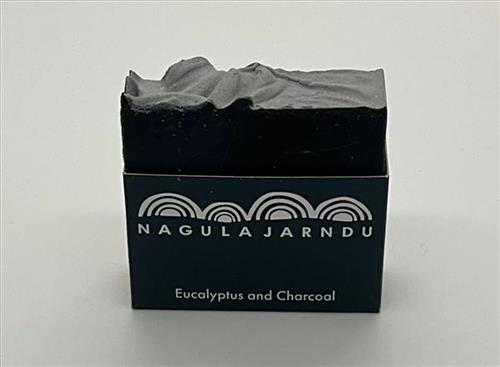
All Natural Soap
Small batch soap, handmade and poured in Broome, WA with natural ingredients
Ingredients: Saponified olive oil, coconut oil, essential oils and/or: clays, local bush honey, activated charcoal, dried herbs or flowers.
Available flavours:
Eucalyptus & Activated Charcoal (Artwork: Walara-Gumnuts by Marie Manado)
Exfoliating Tea-Tree (Artwork: Yorga by Connie Clinch)
Gubinge Kakadu Plum (Artwork: Songlines by Dena Gower)
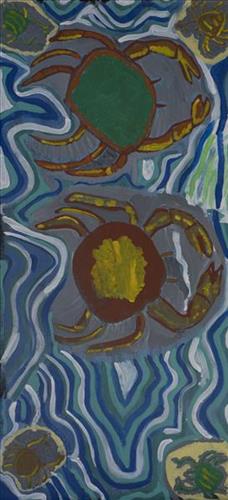
Bush Honey (Artwork: Crab Creek by Martha Lee)
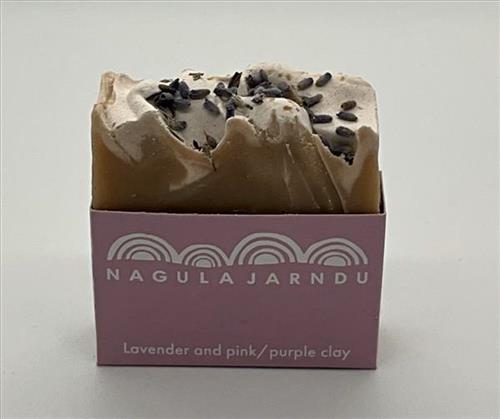
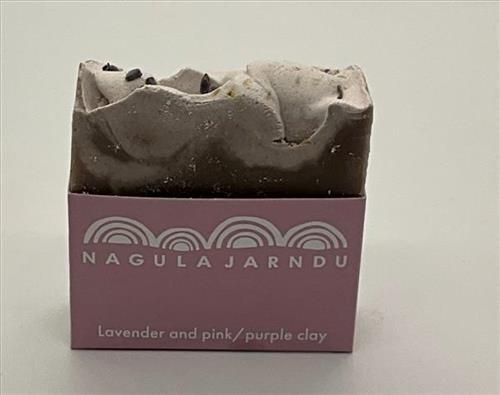
Lavender & Pink/Purple Clay (Artwork: Tartaku-Bush Coconut by Susan Mangana Chiguna)
Lemon Myrtle (Artwork: Gaanj-shells by Cecilia Tigan
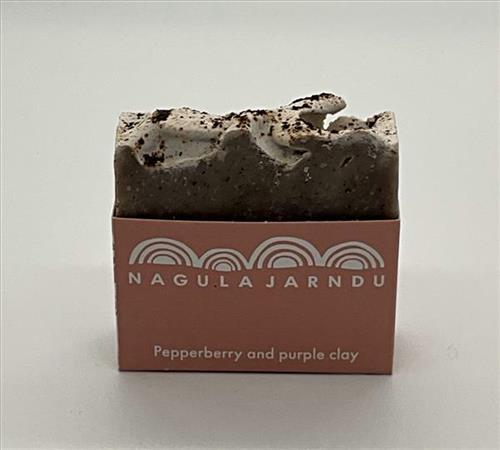
Native Pepper Berry & Purple Clay (Artwork: Jigal leaf and helicopter seed by Cecilia Djiagween)
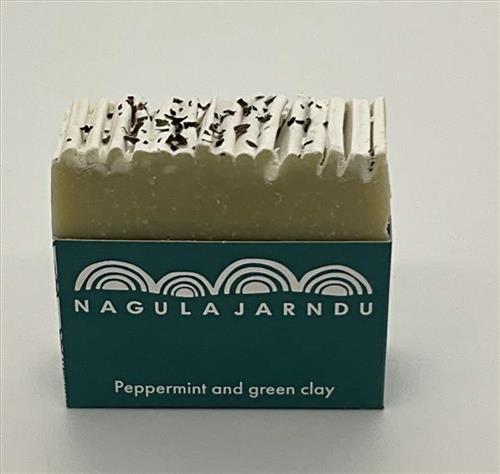
Peppermint & Green Clay (Artwork: Jila by Rowena Morgan)
377815582366104
Untitled
This artwork showcases the artist’s skillful use of colour, texture, and technique, reflecting a deep connection to their environment and culture. Each detail embodies the unique identity of Bidyadanga Artists, where the original five language groups—Nyangumarta, Mangala, Yulparija, Juwaliny, and Karrajarri—come together to create art that speaks to the heart of Country. Over time, the community and Art Centre has grown to include people from other Kimberley tribes, fostering a space where diverse cultural knowledge and practices come together. Situated where the desert meets the sea, artists draw inspiration from their ancestral Country and personal journeys. The artist captures the vibrant beauty of both desert and coastal landscapes, blending earthy reds, deep blues, and intricate patterns distinctive to their cultural heritage. The themes and composition invite viewers into the artist’s world, offering a glimpse of the rich, intertwined histories and the enduring connection to land and spirit that define the Bidyadanga community.
377815582366103
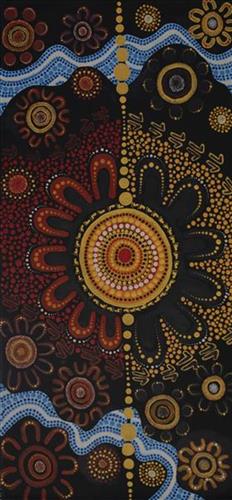
Untitled
This artwork showcases the artist’s skillful use of colour, texture, and technique, reflecting a deep connection to their environment and culture. Each detail embodies the unique identity of Bidyadanga Artists, where the original five language groups—Nyangumarta, Mangala, Yulparija, Juwaliny, and Karrajarri—come together to create art that speaks to the heart of Country. Over time, the community and Art Centre has grown to include people from other Kimberley tribes, fostering a space where diverse cultural knowledge and practices come together. Situated where the desert meets the sea, artists draw inspiration from their ancestral Country and personal journeys. The artist captures the vibrant beauty of both desert and coastal landscapes, blending earthy reds, deep blues, and intricate patterns distinctive to their cultural heritage. The themes and composition invite viewers into the artist’s world, offering a glimpse of the rich, intertwined histories and the enduring connection to land and spirit that define the Bidyadanga community.

377815582366102
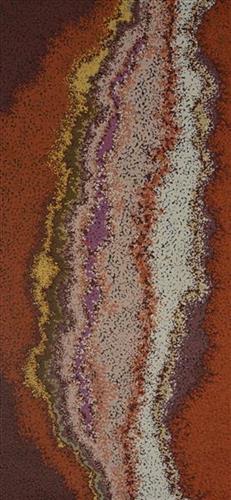
Ngangumarta Warran (Country)
“Nyangumarta Country home to the Nyangumarta people from the Desert to the sea side. Old people lived and walked on this land, we as Nyangumarta still look after the land today, we still go out on Country hunt and keep our way of life living of the traditional food from the land.
Nyangumarta people travelled and lived in the desert and the seaside. This painting is a story from the Nyangumarta dreaming where once a woman who walked with her child along this country collecting sea food “Mayi”. They were both on the reef and suddenly the tide came and drowned them, so now today there’s two rocks which remain out by the sea.
Because we carry the culture and most people tell stories with their painting, and that’s how it was from the beginning. Passing knowledge down. They might not see it now, but in the future, younger people might want to follow in their Elders’ footsteps. And carry on the skills and lifestyles. It can be anything—painting, hunting, becoming leaders.”
– Venetta Yanawana
377815582366101
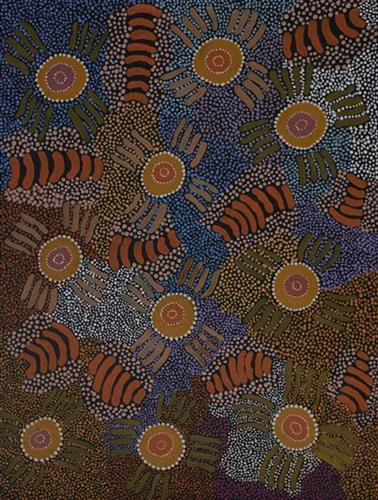
Spinifex
This painting is about the red desert sand in The Great Sandy Desert and the hills. I love the colours of the desert.
This painting shows the Artists Grandfathers country where they used to walk around in circles searching for bush tucker and water from the waterholes. When our ancestors came out from the Canning Stock route, they used to see big mob of sand dunes and flowers.
377815582366100
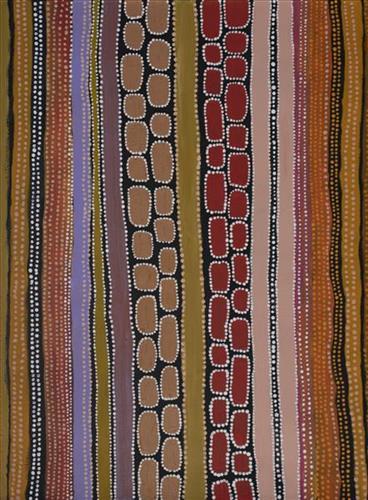
Red Sands, hills and mud flats
This painting is about the red desert sand in The Great Sandy Desert the hills and the mudflats. I love the colours of the desert.
This painting shows the Artists Grandfathers country where they used to walk around in circles searching for bush tucker and water from the waterholes. When our ancestors came out from the Canning Stock route, they used to see big mob of sand dunes and flowers.