221282366956


Tjukurpa Kunpu (Strong Story)

Before ration times, our life was from Tjukurpa. We ate all the mai putitja (bush foods) and we were happy. Later, petrol came, marijuana came and there was no work. People left their Country, they are going everywhere and they are lost. The Government tries to take our lives, our Manta (Country) and our Tjukurpa. They can’t. This is our place and we have lots of Tjukurpa and our Country and our story is really big. They can’t take it away. We Anangu are strong for our Country and Tjukurpa.


Our Land has been here for a long time, our grandmothers and grandfathers taught us, their grandmothers and grandfathers taught them, not just here, but all over.

This is all still here and it is still strong.

I don’t want to lose my story, I will not lose the Tjukurpa given to me.
221282366955


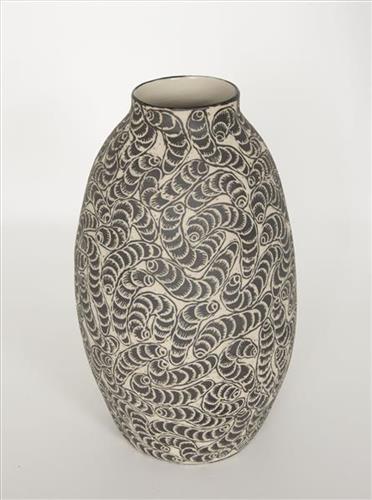
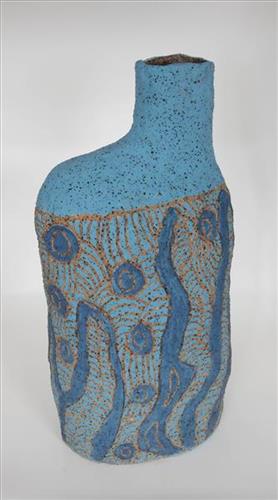
Maku (Witchetty Grub) Derek’s Story

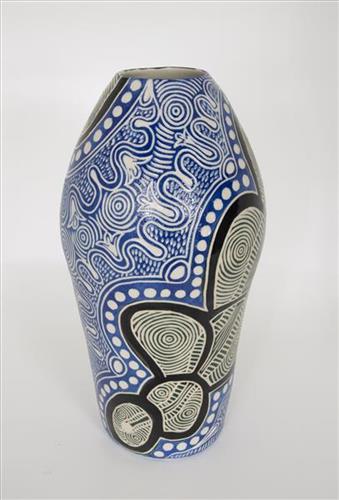
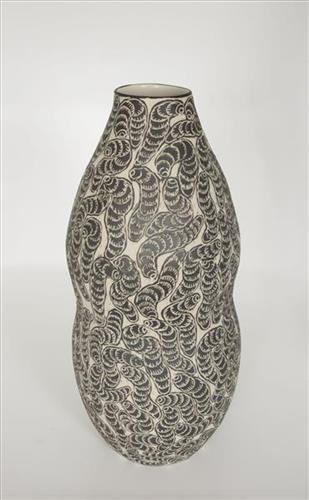
This is a tjukurpa (story) from near Mimili on the Aṉangu Pitjantjatjara Yankunytjatjara (APY) Lands from when Aṉangu (people) came here a long time ago. When the maku (witchetty grub) was finished, people sang the maku to make them come back. They sang and danced and scattered leaves to make the maku come out of the ground. This is Derek’s grandmother’s story. She used to dance to these songs when she lived in Mimili and she’s now buried there.

Derek’s cousin says: ‘So when they dance to that maku song, that song develops all the bush food – maku under the ground to grow more bigger and to have more maku in the roots. So when the ladies dig it they can see it really close in the roots as well. They can be like five of them but they have to be really, really big’.

Until relatively recently bush foods were the primary source of sustenance for Aṉangu and maku is still one of the favourites. Many bush foods are still gathered regularly almost exclusively by women, and they feature strongly in artistic mark making. Women learn the art of gathering each of the foods from a young age and much inma (ceremony) relates to these practices and the maintenance of supply.

221282366954


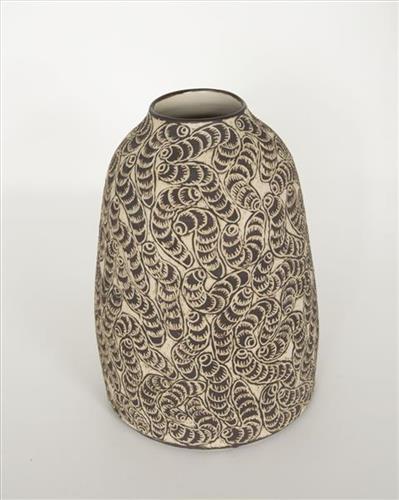
Maku (Witchetty Grub) Derek’s Story

This is a tjukurpa (story) from near Mimili on the Aṉangu Pitjantjatjara Yankunytjatjara (APY) Lands from when Aṉangu (people) came here a long time ago. When the maku (witchetty grub) was finished, people sang the maku to make them come back. They sang and danced and scattered leaves to make the maku come out of the ground. This is Derek’s grandmother’s story. She used to dance to these songs when she lived in Mimili and she’s now buried there.

Derek’s cousin says: ‘So when they dance to that maku song, that song develops all the bush food – maku under the ground to grow more bigger and to have more maku in the roots. So when the ladies dig it they can see it really close in the roots as well. They can be like five of them but they have to be really, really big’.

Until relatively recently bush foods were the primary source of sustenance for Aṉangu and maku is still one of the favourites. Many bush foods are still gathered regularly almost exclusively by women, and they feature strongly in artistic mark making. Women learn the art of gathering each of the foods from a young age and much inma (ceremony) relates to these practices and the maintenance of supply.

221282366953


Ngintaka Kutjara

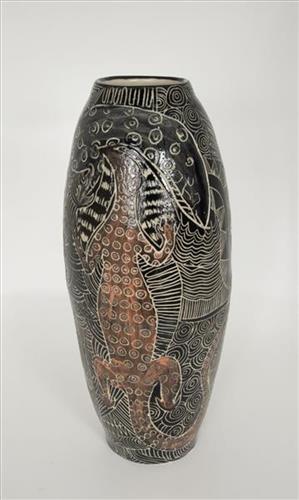
Lizard Man and his friend – Wati Ngintaka and Wati Mulumaru first live in separate places. One day they approach one another. Wati Ngintaka walks up to Wati Mulumaru and says, “I’m Lizard Man. Who are you?” The other man responds, “I’m Wati Mulumaru.” They make camp together and become friends. (Mulumaru are monitor lizards and Ngintaka are large goannas).

221282366952


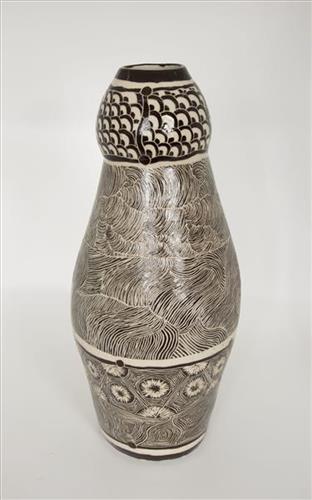
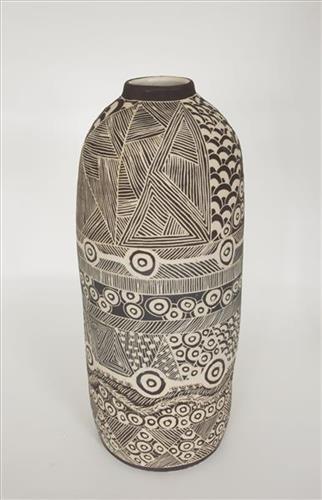
Ngayuku Walka / My Design

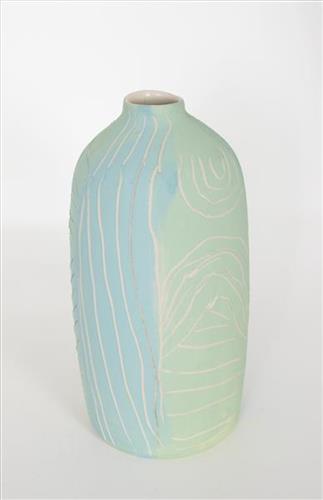
Walka means design or pattern. Artists use this title to describe artworks that are pattern based rather than descriptive or telling a story.

221282366951


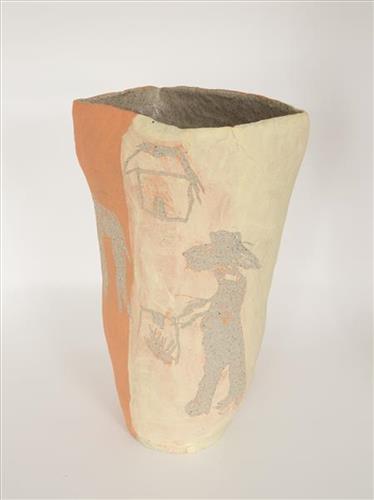
Pulukangka (Stockman)

Mr Jack was a stockman. He likes to tell stories about his time as a stockman on nearby cattle stations and as a young fella working on the sheep station at the Ernabella Mission. Mr Jack says about those days ‘good memories! good times! a time staying strong in my heart’. His artwork pays tribute to the stockmen sitting around a campfire drinking a kapati (cup of tea) and telling stories like Mr Kulyuru’s time at the rodeo in Alice Springs or Mr Ingkatji on his horse and cart. 

221282366950


Ngayuku Walka / My Design

Walka means design or pattern. Artists use this title to describe artworks that are pattern based rather than descriptive or telling a story.

221282366949


Ngayuku Walka / My Design

Walka means design or pattern. Artists use this title to describe artworks that are pattern based rather than descriptive or telling a story.

221282366948


Kungkarangkalpa / Seven Sisters

Kungkarangkalpa means the Seven Sisters. This is an extensive creation story that relates to the Pleiades constellation in the southern hemisphere. The story traverses Australia taking on different forms, however local women are privy to the part of the story which takes place in the country near Ernabella. For this part of the story, the man called Nyiru is chasing the sisters as he wants to sleep with the oldest sister. All the younger sisters are deeply afraid of him. As Nyiru is chasing the sisters, he tries to catch them by using magic to turn himself into the most tempting bush tomatoes for the sisters to eat and the most beautiful ili (fig) tree for the sisters to camp under. However, the sisters are aware of his magic and go hungry and run through the night rather than be caught by Nyiru. Eventually, to escape Nyiru, the sisters fly into the sky where they turn into stars and form the constellation.

221282366947


Maku (Witchetty Grub) Derek’s Story

This is a tjukurpa (story) from near Mimili on the Aṉangu Pitjantjatjara Yankunytjatjara (APY) Lands from when Aṉangu (people) came here a long time ago. When the maku (witchetty grub) was finished, people sang the maku to make them come back. They sang and danced and scattered leaves to make the maku come out of the ground. This is Derek’s grandmother’s story. She used to dance to these songs when she lived in Mimili and she’s now buried there.

Derek’s cousin says: ‘So when they dance to that maku song, that song develops all the bush food – maku under the ground to grow more bigger and to have more maku in the roots. So when the ladies dig it they can see it really close in the roots as well. They can be like five of them but they have to be really, really big’.

Until relatively recently bush foods were the primary source of sustenance for Aṉangu and maku is still one of the favourites. Many bush foods are still gathered regularly almost exclusively by women, and they feature strongly in artistic mark making. Women learn the art of gathering each of the foods from a young age and much inma (ceremony) relates to these practices and the maintenance of supply.