221282363955


Jeffrey’s Birds

Jeffrey paints his favourite birds that live in the country around Ernabella. These include the kuparu (magpie), partilpa (Port Lincoln ringed neck parrot), kayarkiyarpa (galah), tjintir-tjintirpa (willy wag-tail), piil-piilpa (yellow throated minor) and kuurkuurpa (owls).


.
221282363954


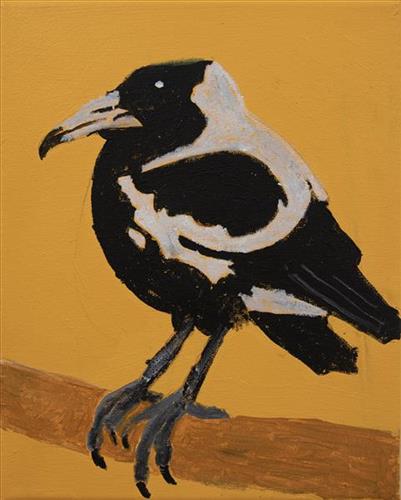
Jeffrey’s Birds

Jeffrey paints his favourite birds that live in the country around Ernabella. These include the kuparu (magpie), partilpa (Port Lincoln ringed neck parrot), kayarkiyarpa (galah), tjintir-tjintirpa (willy wag-tail), piil-piilpa (yellow throated minor) and kuurkuurpa (owls).


.
221282363953


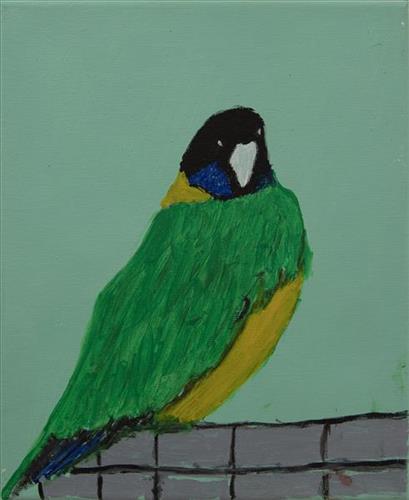
Jeffrey’s Birds

Jeffrey paints his favourite birds that live in the country around Ernabella. These include the kuparu (magpie), partilpa (Port Lincoln ringed neck parrot), kayarkiyarpa (galah), tjintir-tjintirpa (willy wag-tail), piil-piilpa (yellow throated minor) and kuurkuurpa (owls).


.
221282363950


Kalaya Tjukurpa – Emu Dreaming

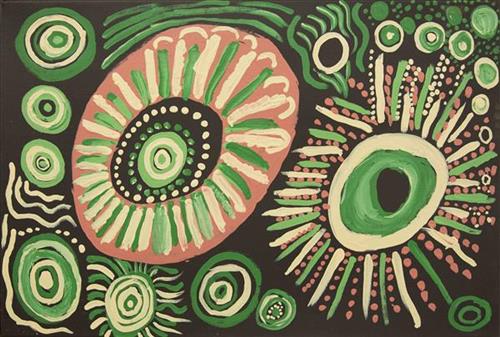
This is Malpiya’s mother’s country near Kanpi on the APY Lands. Malpiya’s mother was born here at one of the waterholes. The kalaya (emu) is the creation being that formed this land. Malpiya’s design is a depiction of the kalaya walking around looking for mai (food) and water in the rockholes.

221282363947


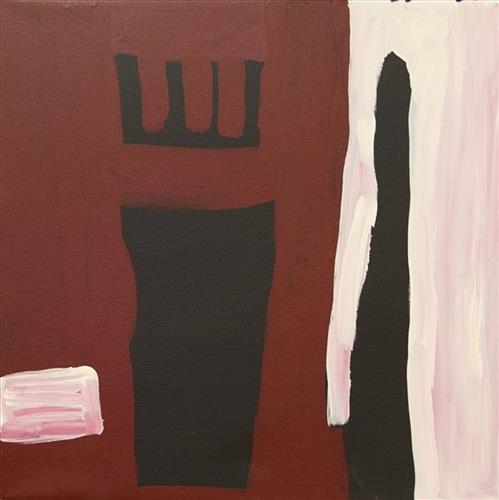
Margaret’s Father’s Country

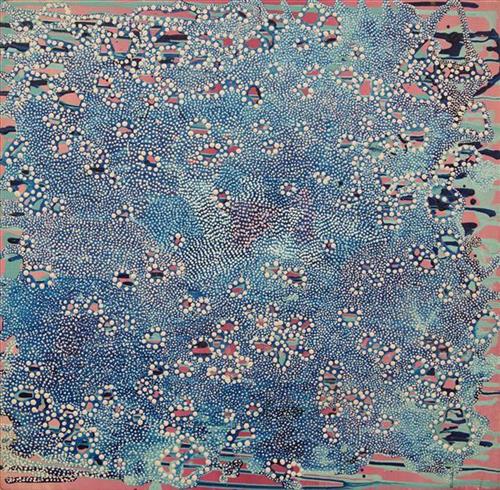
My father’s place is Mt. Liebe, sandhill country.  The Wanapi rests there under the surface of the creek.  When we go to visit that country, the Wanapi stirs underneath the ground and bubbles rise up in the water.  He is there to protect that place.  We speak to that Wanapi in our language and he knows then that it is us. It’s okay for us to be there and the bubbles settle back down.  Close to this creek is where the Arkaryi women are sitting.  This is an important women’s site.  I can’t speak too much about that, as it would be dangerous to disturb those women.

221282363940


Tjakura Tjukurpa – Lexie’s Story

This Tjukurpa is from Lexie’s grandfather’s homeland called Kunytjanu, located just south of Pipalyatjara near the SA border with WA. It’s a story about tjakura, the great desert skink, a small orange lizard found across the APY Lands. 

 Tjakura has a lot of grandchildren looking after him. One day, a long time ago, he saw too many strangers, an army coming from Mutitjulu. They came and found the tjakura and they killed him. All the kids made a cemetery there for the tjakura. This is a really big story that goes from Kunytjanu to Aralya.

221282363939


Piltati

There were two sisters who married two brothers and they all lived together. One day the women went wandering and they went such a long way that they forgot about their husbands. Back at the camp, the two husbands were thinking, ‘Where are our wives?’ and they decided to go looking for them. One brother said to the other, ‘What should we become to go looking for them?’ and the other brother said ‘Why don’t we become Rainbow Serpents?’ And they travelled in the sky looking down for their wives. Finally they see them hunting for carpet snakes and they put something in the hole where the women were digging. The women find it and then dig another hole and once again the men have put something in there. And this is how the men lure the women back to Piltati where the men make the sisters transform into Wanampi, swallow them and keep .them in their throats. All four of them live together in the waterhole and still live there today.

221282363937


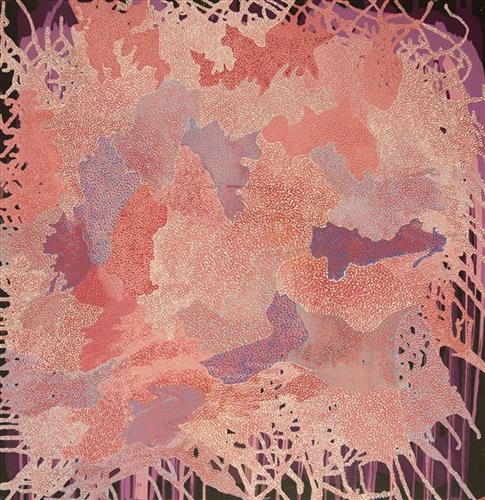
Tjukula/Waterholes

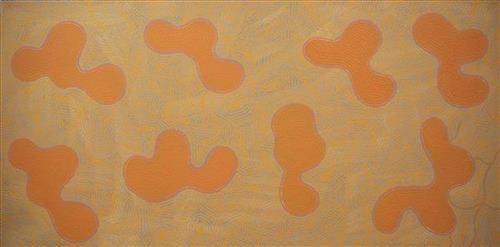
For the Pitjantjatjara people living in the desert, knowledge of their water sources was critical to their survival. This resulted in an intimate understanding of the landscape which continues today. Water is an essential element in the desert. These rock holes were particularly important during the dry season when most of the water holes and creeks dried up.  Deep familiarity with the topography of their country and the way rain would interact with the land ensured constant sources of water could be found. Knowledge of rock hole sites is passed on from generation to generation and revered by all Anangu (people).

Tjukula means rock-holes, which are found with surprising frequency in the Musgrave Ranges and country around Ernabella.  Between visits, Anangu would use a construction of rocks and spinifex to guard these important water sources from spoilage by feral and stock animals such as cattle, camels, horses and donkeys.