220982364889


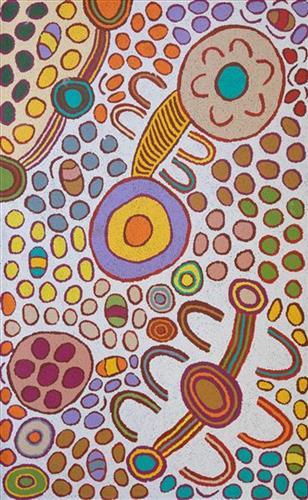
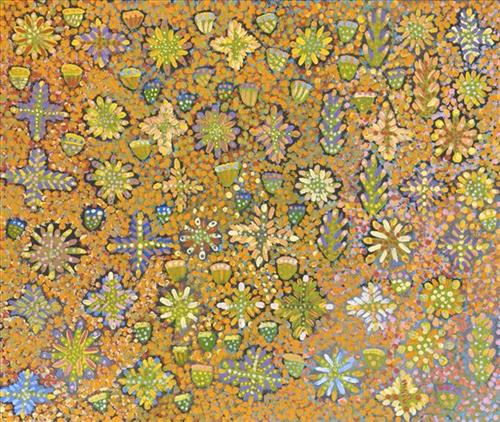
Daisy Kemarre Turner – Irrultja, My Country

I was born in Irrultja and I grew up with my mother, father and sister. My mother was the strong painter Rosie Ngwarraye Ross, and my grandmother Biddy Kemarre was a member of the Utopian Batik movement. My sister Margaret Kemarre Ross and my daughters, Rosemary, Desma and Danielle Ngwarraye Turner are all strong artists who paint and live in Ampilatwatja. We all paint the bright and beautiful wild flowers that grow here.

Irrultja is hill country and my mother and father took me hunting, we hunted kangaroo and goanna and cooked them in the fire in the shade of trees. We collected bush tucker and strong bush medicine – Arreth. We loved collecting the small delicious bush tomato and bush medicines to wash our hair and soothe our skin. I loved swimming and playing with my sister as a child.
115682364715


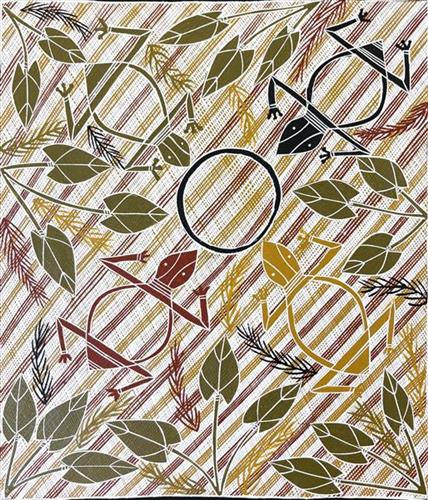
Bak ‘bididi (frogs)

This painting depicts Bak’ bididi (frogs) sitting around a billabong. The Arafura wetlands across East Arnhem Land are filled with billabongs during the wet season, providing the perfect living conditions for bak’ bididi. Their calls you can hear far and wide during the day and night. 


115682364711


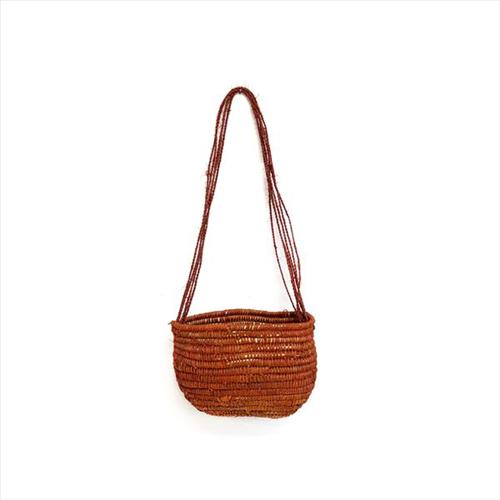
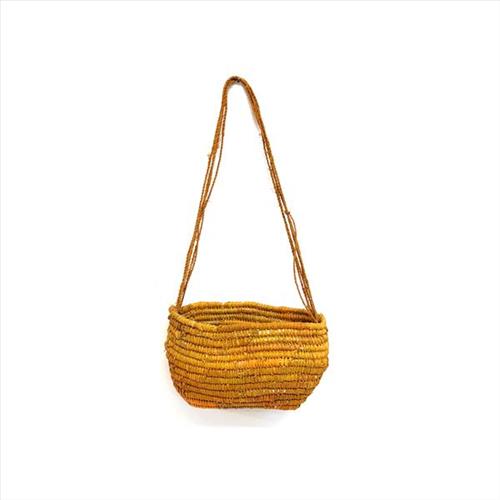
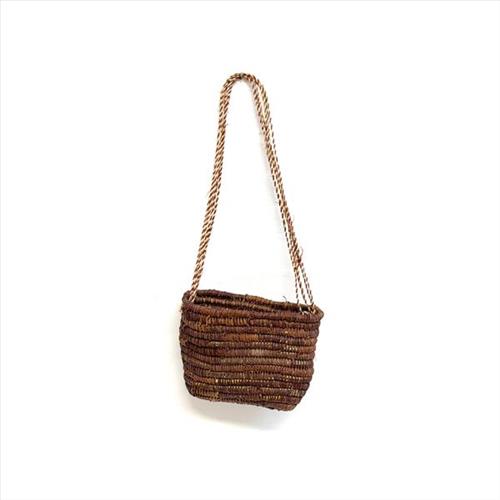
Bathi (Pandanus Basket)

Yolŋu weavers of Arnhem Land create utilitarian, ceremonial, and decorative pieces using naturally sourced materials. This Bathi (Pandanus Basket) is made from young Pandanus spiralis leaves, harvested with a wooden hook, stripped of prickles, and dried to create strong, resilient fibres. These fibres are then twisted, coiled, or woven using various techniques to produce both functional and decorative baskets.

Typically, Bathi are made using a coiling technique which was adapted from techniques used by Indigenous women throughout Southeast Australia. Introduced to Arnhem Land weavers in the 1930’s as Missionaries began commissioning pieces in this style.

Bula’bula weavers exclusively use natural dyes, derived from locally sourced roots, leaves and grasses. These pigments are extracted and infused into pandanus fibres by boiling over an open fire, producing the rich, vibrant colours characteristic of contemporary Yolŋu weavings.

115682364710


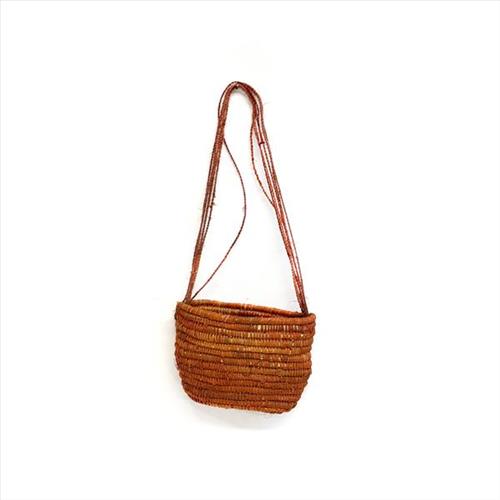
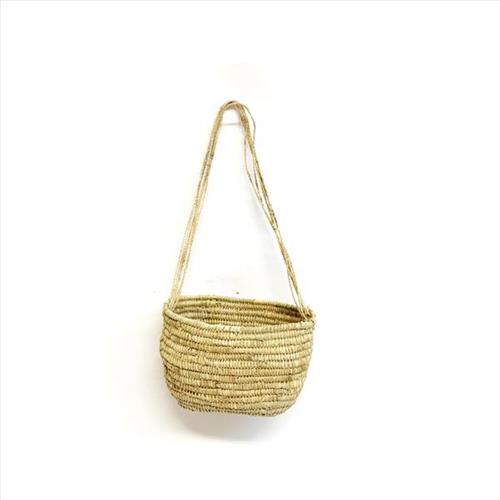
Bathi (Pandanus Basket)

Yolŋu weavers of Arnhem Land create utilitarian, ceremonial, and decorative pieces using naturally sourced materials. This Bathi (Pandanus Basket) is made from young Pandanus spiralis leaves, harvested with a wooden hook, stripped of prickles, and dried to create strong, resilient fibres. These fibres are then twisted, coiled, or woven using various techniques to produce both functional and decorative baskets.

Typically, Bathi are made using a coiling technique which was adapted from techniques used by Indigenous women throughout Southeast Australia. Introduced to Arnhem Land weavers in the 1930’s as Missionaries began commissioning pieces in this style.

Bula’bula weavers exclusively use natural dyes, derived from locally sourced roots, leaves and grasses. These pigments are extracted and infused into pandanus fibres by boiling over an open fire, producing the rich, vibrant colours characteristic of contemporary Yolŋu weavings.

115682364709


Bathi (Pandanus Basket)

Yolŋu weavers of Arnhem Land create utilitarian, ceremonial, and decorative pieces using naturally sourced materials. This Bathi (Pandanus Basket) is made from young Pandanus spiralis leaves, harvested with a wooden hook, stripped of prickles, and dried to create strong, resilient fibres. These fibres are then twisted, coiled, or woven using various techniques to produce both functional and decorative baskets.

Typically, Bathi are made using a coiling technique which was adapted from techniques used by Indigenous women throughout Southeast Australia. Introduced to Arnhem Land weavers in the 1930’s as Missionaries began commissioning pieces in this style.

Bula’bula weavers exclusively use natural dyes, derived from locally sourced roots, leaves and grasses. These pigments are extracted and infused into pandanus fibres by boiling over an open fire, producing the rich, vibrant colours characteristic of contemporary Yolŋu weavings.

115682364708


Bathi (Pandanus Basket)

Yolŋu weavers of Arnhem Land create utilitarian, ceremonial, and decorative pieces using naturally sourced materials. This Bathi (Pandanus Basket) is made from young Pandanus spiralis leaves, harvested with a wooden hook, stripped of prickles, and dried to create strong, resilient fibres. These fibres are then twisted, coiled, or woven using various techniques to produce both functional and decorative baskets.

Typically, Bathi are made using a coiling technique which was adapted from techniques used by Indigenous women throughout Southeast Australia. Introduced to Arnhem Land weavers in the 1930’s as Missionaries began commissioning pieces in this style.

Bula’bula weavers exclusively use natural dyes, derived from locally sourced roots, leaves and grasses. These pigments are extracted and infused into pandanus fibres by boiling over an open fire, producing the rich, vibrant colours characteristic of contemporary Yolŋu weavings.

115682364697


Bathi (Pandanus Basket)

Yolŋu weavers of Arnhem Land create utilitarian, ceremonial, and decorative pieces using naturally sourced materials. This Bathi (Pandanus Basket) is made from young Pandanus spiralis leaves, harvested with a wooden hook, stripped of prickles, and dried to create strong, resilient fibres. These fibres are then twisted, coiled, or woven using various techniques to produce both functional and decorative baskets.

Typically, Bathi are made using a coiling technique which was adapted from techniques used by Indigenous women throughout Southeast Australia. Introduced to Arnhem Land weavers in the 1930’s as Missionaries began commissioning pieces in this style.

Bula’bula weavers exclusively use natural dyes, derived from locally sourced roots, leaves and grasses. These pigments are extracted and infused into pandanus fibres by boiling over an open fire, producing the rich, vibrant colours characteristic of contemporary Yolŋu weavings.

111582364891


Mukurla

“First here’s Jupiter Well- Puntujarrpa, then Nyinmi, then Mukurla other side, close to Kiwirrkurra. Other side from Marapinti, long way.

At Mukurla, four or five rockhole. Big one, then little one, little one, big one. My family camping there long time [ago]. Ngurra (home Country, camp) for my father, grandfather.

All the families can go there, rangers go see there, go see every place, every rockhole next to that Mukurla.

Spinifex there, wakurna we call it, grows that seed to make damper, you know? Grinding stone there, lots of rock next to the rockhole there. We grind it, make a flour and put it in the fire, make damper. Tall trees there too, grow little seeds, yellow and green ones. Put it in the fire and eat it. Good hunting there too; goanna, kunya (snake species), yellow and brown one.”

– Daphne Larry