225182362873


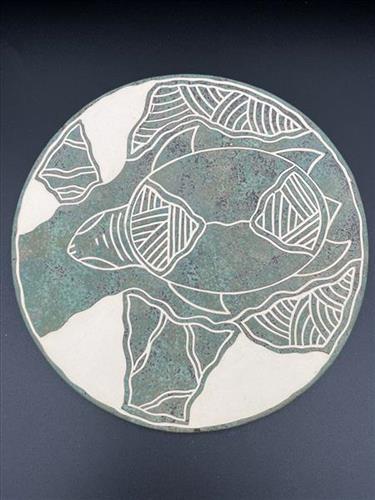
Ngawiya (Sea Turtle)

In the past, sea turtles were an important food source for Kuku Yalanji people. Only men were allowed to hunt them. The men were also responsible for cooking them in a ground oven and distributing the meat to all the families.

We ate turtle meat on special occasions such as the birth of a new born baby and during funeral ceremonies. Our ancestors used the shell of sea turtles carrying, storing and serving food as well as making damper.

115682363185


Warraburnburn (spirit)

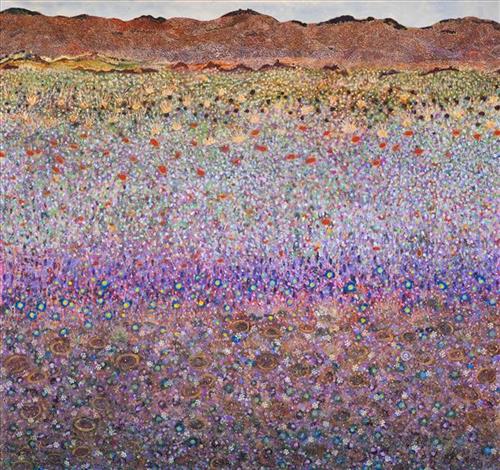
Like people, warraburnburn live in family groups. Though they cannot be seen, they can sometimes be heard calling out to one another as they move across the country to hunt. They also have the ability to communicate internally with people, warning them when strangers enter their land. Warraburnburn know the country intimately and can be both protective and dangerous. Some may mislead people, turning the land over to make it confusing and unfamiliar, while others guide people to safety.

115682363184


Warraburnburn (spirit)

Like people, warraburnburn live in family groups. Though they cannot be seen, they can sometimes be heard calling out to one another as they move across the country to hunt. They also have the ability to communicate internally with people, warning them when strangers enter their land. Warraburnburn know the country intimately and can be both protective and dangerous. Some may mislead people, turning the land over to make it confusing and unfamiliar, while others guide people to safety.

115682363097


Mindirr (Pandanus Bag)

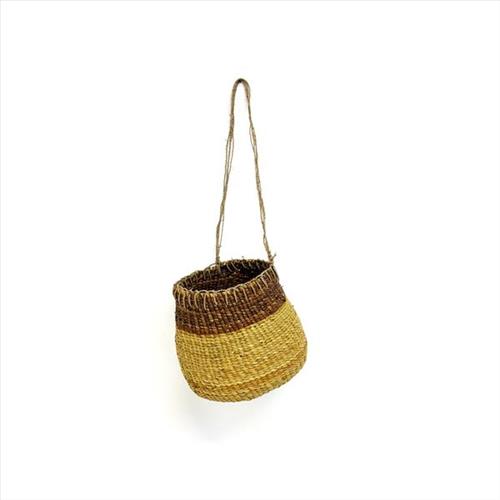
Miṉḏirr (dilly bags) are made from gunga (Pandanus spiralis), baḻgurr (kurrajong) and natural bush dyes. The body of the miṉḏirr is made from gunga, and the handles from baḻgurr. Once the gunga fronds and baḻgurr bark have been collected, they are stripped and prepared then boiled with the dyes.

Miṉḏirr were used traditionally for every day utilitarian purposes, particularly collecting bush foods such as bäḻtji (yam). Traditionally, the baḻgurr handles were worn across the forehead while the body of the miṉḏirr sat at the back, between the shoulder blades making it easily accessible when collecting ŋatha (food).