225182361172


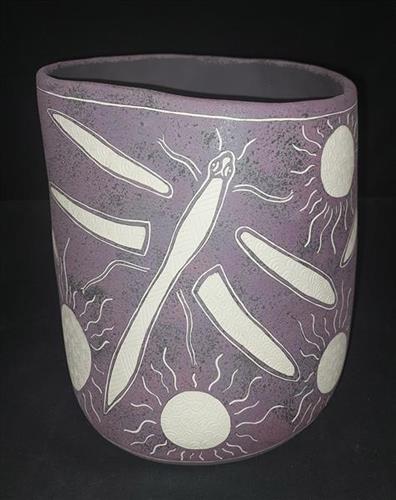
Jalbil (Boyd’s Rainforest Dragon)

Jalbil, the rainforest dragon, is a small and gentle lizard that feeds on insects. It is very hard to see in the rainforest because it takes on the colour and patterns of the environment. The male dragons are very colourful. Jalbil are spiritual messenger for Kuku Yalanji that bring us and our families good luck. We also use Jalbil as mascot for our local football team.

225182361170


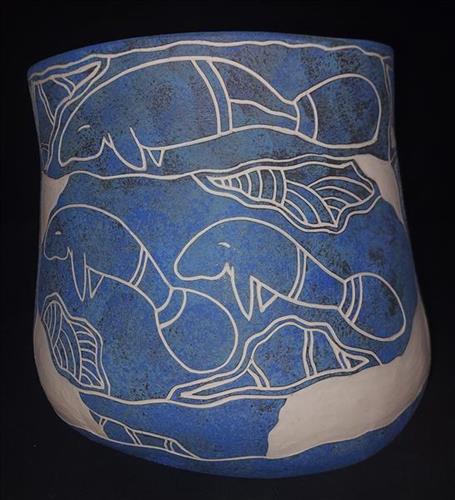
Kirbaji (Dugong)

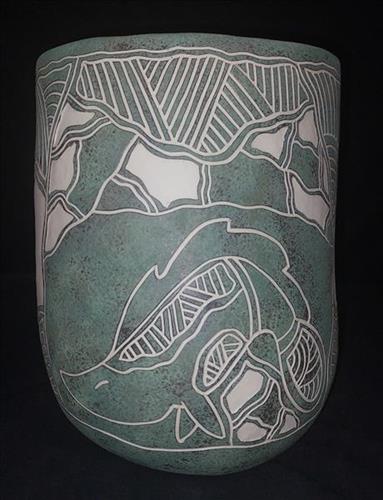
Kirbaji (Dugong) is an Ancestral Spirit Being (Totem) that I inherited it from my mother’s side.  It is my Totem. The dugong was also an important food source for my ancestors. Only men were allowed to hunt them, and only men had the right to cook and distribute the meat to all the families. My uncles and cousins showed me how to hunt dugongs and they passed down to me the cultural knowledge about them.

My ancestors used to wrap the dugong meat in ginger leaves for flavour, close the wraps with a vine and cook them in the ground oven. Dugongs were only hunted on special occasions such as births, weddings and funerals to provide food for large family gatherings.Dugong fat was also melted to make oil which was used as a medicine for skin and hair ailments or as ointment to treat an upset stomach.
225182361168


Kirbaji (Dugong) and Ngawiya (Sea Turtle)

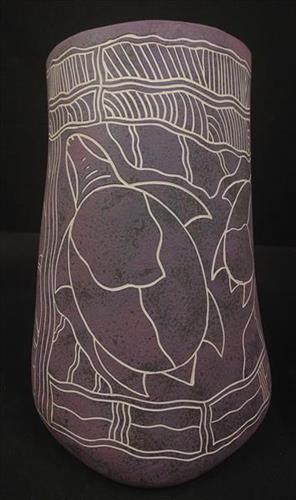
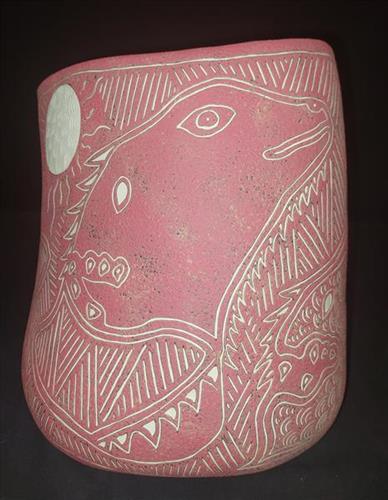
Kirbaji (Dugong) and Ngawiya (Sea Turtle) are two ancestral spirit beings (Totems) that I inherited from my mother’s side. As a young boy my uncles and cousins took me out to sea teaching me how to hunt, cut and cook dugong and sea turtle. Only men were allowed to hunt them for very special occasions when lots of extended family members had to be fed during wedding, birth and funeral celebrations.  They wrapped the meat in ginger leaves to get flavours and enclose them using a vine before cooking the meat it in a ground oven. Parts of the meat, fat and blood can also be boiled in the turtle shell to make a nourishing soup. The fat of the turtle was also melted to make a body oil.

225182361167


Diwan (Scrub Turkey)

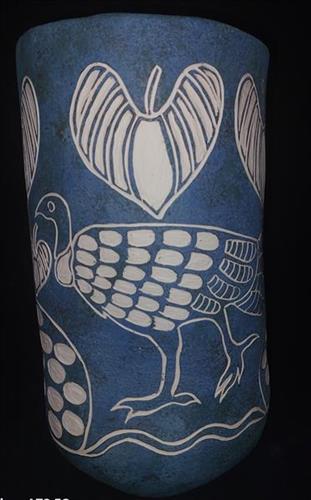
Diwan are bush food – an important source of meat. We also eat the eggs. They are a delicacy. The male bird looks after the nest and will not go far, as he has to protect the nest from bush goanna’s. If they come around, he will send out an alarm call to other Diwan to alert therm. The nesting time for Diwan is September to December. The bush goanna knows when the eggs will be ready to hatch. When the goannas start hanging around, this is a good sign that the eggs are ready. We dig for eggs with digging sticks or by hand. The nest is very deep and when you can feel the warmth with your hands, you know that the eggs are close-by. The eggs are very good for health and make you strong.

225182361166


Janbal (Quandong)

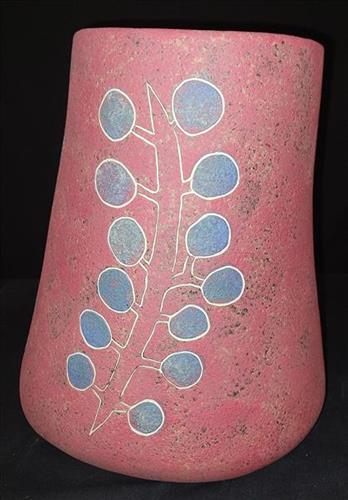
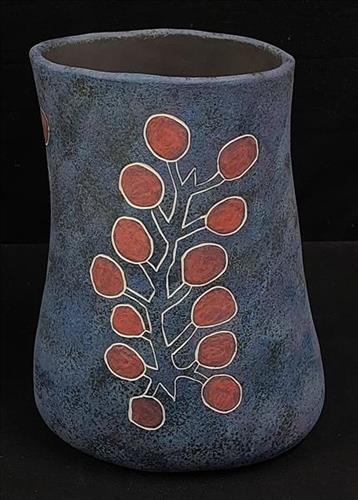
Janbal (Quandong) is good bush tucker. We gather the fruit from August to January when they are sweet and soft. The kernel of the fruit is very pretty and we often use it to make body adornments such as necklaces and earrings.

225182361165


Janbal (Quandong)

Janbal (Quandong) is good bush tucker. We gather the fruit from August to January when they are sweet and soft. The kernel of the fruit is very pretty and we often use it to make body adornments such as necklaces and earrings.

225182361162


Kakan (Black Palm) Basket Weaving

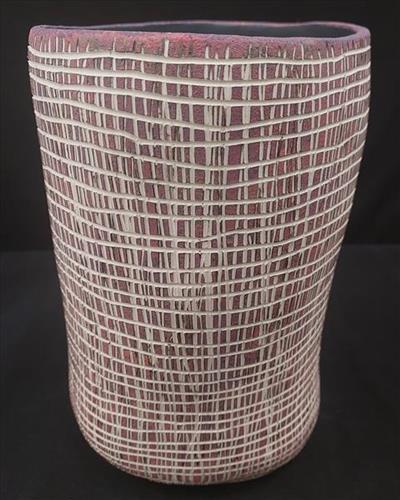
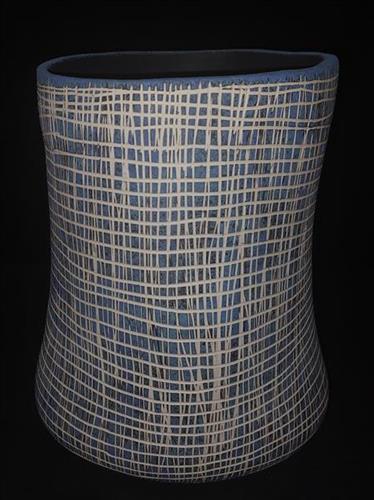
This design shows how the bottom part of a black palm basket is woven. My grandmothers and aunties used to make them. They cut off the young palm leaves in the centre, stripped and scrapped them. Then they would put the strips in freshwater to make them soft and keep them straight for weaving.

225182361161


Kakan (Black Palm) Basket Weaving

This design shows how the bottom part of a black palm basket is woven. My grandmothers and aunties used to make them. They cut off the young palm leaves in the centre, stripped and scrapped them. Then they would put the strips in freshwater to make them soft and keep them straight for weaving.