Status: Stock
22514008021
Status: Stock
Emu Feather Earrings
22514008020
Status: Stock
Canvas Earrings By Julie Williams
22514008019
Status: Stock
Plain Woven Earrings by Julie Williams
22514008018
Status: Stock
Large Basket Earring by Julie Williams
22514008017
Status: Stock
Emu Feather Basket Earring by Julie Williams
22544003932
Status: Stock
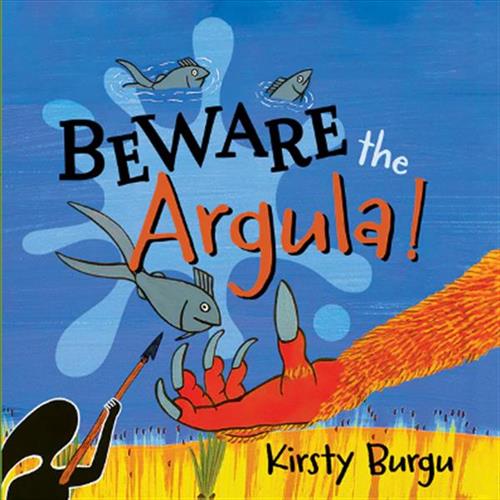
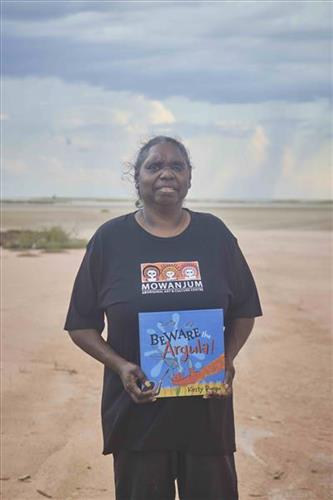
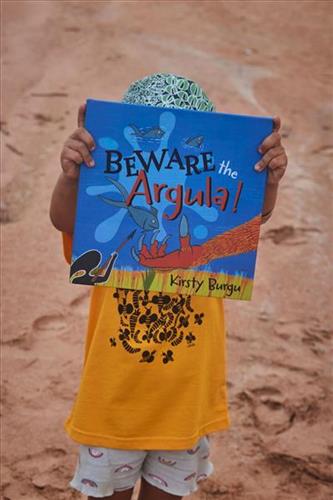
Beware the Argula by Kirsty Burgu
When two boys go fishing they are unaware that the Argula, the bush devil, is watching them and helping itself to all their fish. The boys finally see the Argula’s glowing red eyes – but it is too late and they become the Argula’s next meal! When they are rescued, they are unconscious and have to be shocked back to consciousness by fire ants. Once safely home they vow to never be greedy again and to always watch out for the Argula.
This is the second title in the Kimberley Art Centre Series, working with Kirsty Burgu from Mowanjum Art and Cultural Centre. The story was told to Kirsty as a child and the Arugula is not considered to be myth but it is thought to exist – rock art featuring the Argula are found along the Kimberly coastline.
22543974349
Status: Stock
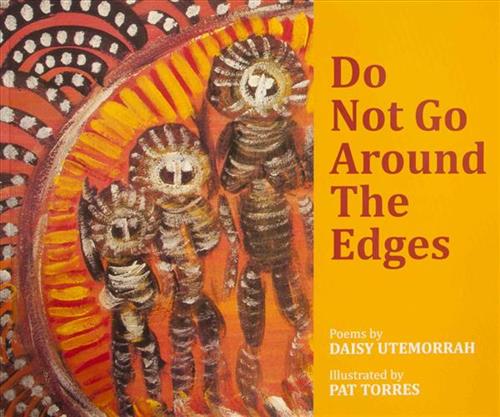
Around the Edges – Daisy Utemorrah
Do not go around the edges or else you’ll fall. No good that place or else you slip.
2254362
Status: Stock
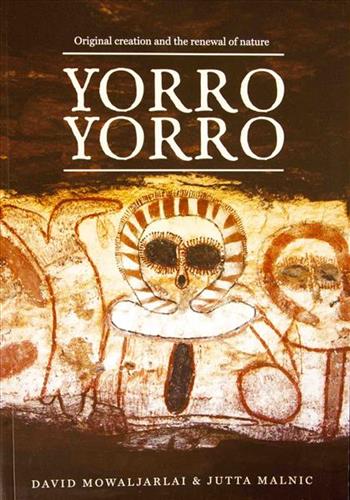
Yorro Yorro
Aboriginal Elder David Mowaljarlai and photographer Jutta Malnic rekindle a story that constitutes the oldest collective memory of humankind.
Yorro Yorro follows the journey of original creation in the Kimberley and the renewal of nature. It tells of the Wandjina creation spirits and their ‘crossing over’ into ancestral beings and then eventually into human form. In the Ngarinyin language, Yorro Yorro means Everything standing up alive.
Yorro Yorro is an exraordinary testament to the cumulative knowledge of the Wandjina peoples of the Kimberley in the north of Western Australia.
115682159050
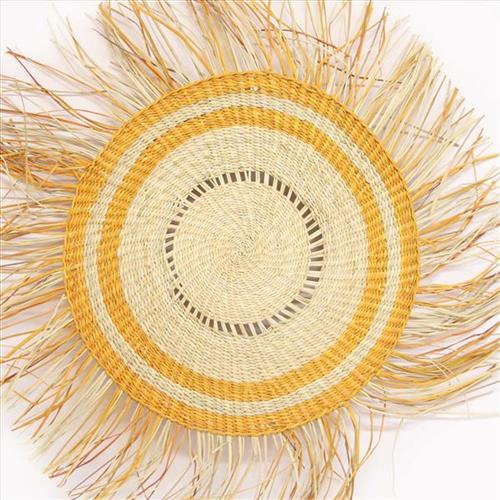
Woven Mat
Yolŋu weavers of Arnhem Land create utilitarian, ceremonial, and decorative pieces using naturally sourced materials. This mat is made from young Pandanus spiralis leaves, harvested with a wooden hook, stripped of prickles, and dried to create strong, resilient fibres. These fibres are then twisted, coiled, or woven using traditional techniques to produce both functional and decorative mats.
Bula’bula weavers exclusively use natural dyes, derived from locally sourced roots, leaves and grasses. These pigments are extracted and infused into pandanus fibres by boiling over an open fire, producing the rich, vibrant colours characteristic of contemporary Yolŋu weavings.
Traditionally, Nganiyal (conical mats) functioned as insect screens when erected and as seating mats when folded, playing an important role in both daily life and ceremonial practices. Today, Yolŋu artists create a variety of shapes, including flat, round, and oblong mats. These non-traditional styles and the use of bright colours became more common after Missionaries began commissioning pieces in this style.