359709482358332


Malu Thumayawaik

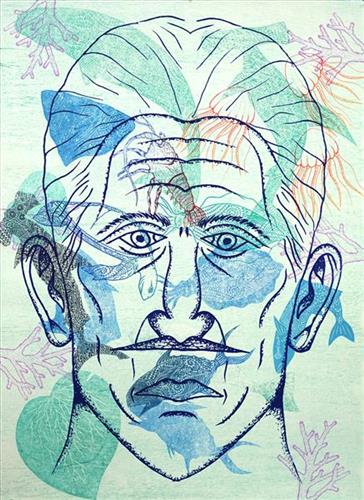
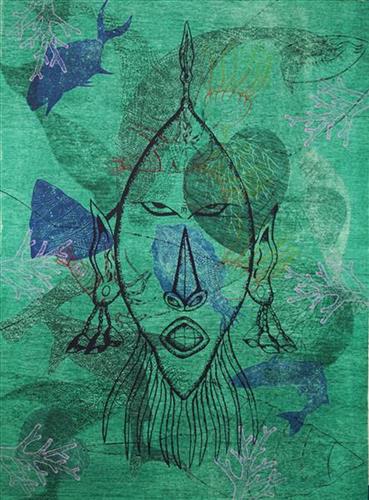
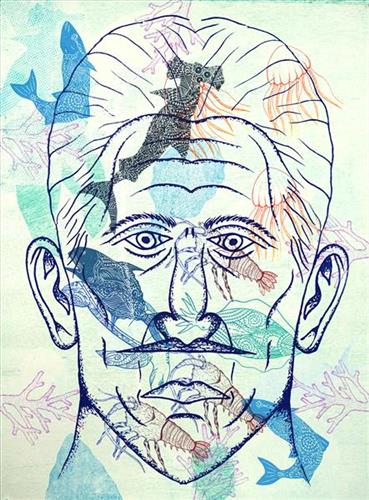
The mask in the artwork represents the profound concerns of my ancestors regarding the exploitation of our marine environment, driven by climate change and pollution. For centuries since creation, Indigenous peoples have possessed a rich tradition of sustainable marine conservation, emphasising responsible harvesting to ensure that resources endure for generations. Coral reefs, mangroves, and seagrasses are not merely ecosystems but essential components of biodiversity, food security, and cultural identity. Protecting these invaluable ecosystems is not just an environmental obligation but a cultural imperative. We must unite globally to protect our oceans, ensuring their health and abundance for future generations.
359709482358330


Malu Thumayawaik

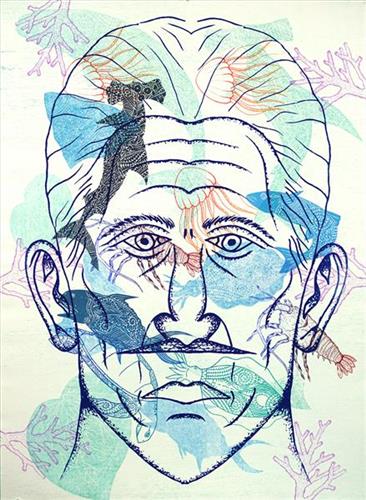
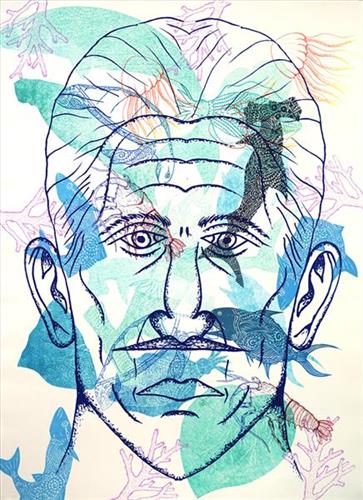
The mask in the artwork represents the profound concerns of my ancestors regarding the exploitation of our marine environment, driven by climate change and pollution. For centuries since creation, Indigenous peoples have possessed a rich tradition of sustainable marine conservation, emphasising responsible harvesting to ensure that resources endure for generations. Coral reefs, mangroves, and seagrasses are not merely ecosystems but essential components of biodiversity, food security, and cultural identity. Protecting these invaluable ecosystems is not just an environmental obligation but a cultural imperative. We must unite globally to protect our oceans, ensuring their health and abundance for future generations.
359709482358325


Malu Thumayawaik

The mask in the artwork represents the profound concerns of my ancestors regarding the exploitation of our marine environment, driven by climate change and pollution. For centuries since creation, Indigenous peoples have possessed a rich tradition of sustainable marine conservation, emphasising responsible harvesting to ensure that resources endure for generations. Coral reefs, mangroves, and seagrasses are not merely ecosystems but essential components of biodiversity, food security, and cultural identity. Protecting these invaluable ecosystems is not just an environmental obligation but a cultural imperative. We must unite globally to protect our oceans, ensuring their health and abundance for future generations.
359709482358321


Malu Thumayawaik

The mask in the artwork represents the profound concerns of my ancestors regarding the exploitation of our marine environment, driven by climate change and pollution. For centuries since creation, Indigenous peoples have possessed a rich tradition of sustainable marine conservation, emphasising responsible harvesting to ensure that resources endure for generations. Coral reefs, mangroves, and seagrasses are not merely ecosystems but essential components of biodiversity, food security, and cultural identity. Protecting these invaluable ecosystems is not just an environmental obligation but a cultural imperative. We must unite globally to protect our oceans, ensuring their health and abundance for future generations.
359709482358319


Malu Thumayawaik

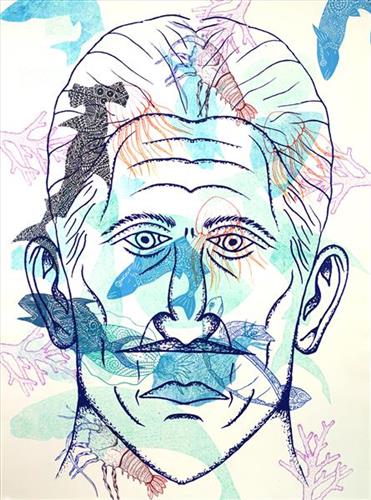
The mask in the artwork represents the profound concerns of my ancestors regarding the exploitation of our marine environment, driven by climate change and pollution. For centuries since creation, Indigenous peoples have possessed a rich tradition of sustainable marine conservation, emphasising responsible harvesting to ensure that resources endure for generations. Coral reefs, mangroves, and seagrasses are not merely ecosystems but essential components of biodiversity, food security, and cultural identity. Protecting these invaluable ecosystems is not just an environmental obligation but a cultural imperative. We must unite globally to protect our oceans, ensuring their health and abundance for future generations.
359709482358312


Malu Thumayawaik

The mask in the artwork represents the profound concerns of my ancestors regarding the exploitation of our marine environment, driven by climate change and pollution. For centuries since creation, Indigenous peoples have possessed a rich tradition of sustainable marine conservation, emphasising responsible harvesting to ensure that resources endure for generations. Coral reefs, mangroves, and seagrasses are not merely ecosystems but essential components of biodiversity, food security, and cultural identity. Protecting these invaluable ecosystems is not just an environmental obligation but a cultural imperative. We must unite globally to protect our oceans, ensuring their health and abundance for future generations.
115682358418


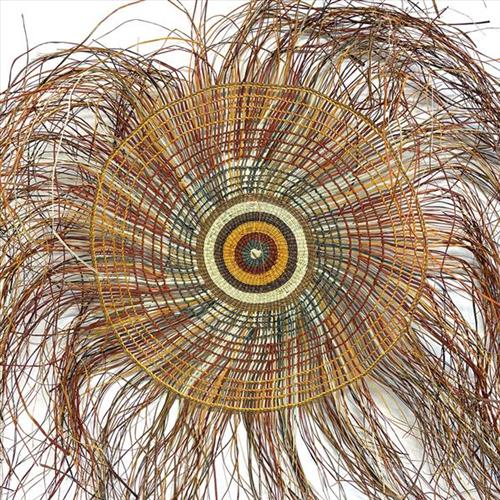
Woven Mat

Traditionally, Nganiyal (conical mats) were used as an insect screen when erected, and as a sitting mat when folded. They are used in Ceremony as well as a functional item. 

Nowadays, artists weave many different shapes including flat, round and oblong. 

225482358249


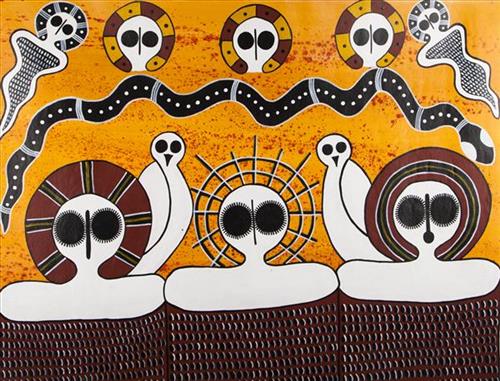
Three Tribes, Dumbi & Ungud (barn owl & totem).

The three tribes are the Worrora, Wunumbul and Ngarinyin. The three tribes represent the Wandjina who made them what they are today. The three tribes are from the North Kimberley region of Western Australia. The area that makes up the three tribes starts from Oobagooma which is 150km north of the coast of Derby, east across towards inland to Iminji and all the way up to Kalumburru. The tribes have travelled, moved and lived together. They share similar stories, culture and language with different dialects. We still follow the law, culture and language of the land today carrying it on strong and sharing it. Dumbi is an owl who resides in Ngarinyin country. A boy and a girl teased Dumbi and plucked out his feathers. He then flew to the Wandjina Wodjin who said he would create a large flood to punish the tribe from where the boy and girl came. At a place called Wanalirri, the Wandjina gathered a large flock of brolgas which stomped on a huge black soil plain to create quicksand. The flood came and drowned many people; those who tried to escape were lost in the quicksand. The boy and girl were safe because they were on high ground, they were taken there by a kangaroo, and they travelled on the kangaroo’s tail. A tata lizard called Gunarda warned the Wandjina that the boy and the girl had escaped. The rains and lightening started to chase the boy and girl and they ran to a hollowed out boab tree. Once they were in the tree, the Wandjina closed it up and they were lost for ever. In another version of the story the boy and girl survive the flood and mate to produce a new tribe. The Ungud (totem) snake is the one that made the rivers and holds water. If they are disturbed then they will kill whoever disturbs them.

225482358241


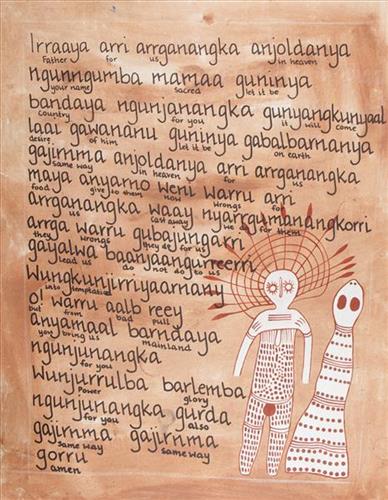
Wandjina and Father God are the same (Wandjina Ge Irraaya Gaaddangaadaa Gajirnma)

Irraaya arri arranangka anjoldanya

Father for us in heaven

ngunngumba mamaa guninya

your name sacred let it be

bandaya ngunjanangka gunyangkunyaal

country for you it will come

laai gawananu guninya gabalbarnanya

desire of him let it be on earth

gajirnma anjoldanyaarri arrganangka

same way in heaven for us

maya anyarno weni warru arri

food give to them now wrongs for

arrganangka waay nyarrgumanangkorri

us cast away we do for them

arrga warru gubajungarri

they wrongs they do for us

gayalwa baanjaangurreerri wungkunjirriyaarnany

lead us do not do to us into temptation

O! warru aalb reey

but from bad pull

Anyamaal barndaya

you bring us mainland

ngunjunangka wunjurrulba barlemba

for you power glory

ngunjunangka gurda

for you also

gajirnma gajirnma

same way same way

gorru

amen


221282358497


Ngayuku Walka / My Design

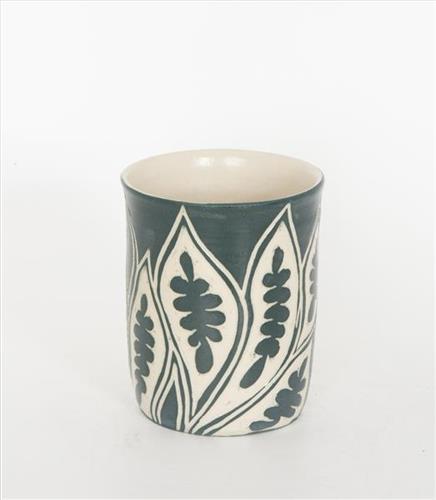
Walka means design or pattern. Artists use this title to describe artworks that are pattern based rather than descriptive or telling a story.