225482216133


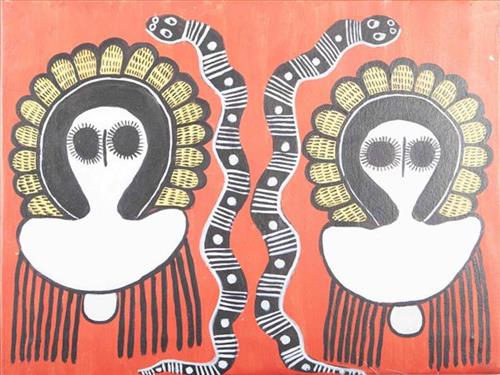
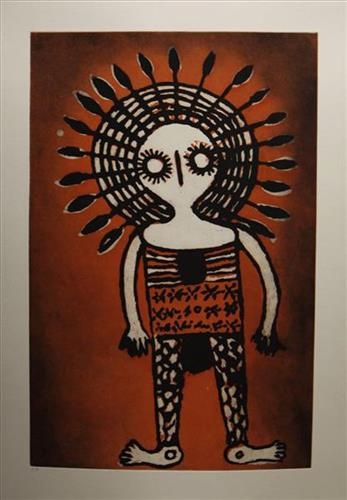
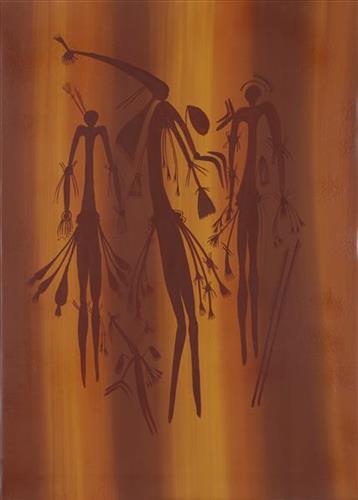
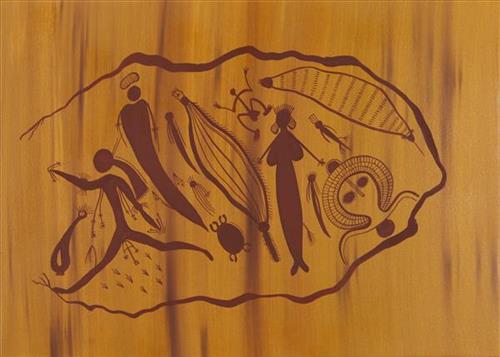
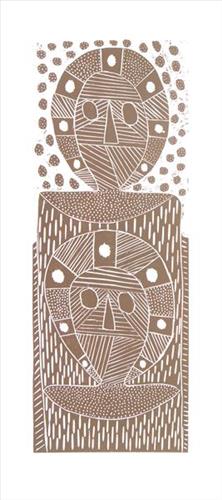
Ilala (child dreaming) – Unframed

Long ago our ancestors used to travel visiting relatives on the way. They camped near Wuludi (waterholes or billabongs) which had Unguds (dreaming totems) in the Ngaboon (water). Sometimes childless couples were travelling and met with relatives, and that relative may dream or hear a Ilala (baby) cry. That relative may give the couple food or presents which are like giving the couple a Ilala (baby) they’ve longed for. Sometimes it could be in the form of an animal to represent the Ilala’s Ungud. Sometimes the couple would go swimming in the Ungud water (sacred water hole that spirits of children originate from), so it could see that the couple wanted a baby, and maybe would give them one.
225482216132


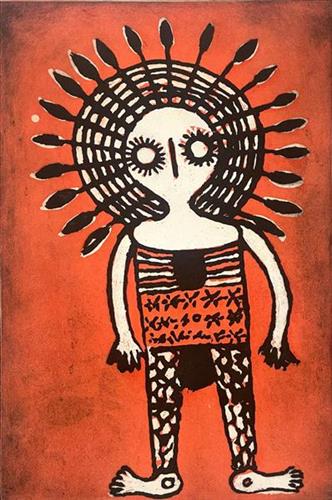
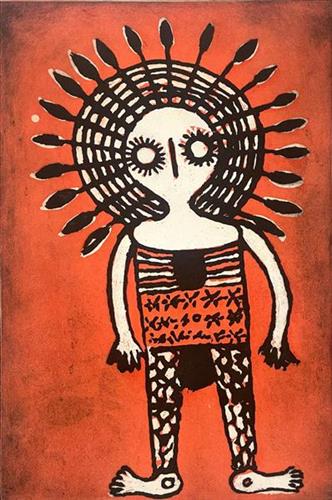
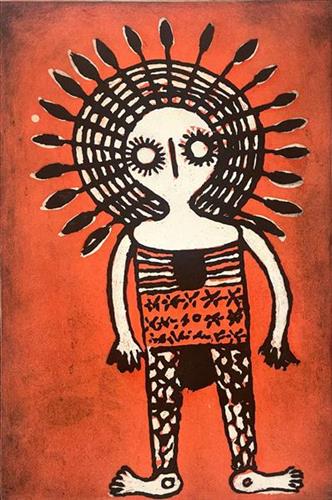
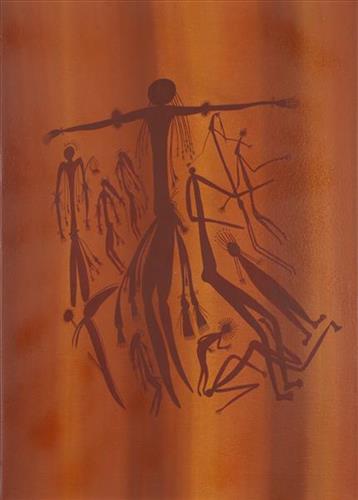
Ilala (child dreaming) – Framed

Long ago our ancestors used to travel visiting relatives on the way. They camped near Wuludi (waterholes or billabongs) which had Unguds (dreaming totems) in the Ngaboon (water). Sometimes childless couples were travelling and met with relatives, and that relative may dream or hear a Ilala (baby) cry. That relative may give the couple food or presents which are like giving the couple a Ilala (baby) they’ve longed for. Sometimes it could be in the form of an animal to represent the Ilala’s Ungud. Sometimes the couple would go swimming in the Ungud water (sacred water hole that spirits of children originate from), so it could see that the couple wanted a baby, and maybe would give them one.
225482222534


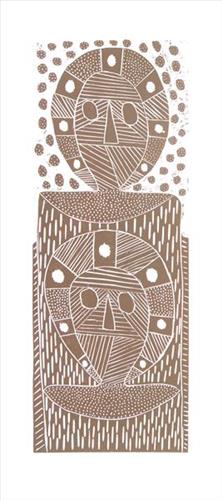
Wandjina & Unguds (cloud and rain spirits & totems)

The Wandjina spirits are highly respected by the Worrora, Ngarinyin and Wunumbul people who live at Mowanjum and up the Gibb River Road to Kalumburru in the North West Kimberley region of Western Australia. The Wandjina gave the Law, Culture and Language to the people to abide by. These customs are carried on today. The Unguds represent the dreaming of the people which the Wandjina has given. The Ungud is given before birth to the parents, grandparents aunts or uncles of a child, through dreams, or it may come as a living animal.This is considered as a gift from the Wandjina to the parent, the animal becomes a gift to the unborn child which the child belongs to. Now when the child dies it goes back to being that animal. Today each and every individual has their own animal that belongs to them.

225482227007


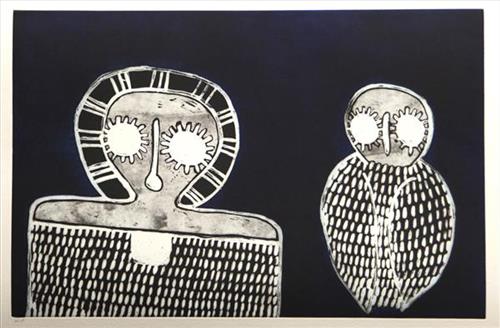
Wandjina & Dumbi (cloud and rain spirits & barn owls) – Framed

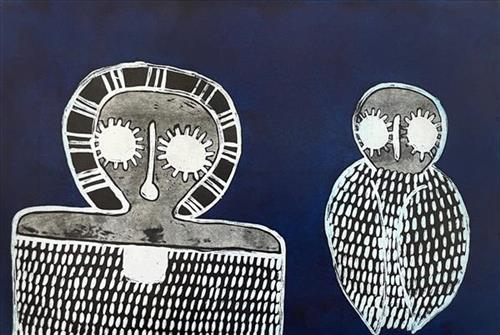
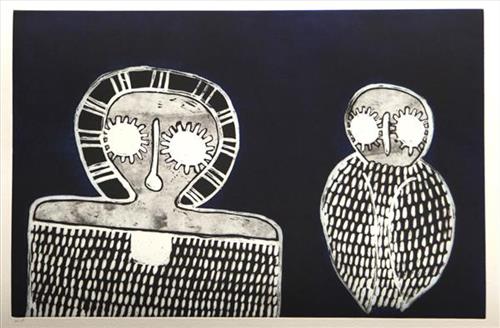
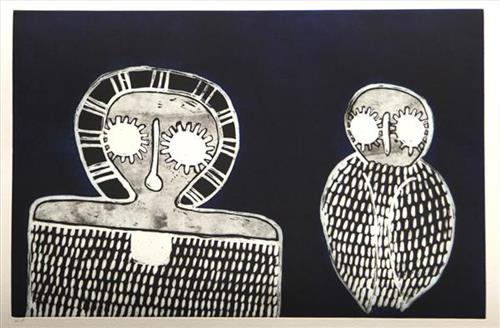
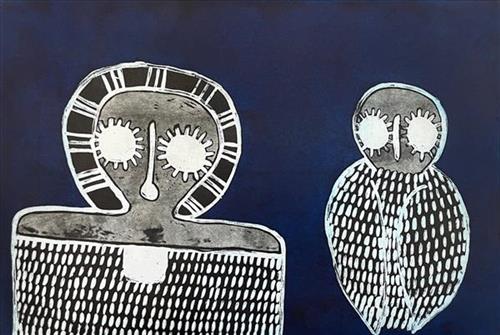
The Wandjina is the creator spirit that belongs to us: the Wororra, Ngarinyin and Wunumbul people. He is the one that created everything; our culture, law and songs and even the dreaming of each child before they are born. Dumbi is an owl which resides in Ngarinyin country. A boy and a girl teased Dumbi and plucked out his feathers. Dumbi flew to the Wandjina Wodjin who said he would create a large flood to punish the tribe from where the boy and girl came. At a place called Wanalirri, the Wandjina gathered a large flock of brolgas which stomped on a huge black soil plain to create quicksand. The flood came and drowned many people; those who tried to escape were lost in the quicksand. The boy and girl were safe because they were on high ground, they were taken there by a kangaroo, and they travelled on the kangaroo’s tail. A Tata lizard called Ganada warned the Wandjina that the boy and the girl had escaped. The rains and lightning started to chase the boy and girl and they ran to a hollowed out boab tree. Once they were in the tree, the Wandjina closed it up and they were lost for ever. In another version of the story the boy and girl survive the flood and mate to produce a new tribe.

225482226970


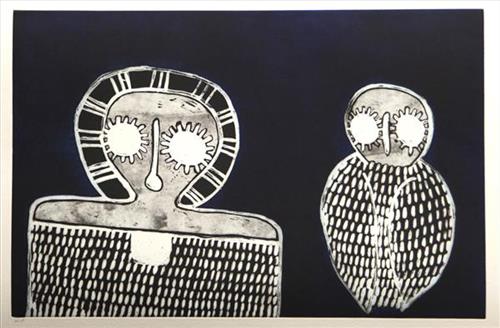
Wandjina & Dumbi (cloud and rain spirits & barn owls) – Unframed

The Wandjina is the creator spirit that belongs to us: the Wororra, Ngarinyin and Wunumbul people. He is the one that created everything; our culture, law and songs and even the dreaming of each child before they are born. Dumbi is an owl which resides in Ngarinyin country. A boy and a girl teased Dumbi and plucked out his feathers. Dumbi flew to the Wandjina Wodjin who said he would create a large flood to punish the tribe from where the boy and girl came. At a place called Wanalirri, the Wandjina gathered a large flock of brolgas which stomped on a huge black soil plain to create quicksand. The flood came and drowned many people; those who tried to escape were lost in the quicksand. The boy and girl were safe because they were on high ground, they were taken there by a kangaroo, and they travelled on the kangaroo’s tail. A Tata lizard called Ganada warned the Wandjina that the boy and the girl had escaped. The rains and lightning started to chase the boy and girl and they ran to a hollowed out boab tree. Once they were in the tree, the Wandjina closed it up and they were lost for ever. In another version of the story the boy and girl survive the flood and mate to produce a new tribe.

225482232148


Namarali (Wororra god)_Framed

Namarali is the great Wandjina that belongs to the Wororra tribe. Namarali represents the top, middle and bottom Wororra tribes up the North West Kimberley on the coast. His Laws, Culture and Language start from Oobagooma and go north towards Prince Region this is where the Wororra boundary ends. Namarali created many laws for the Wororra people which relate specifically to funeral customs. He was speared in a Wandjina war at Langii north of Doubtful Bay. The painting of Namarali lies five kilometers inland from Langii in a cave. The artist Donny Woolagoodja is responsible for the care of this painting.

225482244925


Gyorn Gyorn, Grasshopper

This painting represents the grasshopper. The Gyorn Gyorn Grasshopper is very significant to the dreaming of country. This painting gives us the law, customs and tradition on what the grasshopper left and what we abide by today. The responsibility of the grasshopper today is to eat away bad leaves to give life newness for plants to grow.

225482244919


Wandjina, Ungud, Gyorns

This painting represents the Wandjina, Creator for the Woddordda, Ngarinyin and Wanambul Tribe. The Gyorns gave the dance and Unguds are significant sacred spiritual representations of country, people, love and customs.