115682355654


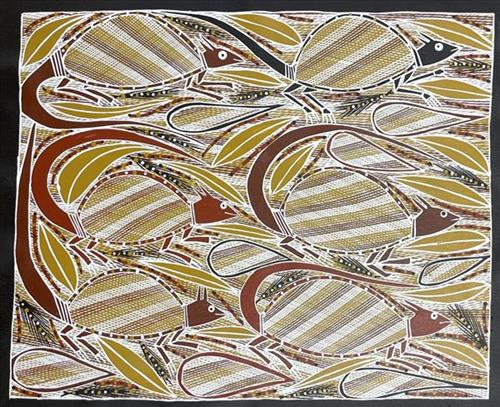
JB Fisher – Narrgi’ṉarrgi (possum- sugar glider)

JB paints stories from his Dhuwa homeland in northeast Arnhem Land. Stories are passed on either paternally or maternally, and JB would have learnt these stories from his ancestors. The cross-hatching style is a traditional painting style of this area and can represent elements such as water, air and wind.

His paintings often feature totemic animals of the fresh waters of north east Arnhem Land.

359709482356628


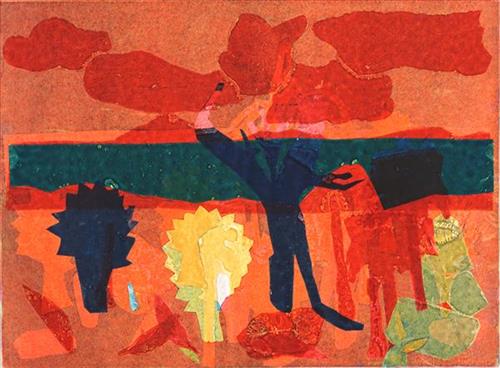
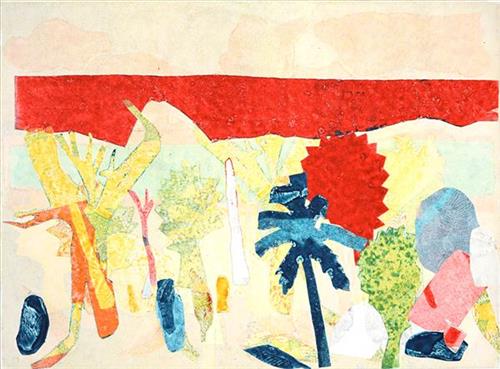
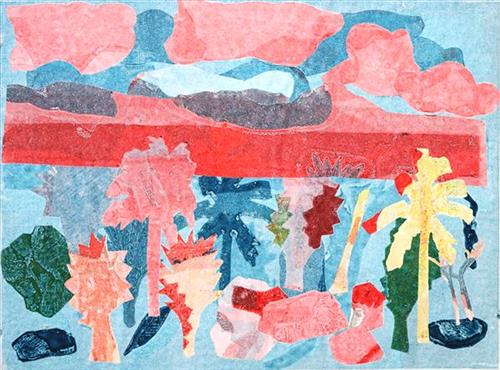
Sovereignty – Land

Our Land holds a big depiction in illustration of where our sovereignty stands.


Art Centre notes:

Paper size: 40 x 53cm

The artwork is a ‘pochoir’ print, or monoprint printed on Hahnamule paper 100% cotton rag with strong archival properties.

Artist: Danie Savage

Printer: Dian Darmansjah

Printed: Moa Arts Studio, Jan 2025

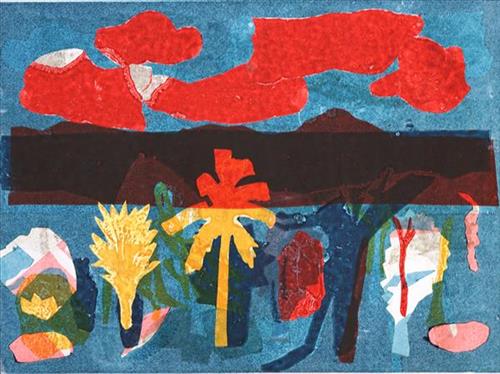
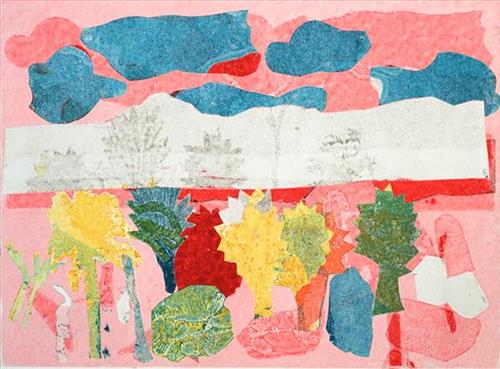
359709482356627


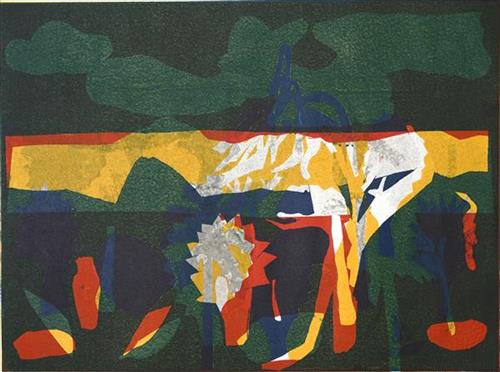
Sovereignty – Land

Our Land holds a big depiction in illustration of where our sovereignty stands.


Art Centre notes:

Paper size: 40 x 53cm

The artwork is a ‘pochoir’ print, or monoprint printed on Hahnamule paper 100% cotton rag with strong archival properties.

Artist: Danie Savage

Printer: Dian Darmansjah

Printed: Moa Arts Studio, Jan 2025

359709482356621


Sovereignty – Land

Our Land holds a big depiction in illustration of where our sovereignty stands.


Art Centre notes:

Paper size: 40 x 53cm

The artwork is a ‘pochoir’ print, or monoprint printed on Hahnamule paper 100% cotton rag with strong archival properties.

Artist: Danie Savage

Printer: Dian Darmansjah

Printed: Moa Arts Studio, Jan 2025

359709482356616


Sovereignty – Land

Our Land holds a big depiction in illustration of where our sovereignty stands.


Art Centre notes:

Paper size: 40 x 53cm

The artwork is a ‘pochoir’ print, or monoprint printed on Hahnamule paper 100% cotton rag with strong archival properties.

Artist: Danie Savage

Printer: Dian Darmansjah

Printed: Moa Arts Studio, Jan 2025

359709482356615


Sovereignty – Land

Our Land holds a big depiction in illustration of where our sovereignty stands.


Art Centre notes:

Paper size: 40 x 53cm

The artwork is a ‘pochoir’ print, or monoprint printed on Hahnamule paper 100% cotton rag with strong archival properties.

Artist: Danie Savage

Printer: Dian Darmansjah

Printed: Moa Arts Studio, Jan 2025

359709482356614


Sovereignty – Land

Our Land holds a big depiction in illustration of where our sovereignty stands.


Art Centre notes:

Paper size: 40 x 53cm

The artwork is a ‘pochoir’ print, or monoprint printed on Hahnamule paper 100% cotton rag with strong archival properties.

Artist: Danie Savage

Printer: Dian Darmansjah

Printed: Moa Arts Studio, Jan 2025

377810582356805


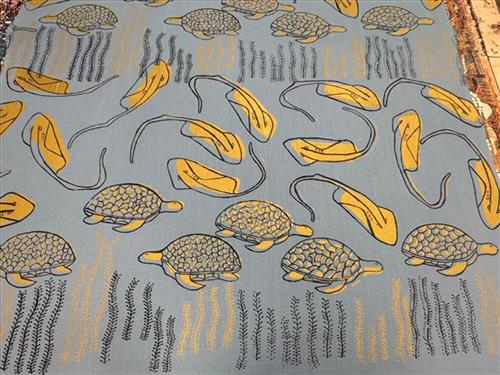
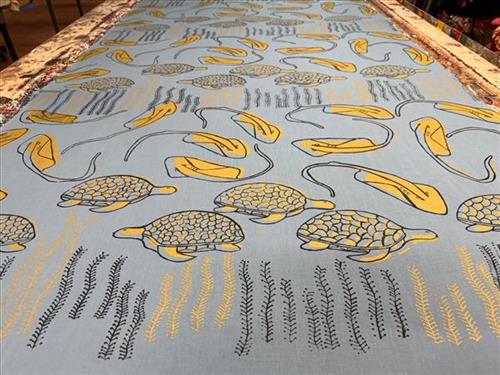
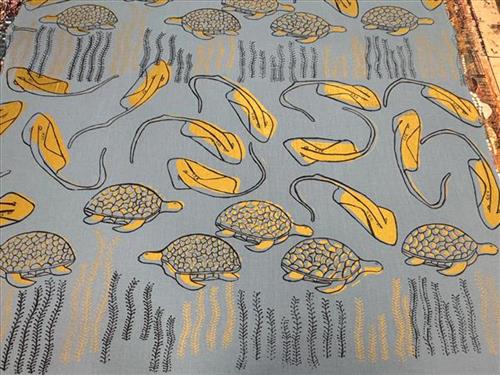
Mabbúlarr (Calm Still Water)

Mabbúlarr is the Ndjébbana word describing calm and stillness – both regarding people and the ocean.

This design tells the story of underwater life in the shallows. The turtle we call marláddja (green turtle, Chelonia mydas) and the stingray we call marnandjúbba (Cowtail Stingray, Pastinachus sephen).

‘When strong wind blows the sea is rough, when there’s no wind the sea is calm. We call that mábbularr. You can see through the water and look at the turtle and stingray eating karlómerr (sea grass) and dancing underwater to find their mate. When we go on the boat hunting, we go at times of mábbularr.

In the old days men used to hunt with a canoe and with traditional made harpoon.  Guided by our ancestors’ spirits they would paddle all day to find sea turtle and dugongs in the right places. The men had to be smart for the tide and know the weather to balance their canoes. They would go at times of mábbularr (calm), early morning in daytime or at night-time when there is no moon and the water glows. We call the night-time glimmer of phosphorescence mílarrng-milarrng. Today people still go hunting, it brings a lot of families together and they share eating down the beach.

We have songline for sea turtle, also men paint turtle on their back and dance turtle in the Míddjarn the same way turtle dance underwater. It is very important we look after our country and songline passed on from many generations’. Josephine James 2021
377810582356804


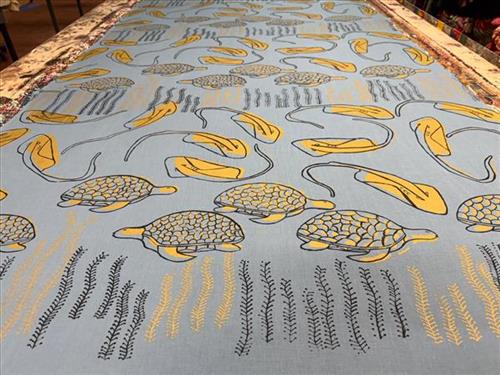
Mabbúlarr (Calm Still Water)

Mabbúlarr is the Ndjébbana word describing calm and stillness – both regarding people and the ocean.

This design tells the story of underwater life in the shallows. The turtle we call marláddja (green turtle, Chelonia mydas) and the stingray we call marnandjúbba (Cowtail Stingray, Pastinachus sephen).

‘When strong wind blows the sea is rough, when there’s no wind the sea is calm. We call that mábbularr. You can see through the water and look at the turtle and stingray eating karlómerr (sea grass) and dancing underwater to find their mate. When we go on the boat hunting, we go at times of mábbularr.

In the old days men used to hunt with a canoe and with traditional made harpoon.  Guided by our ancestors’ spirits they would paddle all day to find sea turtle and dugongs in the right places. The men had to be smart for the tide and know the weather to balance their canoes. They would go at times of mábbularr (calm), early morning in daytime or at night-time when there is no moon and the water glows. We call the night-time glimmer of phosphorescence mílarrng-milarrng. Today people still go hunting, it brings a lot of families together and they share eating down the beach.

We have songline for sea turtle, also men paint turtle on their back and dance turtle in the Míddjarn the same way turtle dance underwater. It is very important we look after our country and songline passed on from many generations’. Josephine James 2021
111982356803


An-gujechiya (Fish Trap)

To make fish traps and fish net fences artists firstly get vine (mirlarl) from the jungle and they put it in water for one night to make it soft. Next they start weaving it; they make rings for the inside to keep the fish trap’s shape. Artists work for three or four weeks on the fish trap. They also make string from kurrajong (burdaga) to attach the hibiscus (bardainy) rings and to tie the conical end of the fish trap. This fish trap is used in saltwater and freshwater. People also use fish net fences called mun-dirra. A long time ago they would put the mun-dirra across rivers and creeks. In the middle they would place the an-gujechiya. They also used small things like sticks, rocks, mud and grass to block the fish from going through. People would then catch fish like saltwater barramundi rajarra, freshwater barramundi (janambal), small black freshwater catfish (buliya), bonefish (an-guwirrpiya), and sand bass (dalakan) in these fish traps.