377810582357321


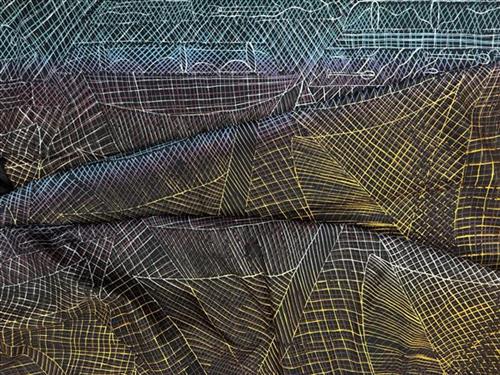
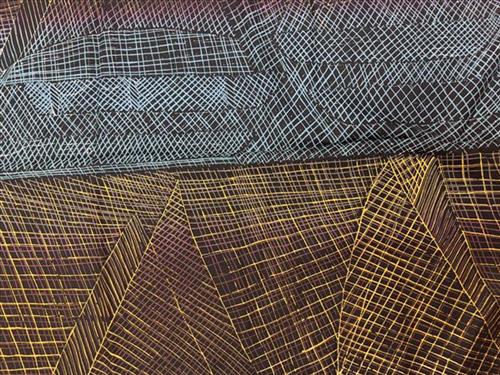
Wubbunj (Paperbark Canoe)

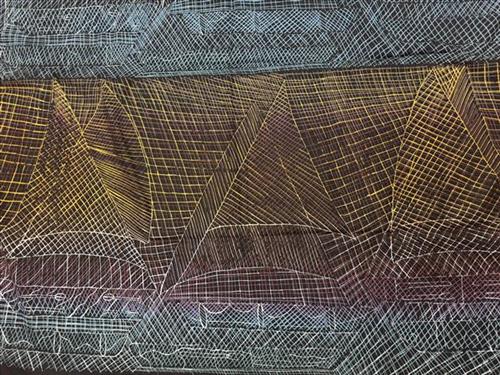
Wubbunj is our traditional canoe. This design is the old history story of how people came to live in this place we call Maningrida. Two old people were staying on the other side of the saltwater, in Narlarrambarr area. The old people slept in a paper bark shelter and hunted on the water using their canoe.

A long time ago our people carved these canoes from the big paperbark trees. They had paddles with one person at the front, one at back, and other kids and passengers in the middle. Kunkot (paper bark) was used to make the sails which they would stand up and catch the wind.

One day these old people saw a new boat in their waters, which belonged to the Makassans (Indonesians). Those two old men saw the big Makassan boat coming in, and decided to paddle their canoe from Narlarrambarr to the other side (modern day Maningrida). We were scared of the Makassans, they gave us tobacco and tea, but they took many of our women.

When those two old people tasted that water at Maningrida from the Djomi spring, it was sweet freshwater and they decided to stay here. People here had no clothes in those time, we were just wearing string morkoi (loin cloths). Seven tribes were here then, but now in Maningrida there are lots more languages.

This is a soft linen. 
115682357270


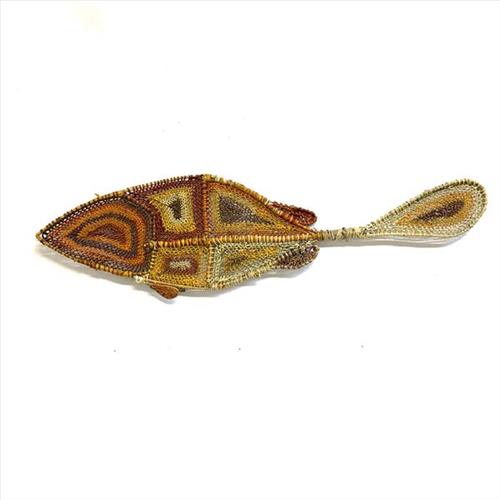
Woven Barramundi

Aboriginal art in Ramingining, Central Arnhem Land is commonly illustrated through designs and images of animals, plants, and landscape. These motifs commonly reflect the artists ancestral inheritance and their dreamings and are referred to as totems.

For this weaving, the artist has created a barramundi. 

115682357268


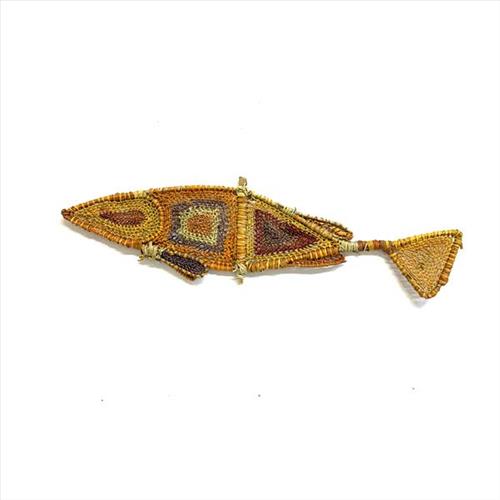
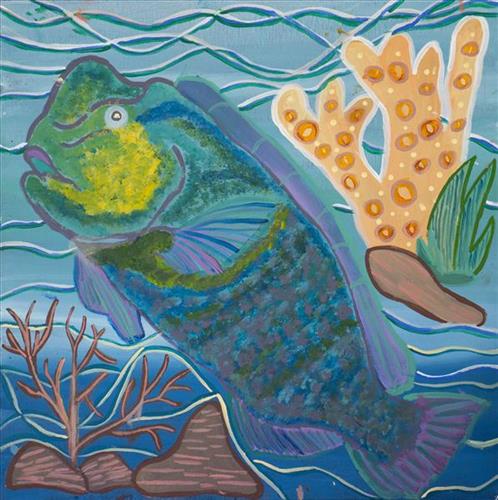
Woven Barramundi

Aboriginal art in Ramingining, Central Arnhem Land is commonly illustrated through designs and images of animals, plants, and landscape. These motifs commonly reflect the artists ancestral inheritance and their dreamings and are referred to as totems.

For this weaving, the artist has created a barramundi. 

115682357160


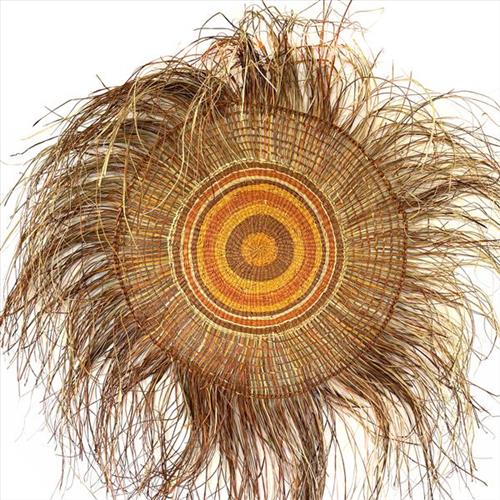
Woven Mat

Traditionally, Nganiyal (conical mats) were used as an insect screen when erected, and as a sitting mat when folded. They are used in Ceremony as well as a functional item. 

Nowadays, artists weave many different shapes including flat, round and oblong. 

377815582357362


Seeds

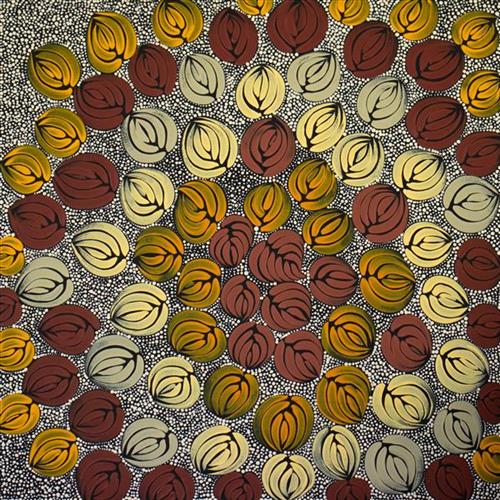
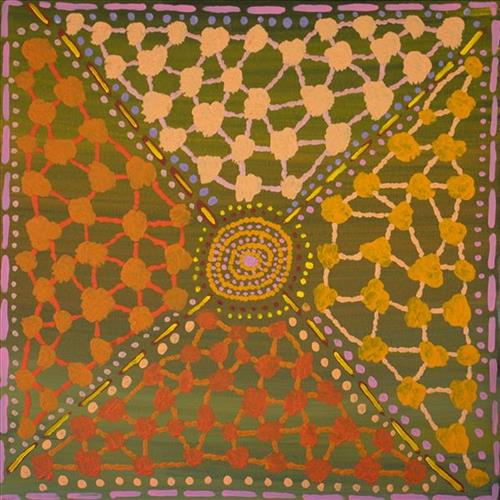
 This artwork showcases the artist’s skillful use of colour, texture, and technique, reflecting a deep connection to their environment and culture. Each detail embodies the unique identity of Bidyadanga Artists, where the original five language groups—Nyangumarta, Mangala, Yulparija, Juwaliny, and Karrajarri—come together to create art that speaks to the heart of Country. Over time, the community and Art Centre has grown to include people from other Kimberley tribes, fostering a space where diverse cultural knowledge and practices come together. Situated where the desert meets the sea, artists draw inspiration from their ancestral Country and personal journeys. The artist captures the vibrant beauty of both desert and coastal landscapes, blending earthy reds, deep blues, and intricate patterns distinctive to their cultural heritage. The themes and composition invite viewers into the artist’s world, offering a glimpse of the rich, intertwined histories and the enduring connection to land and spirit that define the Bidyadanga community.

377815582357361


Seeds

 This artwork showcases the artist’s skillful use of colour, texture, and technique, reflecting a deep connection to their environment and culture. Each detail embodies the unique identity of Bidyadanga Artists, where the original five language groups—Nyangumarta, Mangala, Yulparija, Juwaliny, and Karrajarri—come together to create art that speaks to the heart of Country. Over time, the community and Art Centre has grown to include people from other Kimberley tribes, fostering a space where diverse cultural knowledge and practices come together. Situated where the desert meets the sea, artists draw inspiration from their ancestral Country and personal journeys. The artist captures the vibrant beauty of both desert and coastal landscapes, blending earthy reds, deep blues, and intricate patterns distinctive to their cultural heritage. The themes and composition invite viewers into the artist’s world, offering a glimpse of the rich, intertwined histories and the enduring connection to land and spirit that define the Bidyadanga community.

377815582357360


Untitled

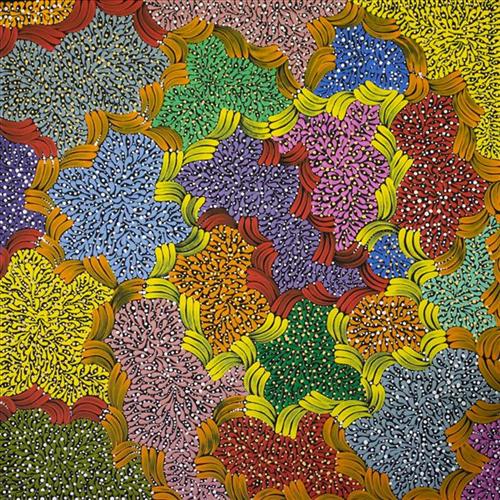
 This artwork showcases the artist’s skillful use of colour, texture, and technique, reflecting a deep connection to their environment and culture. Each detail embodies the unique identity of Bidyadanga Artists, where the original five language groups—Nyangumarta, Mangala, Yulparija, Juwaliny, and Karrajarri—come together to create art that speaks to the heart of Country. Over time, the community and Art Centre has grown to include people from other Kimberley tribes, fostering a space where diverse cultural knowledge and practices come together. Situated where the desert meets the sea, artists draw inspiration from their ancestral Country and personal journeys. The artist captures the vibrant beauty of both desert and coastal landscapes, blending earthy reds, deep blues, and intricate patterns distinctive to their cultural heritage. The themes and composition invite viewers into the artist’s world, offering a glimpse of the rich, intertwined histories and the enduring connection to land and spirit that define the Bidyadanga community.

377815582357359


Untitled

 This artwork showcases the artist’s skillful use of colour, texture, and technique, reflecting a deep connection to their environment and culture. Each detail embodies the unique identity of Bidyadanga Artists, where the original five language groups—Nyangumarta, Mangala, Yulparija, Juwaliny, and Karrajarri—come together to create art that speaks to the heart of Country. Over time, the community and Art Centre has grown to include people from other Kimberley tribes, fostering a space where diverse cultural knowledge and practices come together. Situated where the desert meets the sea, artists draw inspiration from their ancestral Country and personal journeys. The artist captures the vibrant beauty of both desert and coastal landscapes, blending earthy reds, deep blues, and intricate patterns distinctive to their cultural heritage. The themes and composition invite viewers into the artist’s world, offering a glimpse of the rich, intertwined histories and the enduring connection to land and spirit that define the Bidyadanga community.

377815582357358


Kulyakartu

 This artwork showcases the artist’s skillful use of colour, texture, and technique, reflecting a deep connection to their environment and culture. Each detail embodies the unique identity of Bidyadanga Artists, where the original five language groups—Nyangumarta, Mangala, Yulparija, Juwaliny, and Karrajarri—come together to create art that speaks to the heart of Country. Over time, the community and Art Centre has grown to include people from other Kimberley tribes, fostering a space where diverse cultural knowledge and practices come together. Situated where the desert meets the sea, artists draw inspiration from their ancestral Country and personal journeys. The artist captures the vibrant beauty of both desert and coastal landscapes, blending earthy reds, deep blues, and intricate patterns distinctive to their cultural heritage. The themes and composition invite viewers into the artist’s world, offering a glimpse of the rich, intertwined histories and the enduring connection to land and spirit that define the Bidyadanga community.

377815582357357


Untitled

 This artwork showcases the artist’s skillful use of colour, texture, and technique, reflecting a deep connection to their environment and culture. Each detail embodies the unique identity of Bidyadanga Artists, where the original five language groups—Nyangumarta, Mangala, Yulparija, Juwaliny, and Karrajarri—come together to create art that speaks to the heart of Country. Over time, the community and Art Centre has grown to include people from other Kimberley tribes, fostering a space where diverse cultural knowledge and practices come together. Situated where the desert meets the sea, artists draw inspiration from their ancestral Country and personal journeys. The artist captures the vibrant beauty of both desert and coastal landscapes, blending earthy reds, deep blues, and intricate patterns distinctive to their cultural heritage. The themes and composition invite viewers into the artist’s world, offering a glimpse of the rich, intertwined histories and the enduring connection to land and spirit that define the Bidyadanga community.