Ngayuku Walka / My Design
Walka means design or pattern. Artists use this title to describe artworks that are pattern based rather than descriptive or telling a story.
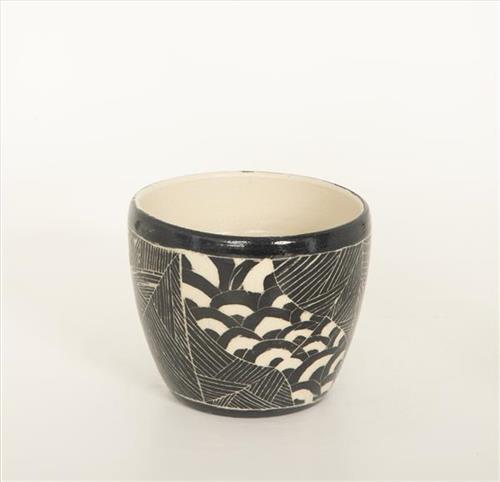
Walka means design or pattern. Artists use this title to describe artworks that are pattern based rather than descriptive or telling a story.
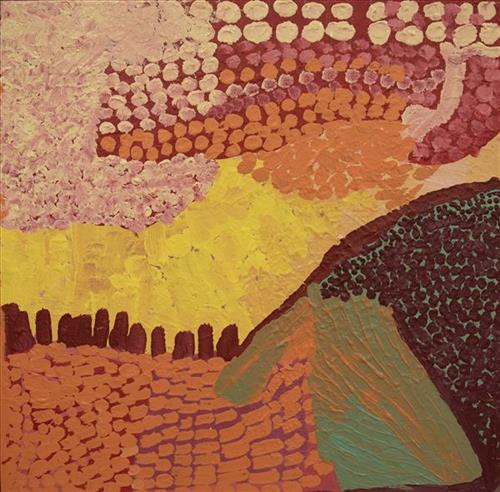
This is Malpiya’s mother’s country near Kanpi on the APY Lands. Malpiya’s mother was born here at one of the waterholes. The kalaya (emu) is the creation being that formed this land. Malpiya’s design is a depiction of the kalaya walking around looking for mai (food) and water in the rockholes.
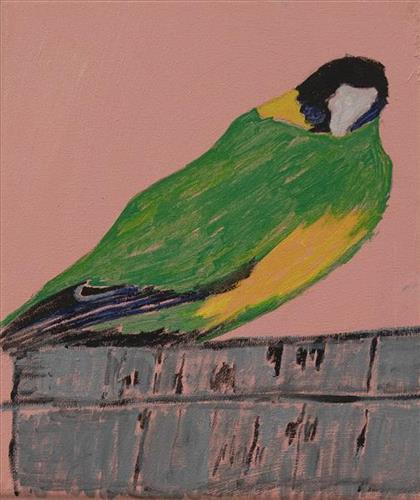
Jeffrey paints his favourite birds that live in the country around Ernabella. These include the kuparu (magpie), partilpa (Port Lincoln ringed neck parrot), kayarkiyarpa (galah), tjintir-tjintirpa (willy wag-tail), piil-piilpa (yellow throated minor) and kuurkuurpa (owls).
.
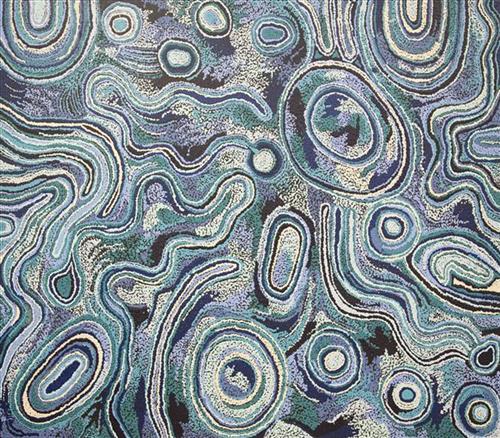
This design is inspired by the red sand dunes that are found throughout the central desert. There is a large red sand dune near Ernabella named Wamikata which is a popular place for looking for maku (witchetty grubs) and for teaching Milpatjunanyi (telling stories in the sand) to children.
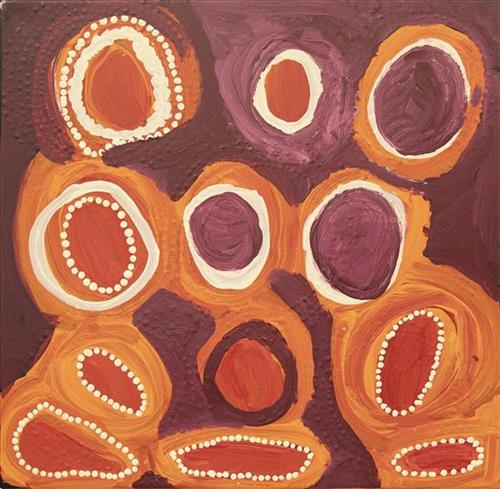
Artists use this title when they are depicting their Country. It might be a representation of a particular place or of different aspects of that area. The artist uses a combination of colour and design to indicate variations in the landscape. Inspiration is drawn from all elements of Country and might include bush tucker, water holes, meeting places, rock formation, birds or animals.
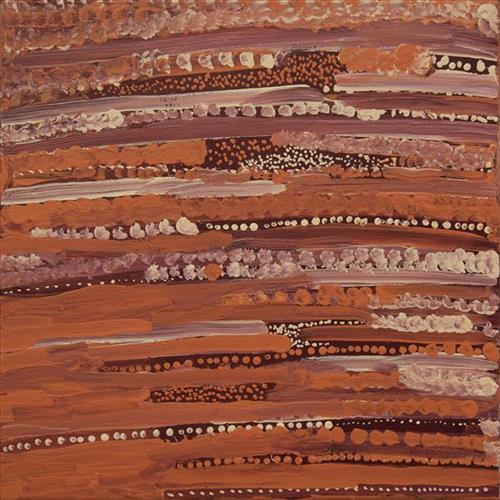
Artists use this title when they are depicting their Country. It might be a representation of a particular place or of different aspects of that area. The artist uses a combination of colour and design to indicate variations in the landscape. Inspiration is drawn from all elements of Country and might include bush tucker, water holes, meeting places, rock formation, birds or animals.
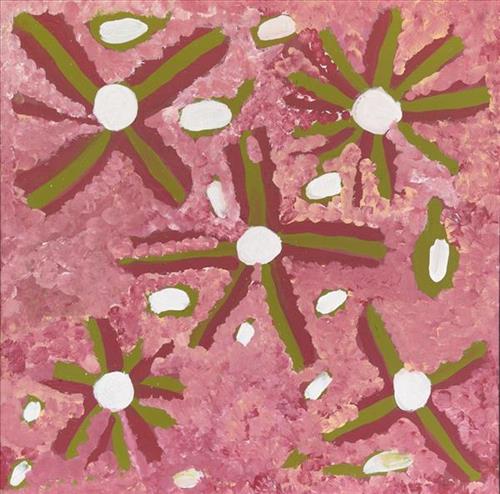
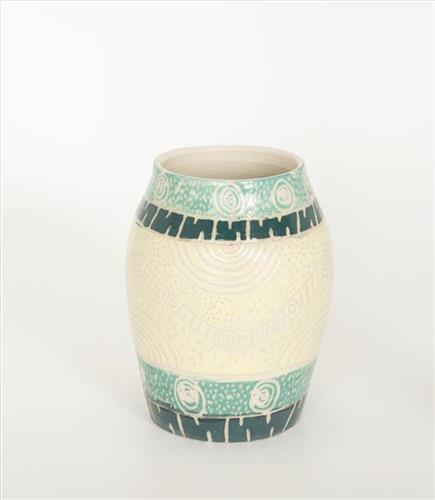
Walka means design or pattern. Artists use this title to describe artworks that are pattern based rather than descriptive or telling a story.
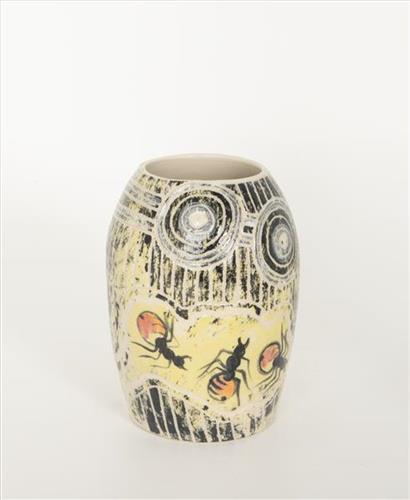
Tjala or honey ants live in nests about a metre underground beneath mulga trees, and they are a highly favoured food source. The tjala tunnels that lead down to the ants’ nests are called nyinantu, and the larvae are called ipilyka-ipilyka. After the rain when the ground is soft the women go digging for tjala by looking for the drill holes under the trees. They then use shovels and crowbars to dig down following the tunnels to find the tjala inside. Anangu suck the delicious rich honey-like liquid from the distended abdomen of the tjala. The story of the tjala is told across the Northern Territory into South Australia and is an important link between Anangu mythology and inter-dependence on the environment.