11153974868


Status: Stock


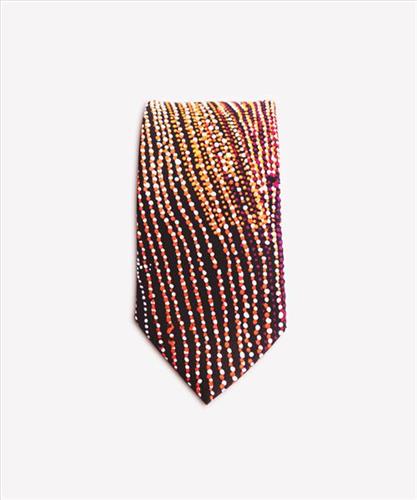
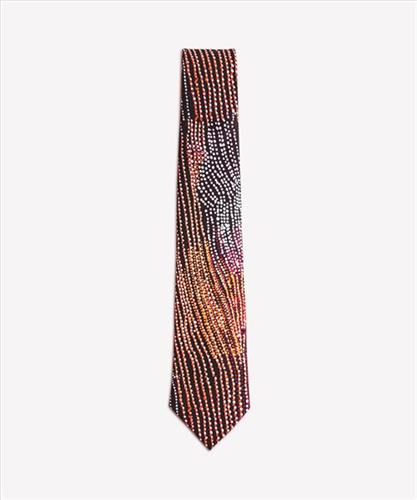
Minyawe Miller – Satin Silk Tie

The rhythmic linear dotting in this work represents the tali (sandhills) of Minyawe’s warran (Country), his ngurra (home Country, camp). 

Miller travelled vast stretches of Martu Country with his family during pujiman (traditional, bush dwelling) times. They traversed the expansive sandhill country between water sources, hunting and gathering bush foods along the way. Rock holes, soaks, springs and waterholes were of vital importance to Martu people in the pujiman era; knowledge of their whereabouts being essential to survival. Specific sites were visited according to the wet or dry seasons and the availability of resources.

In this work, Miller’s use of negative space evokes the long, sharp shadows that announce the days end in the desert. Miller’s restricted colour palette and sparing dot work conjures what could as easily be a starry night sky as a series of shifting sandhills, glinting in the dying light.

100% SILK SATIN WITH COTTON PADDING AND SILK LINING.
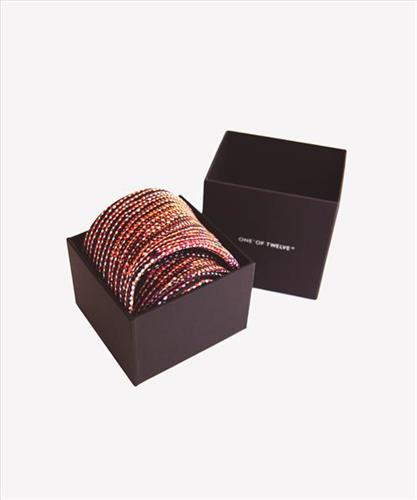
ALL OF OUR TIES COME IN A BEAUTIFUL GIFTBOX AND INCLUDE AN ARTIST’S CARD, DETAILING THE ARTIST’S WORK AND PRACTICE.


11153974865


Status: Stock


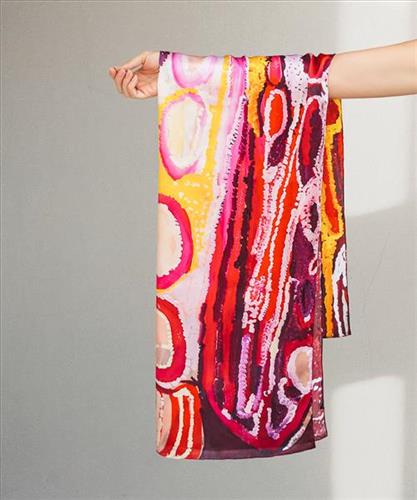
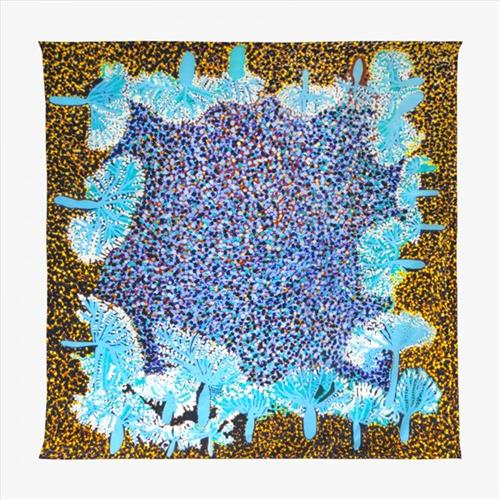
Nancy Nyanjilpayi Chapman – Silk Satin Scarf

“You got to get that kalaru, grind it and make a damper. Get him up and wash him, wash him, wash him then grind him into flour for a damper.” – Nancy Nyanjilpayi Chapman

In this work, Chapman depicts the edible native succulent kalaru (samphire). Kalaru grows in abundance around the warla (salt lakes) and lyinji (clay pans) of Chapman’s Country. The plant sheds edible black seeds that are collected, rinsed many times over, ground into a flour, then used to make damper. It is a time consuming dish that is still created for special occasions today.

Chapman’s painting practice is defined by a similar commitment to process. In this work, the delicate fanning of kalaru fronds gently frame Chapman’s meticulously fine dot work, representing a cache of jewel-like seeds. Chapman’s masterful use of colour and layering add a depth and movement to the work that seems to ripple with the motion of winnowing.

110CM X 110CM 12MM 100% SILK SATIN WITH HAND ROLLED EDGES.
ALL OF OUR SCARES COME IN A BEAUTIFUL GIFTBOX AND INCLUDE AN ARTIST’S CARD, DETAILING THE ARTIST’S WORK AND PRACTICE.
11153974864


Status: Stock


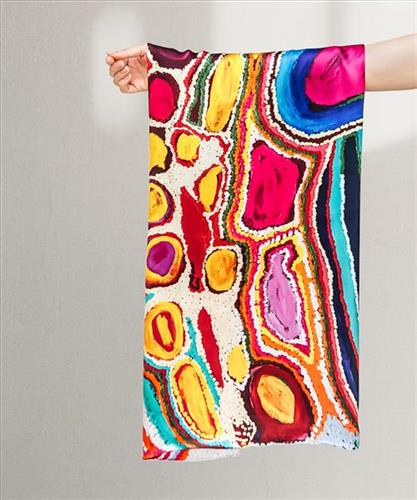
Jakayu Biljabu – Silk Scarf

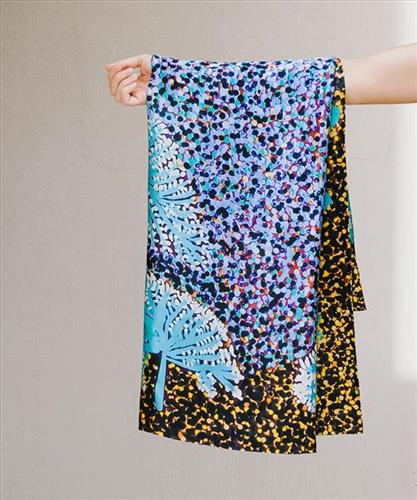
In this work, Jakayu Biljabu transports the viewer into the desert Country traversed by seven sisters as they are chased by a lustful old man.

The epic Minyipuru Jukurrpa (Seven Sisters Story) follows the travels of seven sisters as they are chased across the desert of Martu Country by an amorous old man named Yurla.

Yurla followed the sisters from Roebourne on the coast of Western Australia. At one point in the story, Yurla snatches one of the women, but her sisters trick him and manage to rescue her. Eventually they escape into the sky, taking the form of the seven stars comprising the Pleiades constellation.

67 X 133CM 12MM 100% SILK SATIN WITH HAND ROLLED EDGES.
ALL OF OUR SCARES COME IN A BEAUTIFUL GIFTBOX AND INCLUDE AN ARTIST’S CARD, DETAILING THE ARTIST’S WORK AND PRACTICE.


11153974863


Status: Stock


Jakayu Biljabu – Silk Scarf

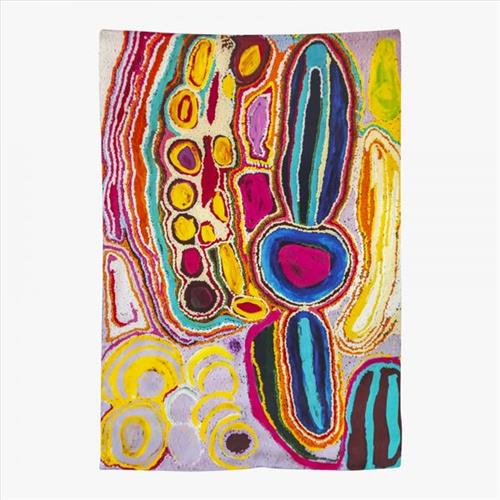
The electrifying work Parnngurr Area relates to the landscape surrounding the Martu community of Parnngurr in the Eastern Pilbara. Significant sites Yalpu, Wangkakarlu, Parnkurrl and Kurran Kurran are depicted – water sources that were crucial to the survival of Biljabu and her family during pujiman. Biljabu’s family travelled from place to place depending on the availability of food and water at these sites, and to fulfil social and ritual obligations.

The epic Minyipuru Jukurrpa (Seven Sisters Story) follows the travels of an amorous old man named Yurla as he chases seven sisters across the desert of Martu Country. The yellow arc-like shapes in this work represent the sisters dancing near Parnngurr.

Yurla followed the sisters from Roebourne on the coast of Western Australia. At one point in the story, Yurla snatches one of the women, but her sisters trick him and manage to rescue her. Eventually they escape into the sky, taking the form of the seven stars comprising the Pleiades constellation.

87cm x 125cm 14mm 100% silk satin with hand rolled edges.

ALL OF OUR SCARES COME IN A BEAUTIFUL GIFTBOX AND INCLUDE AN ARTIST’S CARD, DETAILING THE ARTIST’S WORK AND PRACTICE.
220982429625


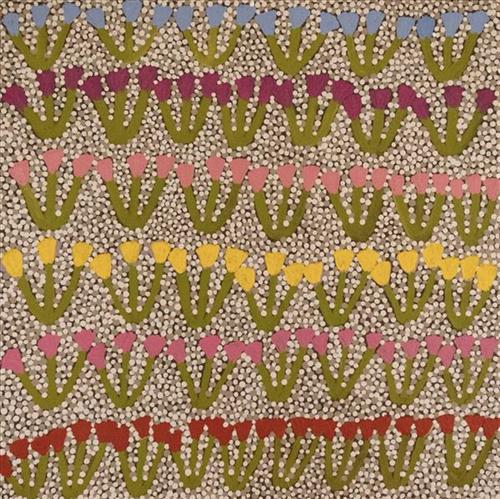
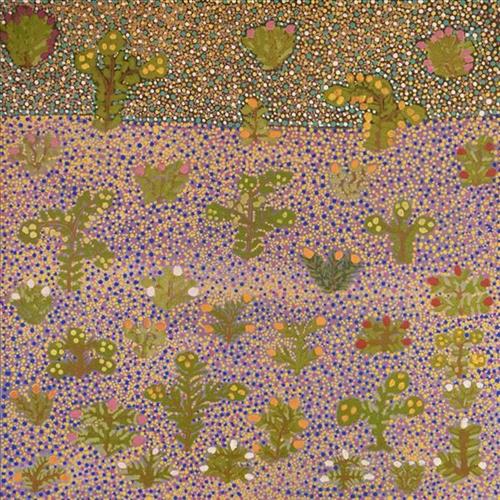
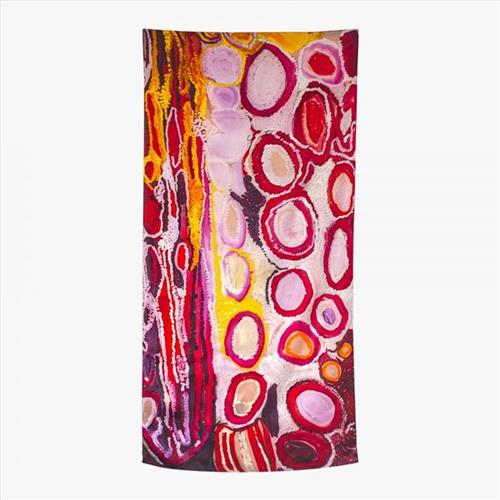
Minnie Ngwarraye Morton – Artna Alpeyt (Bush Flowers)

Minnie is the daughter of Annie Kemarre, her joyous, colourful, patterned paintings depict local bush medicine and bush flower plants and are distinctly her own style

220982431176


Louise Pula Luck – Artna Alpeyt (Bush Flowers)

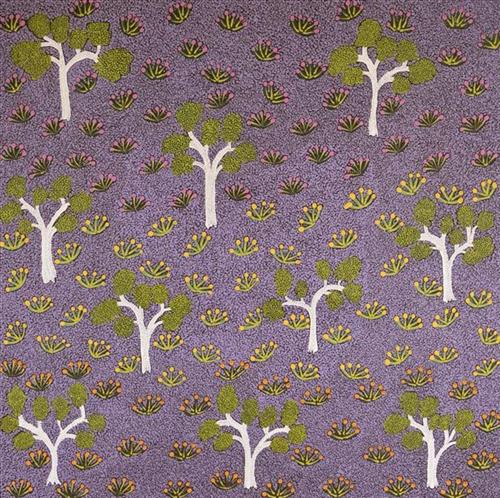
These bush flowers grow seasonly in Alyawarr country, some of which are also used in bush medicine remedies.

When I go out hunting, I like to see all the bush flowers that are flowering and then when I come back, I paint them.

The artists of Ampilatwatja made a conscious decision not to paint altyerr (dreaming stories). The artists paint their country where those stories sit.

220982434905


Alana Ngwarraye Holmes – Ateralth Alpeyt (Wild Flowers)

Out in the plain after the rain the wild flowers grow and bloom, I see these flowers on my mother’s country.

The plant has pretty flowers, we take them home and show them to the children. They are a beautiful purple, yellow and pink colour.

220982435077


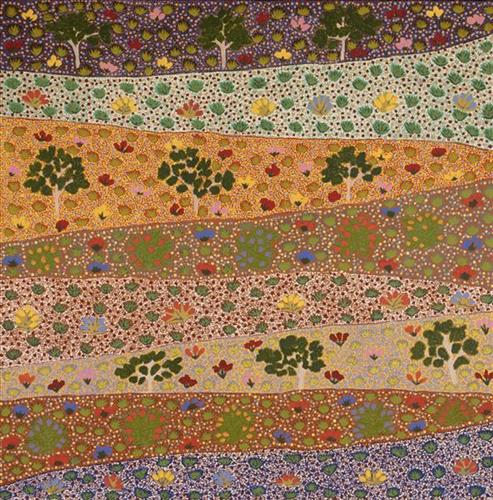
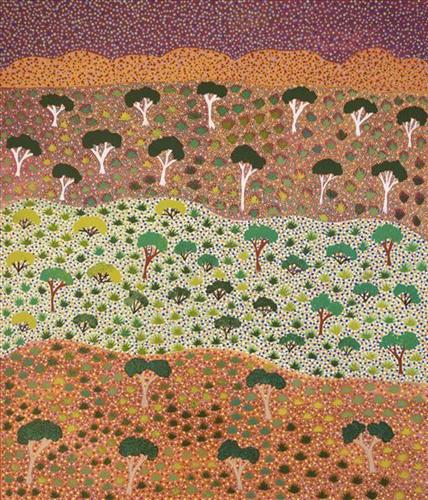
Beverly Pula Luck – Atyenh Amey Amper (My Mother’s Country)

Beverly paints her Mother’s country. When Beverly was a child her mother took her all around her country and showed her the bush medicine and bush tucker.

The knowledge of the bush plants has been handed down through generation to generation and Beverly still spends time hunting and collecting bush medicine plants to use in everyday life.  Taught by her mother and grand mother, Beverly also sings the songs of the bush medicine plants. 

Beverly’s paintings are joyous and full of information regarding bush medicine plants.

The artists of Ampilatwatja made a conscious decision not to paint altyerr (dreaming stories). The artists paint their country where those stories sit.

220982435076


Jessie Pula Luck – Atyenh Artna Arnernp (My Bush Medicine)

I was born in Irrultja, my father’s country. I paint therrpeyt, a plant with red and pink flowers, it is my family symbol. You can suck the flowers to get a sweet honey from. You can wash your body with the leaves to heal sores and clean your body. I paint arreth which grows in the rocky ground and helps fix my sore throat when I make a hot tea from the leaves. I love to paint, I feel happy when I paint, I feel busy and good.

220982435996


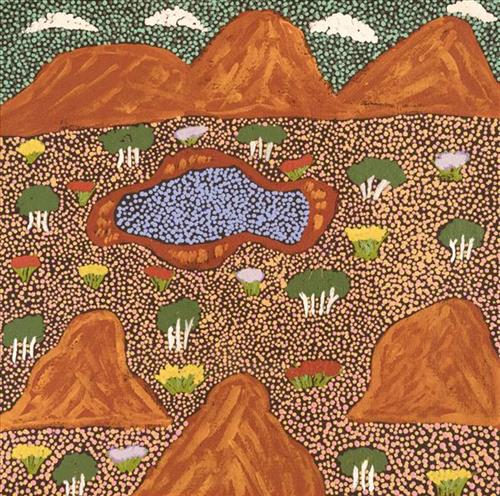
Diane Kemarre Ross – Atyenh Amper (My Country)

This is my country, it’s the country around Irrultja. This is where we like to go after big rain. After big rain there, we can go swimming. There is always good hunting on my country. It is good for me to paint my country and it makes me feel good.

The artists of Ampilatwatja made a conscious decision not to paint altyerr (dreaming stories). The artists paint their country where those stories sit.