11194005102


Status: Stock


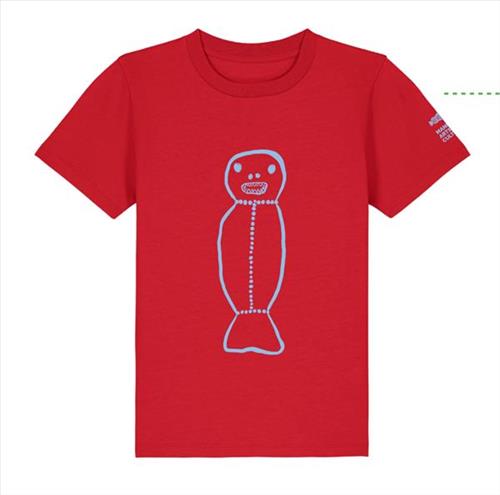
YAWKYAWK Kids RED

This is a depiction of Ngalkunburriyaymi or Yawkyawk, the fish-women spirit. Sometimes compared to the European notion of mermaids, they exist as spiritual beings living in freshwater streams, particularly those in the stone country. These water spirits are perhaps the most enigmatic, and are usually described and depicted with the tails of fish. Thus the Kuninjku people sometime call them ngalberddjenj which literally means ‘the woman who has a tail like a fish’. They have long hair which is associated with trailing blooms of green algae (man-bak in Kuninjku) found in freshwater streams and rock pools. At times they leave their aquatic homes to walk about on dry land, particularly at night.

Aboriginal people believe that at one time all animals were humans. During the time of the creation of landscapes and plants and animals, these ancestor heroes in human form changed into their animal forms via a series of various significant events now recorded as oral mythologies. Today the Kuninjku believe that ngalkunburriyaymi are alive and well and living in freshwater sites in a number of sacred locations. The Kuninjku also believe that ‘clever’ man (magicians with mystical powers called na-kordang) may take these spirits as wives. The father of Mandarrk, a well known artist who resided in the Central Arnhem area, is said to have had such a spirit as a wife. Unfortunately, it is said, she failed one day to return from being sent to fetch water from the river, and returned to her kin. The ngalkunburriyaymi also have husbands and children of their own kind. Their sites are usually shared with the rainbow serpent ngalyod. Some have ritual importance, for example in some depictions, the yawkyawk spirit holds ceremonial string, just like the lengths of string women hold between both hands today during certain public ceremonies. 

There are at least three major ngalkunburriyaymi sacred sites that are well known in the area south and south-west of Maningrida. One site Bolerrhlerr is on the Mann River at a place near Yikarrakkal Outstation where there are rugged rocky banks and clefts beneath stone overhangs in the water. Another very similar site further west in the Kumadderr River district is surrounded by a number of small but very old rock art sites and has become known in English as ‘Dreaming Lady’. A third site is a major yawkyawk dreaming place which is so significant that the traditional Dangkorlo clan custodians have set up an outstation near the site. The identity of this group is very much related to their yawkyawk dreaming for which they have spiritual and practical responsibility. 
11194005101


Status: Stock


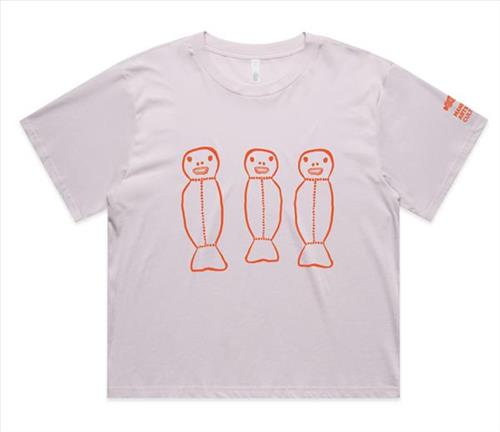
YAWKYAWK Crop Tee

This is a depiction of Ngalkunburriyaymi or Yawkyawk, the fish-women spirit. Sometimes compared to the European notion of mermaids, they exist as spiritual beings living in freshwater streams, particularly those in the stone country. These water spirits are perhaps the most enigmatic, and are usually described and depicted with the tails of fish. Thus the Kuninjku people sometime call them ngalberddjenj which literally means ‘the woman who has a tail like a fish’. They have long hair which is associated with trailing blooms of green algae (man-bak in Kuninjku) found in freshwater streams and rock pools. At times they leave their aquatic homes to walk about on dry land, particularly at night.

Aboriginal people believe that at one time all animals were humans. During the time of the creation of landscapes and plants and animals, these ancestor heroes in human form changed into their animal forms via a series of various significant events now recorded as oral mythologies. Today the Kuninjku believe that ngalkunburriyaymi are alive and well and living in freshwater sites in a number of sacred locations. The Kuninjku also believe that ‘clever’ man (magicians with mystical powers called na-kordang) may take these spirits as wives. The father of Mandarrk, a well known artist who resided in the Central Arnhem area, is said to have had such a spirit as a wife. Unfortunately, it is said, she failed one day to return from being sent to fetch water from the river, and returned to her kin. The ngalkunburriyaymi also have husbands and children of their own kind. Their sites are usually shared with the rainbow serpent ngalyod. Some have ritual importance, for example in some depictions, the yawkyawk spirit holds ceremonial string, just like the lengths of string women hold between both hands today during certain public ceremonies. 

There are at least three major ngalkunburriyaymi sacred sites that are well known in the area south and south-west of Maningrida. One site Bolerrhlerr is on the Mann River at a place near Yikarrakkal Outstation where there are rugged rocky banks and clefts beneath stone overhangs in the water. Another very similar site further west in the Kumadderr River district is surrounded by a number of small but very old rock art sites and has become known in English as ‘Dreaming Lady’. A third site is a major yawkyawk dreaming place which is so significant that the traditional Dangkorlo clan custodians have set up an outstation near the site. The identity of this group is very much related to their yawkyawk dreaming for which they have spiritual and practical responsibility. 
11194000961


Status: Stock


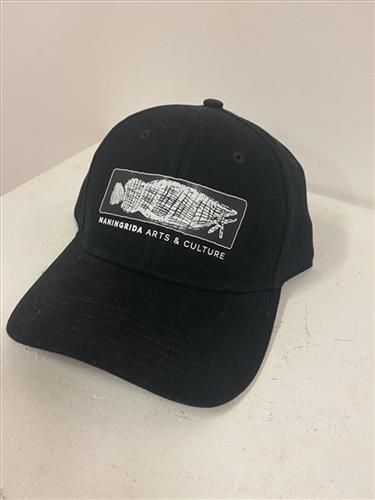
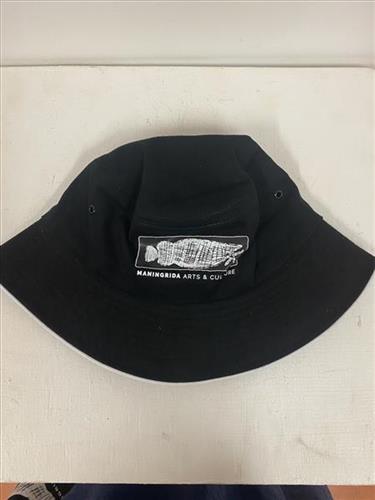
Maningrida Arts & Culture – Cap (black)

Maningrida Arts & Culture is a pre-eminent site of contemporary cultural expression and art-making, abundant with highly collectable art and emerging talent.

Through their homelands resource organisation, Bawinanga Aboriginal Corporation, artists turned an art trade that began just over 50 years ago into a multi-million dollar arts and cultural enterprise. Maningrida Arts & Culture supported hundreds of artists on their homelands, more than 20 artworkers, held 20 exhibitions annually, won prestigious awards, and enjoyed the international fame and success that the boom in the Aboriginal art market of the 1990s and 2000s enabled.

Acclaimed senior artists including Owen Yalandja, Ivan Namirrkki, Janet Marawarr, Lena Yarinkura and Jack Nawilil continue to expand their mediums and narratives. Artists such as Paul Nabulumo, Samson Bonson, Anniebelle Marrngamarrnga, Serena Bonson, Jeremiah Bonson, and Fiona Jin-majinggal have emerged to become a formidable force in the national and international landscape. They sit alongside the leading proponents of a fibre sculpture movement. Doreen Jinggarrabarra, Freda Wayartja Ali, Bonnie Burarn.garra, Dorothy Bunibuni, Lorna Jin-gubarrangunyja, Marina Murdilnga, Frewa Bardaluna, Helen Stewart and Vera Cameron are amongst a group of female artists who reinterpret functional forms using natural fibres to create highly sought-after pieces across the fine art and interior design sectors.

We protect the place in history for those artists who have come before, among them: J. Mawurndjul AM, K. Lindjuwanga, Bob Burruwal, Samuel Namundja, Crusoe Kurddal, Laurie Marbaduk, Yirawala, Wally Mardarrk, John Bulunbulun, Peter Marralwanga, England Banggala, Elizabeth Mipilangurr, Lena Djamarrayku, Mary Marabamba and Jack Wunuwun.

Their legacy can be experienced in current and forthcoming exhibitions across Australia and internationally, showcasing the collectable artwork of today’s artists.

11194000960


Status: Stock


Maningrida Arts & Culture – Bucket Hat (black)

Maningrida Arts & Culture is a pre-eminent site of contemporary cultural expression and art-making, abundant with highly collectable art and emerging talent.

Through their homelands resource organisation, Bawinanga Aboriginal Corporation, artists turned an art trade that began just over 50 years ago into a multi-million dollar arts and cultural enterprise. Maningrida Arts & Culture supported hundreds of artists on their homelands, more than 20 artworkers, held 20 exhibitions annually, won prestigious awards, and enjoyed the international fame and success that the boom in the Aboriginal art market of the 1990s and 2000s enabled.

Acclaimed senior artists including Owen Yalandja, Ivan Namirrkki, Janet Marawarr, Lena Yarinkura and Jack Nawilil continue to expand their mediums and narratives. Artists such as Paul Nabulumo, Samson Bonson, Anniebelle Marrngamarrnga, Serena Bonson, Jeremiah Bonson, and Fiona Jin-majinggal have emerged to become a formidable force in the national and international landscape. They sit alongside the leading proponents of a fibre sculpture movement. Doreen Jinggarrabarra, Freda Wayartja Ali, Bonnie Burarn.garra, Dorothy Bunibuni, Lorna Jin-gubarrangunyja, Marina Murdilnga, Frewa Bardaluna, Helen Stewart and Vera Cameron are amongst a group of female artists who reinterpret functional forms using natural fibres to create highly sought-after pieces across the fine art and interior design sectors.

We protect the place in history for those artists who have come before, among them: J. Mawurndjul AM, K. Lindjuwanga, Bob Burruwal, Samuel Namundja, Crusoe Kurddal, Laurie Marbaduk, Yirawala, Wally Mardarrk, John Bulunbulun, Peter Marralwanga, England Banggala, Elizabeth Mipilangurr, Lena Djamarrayku, Mary Marabamba and Jack Wunuwun.

Their legacy can be experienced in current and forthcoming exhibitions across Australia and internationally, showcasing the collectable artwork of today’s artists.

11194000646


Status: Stock


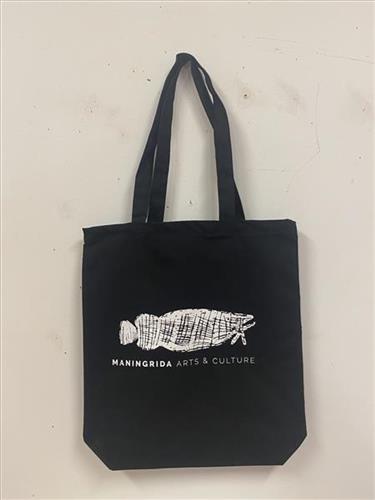
Maningrida Arts & Culture – Black Tote

Maningrida Arts & Culture is a pre-eminent site of contemporary cultural expression and art-making, abundant with highly collectable art and emerging talent.

Through their homelands resource organisation, Bawinanga Aboriginal Corporation, artists turned an art trade that began just over 50 years ago into a multi-million dollar arts and cultural enterprise. Maningrida Arts & Culture supported hundreds of artists on their homelands, more than 20 artworkers, held 20 exhibitions annually, won prestigious awards, and enjoyed the international fame and success that the boom in the Aboriginal art market of the 1990s and 2000s enabled.

Acclaimed senior artists including Owen Yalandja, Ivan Namirrkki, Janet Marawarr, Lena Yarinkura and Jack Nawilil continue to expand their mediums and narratives. Artists such as Paul Nabulumo, Samson Bonson, Anniebelle Marrngamarrnga, Serena Bonson, Jeremiah Bonson, and Fiona Jin-majinggal have emerged to become a formidable force in the national and international landscape. They sit alongside the leading proponents of a fibre sculpture movement. Doreen Jinggarrabarra, Freda Wayartja Ali, Bonnie Burarn.garra, Dorothy Bunibuni, Lorna Jin-gubarrangunyja, Marina Murdilnga, Frewa Bardaluna, Helen Stewart and Vera Cameron are amongst a group of female artists who reinterpret functional forms using natural fibres to create highly sought-after pieces across the fine art and interior design sectors.

We protect the place in history for those artists who have come before, among them: J. Mawurndjul AM, K. Lindjuwanga, Bob Burruwal, Samuel Namundja, Crusoe Kurddal, Laurie Marbaduk, Yirawala, Wally Mardarrk, John Bulunbulun, Peter Marralwanga, England Banggala, Elizabeth Mipilangurr, Lena Djamarrayku, Mary Marabamba and Jack Wunuwun.

Their legacy can be experienced in current and forthcoming exhibitions across Australia and internationally, showcasing the collectable artwork of today’s artists.


221382351254


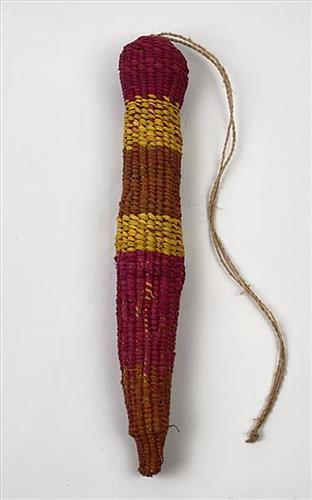
Bush Yam

Fibre Art is an ancient Aboriginal women’s craft that is still made today using the same techniques as their ancestors. Making fibre art is labour intensive and much care and fine needlework is required to ensure the finished object is both functional and beautiful. Fibre art from Ghunmarn Culture Centre includes dilly bags, floor mats, bush fans, woven creatures found in the landscape, plants such as yams (bush potato), baskets, place mats, and spirit figures such as mermaids and Mukuys. Natural pandanus fibre (Mukarra), is used to make much of the fibre art produced by the artists of Djilpin Arts. Women collect the pandanus by pulling from the top of the pandanus tree, then stripping and drying the leaves before they are dyed with natural bush colour collected from the Beswick surrounds.

115682351428


JB Fisher – Mewal

This painting is about the story of the rock Mewal, that is the embodiment of the spirit man Mokuy who created the honey men/sugar bag tribe. In the story, Mokuy runs away from from a burning grass fire and to escape he turns into the special curved shape rock that is just outside Ramingining. In this painting people are singing and dancing to Mewal around a special tree. It is a ceremony day. People are also collecting Yams (Pitarro) a bush tucker vegetable that is black on the outside and white on the inside.

This is JB Fisher’s story from his country in the heritage listed Arafura Wetlands in North East Arnhem Land. He has inherited this story from his Father, and his Fathers Father, and this story goes back forever. As long as the Yolngu people have been here.


359709482351948


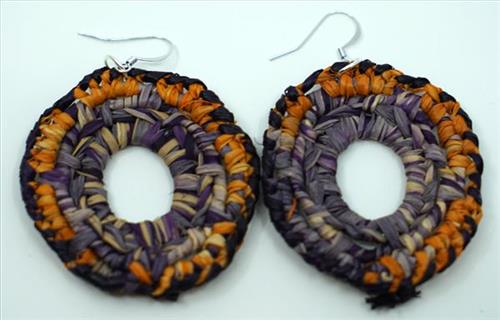
Ear ring

Art centre notes:

Made from natural raffia.

The dyes used on the raffia are commercial and colour fast.

The findings are sterling silver plate.

359709482351947


Ear ring

Art centre notes:

Made from natural raffia.

The dyes used on the raffia are commercial and colour fast.

The findings are sterling silver plate.