111582336272


Untitled

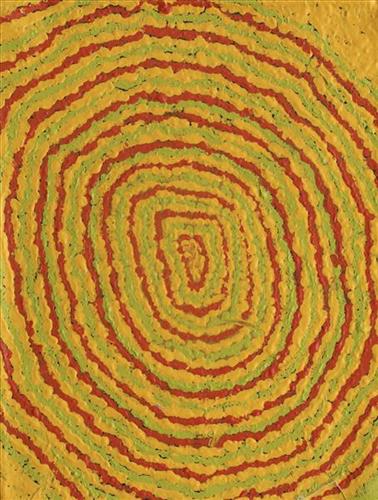
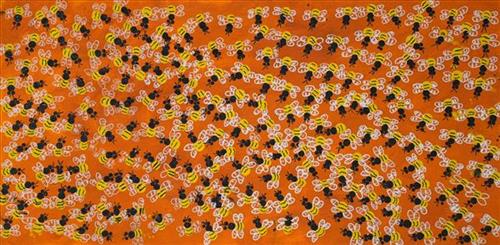
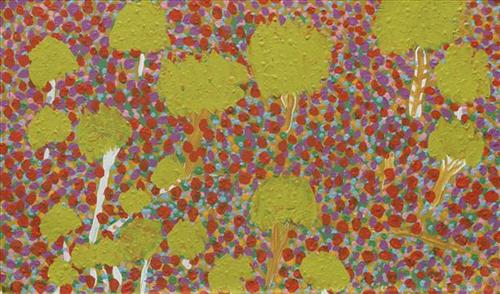
This work portrays an area known to the artist, painted here from memory. During the pujiman (traditional, desert dwelling) era one’s survival depended on their intimate knowledge of the location of resources; thus physical elements of Country, such as sources of kapi (water), tali (sandhills), and different varieties of warta (trees, vegetation) were carefully observed and remembered. Today, this relationship with Country remains equally strong, despite the movement of Martu out of the desert and into remote Aboriginal communities, towns and cities.

Also visible may be traces of life cycles based around kalyu (rain, water) and waru (fire). A thousands of year old practice, fire burning continues to be carried out as both an aid for hunting and a means of land management today. As the Martu travelled and hunted they would burn tracts of land, ensuring plant and animal biodiversity and reducing the risk of unmanageable, spontaneous bush fires. The patchwork nature of regrowth is visible in many landscape works, with each of the five distinctive phases of fire burning visually described with respect to the cycle of burning and regrowth.  

Finally, metaphysical information relating to a location may also be recorded; Jukurrpa (Dreaming) narratives chronicle the creation of physical landmarks, and can be referenced through depictions of ceremonial sites, songlines, and markers left in the land. 
111582336271


Untitled

Martumili Artists work with over three hundred artists from remote Martu Aboriginal communities, including Punmu, Parnngurr, Kunawarritji, Jigalong, Irrungadji (Nullagine), and Warralong, as well as from the Parnpajinya (Newman) gallery and studio spaces. Known for their diverse, energetic, and unmediated painting styles, their works reflect the dramatic geography and scale of their homelands. Each artist, however, brings a unique approach to their craft.

Younger Martu artists often start painting alongside their parents, grandparents, and extended family, which fosters an organic learning process. This not only involves mastering painting techniques but also understanding specific locations, family histories, traditional ways of life, bush tucker, and Jukurrpa (Dreaming). Over time, with encouragement from their peers, they develop their own distinct styles and explore unique painting techniques and subject matter. In this work the artist brings a contemporary, evolving perspective to their work.

225182336593


Kurranji (Cassowary)

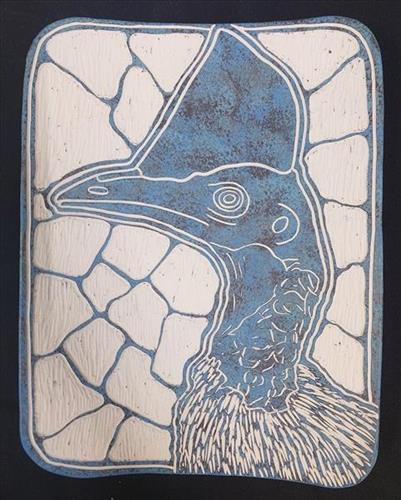
Long time ago, the cassowary was a precious food source for our ancestors. They ate the meat and the eggs, used the feathers for ceremonies and weaving, and the skins for blankets.  The Cassowary is a powerful Totem for us because it helps growing many plants that were important for food, medicine and tool making. The Cassowary can walk wide distances and spread the seeds of the fruits he eats everywhere. Plants grow also out of his dung.

I show the cassowary in my art because it is also my partner’s totem. He performs the cassowary dance in public ceremonies. It was bestowed on him by his mother’s sister when he was a young boy. In 1997 he went with the Yalanji Dance Group to Hong Kong to perform the Cassowary dance there.”

225182336591


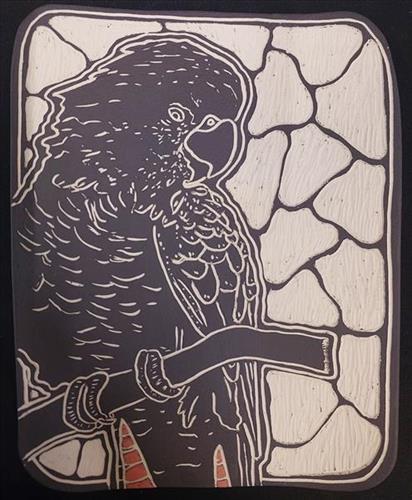
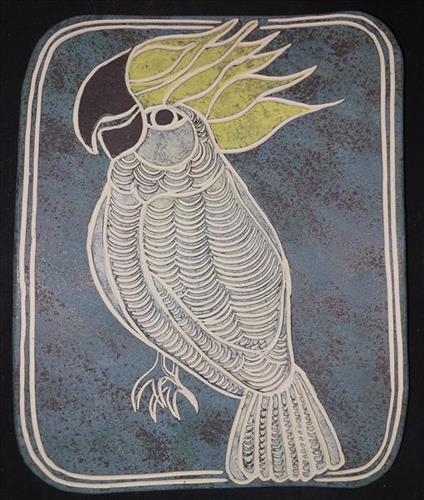
Kadanji (Black Cockatoo)

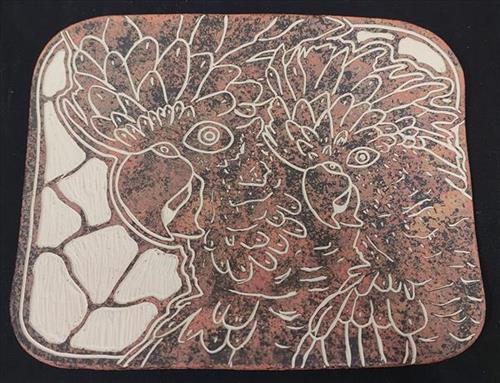
The black cockatoo is my totem. It has been passed down to me from my grandmother and her sisters, to my mum and her sisters and then it came to me and my sisters.

I use the black cockatoo often in my art not only because it is my Totem but also to thank my grandmother’s sisters (Kae Creek, Leyla Creek and Margaret Rocky). They are artists and I used to watch them when I was a young girl. This inspired me to become an artist myself.

So, the Black Cockatoo shows on a personal level how I honour to these women artists, who came before me and changed my life.

225182336590


Kadanji (Black Cockatoo)

The black cockatoo is my totem. It has been passed down to me from my grandmother and her sisters, to my mum and her sisters and then it came to me and my sisters.

I use the black cockatoo often in my art not only because it is my Totem but also to thank my grandmother’s sisters (Kae Creek, Leyla Creek and Margaret Rocky). They are artists and I used to watch them when I was a young girl. This inspired me to become an artist myself.

So, the Black Cockatoo shows on a personal level how I honour to these women artists, who came before me and changed my life.

225182336588


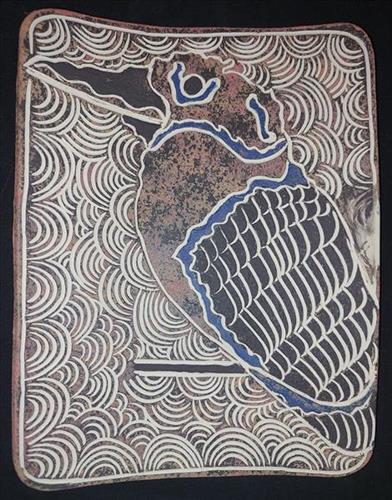
Wakuka (Kookaburra)

Wakuka (Kookaburra) is an important totem or spiritual being for our Kuku Yalanji clans. We call him a messenger bird because he lets us know when a family member has passed away.

225182336581


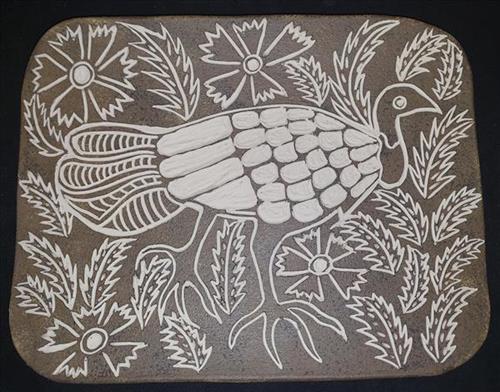
Diwan (Scrub Turkey)

Diwan are bush food – an important source of meat. We also eat the eggs. They are a delicacy. The male bird looks after the nest and will not go far, as he has to protect the nest from bush goanna’s. If they come around, he will send out an alarm call to other Diwan to alert therm. The nesting time for Diwan is September to December. The bush goanna knows when the eggs will be ready to hatch. When the goannas start hanging around, this is a good sign that the eggs are ready. We dig for eggs with digging sticks or by hand. The nest is very deep and when you can feel the warmth with your hands, you know that the eggs are close-by. The eggs are very good for health and make you strong.