111982316988


Kunkurra (The Spiralling Wind)

‘Kunkurra’, the spiralling wind is associated with several sites in the Kardbam clan estate. On one level, this painting can be interpreted as a depiction of the kinds of mini-cyclones common during the wet season in Arnhem Land, where the artist lives. In this painting, Kunkurra also relates specifically to a site called Bilwoyinj, near Mankorlod.

At this site, two of the most important Kuninjku creation beings, a father and son known as na-korrkko, are believed to have hunted and eaten a goanna. They left some of the goanna fat behind at the site, which turned into the rock that still stands there today. The word Bilwoyinj, which is the name of this site, also refers to the fat of the goanna. Bilwoyinj site is also a ceremonial ground for a ceremony called Yabbaduruwa, a major ceremony owned by the Yirridja patrimoiety. The Yabbaduruwa ceremony is primarily concerned with initiation, land ownership and promoting the cyclical regeneration of the human and natural worlds.
111982316987


Kunkurra (The Spiralling Wind)

‘Kunkurra’, the spiralling wind is associated with several sites in the Kardbam clan estate. On one level, this painting can be interpreted as a depiction of the kinds of mini-cyclones common during the wet season in Arnhem Land, where the artist lives. In this painting, Kunkurra also relates specifically to a site called Bilwoyinj, near Mankorlod.

At this site, two of the most important Kuninjku creation beings, a father and son known as na-korrkko, are believed to have hunted and eaten a goanna. They left some of the goanna fat behind at the site, which turned into the rock that still stands there today. The word Bilwoyinj, which is the name of this site, also refers to the fat of the goanna. Bilwoyinj site is also a ceremonial ground for a ceremony called Yabbaduruwa, a major ceremony owned by the Yirridja patrimoiety. The Yabbaduruwa ceremony is primarily concerned with initiation, land ownership and promoting the cyclical regeneration of the human and natural worlds.
111982316986


Komrdawh (Northern snake-necked turtle)

Chelodina rugosa

Komrdawh are a popular food source for Kunikjuku people of West Arnhem. They would be caught using a Mandjabu (Concial Fish Trap) in rivers and creeks as well as using spears or digging sticks in billabong and floodplain areas.

Yoh kalawan la borlokko birringuyi kalawan nungan karrangbulurlhme, komrdawh, Bulkay.

Yes, they ate goanna and water pythons, and goannas, the mangrove monitor and northern snake-necked turtles there at Bulkay

11564005028


Status: Stock


Ratjuk (Barramundi) by Billy Black

Screenprinted tea towel with Lorrpu (Sulphur-crested Cockatoo) design 

100% linen
70 x 50cm
Available in black and flax colours 

Manymak (very good)! This product helps build a sustainable source of income for Yolŋu artists and art workers at Bula’Bula Arts.

ARTWORK STORY

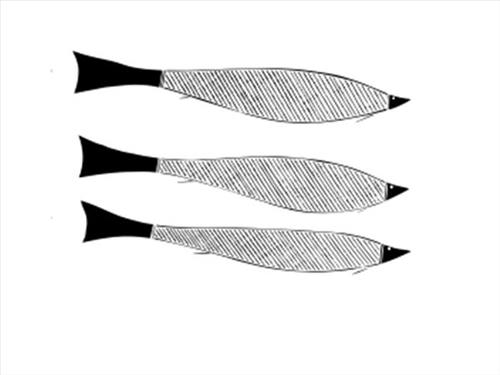
This is a Dhuwa Story. In my back country in the other side we have lots of Barramundi. This is our mother’s totem. These barramundi are a little bit salt and a little bit fresh water. The Rarrk is depicting the water and the shape of the tail and mouth indicate that they are Barramundi. The Rarrk is the fish and the water.

This beautiful depiction of Ratjuk,-Barramundi in the animated and calligraphic style becoming synonymous with Billy Black’s work is painted on a background of the traditional crosshatching (Rarrk) technique of North east Arnhem land.The Rarrk represents the water, abundant with fish which could be salt water or freshwater. Freshwater Barramundi with yellow/orange eyes has a sweeter flesh than the red eyed ocean dwelling Barramundi with firmer flesh. Barramundi has always been a staple food source for Yolngu and often 40 to 50 fish are caught in a few hours, cooked in silver paper on a fire to feed the hunters. The rest are strung on vine ropes and shared with family. 

11564005027


Status: Stock


Gumang Mapu (Magpie Goose Egg) by George Milpurrurru

 Screenprinted tea towel with Banami (brolga) design
100% linen
70 x 50cm
Available in black and flax colours 

Manymak (very good)! This product helps build a sustainable source of income for Yolŋu artists and art workers at Bula’Bula Arts.

ARTWORK STORY 

The Yolngu (people) of Arnhem Land originate from a spiritual source, fixed in a particular place in their land or the sea. These ‘Spiritual Reservoirs’ are often in the form of special waterholes made by Wangarr (Creative Beings), long ago close to the beginning of time.

The creator beings moved across the country side, shaping the land and implanting in each tract of country, the spiritual life force for the people who were to own it. These Creative Spirits took many forms. When they gave the land to each group they also gave songs, dances, ceremony, the associated laws and language. The Creation story for Ganalbingu people took place near the middle section of the Glyde River where it becomes the Goyder River. Their land, Ngaliyindi, sits astride the Arafura Swamp in Central Arnhem Land.

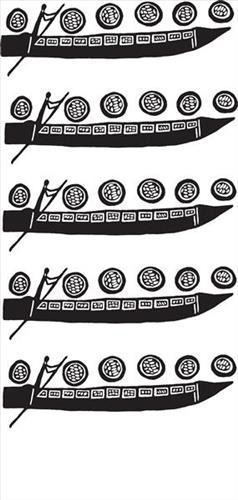
In this design, Milpurrurru has depicted men in bark canoes collection Gumang Mapu (magpie goose eggs), which are sacred to the Ganalbingu people. To the east of the Arafura Swamp is a freshwater billabong which is said to have been made by the Goose Spirit and is in the shape of a goose nest. As a result, geese, their eggs and their nests are sacred.

11564005026


Status: Stock


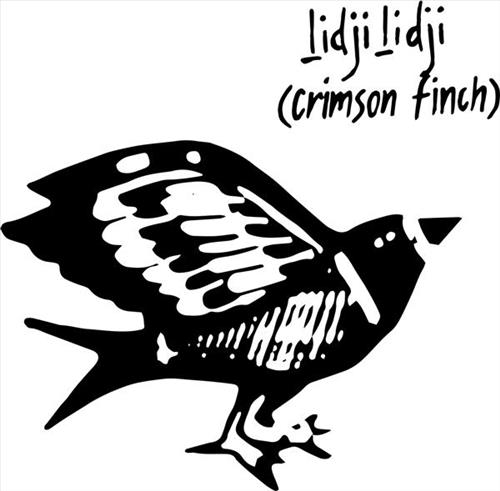
Lidji Lidji (Crimson Finch) by Andrew Malibirr

Manymak (very good)! This product helps build a sustainable source of income for Yolŋu artists and art workers at Bula’Bula Arts.

  • Screenprinted linen tea towel with Gurrumatji (Magpie Geese) design 
  • 100% linen
  • 70cm x 50cm
  • Available in black and flax colours 


ARTWORK STORY 

This artwork represents totemic finches. These birds herald the beginning of the dry season and are associated with the Ganalbingu clan. Lidji Lidji are also represented in ceremonial song and dance.

11564004770


Status: Stock


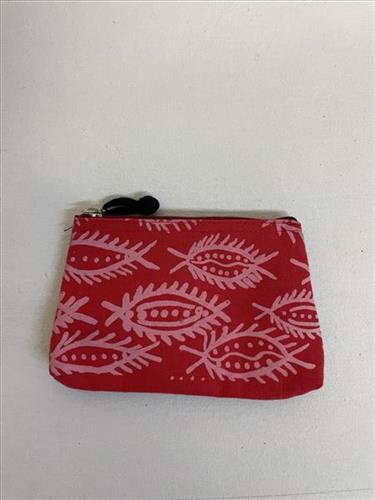
Poppet purse S

FABRIC ARTWORK

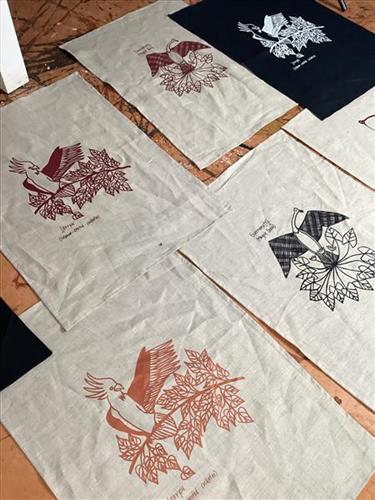
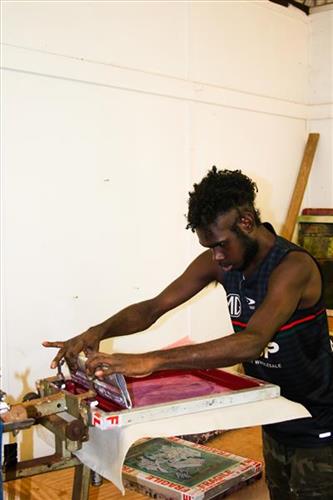
This product was screenprinted by Yolŋu art workers at Bula’Bula Arts. We print small batches of tea towels, tshirts and fabric lengths by hand because we love putting Yolŋu designs on everyday items – especially ones that balanda (non-Yolŋu) use! Due to the lovely handmade nature of this product, print quality may vary.

 Available in four fabric designs and multiple colourways:

  • Dawurrmonuk (itchy caterpillar) by Evonne Gayuwrri
  • Lidjilidji (Crimson Finch) by Andrew Wanamilil
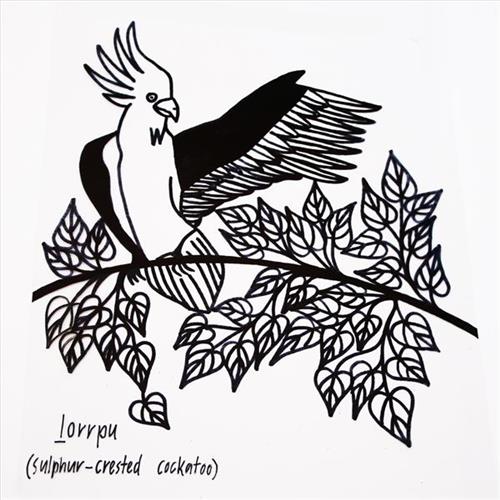
  • Lorrpu (Sulphur-crested Cockatoo) by Peter Gambung
  • Ngambi (limestone) spear by Shannon Ashley

Manymak (very good)! Buying Bula’Bula Arts products helps us build a sustainable income source for our 150 artists and artworkers from Ramingining and surrounding outstations.


WORKING WITH FLYING FOX FABRICS 

We work with Flying Fox Fabrics, a small social enterprise based in Darwin. Flying Fox Fabrics, make and sell accessories, clothing and homewares from fabrics designed by Aboriginal artists which have been hand printed in Australia. They work in partnership with Aboriginal artists and fair trade organisations in Cambodia that train and employ disabled artisans.

11564004657


Status: Stock


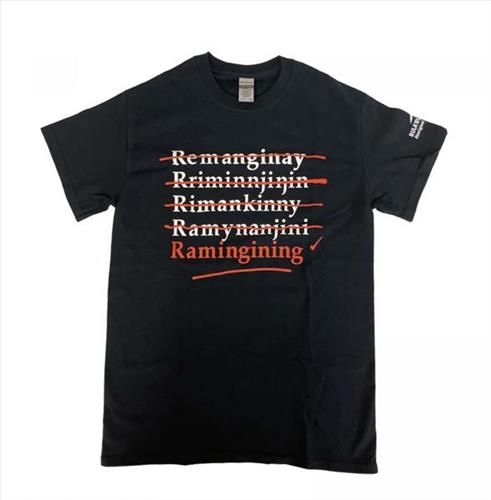
Ramingining Tshirt

It gets pretty hot up in the top end, so you need to look as cool as possible to counteract those 30 degree+ days. Enter this shirt from Bula’bula which is not only good looking, but also teaches you how to actually spell Ramingining!

100% cotton.

Made in collaboration with MCA, Sydney.

11564004644


Status: Stock


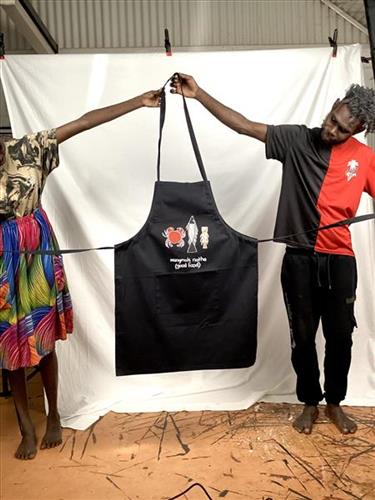
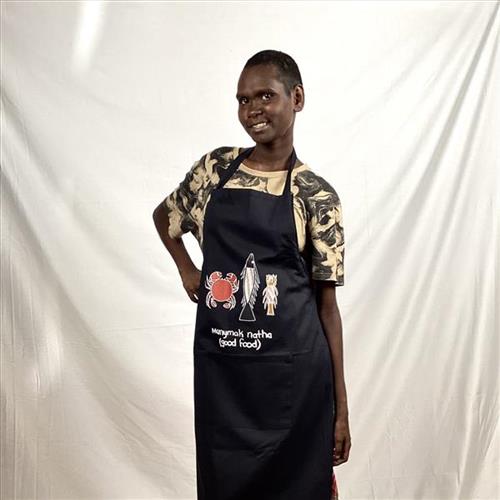
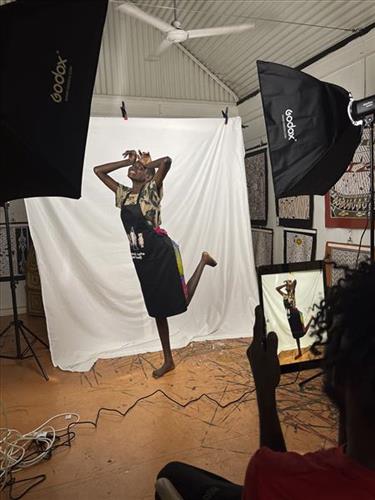
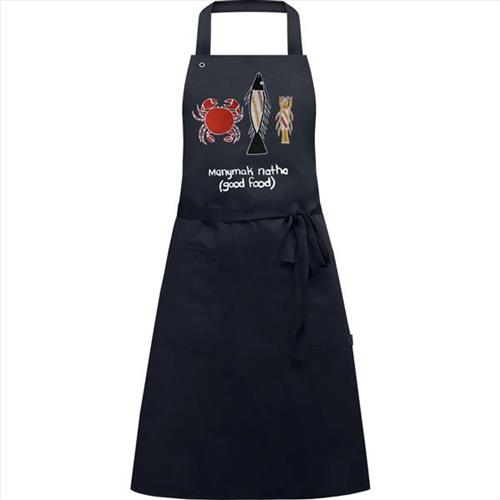
‘Manymak natha’ (good food)

Perfect the art of cooking in our ‘Manymak natha’ apron – it means ‘good food’! The design is made from three original artworks and features traditional Yolgnu bush foods from both freshwater and saltwater sources.

Cotton drill apron with pocket and adjustable straps.

ARTISTS

  • Nyoka (crab), Benjamin Garrawurra
  • Wuldulbal/badju (bream), JB Fisher
  • Dakawa (yabby), Peter Gambung 

Manymak (very good)!

This product helps build a sustainable source of income for Yolŋu artists and art workers at Bula’Bula Arts.

11564004496


Status: Stock


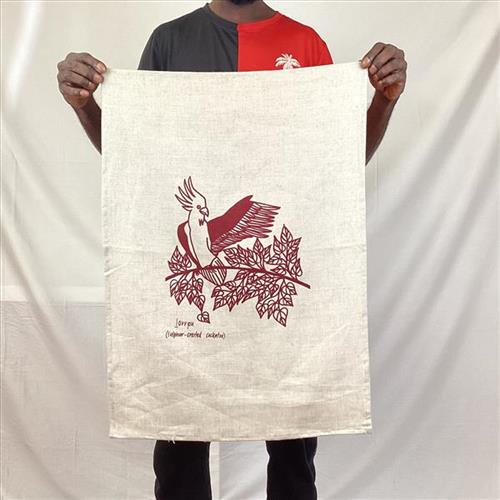
Lorrpu (Sulphur-crested Cockatoo) by Angela Malibirr

  • Screenprinted tea towel with Lorrpu (Sulphur-crested Cockatoo) design 
  • 100% linen
  • 70 x 50cm
  • Available in black and flax colours 

Manymak (very good)! This product helps build a sustainable source of income for Yolŋu artists and art workers at Bula’Bula Arts.

ARTWORK STORY

Lorrpu (Sulphur-crested Cockatoo) are a totemic species significant to the Gupapuyngu clan of the Yirritja moiety. They are represented through storylines and songlines during ceremonial practises. Lorrpu can be found in large flocks across the Arafura Swamp.