Wildflowers
My Country has many beautiful wildflowers. They inspire my paintings
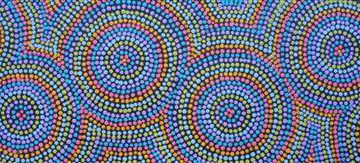
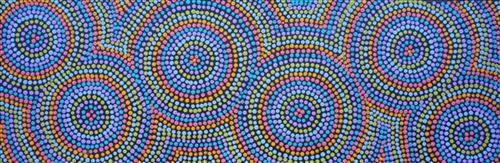
My Country has many beautiful wildflowers. They inspire my paintings
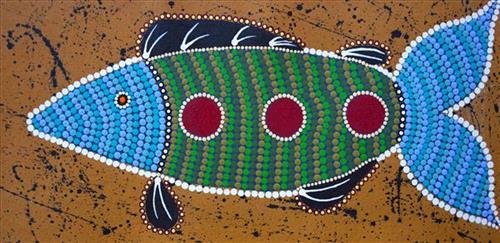
When I go out bush with my family my kids love to go fishing. In our fresh water pools we catch fresh water fish called milinja we cook them on the fire and eat it with damper.
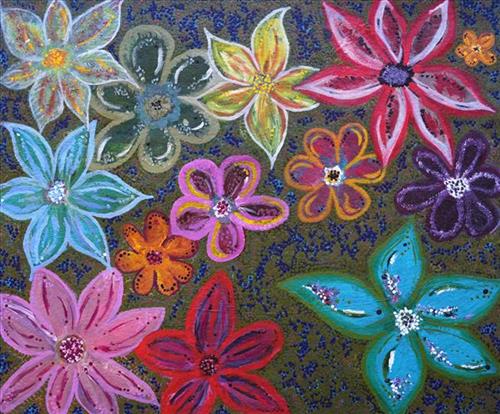
We have so many wildflowers in the Pilbara in many beautiful colours.
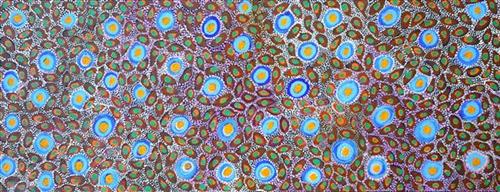
Blue Gum Tree (Ganyji) The Blue Gum Tree, gets its name because of its bluish leaves. In Yindjibarndi language it is called Ganyji, in English, Kanji Bush (Acacia pyrifolia).This painting depicts elements of the bush – its blue leaves and yellow flowers against the red and green of the earth. When the rain comes, or when there has been a heavy dew, the Blue Gum Tree just shimmers in the light. In September, when we are looking for gum from the Blue Gum Tree, we walk through the spinifex country. We pick the gum when it is crystal coloured, and we eat it, or put it into hot water and leave it out in the sun to make it like a toffee. We call it sugar lolly.
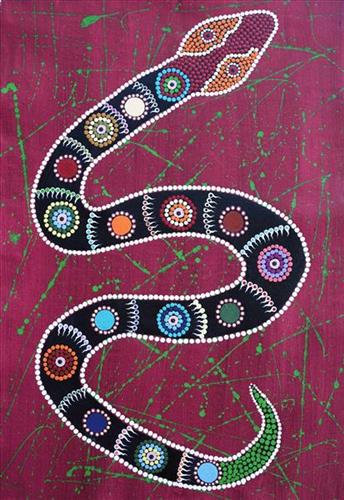
The water snake belonging to the Yinjarbarndi people doesn’t like any noise or certain people like strangers from other places and its bad enemy, the plain kangaroo.

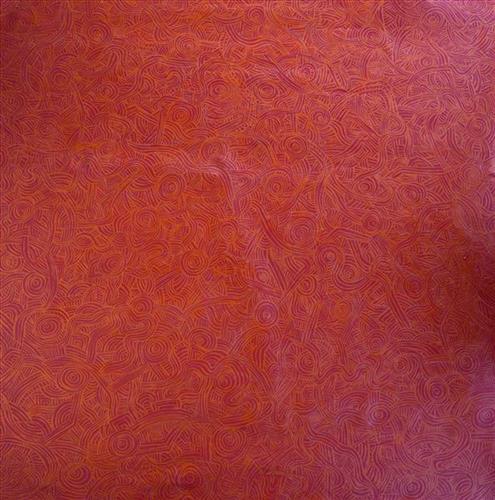
This painting represents the warmth and love I have for a lady I was proud to call my mother. After losing her, I as an artist felt myself being motivated to do a series of paintings to deal with my grief and the void she has left in my heart and life itself. The earlier pieces in the series used dark colours to represent the devastation and overwhelming grief of losing my mum (Aunty). I realised this painting is me slowly moving through the grief and beginning to find light again. This is my journey as an artist, using my painting to navigate the process that we all go through in life called grief. After working on this piece I realised that the colours I have used in the background represent the warmth and love my mum had for her family and those around her. The copper represents my Mum’s love and respect for her Country and many trips she enjoyed travelling with loved ones out bush.
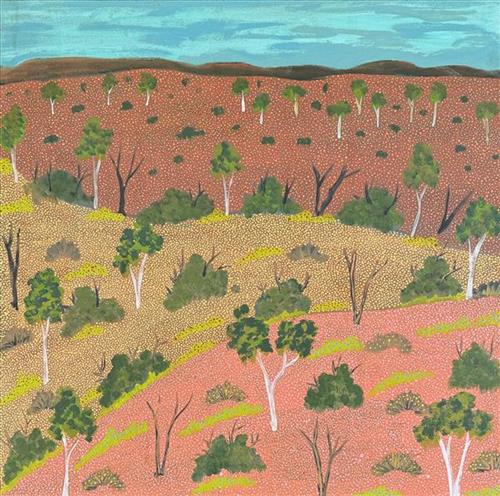
The community of Ampilatwatja made a conscious decision not to paint ‘altyerr’ dreaming stories, the artists paint their country where those stories sit.
Alec was born at McDonald Downs Station. He grew up there with his family living traditionally on the land. Alec did not attend school, he moved between different communities with his family.
Knowing your country is an important part of living in a remote community like Ampilatwatja. Knowing when and where to go hunting and gathering, knowing where there is ‘soakage’ (where you can dig for water), travelling with family for ceremonies, and maintaining a connection with the land.
“This is my country, my view of country.”
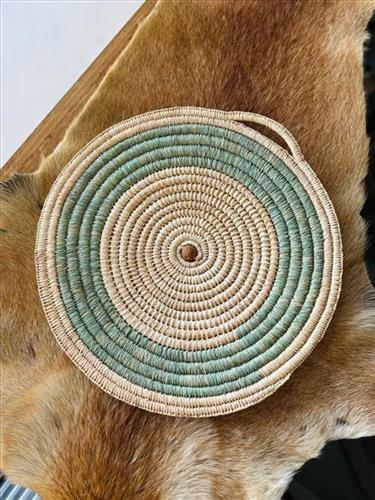
This woven piece represents connection to country. Connection to country represents a deep spiritual and cultural bond between Aboriginal people and the land. It encompasses a profound sense of belonging, respect, and responsibility towards the land, its natural resources, and the ancestral spirits that reside within it. It’s about nurturing and preserving the land, passing down cultural knowledge, and maintaining a harmonious relationship with the environment. Connection to country is a fundamental part of our identity, shaping traditions, values, and the overall well-being of the community. It’s a beautiful and sacred connection that is deeply cherished and celebrated.
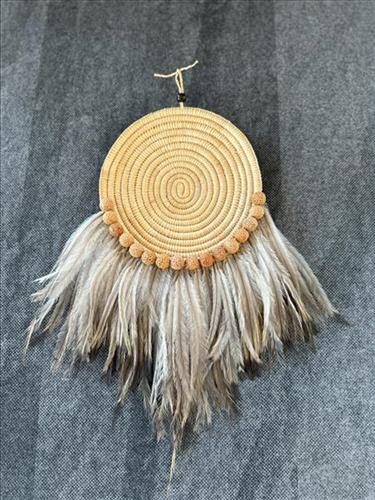
Mulana meaning ‘Spirit’ in Yorta Yorta language. The concept of spirit earth refers to the deep spiritual connection we have with the land. It recognizes the Earth as a living entity with its own spirit and energy. This connection is rooted in the belief that the land is not just a physical place, but also a spiritual and ancestral homeland. We have a strong sense of respect and responsibility towards the land, nurturing and preserving it for future generations. It’s a vital part of our culture and identity.