115682312368


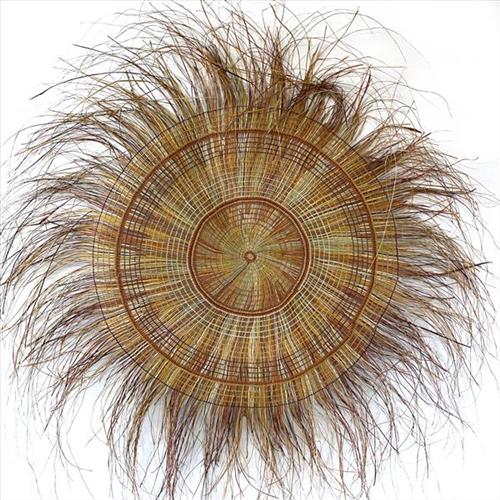
Woven Mat

Traditionally, Nganiyal (conical mats) were used as an insect screen when erected, and as a sitting mat when folded. They are used in Ceremony as well as a functional item. 

Nowadays, artists weave many different shapes including flat, round and oblong. 

115682312109


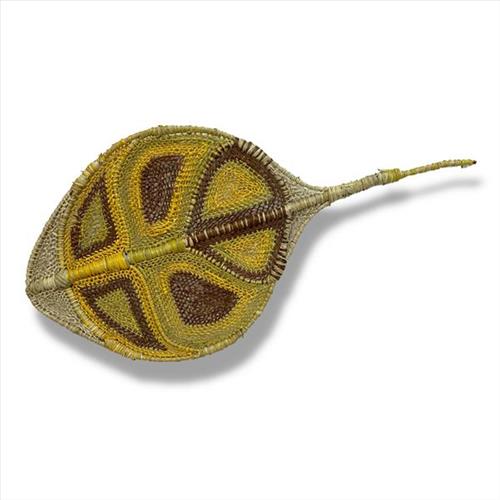
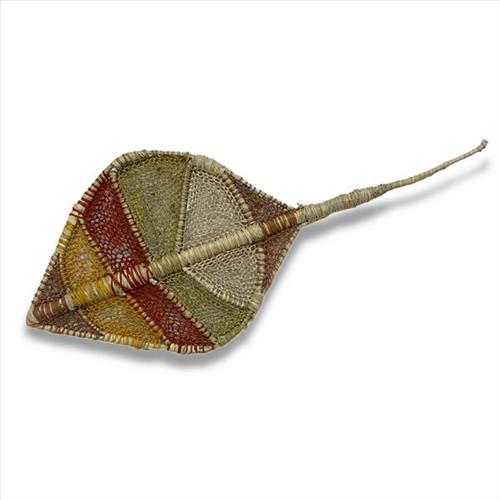
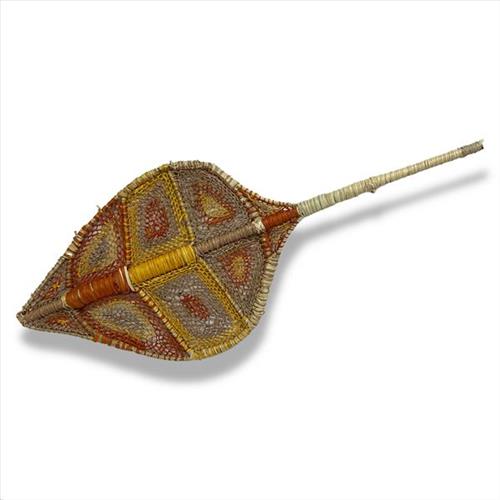
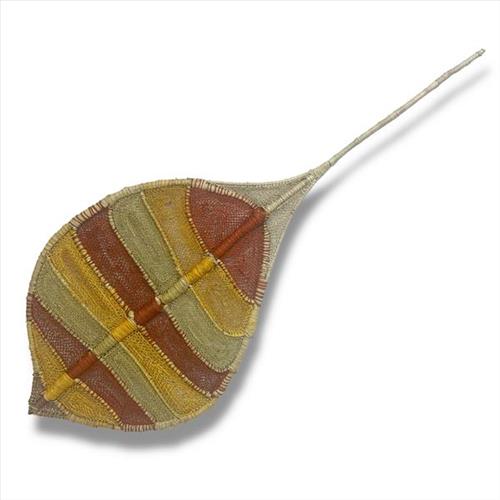
Nawarlah (Brown River Stingray)

Aboriginal art in Ramingining, Central Arnhem Land is commonly illustrated through designs and images of animals, plants, and landscape. These motifs commonly reflect the artists ancestral inheritance and their dreamings and are referred to as totems.

For this, Kylie has woven a stingray.

115682312108


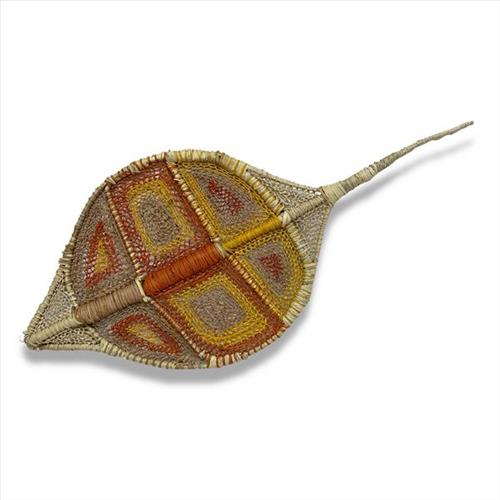
Nawarlah (Brown River Stingray)

Aboriginal art in Ramingining, Central Arnhem Land is commonly illustrated through designs and images of animals, plants, and landscape. These motifs commonly reflect the artists ancestral inheritance and their dreamings and are referred to as totems.

For this, Kylie has woven a stingray.

115682312107


Nawarlah (Brown River Stingray)

Aboriginal art in Ramingining, Central Arnhem Land is commonly illustrated through designs and images of animals, plants, and landscape. These motifs commonly reflect the artists ancestral inheritance and their dreamings and are referred to as totems.

For this, Kylie has woven a stingray.

115682312106


Nawarlah (Brown River Stingray)

Aboriginal art in Ramingining, Central Arnhem Land is commonly illustrated through designs and images of animals, plants, and landscape. These motifs commonly reflect the artists ancestral inheritance and their dreamings and are referred to as totems.

For this, Kylie has woven a stingray.

115682312105


Nawarlah (Brown River Stingray)

Aboriginal art in Ramingining, Central Arnhem Land is commonly illustrated through designs and images of animals, plants, and landscape. These motifs commonly reflect the artists ancestral inheritance and their dreamings and are referred to as totems.

For this, Kylie has woven a stingray.

115682312102


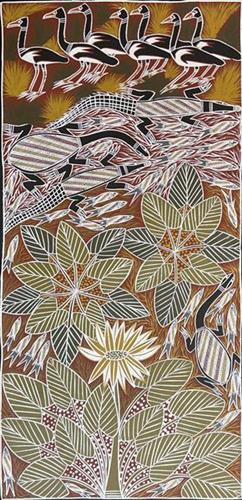
Raypiny Dhawu (Fresh Water Story)

All Aboriginal people originate from a spiritual source, fixed in a particular place in their land or the sea. These ‘spiritual reservoirs’ are often in the form of special waterholes made by Wangarr (creative spirits) that were created long ago close to the beginning of time. These creator beings moved across the countryside, shaping the land and implanting in each tract of country, the spiritual life force for the people who were to own it. These creative spirits took many forms and when they gave the land to each group, they also gave songs, dances, ceremony, the associated laws and language.

The creation story for Ganalbingu people took place near the middle section of the Glyde River where it becomes the Goyder River. Their land, Ngaliyindi, sits astride the Arafura Swamp in Central Arnhem Land. Many Ganalbingu artists paint totemic species significant to their clan. These can include baru (crocodile), banda (long necked turtle), buliya (catfish), yalman (waterlilies), gumang (magpie geese), dakawa (fresh water yabby), ratjuk (barramundi), warrnyu (flying fox) and more.

In this painting, Dorothy has painted two crocodiles with their eggs, the Cape York lily, and water liles and their bulb. 
115682312545


Raypiny Dhawu (Fresh Water Story)

All Aboriginal people originate from a spiritual source, fixed in a particular place in their land or the sea. These ‘spiritual reservoirs’ are often in the form of special waterholes made by Wangarr (creative spirits) that were created long ago close to the beginning of time. These creator beings moved across the countryside, shaping the land and implanting in each tract of country, the spiritual life force for the people who were to own it. These creative spirits took many forms and when they gave the land to each group, they also gave songs, dances, ceremony, the associated laws and language.


The creation story for Ganalbingu people took place near the middle section of the Glyde River where it becomes the Goyder River. Their land, Ngaliyindi, sits astride the Arafura Swamp in Central Arnhem Land. Many Ganalbingu artists paint totemic species significant to their clan. These can include baru (crocodile), banda (long necked turtle), buliya (catfish), yalman (waterlilies), gumang (magpie geese), dakawa (fresh water yabby), ratjuk (barramundi), warrnyu (flying fox) and more.


115682312532


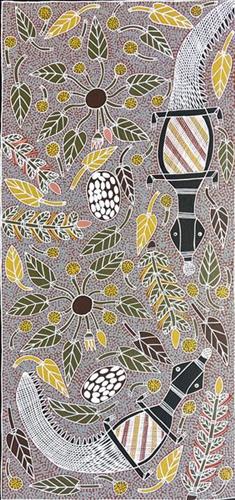
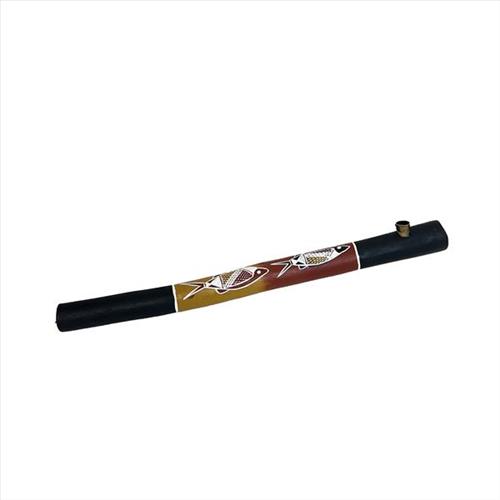
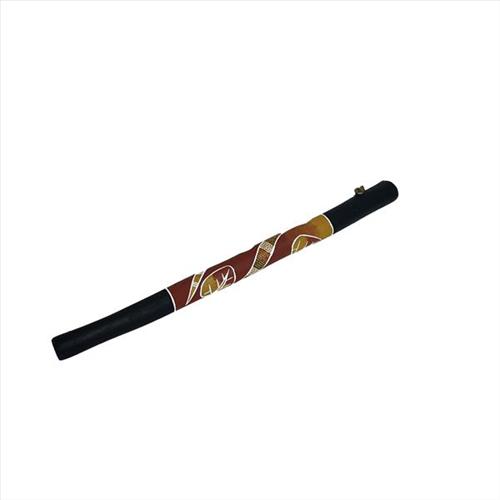
Pamatuka (Macassan pipe)

This style of pipe is known as bamatuka or lunginy in eastern Arnhem Land and is commonly referred to as a Macassan pipe. These pipes were only used by senior men and decorated with sacred clan designs or madayin minytji. The pipe was introduced by Makassans from southern Sulawesi in Indonesia who sailed annually to harvest the sea cucumber called trepang in Australia’s northern waters. Makassans came from at least the seventeenth century until the early 1900s and it is generally accepted that they introduced tobacco into Australia. The form is also said to closely resemble opium smoking pipes from South Asia, and in Makassar the plant was sometimes mixed with opium to provide the flavor that the opium-smoking experience lacked.

Summary taken from Museums Victoria Collections

https://collections.museumsvictoria.com.au/items/1131684

This version of the Pamatuka was hand crafted by Frankie Guninyirrnyirr and painted by Andrew Wanamilil Malibirr.

115682312531


Pamatuka (Macassan pipe)

This style of pipe is known as bamatuka or lunginy in eastern Arnhem Land and is commonly referred to as a Macassan pipe. These pipes were only used by senior men and decorated with sacred clan designs or madayin minytji. The pipe was introduced by Makassans from southern Sulawesi in Indonesia who sailed annually to harvest the sea cucumber called trepang in Australia’s northern waters. Makassans came from at least the seventeenth century until the early 1900s and it is generally accepted that they introduced tobacco into Australia. The form is also said to closely resemble opium smoking pipes from South Asia, and in Makassar the plant was sometimes mixed with opium to provide the flavor that the opium-smoking experience lacked.

Summary taken from Museums Victoria Collections

https://collections.museumsvictoria.com.au/items/1131684

This version of the Pamatuka was hand crafted by Frankie Guninyirrnyirr and painted by Andrew Wanamilil Malibirr.