220982308080


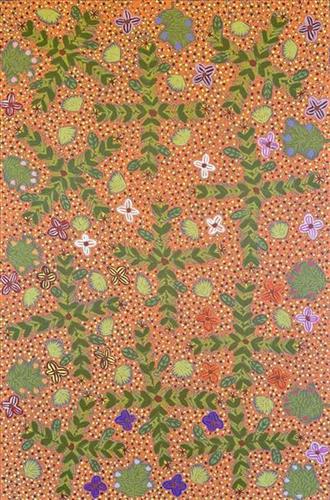
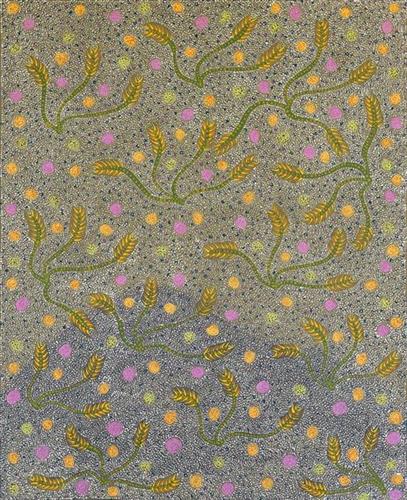
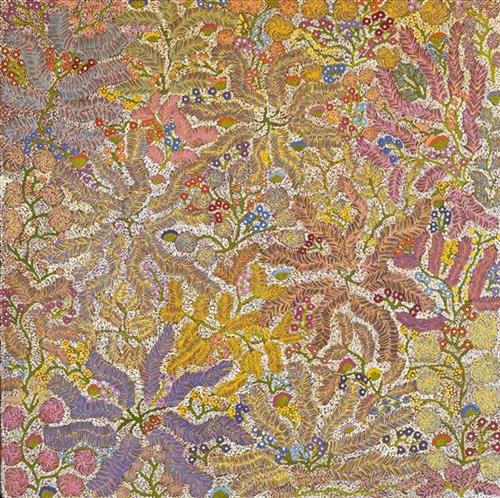
Bush Medicine Plants

“Bush medicine plants are used for healing on the body and for drinking. We make this by grinding the plants with a rock, we use the juice and the fibre of the plant.

We collect bush medicine plants when we are out hunting. Different kinds of plants grow during different seasons.

There are lots of different medicines, we know what their stories are, we learnt them from our parents and we teach these stories to our children.”

Bush medicine knowledge is still strong in Ampilatwatja, it continues to be passed down to the younger generations and is widely used.


When the women go hunting they often gather bush medicine. The plants depicted here are found in the country around Ampilatwatja, they are used for soothing skin infections and to make a drink to help with colds and coughs.


Painting bush medicine stories is important because it helps to maintain a strong knowledge and culture for the community.
220982309174


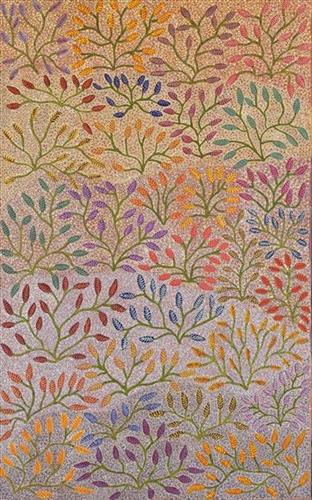
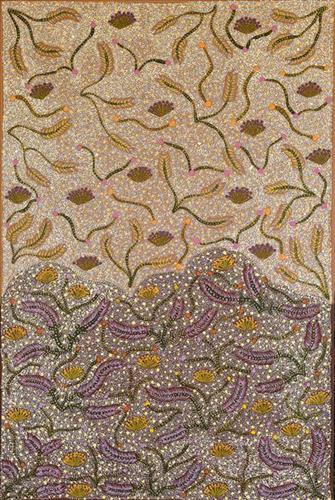
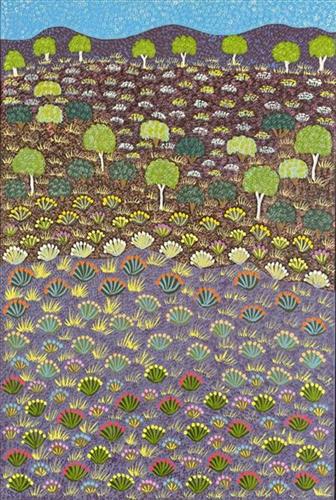
My Country – Michelle Pula Holmes

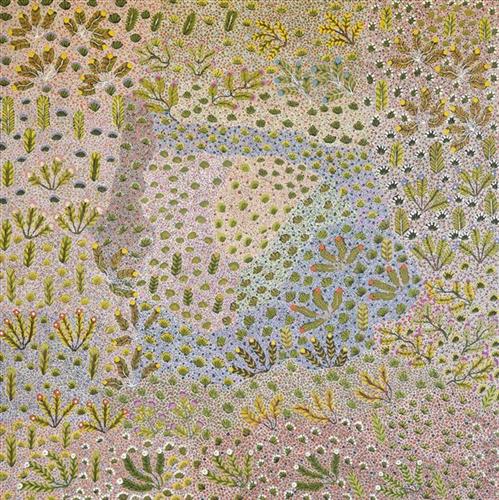
“When I go out hunting I always like to see the colour in the trees, the light, the dark and the bush medicine plants growing on the sand hills. The colours change at sunrise and sunset. I like hunting and seeing my country.”

I love to paint since childhood. My paintings show my deep love for my country and the beauty I see.

The community of Ampilatwatja made a conscious decision not to paint ‘altyerr’ dreaming stories. The artists paint their country where those stories belong.

220982309165


My Mother’s Country – Beverly Pula Luck

The community of Ampilatwatja made a conscious decision not to paint ‘altyerr’ dreaming stories. The artists paint their country where those stories sit.

Beverly has painted her Mother’s country. When Beverly was a child her mother took her all around her country and showed her the bush medicine and bush tucker.

220982309138


Antarrengeny – Edie Kemarre Holmes

The community of Ampilatwatja made a conscious decision not to paint ‘altyerr’ dreaming stories. The artists paint their country where those stories sit. Antarrengeny is Edie’s country and also her Father’s.

In this painting Edie depicts Antarrengeny, “when there has been no rain and the land shimmers like jewels. It is the open flat country, after a bushfire, when only the young grasses and the trees are growing and where there is good hunting.”

Edie has a strong connection to Antarrengeny. She gave birth to two of her daughters ‘out bush’ on this land. It is her country and she loves it dearly.

220982309136


My Country – Alana Ngwarraye Holmes

The community of Ampilatwatja made a conscious decision not to paint ‘altyerr’ dreaming stories. The artists paint their country where those stories sit.

“This is my country. I paint because I enjoy painting. My Mother, Edie Holmes let us paint with her when we where young and now we paint all the time. We still paint and talk together in a family group with our kids.” – Alana

Alana has painted her country after rain where the ground may seem dry but the flowers and trees are green and growing strong.

220982311096


My Country – Alana Ngwarraye Holmes

The community of Ampilatwatja made a conscious decision not to paint ‘altyerr’ dreaming stories. The artists paint their country where those stories sit.

“This is my country. I paint because I enjoy painting. My Mother, Edie Holmes let us paint with her when we where young and now we paint all the time. We still paint and talk together in a family group with our kids.” – Alana

Alana has painted her country after rain where the ground may seem dry but the flowers and trees are green and growing strong.

220982312804


My Country is Irrultja – Kindy Kemarre Ross

The community of Ampilatwatja made a conscious decision not to paint ‘altyerr’ dreaming stories. The artists paint their country where those stories belong. 

“My country is called Irrultja, it’s past the hill and the dried-up creek from here, it’s a nice place, my dad’s country too, and my Mum’s country is here in Ampilatwatja. When I go to see my country, we always go to gather bush medicine, we always climb up the hill that’s in the south, we always go there. We like to look out over the land and there are lots of flowers and bush medicine up there. I love my countryside; I see the nice flowers and gather bush medicine for me and my family. I like to paint a mix of wildflowers and bush medicines in all my paintings because it reminds me of my favourite part of my country and when it rains the flowers come out. Yeah, my countryside.”

225182314237


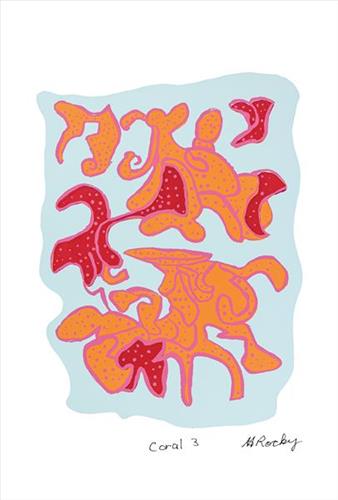
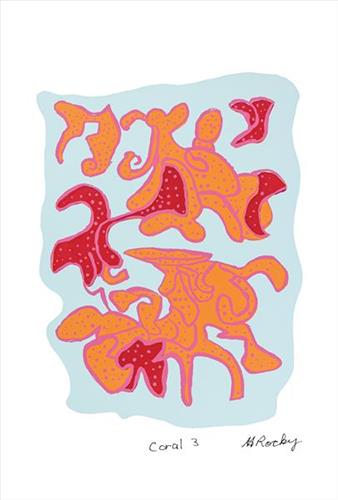
Karrangkal (Corals of the Great Barrier Reef)

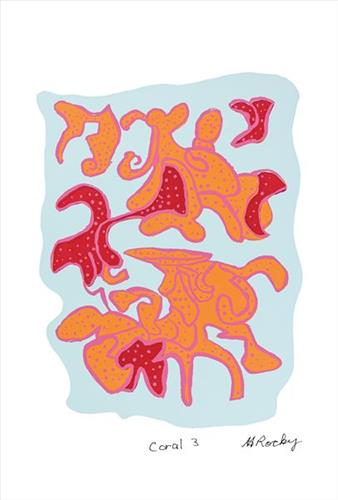
Our beautiful Yalanji coastline has many places where the rainforest and the reef come very close together. The colourful corals on this fabric is a reminder of the rich ocean environments of the Great Barrier Reef that have nourished generations of our Kuku Yalanji families and culture.

This fabric helps to convey the traditional knowledge and complexe histories of how Kuku Yalanji used to live with the ocean, including the social rules and practical knowledge of how to hunt and cook various sea animals, distribute food and how to make important material cultural objects such as fish hooks, various traps etc.

225182314236


Karrangkal (Corals of the Great Barrier Reef)

Our beautiful Yalanji coastline has many places where the rainforest and the reef come very close together. The colourful corals on this fabric is a reminder of the rich ocean environments of the Great Barrier Reef that have nourished generations of our Kuku Yalanji families and culture.

This fabric helps to convey the traditional knowledge and complexe histories of how Kuku Yalanji used to live with the ocean, including the social rules and practical knowledge of how to hunt and cook various sea animals, distribute food and how to make important material cultural objects such as fish hooks, various traps etc.

225182314234


Karrangkal (Corals of the Great Barrier Reef)

Our beautiful Yalanji coastline has many places where the rainforest and the reef come very close together. The colourful corals on this fabric is a reminder of the rich ocean environments of the Great Barrier Reef that have nourished generations of our Kuku Yalanji families and culture.

This fabric helps to convey the traditional knowledge and complexe histories of how Kuku Yalanji used to live with the ocean, including the social rules and practical knowledge of how to hunt and cook various sea animals, distribute food and how to make important material cultural objects such as fish hooks, various traps etc.