225182171550
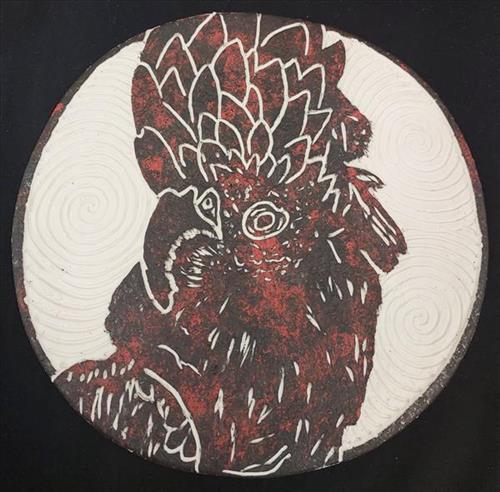
Tile Kadanji (Black Cockatoo)
Kadanji (Black Cockatoo) is my mother’s mother’s totem from the Kuku Nyungkul clan. It has been handed down from generation to generation.
225182171515
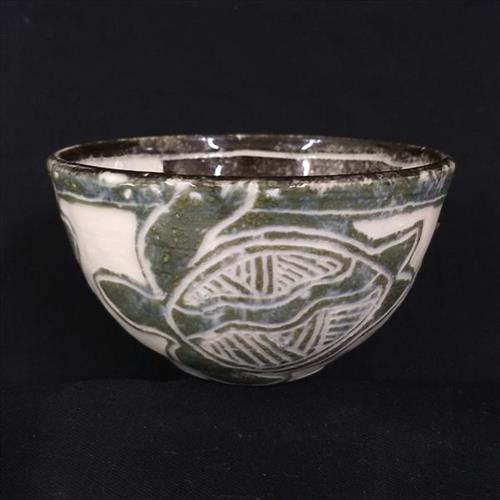
Pinch Pot Saltwater Turtle
225182171495
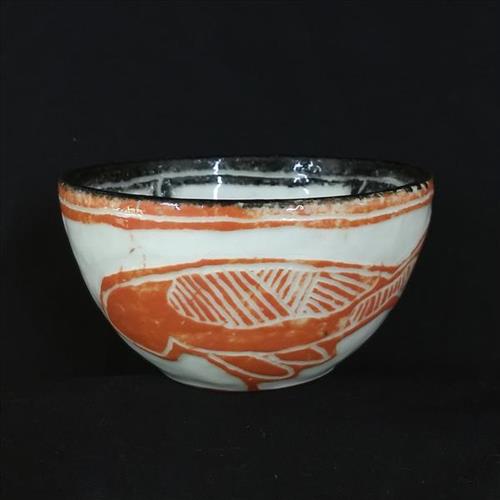
Kirbaji (Dugong)
In the past, Kirbaji (dugong) was an important food source. It was men’s business to hunt dugongs and it was their responsibility to cook and provide the meat to all the families. The meat of the dugong was cooked in an earth oven.
Our ancestors also made oil form the dugong fat. They used the oil for medicinal purposes. They used it for skin and hair treatments. When people had an upset stomach they used the oil as an ointment.
225182172926
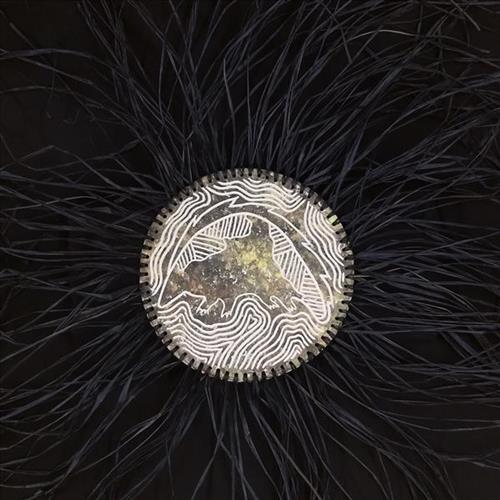
Tile Ngangkin (Echidna)
Long time ago our ancestors used to hunt echidnas for their meat and fat.
The fat was used as bush medicine. They rubbed it onto sore muscles to relieve pain.
The echidna also appears as part of a rock formation at Manjal Dimbi (Mount Demi). Manjal Dimbi means “mountain holding back“. The rock formation represents a number of significant Ancestral Beings in their animal form and Kubirri, a man who came to help Kuku Yalanji when they were persecuted by the evil spirit, Wurrumbu.
225182173393
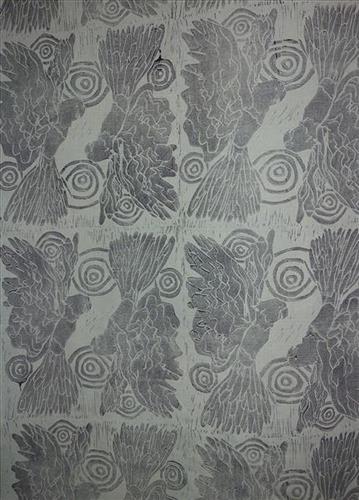
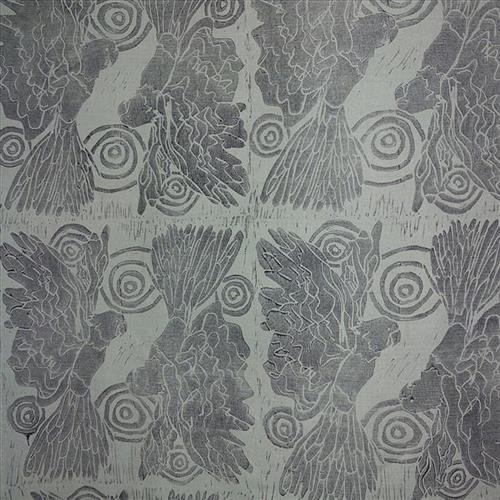
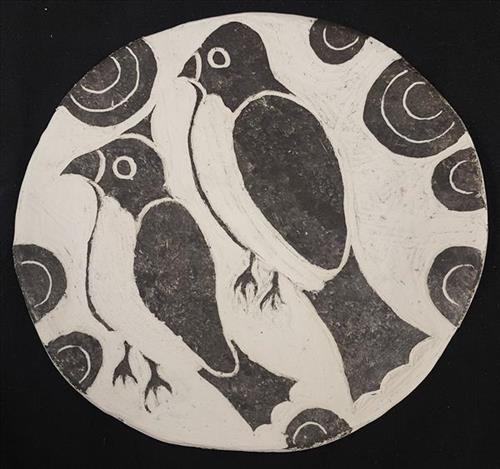
Kadanji (Black Cockatoo)
There are many Parrots, known as psittacines, there are roughly 398 species. Parrots are mostly found in tropical and sub-tropical regions. Parrots are popularly known for being an intelligent species and their diet includes insects, fruits and seeds. Parrots have significantly different colours world wide. Here they live in the rainforest.
Kadanji (Black Cockatoo) is my mother’s mother’s totem from the Kuku Nyungkul clan. It has been handed down from generation to generation.
225182173392
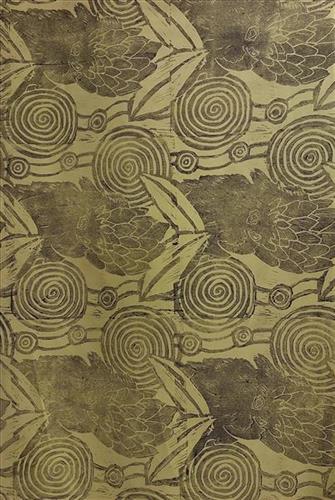
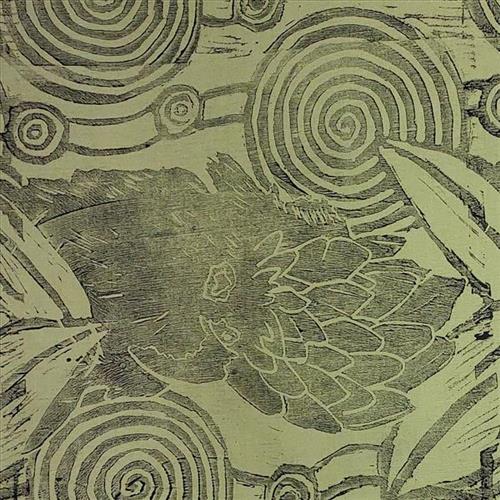
Kadanji (Black Cockatoo)
Kadanji (Black Cockatoo) is my mother’s mother’s totem from the Kuku Nyungkul clan. It has been handed down from generation to generation.
225182173903
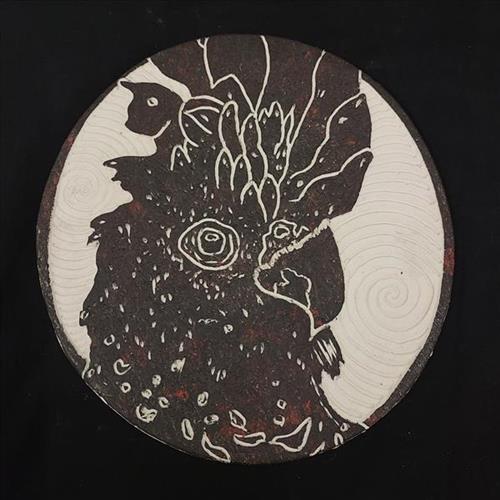
Kadanji (Black Cockatoo)
Kadanji (Black Cockatoo) is my mother’s mother’s totem from the Kuku Nyungkul clan. This totem is passed down generation after generation to your newborns.
221382176124
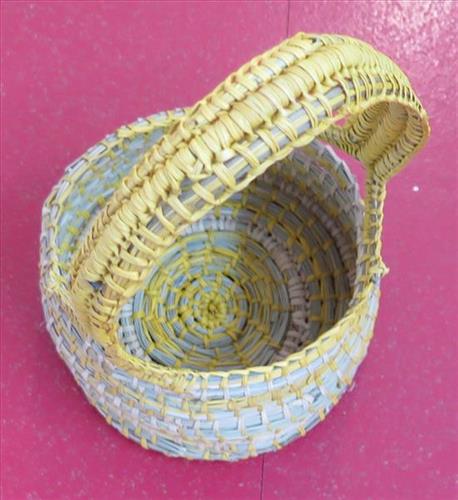
Woven Basket with Handle
Fibre Art is an ancient Aboriginal women’s craft that is still made today using the same techniques as their ancestors. Making fibre art is labour intensive and much care and fine needlework is required to ensure the finished object is both functional and beautiful. Fibre art from the Ghunmarn Culture Centre includes dilly bags, floor mats, bush fans, woven creatures found in the landscape, plants such as yams (bush potato), baskets, place mats, and spirit figures such as mermaids and Mukuy’s. Natural pandanus fibre (Mukarra), is used to make much of the fibre art produced by the artists of Djilpin Arts. Women collect the pandaus by pulling from the top of the pandanus tree, then stripping and drying the leaves before they are dyed with natural bush colour collected from the Beswick surrounds.
221382176112
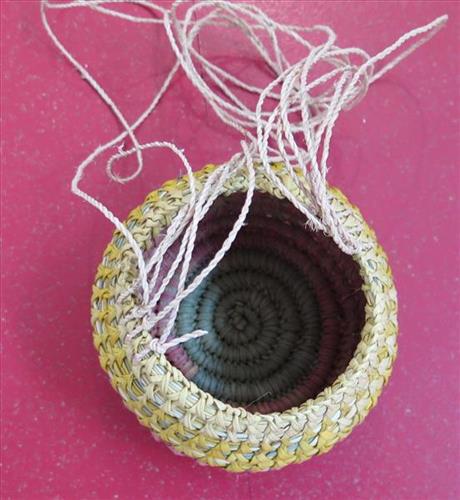
Dilly Bag
Fibre Art is an ancient Aboriginal women’s craft that is still made today using the same techniques as their ancestors. Making fibre art is labour intensive and much care and fine needlework is required to ensure the finished object is both functional and beautiful. Fibre art from the Ghunmarn Culture Centre includes dilly bags, floor mats, bush fans, woven creatures found in the landscape, plants such as yams (bush potato), baskets, place mats, and spirit figures such as mermaids and Mukuy’s. Natural pandanus fibre (Mukarra), is used to make much of the fibre art produced by the artists of Djilpin Arts. Women collect the pandaus by pulling from the top of the pandanus tree, then stripping and drying the leaves before they are dyed with natural bush colour collected from the Beswick surrounds.