Calming movements in the water
I often find looking at water is a way I can relax my mind. My mind feels free when i look at the water.
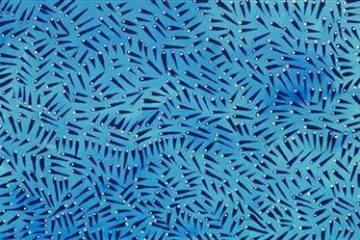
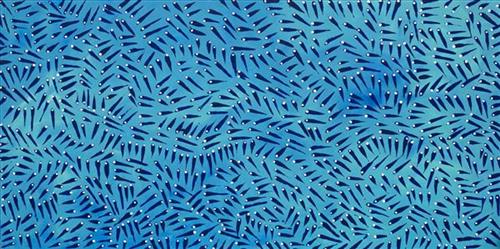
I often find looking at water is a way I can relax my mind. My mind feels free when i look at the water.
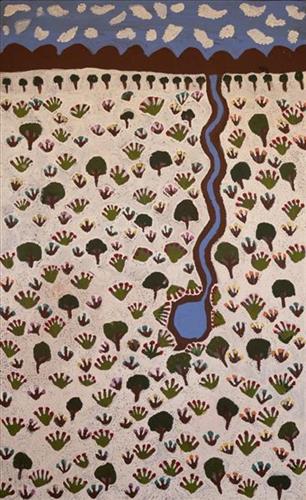
Kwetyaylp (donkeys) and nantew (horses) would come and drink from the water at Spring Creek on my father’s country. We would put a bucket in the sand we would filter the water so we could drink it.
When I was young girl we would go to Canteen Creek following the track along the hills, we would hunt turkey, emus and kangaroo and we would cut the bark and collect the sap from the sugar bag trees. `
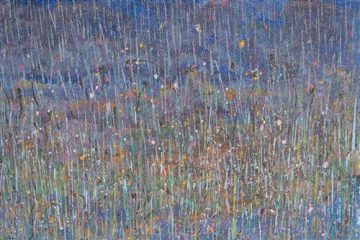
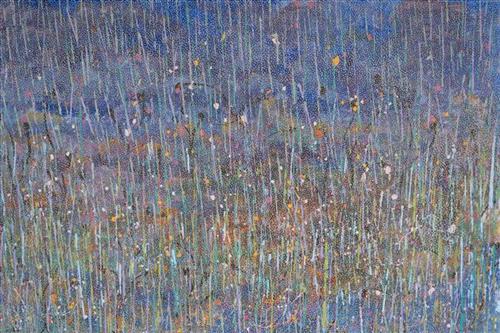
The early morning mist over the water is the smoke from the breakfast fires of the Marrga, the creation spirits. According to Yindjibarndi law, in the beginning the sky was very low. When the creation spirits, Marrga, arose from the ground they raised the sky and the world out of the ocean. This creation story is called Ngurru Nyujunnggama, ‘When the World was Soft’. The Marrga gave names and form to the country and then to all the birds and animals. Finally they created the Ngaardangarli, the Aboriginal people.
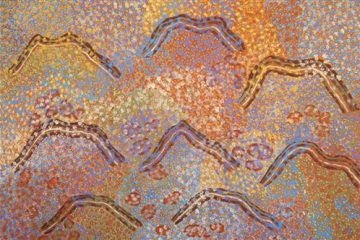
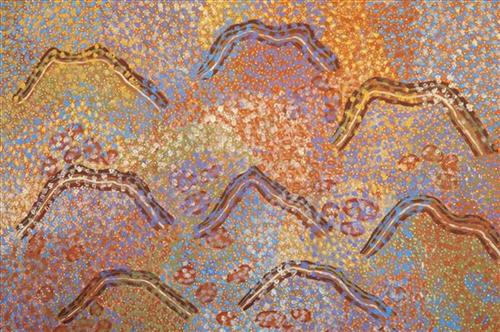
This painting represent’s many pilbara hills we have in our country and the dry spinifex every where.
Status: Stock
Artwork Story:
‘Watiya Tjuta’
Napurrula’s father, Tupa Tjakamarra gave her the right to paint works related to Ilyingaungau in the Gibson Desert. This site, south of Walungurru (Kintore), some 520 kilometres west of Mparntwe (Alice Springs), is where the artist’s Mutikatjirri ancestors assembled their kulata (spears) for a conflict with the Tjukula men. Allusive works that refer to the straightening of kulata by Tjupurrula are among the landmark paintings of the Ikuntji Artists movement’s 30-year history.
The paintings of Napurrula and her husband, Long Tom Tjapanangka, have come to be understood as archetypical of Ikuntji art since they began to work with the arts centre in 1993. Napurrula remembers, ‘ … After I got married, my mother taught me my father’s Tjukurrpa in the sand, that’s what I’m painting on the canvas’. The white pigment eddies around abstract forms that refer to the spearwood trees. The tightly structured patterning of the key motifs and bold use of colour demonstrates the artist’s confidence in her individual artistic vision within a family of superlative artists – and the cultural heritage that continues to inform the myriad expressions of Western Desert artists.
_____
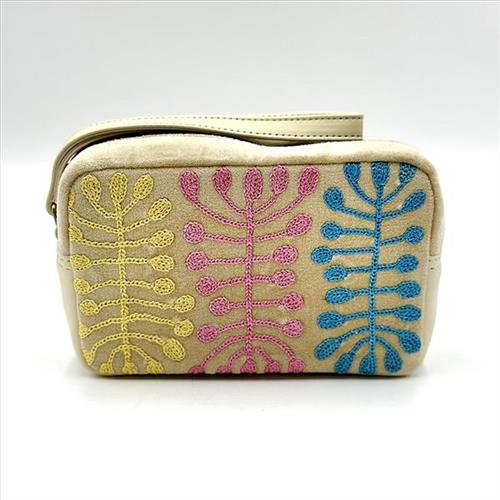
This toiletry bag comes in one size.
Size: 19cm x 12cm x 7cm
Please Note: As these products are handmade, there may be minor variations in dye and design.
Better World Arts
Has been operating for over two decades.
They work with traditional artisans from remote regions in Kashmir, Peru, West Bengal, Uttar Pradesh and Nepal (Tibetan refugees). They work with Australian Aboriginal artists from remote communities across Australia, from Arnhem Land to Central and the Western Desert regions, from rural locations and from cities.
Better World Arts are endorsed members of the Fair Traders Association of Australia and New Zealand.
Status: Stock
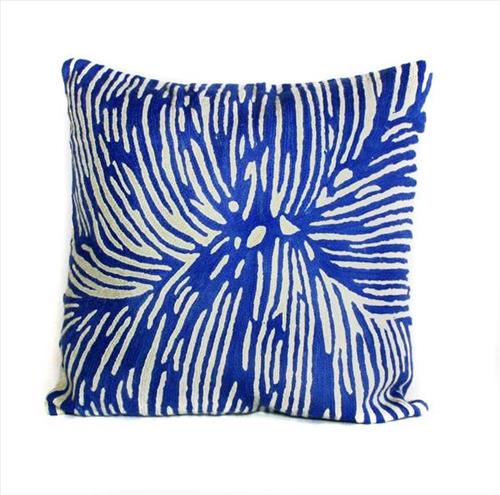
Status: Stock
Status: Stock
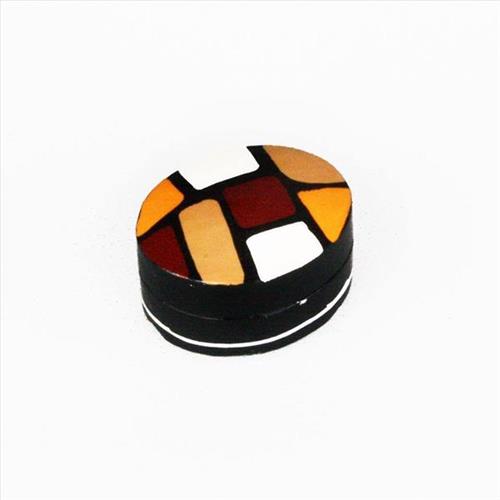
Status: Stock
Keturah depicts the puli puli (rocks) at two different sites: the landscapes at Haasts Bluff and also Karrkurrutintja (Lake McDonald). Keturah depicts her childhood memories of both places.
“The sand hills I paint are my mother’s story and the rocks I paint are my own story. My paintings are about my story and my mother’s. When I look at my paintings I feel happy. My Grandmother used to say to me when I was younger: “One day you will paint.”