Earrings
Art Centre notes:
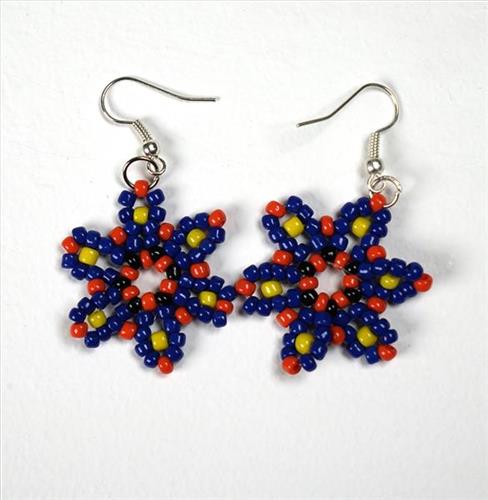
These earrings are made from glass beads and fishing line following traditional colour palettes. The findings are sterling silver.
Size: 3cm x 3cm
Art Centre notes:
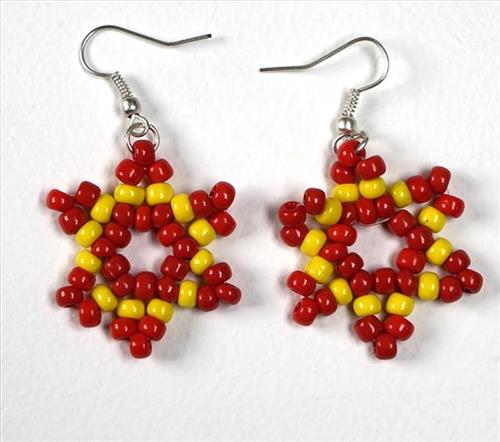
These earrings are made from glass beads and fishing line following traditional colour palettes. The findings are sterling silver.
Size: 3cm x 3cm
Art Centre notes:
These earrings are made from glass beads and fishing line following traditional colour palettes. The findings are sterling silver.
Size: 3cm x 3cm
Art Centre notes:
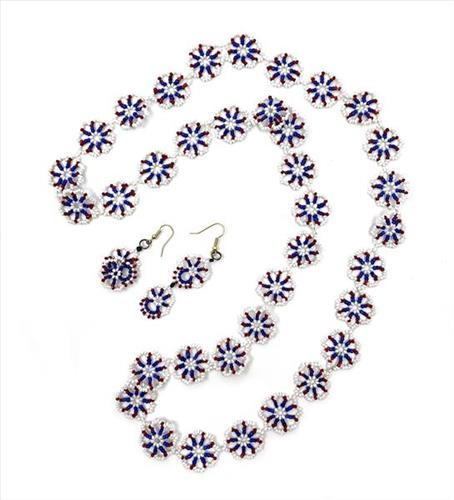
These sets have matching necklaces and earrings both made from glass beads and fishing line following traditional colour palettes.
Size: 42cm (necklace) Size: 3x3cm (petals)
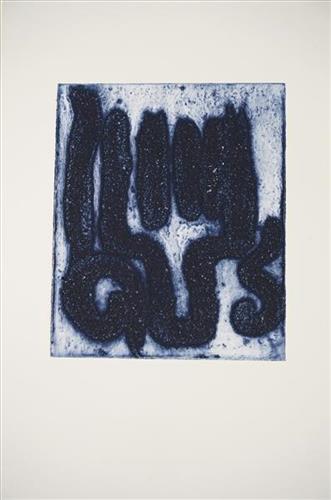
This print title “Afro Comb” is based off how some kids and adults have which dry black hair and we usually make it a routine in the morning to comb our hair with the afro comb. We usually use it especially on the little kids when they get ready for school in the morning before we tie there hair up, when we usually comb out there hair the kids and adults hair sometimes get which and big and usually turns into a afro before tying it up.
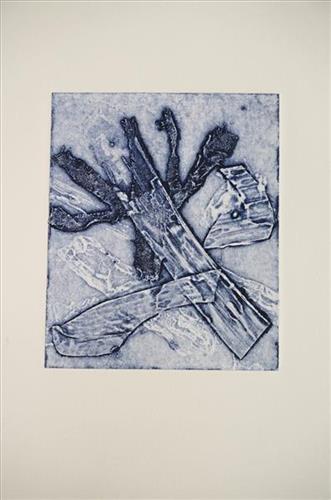
this print is about banana imprint which you can see i used a little bit of banana leaf to do a imprint on to this collagraph print.
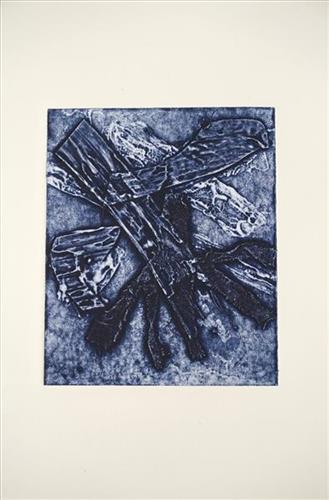
this print is about banana imprint which you can see i used a little bit of banana leaf to do a imprint on to this collagraph print.

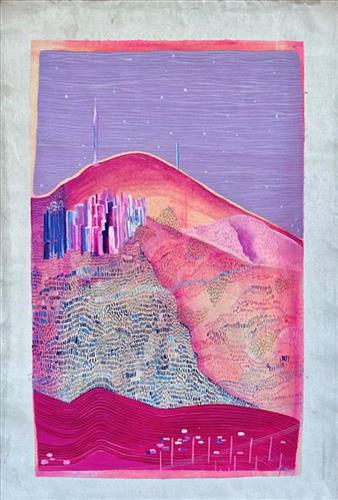
Commission piece done for Robert Steer
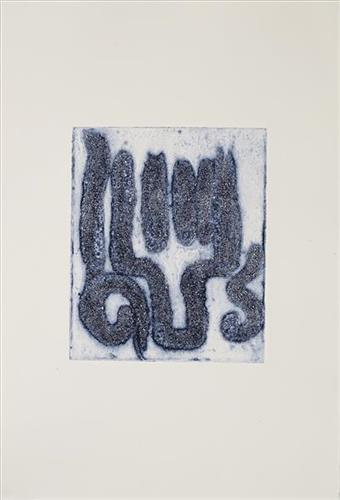
This print title “Afro Comb” is based off how some kids and adults have which dry black hair and we usually make it a routine in the morning to comb our hair with the afro comb. We usually use it especially on the little kids when they get ready for school in the morning before we tie there hair up, when we usually comb out there hair the kids and adults hair sometimes get which and big and usually turns into a afro before tying it up.
Coil basketry is a well-established fibre art form in the Maningrida region, especially for women from the Kuninjku, Rembarrnga, Ndjebbana and Nakkara language groups.
Artists make coiled baskets of many shapes and sizes, ranging from small round baskets to large oval baby baskets, and made mostly from pandanus fibre that is dyed with natural pigments. Bundles of fibre are formed into coils which are covered and stitched together with strands of fibre threaded onto a needle. Artists combine colours and patterns to obtain intricate new graphic patterns.
These techniques are believed to have been introduced to Arnhem Land by Greta Matthews, a missionary on Goulburn Island in the 1920s. She had probably learnt coil basketry from Aboriginal people in the south-east of Australia, possibly the Murray River people such as the Yorta Yorta or the coastal Ngarrindjeri.
The coiling technique spread quickly from Goulburn Island to people on mainland Arnhem Land.
Coil basketry is a well-established fibre art form in the Maningrida region, especially for women from the Kuninjku, Rembarrnga, Ndjebbana and Nakkara language groups.
Artists make coiled baskets of many shapes and sizes, ranging from small round baskets to large oval baby baskets, and made mostly from pandanus fibre that is dyed with natural pigments. Bundles of fibre are formed into coils which are covered and stitched together with strands of fibre threaded onto a needle. Artists combine colours and patterns to obtain intricate new graphic patterns.
These techniques are believed to have been introduced to Arnhem Land by Greta Matthews, a missionary on Goulburn Island in the 1920s. She had probably learnt coil basketry from Aboriginal people in the south-east of Australia, possibly the Murray River people such as the Yorta Yorta or the coastal Ngarrindjeri.
The coiling technique spread quickly from Goulburn Island to people on mainland Arnhem Land.