111582246257


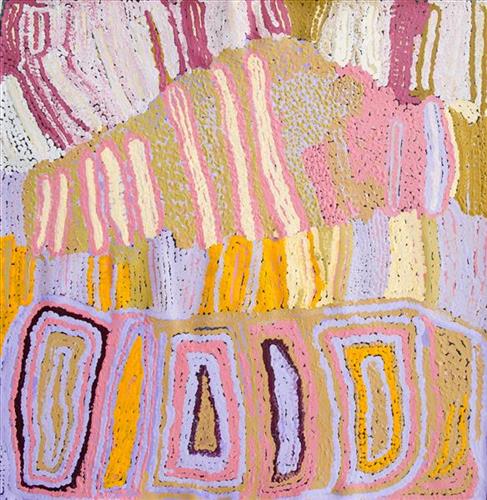
Pitu (Separation Well)

“Pitu, soak, big one. Water there all the time. Pitu, the place for our whole family. [As a young girl] I walked around and went east back to my dad’s area, to Pitu and Kulilu, Nakaly and Kunapila. Then I was a teenager. My Country is Pitu and Nakaly, that’s my Country.

This man here, he came through here in the Dreamtime, walking right up through here and then he flew. Other one, a man and a woman, coming behind him, following him right up through here and then finish, I don’t know where they’ve gone. There is one more woman, going across here. Those three people walked through this Country and disappeared when they flew somewhere. They went forever. That was in the Dreamtime when they were walking around.”

 – Ngamaru Bidu, as translated by Ngalangka Nola Taylor

Pitu (Separation Well) is an important cultural site and large soak located yulparirra (south) of Wuranu (Canning Stock Route Well 29) and Kulilu rockhole and soak. As a site where fresh water was available all year, Pitu was an important camp and a meeting place for Kartujarra and Manyjilyjarra people during the pujiman (traditional, desert dwelling) era. At this time, knowledge of water sources was critical for survival, and today Martu Country is still defined in terms of the location and type of water. Each of the hundreds of claypans, rockholes, waterholes, soaks and springs found in the Martu desert homelands is known by name, location, quality and seasonal availability through real life experience and the recounting of Jukurrpa (Dreaming) narratives. 

Pitu lies within Ngamaru’s ngurra (home Country, camp), the area which she knew intimately and travelled extensively with her family in her youth. Ngamaru’s family name, ‘Bidu’, derives from this place name. In her account of the area, Ngamaru relates a Jukurrpa narrative that occurred in and around Pitu. The term Jukurrpa is often translated in English as the ‘Dreaming’, or ‘Dreamtime’. It refers generally to the period in which the world was created by ancestral beings, who assumed both human and nonhuman forms. These beings shaped what had been a formless landscape; creating waters, plants, animals, and people. At the same time they provided cultural protocols for the people they created, as well as rules for interacting with the natural environment. At their journey’s end, the ancestral beings transformed themselves into important waters, hills, rocks, and even constellations.
111582246255


Kulyakartu

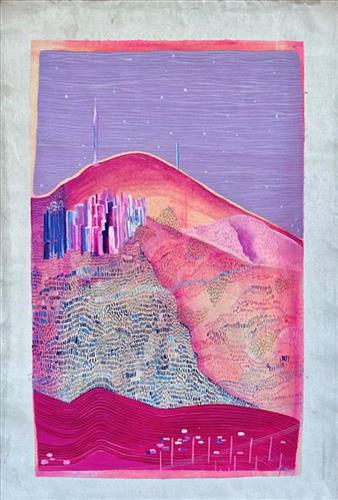
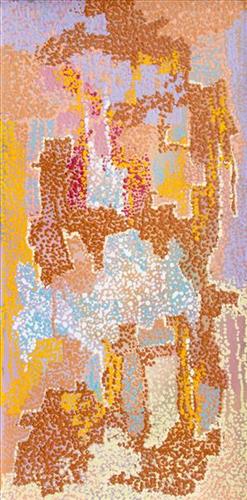
“Long time ago I been there. It is my grandmother’s, grandfather’s, father’s, [and] mother’s country, Kulyakartu.  I am painting this particular place. It keeps me connected, [gives me a] sense of belonging [to] tell my grandmother’s story through my art.  Where she was born, I’m a part of that. 

It makes me feel proud painting.  Most important is telling the story behind the painting so people can understand where I am coming from.  Kulyakartu is our ngurra (home Country, camp).  I will continue telling the story through my art.”

– Derrick Butt

This painting depicts Kulyakartu, Derrick’s ancestral ngurra (home Country, camp). Kulyakartu is a large area in the far north of the Martu homelands, near the Percival Lakes region of Western Australia’s Great Sandy Desert. Kulyakartu is mostly flat grass Country, and is known as a good hunting area. In particular, parnajarrpa (goanna), wild cats, and lunki (witchetty grub) are found in abundance here. In the wantajarra (wet season) the dry lakes in the region fill with water.

359709482067040


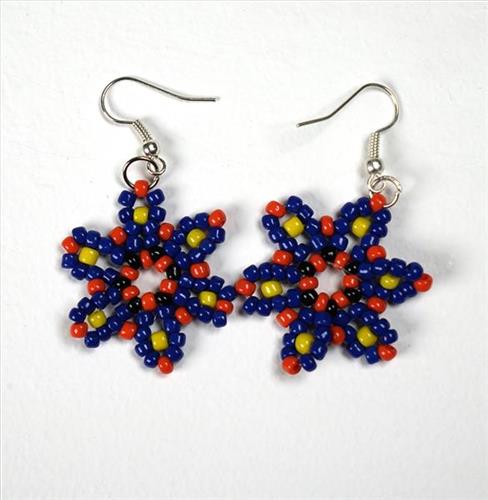
Earrings

Art Centre notes: 

These earrings are made from glass beads and fishing line following traditional colour palettes. The findings are sterling silver. 

 Size: 3cm x 3cm

359709482067021


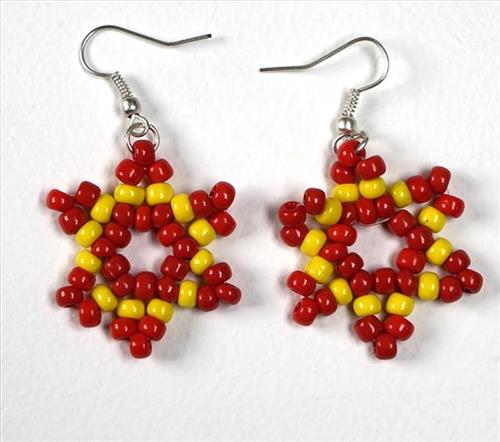
Earrings

Art Centre notes: 

These earrings are made from glass beads and fishing line following traditional colour palettes. The findings are sterling silver.

 Size: 3cm x 3cm

359709482144071


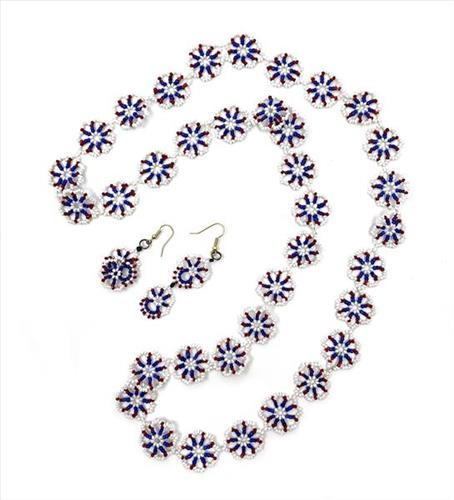
Necklace Set

Art Centre notes: 

These sets have matching necklaces and earrings both made from glass beads and fishing line following traditional colour palettes.


Size: 42cm (necklace) Size: 3x3cm (petals)

359709482246180


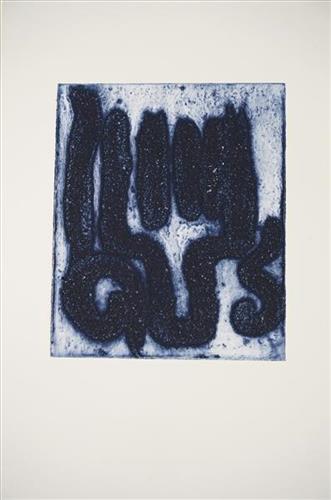
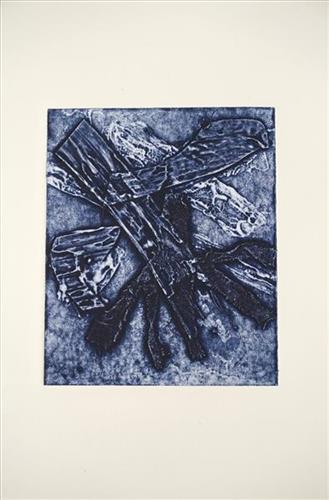
Afro Comb

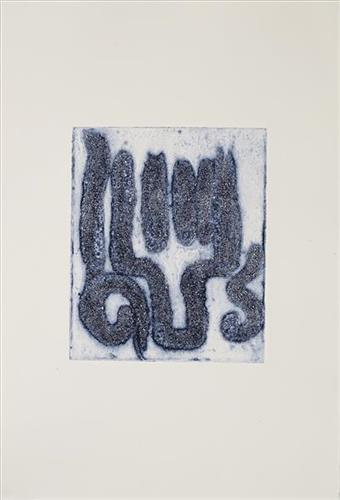
This print title “Afro Comb” is based off how some kids and adults have which dry black hair and we usually make it a routine in the morning to comb our hair with the afro comb. We usually use it especially on the little kids when they get ready for school in the morning before we tie there hair up, when we usually comb out there hair the kids and adults hair sometimes get which and big and usually turns into a afro before tying it up.

359709482246194


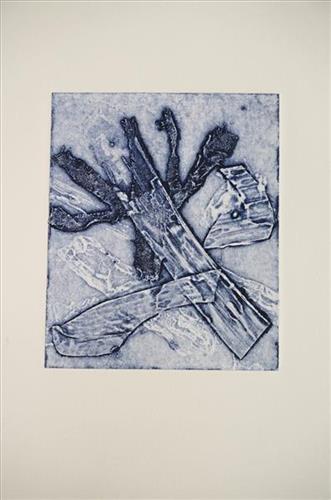
Banana Imprint

this print is about banana imprint which you can see i used a little bit of banana leaf to do a imprint on to this collagraph print.

359709482246190


Banana Imprint

this print is about banana imprint which you can see i used a little bit of banana leaf to do a imprint on to this collagraph print.

359709482246182


Afro Comb

This print title “Afro Comb” is based off how some kids and adults have which dry black hair and we usually make it a routine in the morning to comb our hair with the afro comb. We usually use it especially on the little kids when they get ready for school in the morning before we tie there hair up, when we usually comb out there hair the kids and adults hair sometimes get which and big and usually turns into a afro before tying it up.