111582211930


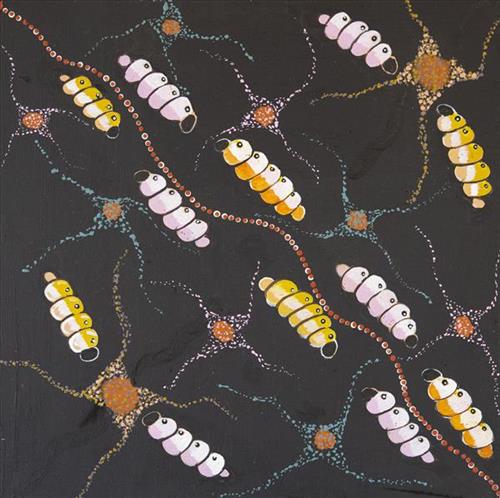
Lunki (witchetty grub)

Lunki (witchetty grubs) are the large, pinkish white, wood eating larvae of several moth species. During the pujiman (traditional, desert dwelling) era, lunki were a reliable food source, forming a staple of the Martu diet, and today they remain equally popular. Lunki are eaten either raw or cooked in hot ashes, with a raw nutty taste that becomes creamy when cooked. Though they are available through the year, lunki are particularly prevalent in late wantajarra (cool season). They are found in the trunks and roots of several tree species including acacia, tinjirla (coolabah), and yurungkura (red river gum). 

Martu forage for lunki by creating a small incision in the bark of a tree where the lunki is located, which is then used as the entry point for the insertion of a small hook, typically fashioned from a stick but sometimes using wire. Typically, lunki is collected incidentally during hunting trips or resting stops, and is a relatively relaxing, sociable activity. 

During the pujiman period, Martu would traverse very large distances annually in small family groups, moving seasonally from water source to water source, and hunting and gathering bush tucker as they went. Whilst desert life has moved away from mobile hunter-gatherer subsistence throughout the course of the twentieth century, bush tucker continues to be a significant component of the modern Martu diet. Hunting and gathering bush tucker remains equally valuable as an important cultural practice that is passed on intergenerationally. Though hunting and gathering implements have been modernised, methods of harvesting, tracking and the use of fire burning to drive animals from their retreats are still commonly practiced today.

111582211925


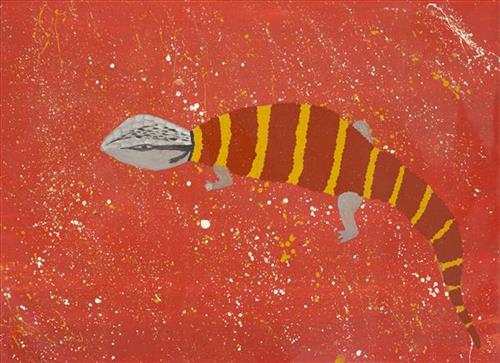
Lungkurta (blue tongue lizard)

Lungkurta (blue tongue lizard) are a species of short bodied, slender tailed skink, striped grey and orange with a distinctive blue tongue. Lungkurta are found throughout Australia in dry, sandy and stony areas. They hibernate in the cool months, emerging seasonally as temperatures warm in tuulparra (spring). Once dug from their burrows, lungkurta are usually seized by their tails as a way of preventing them from inflicting scratches or gashes. Traditional carved wana (digging-sticks) used to dig burrows have been replaced with metal bars, though burning and tracking techniques continue to be practiced in the hunting of lungkurta.  Targeted waru (fire) clears vegetation and exposes burrows, whilst simultaneously providing diverse regenerating habitats for future lungkurta. When consumed, they are singed and then cooked in a coal and ash bed. 

During the pujiman (traditional, desert dwelling) period, Martu would traverse very large distances annually in small family groups, moving seasonally from water source to water source, and hunting and gathering bush tucker as they went. Whilst desert life has moved away from mobile hunter-gatherer subsistence throughout the course of the twentieth century, bush tucker continues to be a significant component of the modern Martu diet. Hunting and gathering bush tucker remains equally valuable as an important cultural practice that is passed on intergenerationally. Though hunting and gathering implements have been modernised, methods of harvesting, tracking and the use of fire burning to drive animals from their retreats are still commonly practiced today.

111582211923


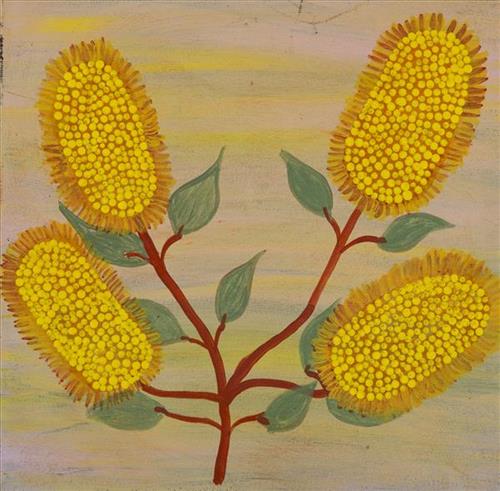
Wama (nectar)

Wama (nectar) refers to the delicious, sweet nectar gathered from several different plant species including yumpal (Corkwood Hakea), jalpinpa (Flame Grevillea) and Desert Heath Myrtle. Amongst the food groups, nectars are highly sought after by Martu, especially jalpinpa. Wama is most abundant in the cooler seasons tuulpara (spring) and wantajarra (cool season), and especially so following abundant rains. The locations of established fields of wama producing plants are well known to the Martu, and become highly frequented during harvest periods.

During the pujiman (traditional, desert dwelling) period, Martu would traverse very large distances annually in small family groups, moving seasonally from water source to water source, and hunting and gathering bush tucker as they went. Whilst desert life has moved away from mobile hunter-gatherer subsistence throughout the course of the twentieth century, bush tucker continues to be a significant component of the modern Martu diet. Hunting and gathering bush tucker remains equally valuable as an important cultural practice that is passed on intergenerationally. Though hunting and gathering implements have been modernised, methods of harvesting, tracking and the use of fire burning to drive animals from their retreats are still commonly practiced today.
111582211920


Juwali (Quong dong)

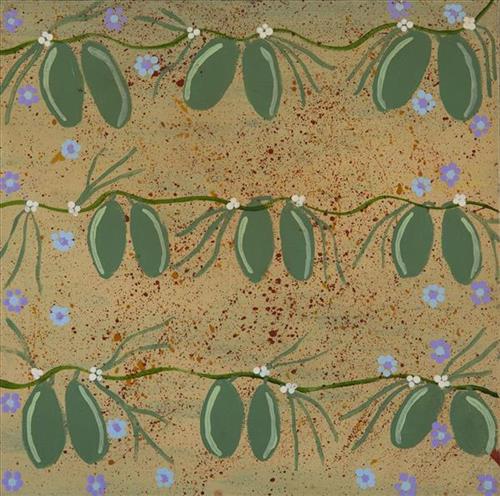
Depicted in this work are traditional types of bush tucker, their habitats, and their related hunting and gathering methods. During the pujiman (traditional, desert dwelling) period, Martu would traverse very large distances annually in small family groups, moving seasonally from water source to water source, and hunting and gathering bush tucker as they went. Whilst desert life has moved away from mobile hunter-gatherer subsistence throughout the course of the twentieth century, bush tucker continues to be a significant component of the modern Martu diet. Hunting and gathering bush tucker remains equally valuable as an important cultural practice that is passed on intergenerationally. Though hunting and gathering implements have been modernised, methods of harvesting, tracking and the use of fire burning to drive animals from their retreats are still commonly practiced today. 

Typically, animals hunted for their kuwiyi (meat) include kirti-kirti (euro kangaroo) and marlu (plains kangaroo), parnajarrpa (sand goanna), kipara (Australian bustard, bush turkey) and karlaya (emu). Lunki (witchetty grub) and wuukurta (honey ants) are dug from tree and bush trunks, or from underground nests. Popular mayi (plant food) includes minyarra (bush onion), collected from small, grass like plants; root vegetables dug from underground such as kulyu and mata (types of bush potato); and seeds such as kalaru (samphire, salt bush), yuwinyji, and marnkalpa (spinifex species). Jawirli (quondong), wamurla (bush tomatoes), jinyjiwirrily (wild gooseberry), ngaputa (melon), and karlkula (bush banana) are some of the most popular bush fruits. These are often collected in the wantajarra (cool season) and tuulpara (spring) months, along with juri (sweet) botanical gums and wama (nectar), obtained from various plant species. 

Traditional tools used for hunting and gathering bush tucker were carved from wanari (mulga), mulunturu (desert oak), yurungkura (river red gum) and mijarrpa (bloodwoods), and included kurlata (spears), jurna (hitting stick), karli (boomerangs), wana (digging-sticks), piti (timber bowls used for carrying food and water), and jiwa (grinding stones for grinding seeds into flour). While carved objects retain enormous social and ceremonial importance in Martu life, they are no longer used for hunting and gathering.

111582211915


Bush Banana

Depicted in this work are traditional types of bush tucker, their habitats, and their related hunting and gathering methods. During the pujiman (traditional, desert dwelling) period, Martu would traverse very large distances annually in small family groups, moving seasonally from water source to water source, and hunting and gathering bush tucker as they went. Whilst desert life has moved away from mobile hunter-gatherer subsistence throughout the course of the twentieth century, bush tucker continues to be a significant component of the modern Martu diet. Hunting and gathering bush tucker remains equally valuable as an important cultural practice that is passed on intergenerationally. Though hunting and gathering implements have been modernised, methods of harvesting, tracking and the use of fire burning to drive animals from their retreats are still commonly practiced today. 
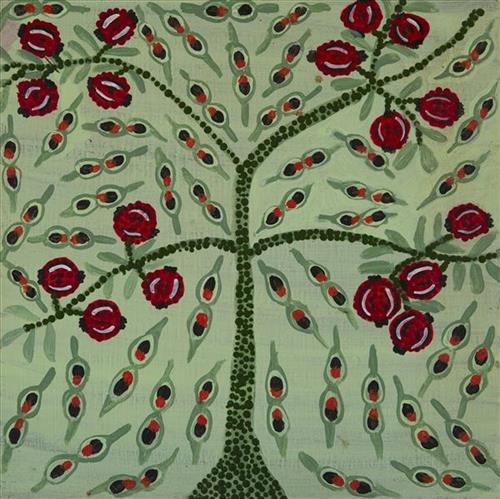
Typically, animals hunted for their kuwiyi (meat) include kirti-kirti (euro kangaroo) and marlu (plains kangaroo), parnajarrpa (sand goanna), kipara (Australian bustard, bush turkey) and karlaya (emu). Lunki (witchetty grub) and wuukurta (honey ants) are dug from tree and bush trunks, or from underground nests. Popular mayi (plant food) includes minyarra (bush onion), collected from small, grass like plants; root vegetables dug from underground such as kulyu and mata (types of bush potato); and seeds such as kalaru (samphire, salt bush), yuwinyji, and marnkalpa (spinifex species). Jawirli (quondong), wamurla (bush tomatoes), jinyjiwirrily (wild gooseberry), ngaputa (melon), and karlkula (bush banana) are some of the most popular bush fruits. These are often collected in the wantajarra (cool season) and tuulpara (spring) months, along with juri (sweet) botanical gums and wama (nectar), obtained from various plant species. 

Traditional tools used for hunting and gathering bush tucker were carved from wanari (mulga), mulunturu (desert oak), yurungkura (river red gum) and mijarrpa (bloodwoods), and included kurlata (spears), jurna (hitting stick), karli (boomerangs), wana (digging-sticks), piti (timber bowls used for carrying food and water), and jiwa (grinding stones for grinding seeds into flour). While carved objects retain enormous social and ceremonial importance in Martu life, they are no longer used for hunting and gathering.

225682211880


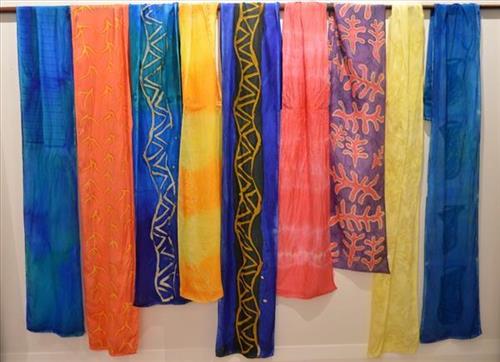
Silk scarves

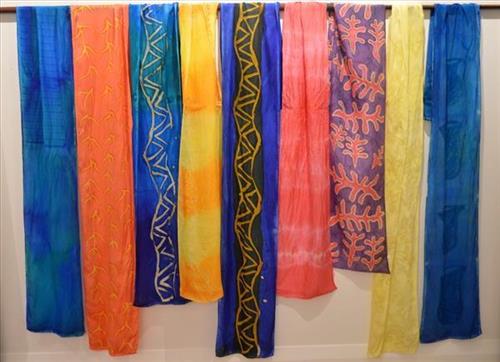
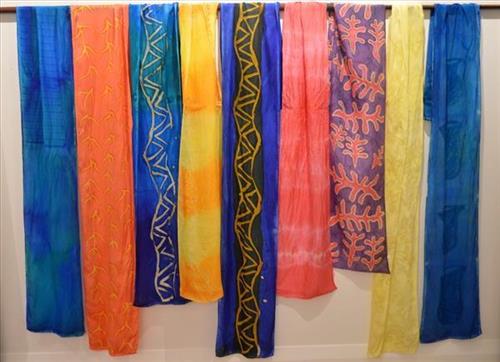
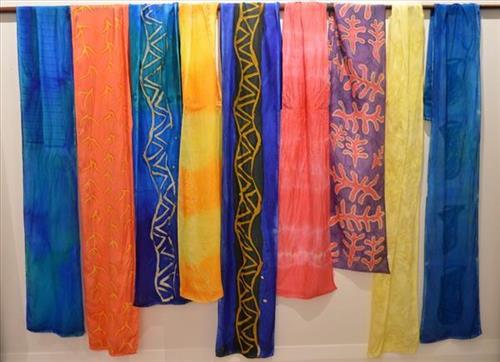
These silk scarves have been hand painted/ printed using different patterns, colours, shapes and designs to create a design that represents the artists country, culture and stories. All the scarves have been created at the Bana Yirriji Art and Cultural Centre by local community artists.

225682211879


Silk scarves

These silk scarves have been hand painted/ printed using different patterns, colours, shapes and designs to create a design that represents the artists country, culture and stories. All the scarves have been created at the Bana Yirriji Art and Cultural Centre by local community artists.

225682211877


Silk scarves

These silk scarves have been hand painted/ printed using different patterns, colours, shapes and designs to create a design that represents the artists country, culture and stories. All the scarves have been created at the Bana Yirriji Art and Cultural Centre by local community artists.

225682211876


Silk scarves

These silk scarves have been hand painted/ printed using different patterns, colours, shapes and designs to create a design that represents the artists country, culture and stories. All the scarves have been created at the Bana Yirriji Art and Cultural Centre by local community artists.

377810582211785


Dakarra (cockle)

Dakarra is the Burrara Gun-nartpa word for a type of cockle shell with prominant scaled ribs and an orange colour. This is part of a diet of shellfish which has been enjoyed by people whose country lies on the saltwater estuaries at the opening of  rivers throughout Arnhem Land.

Elizabeth Wullunmingu’s mother country is Djunawunya, near Gupunga on the Bligh river. This is saltwater country. Her design Dakarra represents a songline for this particular type of edible shellfish and the fishing lifestyle that is enjoyed by her people. 

Elizabeth’s grandfather Frank Gurrmanamana was seen in the documentary ‘Waiting For harry’  1978  by Ronin films which is filmed on Elizabeth’s mother country, Djunawunya. In this documentary, the late Frank Gurrmanamana is preparing the final mortuary ceremonies for his brother who died six years before. Central to the ceremonies is Harry Diama, the senior blood-relative of the deceased man, but Harry lives in Maningrida and is pre-occupied with a pending court-case there involving his son.

https://www.sbs.com.au/topics/video/1068702275809/Waiting-For-Harry