221382237986


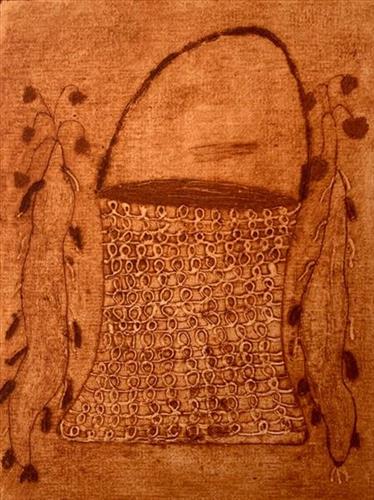
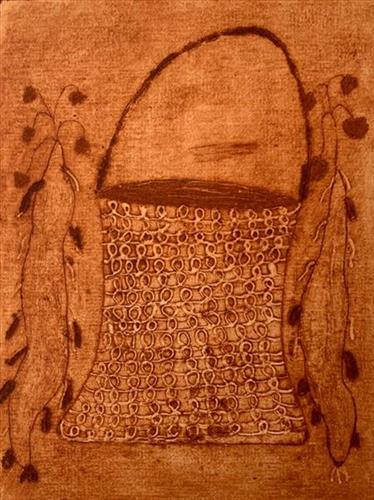
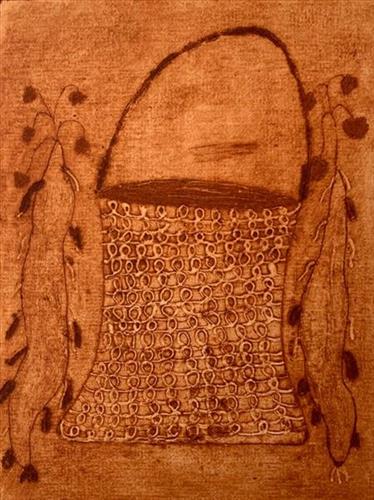
Basket and Yams

Gapu is a series of limited edition fine prints created in a long standing a collaboration between Basil Hall Editions and Beswick artists. Gapu Series XI uses, for  the first time, the Collograph technique and features 23 prints by 14 senior and emerging artists from Beswick.  Gapu (Water) features life and cultural practice around the water ways of both Beswick and the ancestral homelands of the artists, from hairy yams to woven string bags, sitting ducks on the billabong to fish hiding in the lily roots, ceremonial dilly bags to the mythical Mimis that share country.

Editions are limited to 30 prints, printed on Hahnemuhle paper.
221382237985


Basket and Yams

Gapu is a series of limited edition fine prints created in a long standing a collaboration between Basil Hall Editions and Beswick artists. Gapu Series XI uses, for  the first time, the Collograph technique and features 23 prints by 14 senior and emerging artists from Beswick.  Gapu (Water) features life and cultural practice around the water ways of both Beswick and the ancestral homelands of the artists, from hairy yams to woven string bags, sitting ducks on the billabong to fish hiding in the lily roots, ceremonial dilly bags to the mythical Mimis that share country.

Editions are limited to 30 prints, printed on Hahnemuhle paper.
221382237984


Basket and Yams

Gapu is a series of limited edition fine prints created in a long standing a collaboration between Basil Hall Editions and Beswick artists. Gapu Series XI uses, for  the first time, the Collograph technique and features 23 prints by 14 senior and emerging artists from Beswick.  Gapu (Water) features life and cultural practice around the water ways of both Beswick and the ancestral homelands of the artists, from hairy yams to woven string bags, sitting ducks on the billabong to fish hiding in the lily roots, ceremonial dilly bags to the mythical Mimis that share country.

Editions are limited to 30 prints, printed on Hahnemuhle paper.
221382237982


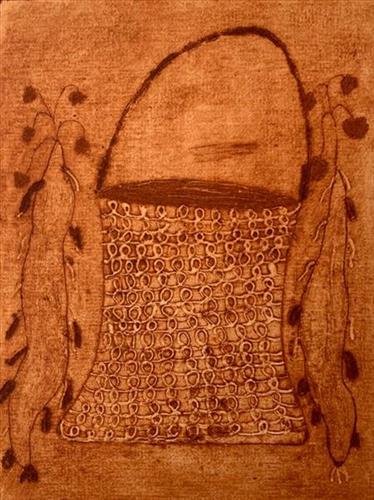
Basket and Yams

Gapu is a series of limited edition fine prints created in a long standing a collaboration between Basil Hall Editions and Beswick artists. Gapu Series XI uses, for  the first time, the Collograph technique and features 23 prints by 14 senior and emerging artists from Beswick.  Gapu (Water) features life and cultural practice around the water ways of both Beswick and the ancestral homelands of the artists, from hairy yams to woven string bags, sitting ducks on the billabong to fish hiding in the lily roots, ceremonial dilly bags to the mythical Mimis that share country.

Editions are limited to 30 prints, printed on Hahnemuhle paper.
220982386254


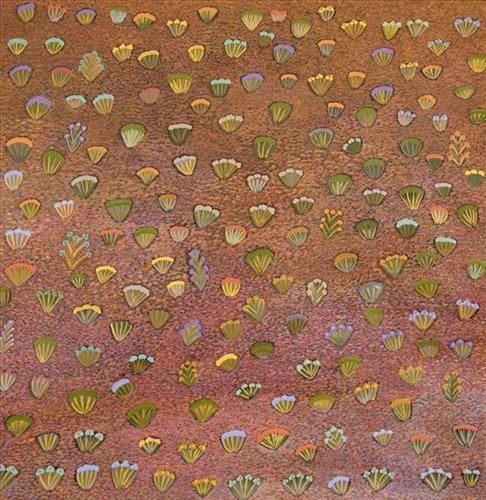
Lilly Morton Kemarre – Antarrengeny, My Country

Lilly has painted her country, Antarrengeny. The brightly coloured flowers and small bushes are bush medicine and are still used within the community.

Lilly’s landscapes beautifully communicate the rich knowledge she possesses of both medicinal plants and country, the heart of her culture.

As a young girl, Lilly lived traditionally off of the land with her family and Alyawarr people. In Lilly’s lifetime, she has experienced and borne witness to the irreversible changes of country and way of life, that were previously unchanged for thousands of years.

She is a kind and gentle elder of the community and often tells stories of how life used to be, in Alywarre, her language, to her family and friends. These stories are also a great inspiration for many of the artists within the community.

Lilly is passionate about nature, especially her country and the plants that grow on it, she speaks in launguage and is keen to explain the various bush medicines which she depicts in her paintings.

The community of Ampilatwatja made a conscious decision not to paint altyerr (dreaming stories). The artists paint their country where those stories sit.

115682390764


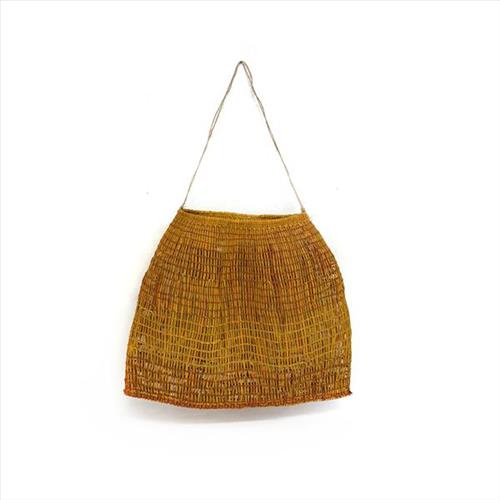
Bathi (Pandanus Basket)

Yolŋu weavers of Arnhem Land create utilitarian, ceremonial, and decorative pieces using naturally sourced materials. This Bathi (Pandanus Basket) is made from young Pandanus spiralis leaves, harvested with a wooden hook, stripped of prickles, and dried to create strong, resilient fibres. These fibres are then twisted, coiled, or woven using various techniques to produce both functional and decorative baskets.

Typically, Bathi are made using a coiling technique which was adapted from techniques used by Indigenous women throughout Southeast Australia. Introduced to Arnhem Land weavers in the 1930’s as Missionaries began commissioning pieces in this style.

Bula’bula weavers exclusively use natural dyes, derived from locally sourced roots, leaves and grasses. These pigments are extracted and infused into pandanus fibres by boiling over an open fire, producing the rich, vibrant colours characteristic of contemporary Yolŋu weavings.

115682393801


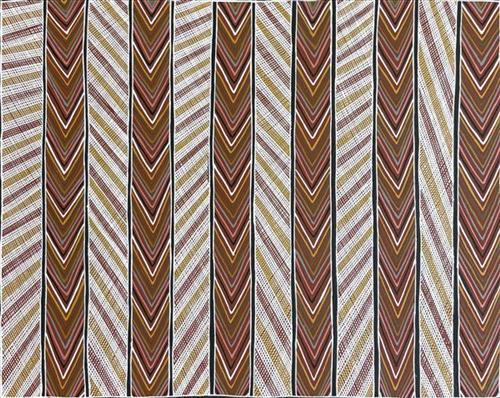
Lungurrma (North-east Wind)

Lungurrma (North-east Wind) heralds the new season when seas are calm and new growth starts. The months for this type of wind are October to December. There are big clouds without thunder or rain. The triangular patterning represents monsoon clouds ‘standing up’ on the northern horizon. The Lunggurrma design belongs to the Yirritja moiety clans linked to this design are known as the ‘line of clouds’ clans

115682393795


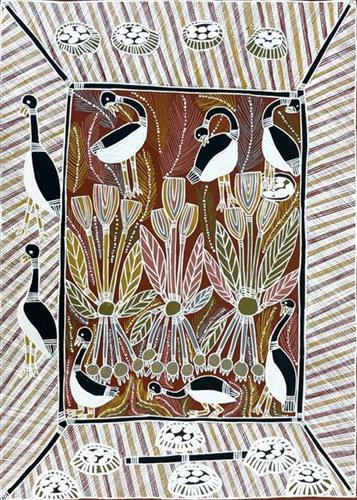
Gumang (Magpie Geese)

The Yolngu people of Arnhem Land originate from a spiritual source, fixed in a particular place in their land or the sea. These ‘Spiritual Reservoirs’ are often in the form of special waterholes made by Wangarr (Creative Beings) long ago close to the beginning of time.

The creator beings moved across the country side, shaping the land and implanting in each tract of country, the spiritual life force for the people who were to own it. These Creative Spirits took many forms. When they gave the land to each group they also gave songs, dances, ceremony, the associated laws and language. The Creation story for Ganalbingu people took place near the middle section of the Glyde River where it becomes the Goyder River. Their land, Ngaliyindi, sits astride the Arafura Swamp in Central Arnhem Land.

In this painting, Joy has depicted Gumang (magpie geese), which are sacred to the Ganalbingu people. To the east of the Arafura Swamp is a freshwater billabong which is said to have been made by the Goose Spirit and is in the shape of a goose nest. As a result, geese, their eggs and their nests are sacred. The rarrk panel on the right symbolises running water. 

115682394319


Ganalbingu – Banda (Long Necked Turtle)

The long necked turtle is a dreaming totem for the freshwater people, the Ganalbingu, whose country includes the World Heritage listed, Arafura Wetlands in Central Arnhem Land, Northern Territory

The Yolngu (people) of Arnhem Land originate from a spiritual source, fixed in a particular place in their land or the sea. These ‘Spiritual Reservoirs’ are often in the form of special waterholes made by Wangga (Creator Beings), long ago close to the beginning of time. These creator beings moved across the country side, shaping the land and implanting in each tract of country, the spiritual life force for the people who were to own it.

These creator spirits took many forms. When they gave the land to each group they also gave songs, dances, ceremony, the associated laws and language. The Creation story for Ganalbingu people took place near the middle section of the Glyde River where it becomes the Goyder River. Their land, Ngaliyindi, sits astride the Arafura Swamp in Central Arnhem Land. Some of their major Creative Beings include Banda (freshwater long neck turtle) and Yalman (water lilies).

115682394317


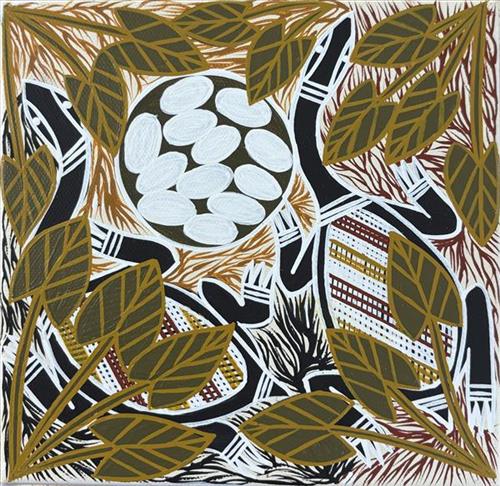
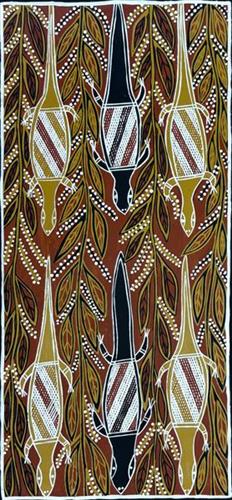
Northern Marbled Velvet Gecko (Oedura marmorata)

Aboriginal art in Ramingining, Central Arnhem Land is commonly illustrated through designs and images of animals, plants, and landscape. These motifs commonly reflect the artists ancestral inheritance and their dreamings and are referred to as totems.

For this painting, the artist has painted Northern Marbled Velvet Gecko (Oedura marmorata)