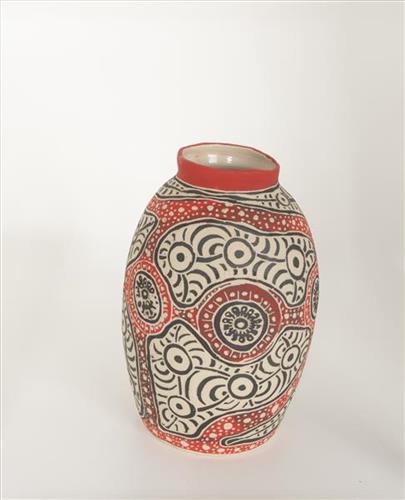
221282351243


Wira Walka

Wira is a small cup-like digging bowl or multi-purpose object. In the early days this walka (design) was burnt with wire on to wooden carvings, particularly onto the wira. This association with women has seen the wira walka take on an identity as a female design. It is also highly reminiscent of the marks made in ochre or paint on a woman’s breasts during inma (ceremony). This design has become an iconic element in art from the Anangu Pitjantjatjara Yangkantjatjara Lands.
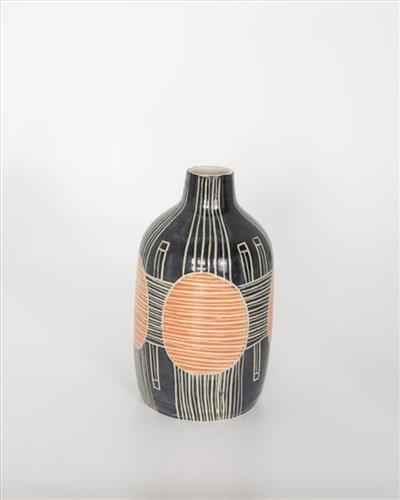
221282352241


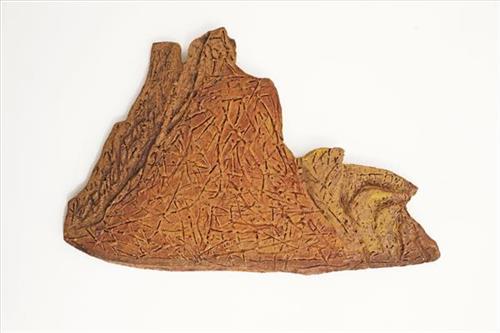
Tjukula/Waterholes

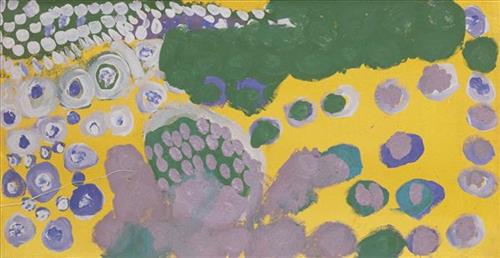
For the Pitjantjatjara people living in the desert, knowledge of their water sources was critical to their survival. This resulted in an intimate understanding of the landscape which continues today. Water is an essential element in the desert. These rock holes were particularly important during the dry season when most of the water holes and creeks dried up.  Deep familiarity with the topography of their country and the way rain would interact with the land ensured constant sources of water could be found. Knowledge of rock hole sites is passed on from generation to generation and revered by all Anangu (people).

Tjukula means rock-holes, which are found with surprising frequency in the Musgrave Ranges and country around Ernabella.  Between visits, Anangu would use a construction of rocks and spinifex to guard these important water sources from spoilage by feral and stock animals such as cattle, camels, horses and donkeys.

224982358420


Elaine Papulankutja Dreaming

Elaine is a painter from Papulankutja (Blackstone) who now resides at Wanarn Aged Care. Elaine paints tjukurrpa from her country of Papulankutja, which includes songlines for associated tjukurrpa of Wati Kutjarra and Lirru – carpet python dreaming.

Warakurna Artists works closely with Wanarn Aged Care Facility to conduct painting sessions with elderly patients. This program nurtures artists who have contributed largely to one of the most significant art movements in Australia. The joyous communal activity has a myriad of positive benefits such as reliving boredom and frustration. Health staff report that this diversional therapy helps to reduce patient’s drug intake and the old people rejoice in sharing and passing on their important Tjukurrpa with their families who visit them when the workshops are conducted. Warakurna Artists is a positive and powerful example of Aboriginal businesses managed and governed by artists and community elders ensuring the wealth of talent and economic returns are retained in the community.