114177099148


Tjayanka Woods – The Seven Sisters-Kungkarrangkalp

Tjayanka Woods, a senior Pitjantjatjara artist, was born around 1925, near Kalaya Pirti (Emu Water) near Mimili and Wataru, South Australia, As a child she lived a semi-nomadic lifestyle in the bush with her parents, frequently camping at Kalaya Pirti where they would hunt ngintaka (goanna), tinka (lizards), kalaya (emu) and gather bushfoods such as kampurarpa (desert raisin), ili (figs) and maku (wood grubs).

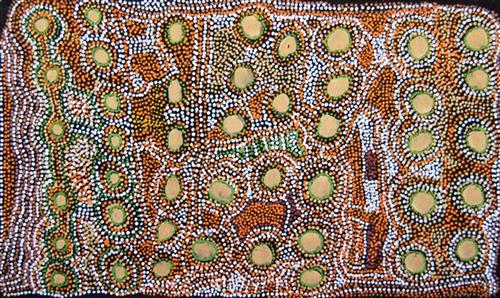
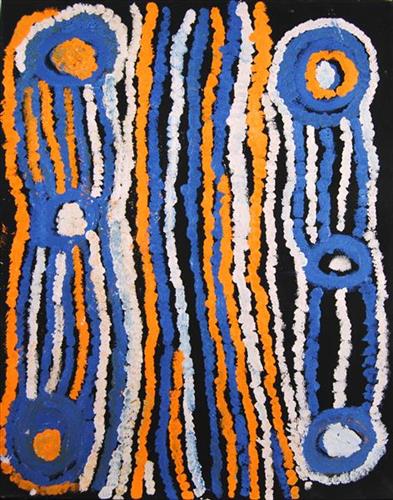
Tjayanka refers to the Kungkarrangkalpa Tjurkurpa (Seven Sisters) in her paintings. They are structured like mud-maps, tracing the journey of the sisters around the perimeter of the canvas showing the rock-holes and land formations created by the sisters as they walked through the country together. Incorporated into the paintings is the flight of the eagle, her grandfather, who flies above the path of the sisters. “This is my father’s country close up to Irrunytju. The sisters were travelling through this country. My grandfather, he is this eagle in my painting. You can see where he flew, she will tell you.
220280379064


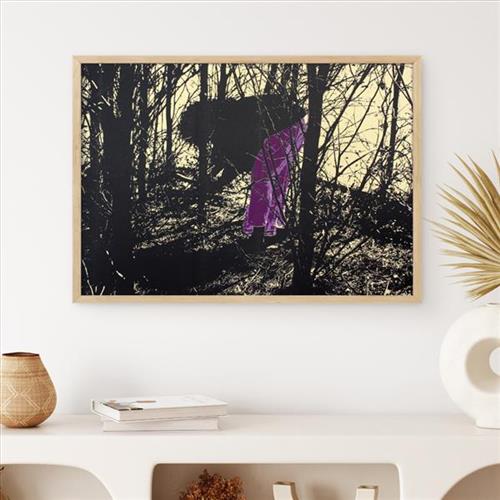
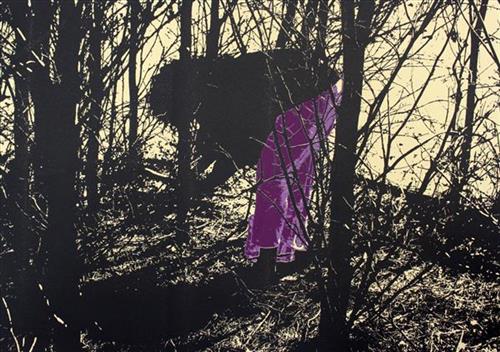
Napanangkalu watiya kuntanyi tururruku / Eunice is cutting the wood for clapping sticks

In the artist’s words: “In September, on a warm day, we went on a bush trip to get wood for nulla-nulla and clapping sticks. While Alison Napurrula Multa and Eunice Napanangka Jack were looking for wood, I was taking pictures of them. My cousin Alison is looking for wood to make a nulla-nulla. Anangu use the nulla-nulla for ceremony in our dances. Alison made a nulla-nulla for our art festival. My grandmother Eunice is looking for wood to make a clapping stick. Anangu use the clapping sticks to clap and sing in ceremonies. Eunice made clapping sticks for our art festival. This was the first time I experimented with photography including people. It made me feel happy because I am trying to learn more about taking pictures.

220280379040


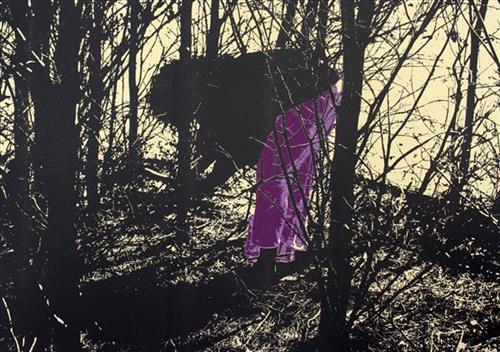
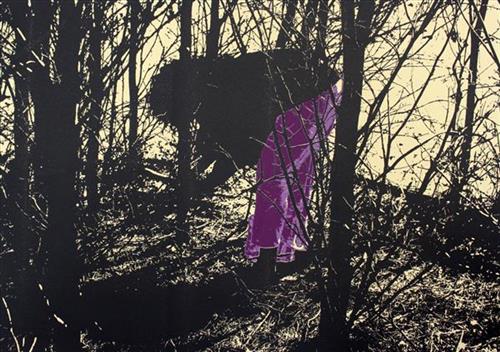
Napurrulalu atuni watiya kuturruku / Alison is cutting the tree to make a nulla-nulla

In the artist’s words: “In September, on a warm day, we went on a bush trip to get wood for nulla-nulla and clapping sticks. While Alison Napurrula Multa and Eunice Napanangka Jack were looking for wood, I was taking pictures of them. My cousin Alison is looking for wood to make a nulla-nulla. Anangu use the nulla-nulla for ceremony in our dances. Alison made a nulla-nulla for our art festival. My grandmother Eunice is looking for wood to make a clapping stick. Anangu use the clapping sticks to clap and sing in ceremonies. Eunice made clapping sticks for our art festival. This was the first time I experimented with photography including people. It made me feel happy because I am trying to learn more about taking pictures.”

220280379038


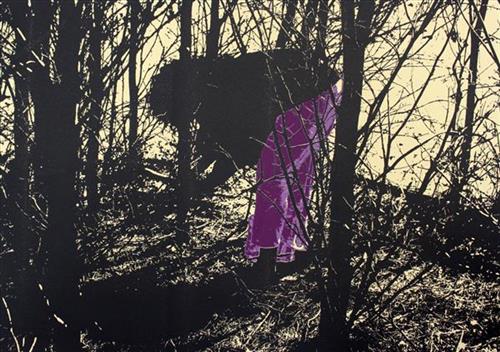
Napurrulalu atuni watiya kuturruku / Alison is cutting the tree to make a nulla-nulla

In the artist’s words: “In September, on a warm day, we went on a bush trip to get wood for nulla-nulla and clapping sticks. While Alison Napurrula Multa and Eunice Napanangka Jack were looking for wood, I was taking pictures of them. My cousin Alison is looking for wood to make a nulla-nulla. Anangu use the nulla-nulla for ceremony in our dances. Alison made a nulla-nulla for our art festival. My grandmother Eunice is looking for wood to make a clapping stick. Anangu use the clapping sticks to clap and sing in ceremonies. Eunice made clapping sticks for our art festival. This was the first time I experimented with photography including people. It made me feel happy because I am trying to learn more about taking pictures.”

114180580029


Wati kutjara – The goanna men

This is the story of two powerful magicians who came to the Ngaanyatjarra Lands from far away to the west;

‘These two men are always together, always camping together. They do all sorts of tricks when they travel across the lands as they stop from place to place. When they reached ‘Wirtapi Wara’ (Long Black or Blackstone Range) they argued about which way to go around. One went around the south side and the other the north side.

At a distance it seemed they didn’t recognise each other or perhaps they were just pretending not to recognise each other! It is also said that at Papulankutja they tricked each other by changing their appearance at the same time so they had no chance to recognise each other. The name Papulankutja comes from the Ngaanyatjarra word meaning, ‘to stare without recognising each other’.

220281134697


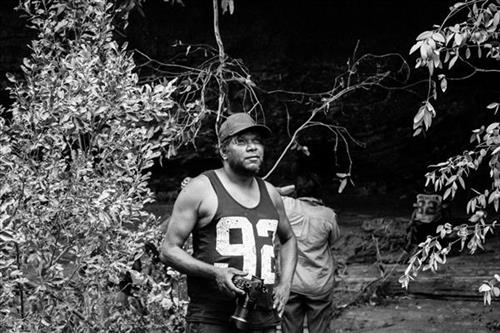
Ngurra Palya

“It’s good to be back on country and visiting country.”

One of the first photographs that Albie Jack has ever taken it shows Garrard Anderson showing others through country with his knowledge acquired as a ranger. 

220281134690


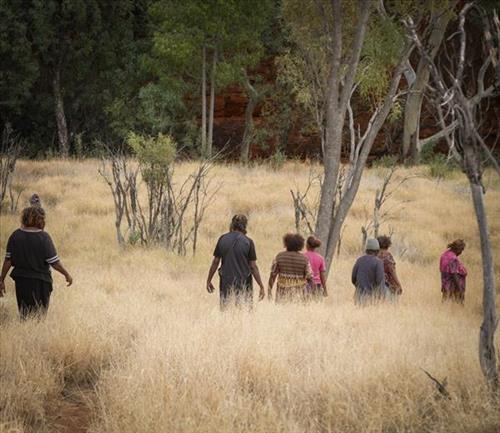
Intergenerational teaching and connecting 2 country

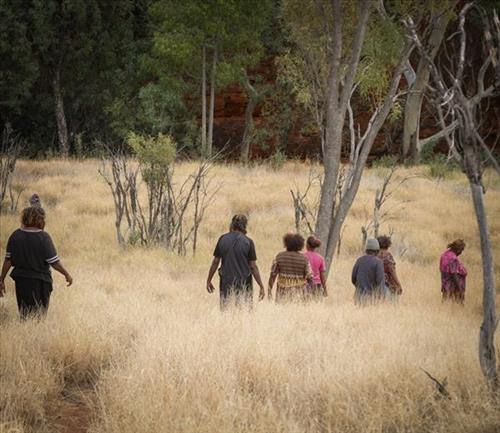
This is a photograph of Ikuntji ladies in a line following a path leading to rock art and carvings. I took this photograph because it shows the significance of people showing their respect to country.

220281134688


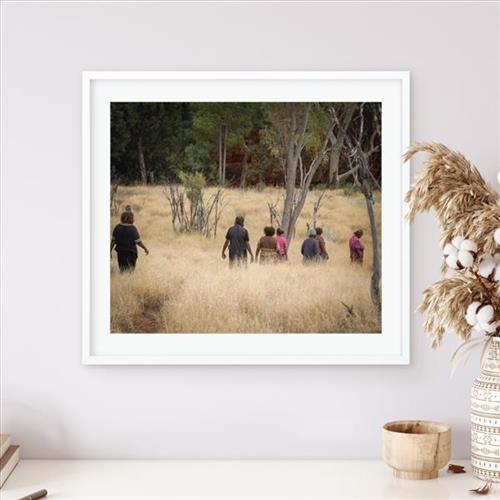
Intergenerational teaching and connecting 2 country

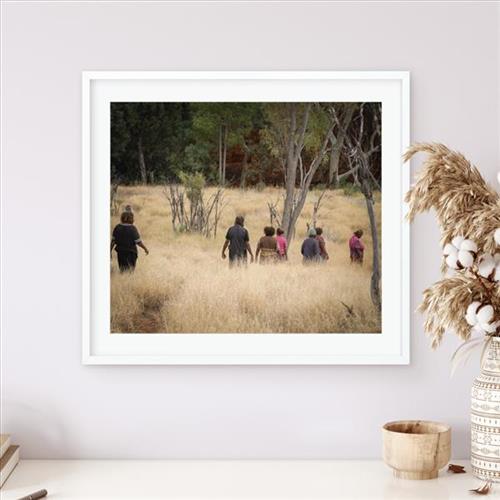
This is a photograph of Ikuntji ladies in a line following a path leading to rock art and carvings. I took this photograph because it shows the significance of people showing their respect to country.

220281134675


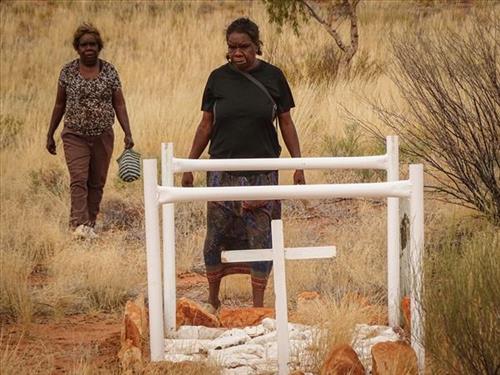
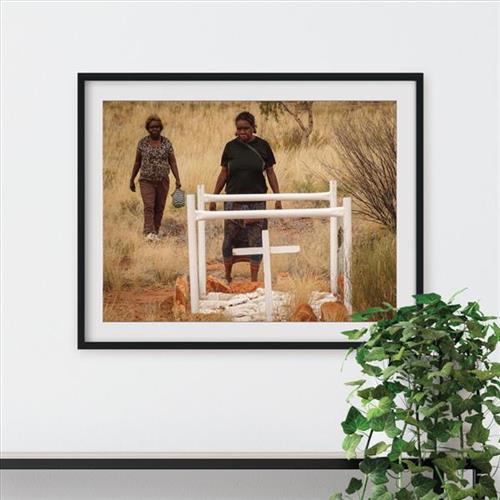
Ngurra ngakutjaku – Long way from home

Kungka kotara ngangyi graveyard tjama. (Two ladies visitng the graveyard of their grandfather).

Taken on a trip to country in 2016 the photograph encapsulates the intimacy of the artist’s wife, Maisie Jugadai, in the foreground and Kelly Dixon. Both of them asked for this photo to be taken by Jeffrey. 

220281134658


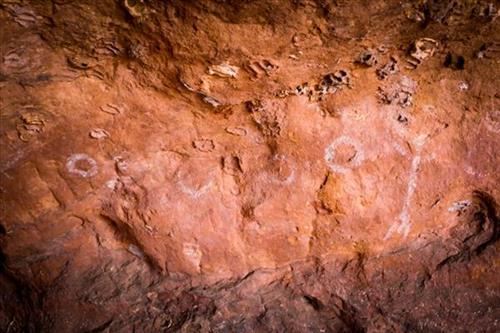
We have always been here

Garrard was a ranger through the Central Land Council and visited on his journeys many rock art sites across the Western Desert. 

This painted rock art was to him a record of thousands of years of continuous occupation of the site at Muruntji – Cleland Hills.