377810582178578


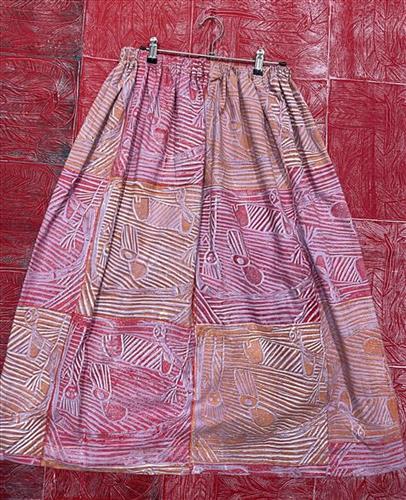
Bawáliba (Stone Country Mimih) Yappa Skirt

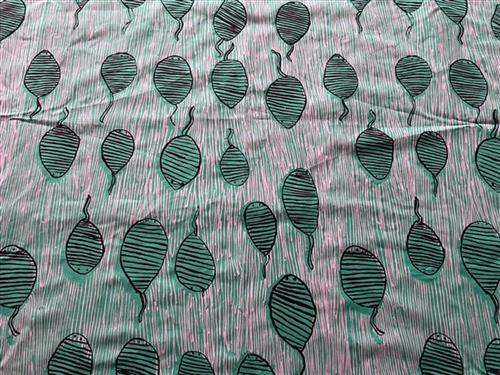
‘Bawáliba is the djang (Dreaming) of my mother and my uncles. They are good spirits, they protect us and they recognise families. They are really tall- just like human beings, like us. They dance late at night and have a lot of hair.

In olden times, long long long time ago Bawáliba were here, before people were on the land. Bawáliba used to go out hunting and care for country. They hunt carrying fish traps and digging sticks, near the homeland Djinkarr. They go out hunting on the floodplains with dilly bags and digging sticks. They collect a lot of bush foods, and sleep together with one bark shelter.
Sometimes now they still come alive when we sleep, they might come to our houses and peep through the window. At night, they cover themselves with white clay and red cloth tied around their waist. If we hear them, we jump out of bed and get up to look -but they have disappeared, they’re just too quick. Bawáliba might knock on the window to remind us they are there looking out for us.If you listen deeply you can hear them whisper, sometimes they talk about us and might say, ‘why are those people making camp here?’ then they realise ‘Oh they are family from here, it’s ok, they are just sleeping here for the night’.

During the day they always turn into stone and they sleep. We still know that green rock covered in moss near Djinkarr, that’s Bawáliba sleeping.
Some of my ancestors used to speak the same language as the Bawaliba, but all those old people are passed away now. It’s a little bit sad for us, because no one now can speak that Bawaliba language anymore.’ Lucy Yarawanga 2019

377810582178575


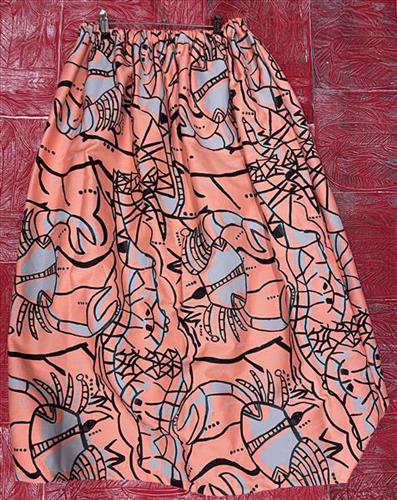
Rrugurrgurda (Mud Crab) Yappa Skirt

This design tells the story of Elizabeth’s homeland – a dreaming place, a good dreaming place with plentiful mud crabs. Elizabeth’s homeland lies east of Maningrida, at the mouth of Blyth river. This country is known for a large spiritual mud crab, which lives in the area.

Many families go and collect crabs to eat there with long sticks, or collect directly from the shores. Mud crabs hide in the muddy bottoms of estuaries and mangrove forests in areas surrounding Maningrida. After a king tide, a large cyclical tide that bring the crabs out from the mangroves, it is a good time to find crabs.

Rrugurrgurda (mud crabs) is pronounced Ahh-rewg-gurd-gurda in the Burarra language. Rrugurrgurda are good baladji (bush food in Burarra) and can be caught all year round. They are put on the fire to cook and they are ready when they turn a bright orange colour.

377810582178571


Wak

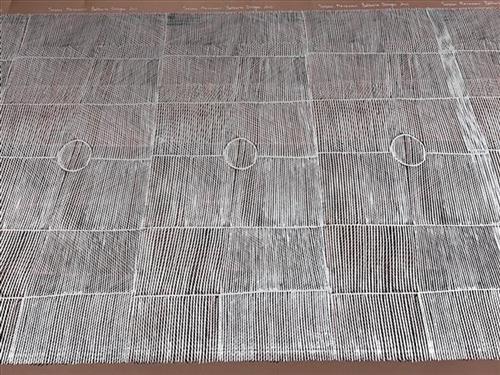
This screen print depicts a sacred site at Kurrurldul, an outstation south of Maningrida. The original screen print design was made in 2010 but continues to be printed at Babbarra Designs studio. 

The ‘rarrk’, or abstract crosshatching, on this work represents the design for the crow totem ancestor called Djimarr. Today this being exists in the form of a rock, which is permanently submerged at the bottom of Kurrurldul Creek. The Djimarr rock in the stream at Kurrurldul is said to move around and call out in a soft hooting tone at night. Both the stone itself and the area around it are considered sacred.

The imagery represents the Djimarr rock at the bottom of Kurrurldul creek – the final transmutation of the Djimarr ancestor being. It also references the crow design used in the sacred Mardayin ceremony, a large regional patrimoiety ceremony now rarely conducted in central and eastern Arnhem Land.

377810582178569


Wak

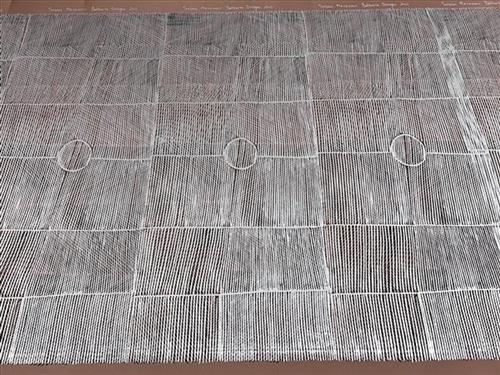
This screen print depicts a sacred site at Kurrurldul, an outstation south of Maningrida. The original screen print design was made in 2010 but continues to be printed at Babbarra Designs studio. 

The ‘rarrk’, or abstract crosshatching, on this work represents the design for the crow totem ancestor called Djimarr. Today this being exists in the form of a rock, which is permanently submerged at the bottom of Kurrurldul Creek. The Djimarr rock in the stream at Kurrurldul is said to move around and call out in a soft hooting tone at night. Both the stone itself and the area around it are considered sacred.

The imagery represents the Djimarr rock at the bottom of Kurrurldul creek – the final transmutation of the Djimarr ancestor being. It also references the crow design used in the sacred Mardayin ceremony, a large regional patrimoiety ceremony now rarely conducted in central and eastern Arnhem Land.

377810582178568


Wak

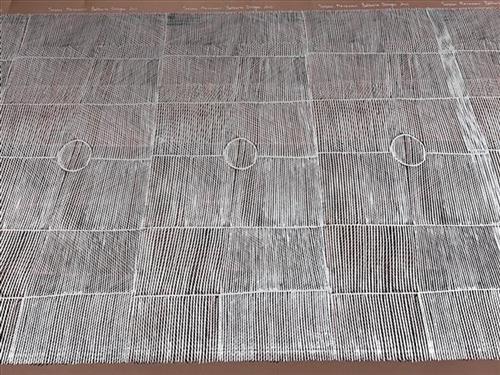
This screen print depicts a sacred site at Kurrurldul, an outstation south of Maningrida. The original screen print design was made in 2010 but continues to be printed at Babbarra Designs studio. 

The ‘rarrk’, or abstract crosshatching, on this work represents the design for the crow totem ancestor called Djimarr. Today this being exists in the form of a rock, which is permanently submerged at the bottom of Kurrurldul Creek. The Djimarr rock in the stream at Kurrurldul is said to move around and call out in a soft hooting tone at night. Both the stone itself and the area around it are considered sacred.

The imagery represents the Djimarr rock at the bottom of Kurrurldul creek – the final transmutation of the Djimarr ancestor being. It also references the crow design used in the sacred Mardayin ceremony, a large regional patrimoiety ceremony now rarely conducted in central and eastern Arnhem Land.

377810582178092


Birlmu dja Komrdaw

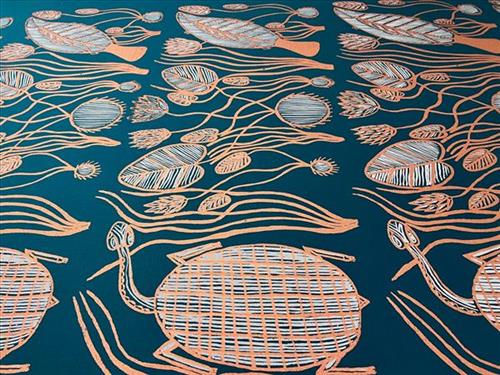
Jennifer Wurrkidj is a Kuninjku artist from the Kurulk clan whose country lies around the outstation of Mumeka in central Arnhem Land.This image depicts important man-me (food) from freshwater environments on Jennifer’s country.

Wayuk (waterlilly) roots are called burdbarrk and are eaten fresh from the water or cooked on an open fire. The freshwater turtle (kormdaw) are a favourite cuisine – they hibernate on the floodplains during the dry season.

Various fish species including the barramundi (birlmu) as shown here are hunted with a spear or trapped inside a woven fish trap.

377810582178091


Birlmu dja Komrdaw

Jennifer Wurrkidj is a Kuninjku artist from the Kurulk clan whose country lies around the outstation of Mumeka in central Arnhem Land.This image depicts important man-me (food) from freshwater environments on Jennifer’s country.

Wayuk (waterlilly) roots are called burdbarrk and are eaten fresh from the water or cooked on an open fire. The freshwater turtle (kormdaw) are a favourite cuisine – they hibernate on the floodplains during the dry season.

Various fish species including the barramundi (birlmu) as shown here are hunted with a spear or trapped inside a woven fish trap.

377810582178089


Stingray

This is Debbie Pascoe’s first ever screen print design. Printed as a two colour design.

Debbie is from the Djinang language group in Maningrida, which according to the ABS Census has approximately 220 speakers.

377810582178088


Stingray

This is Debbie Pascoe’s first ever screen print design. Printed as a two colour design.

Debbie is from the Djinang language group in Maningrida, which according to the ABS Census has approximately 220 speakers.

377810582178086


Stingray

This is Debbie Pascoe’s first ever screen print design. Printed as a two colour design.

Debbie is from the Djinang language group in Maningrida, which according to the ABS Census has approximately 220 speakers.