225182336590


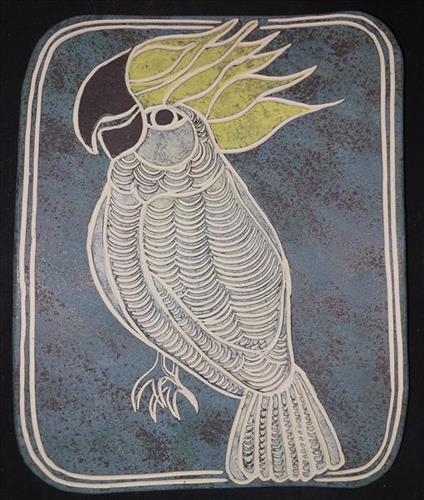
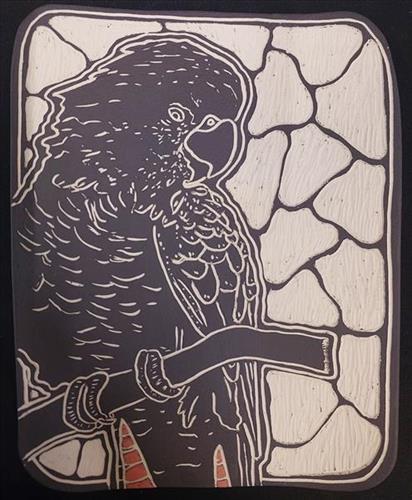
Kadanji (Black Cockatoo)

The black cockatoo is my totem. It has been passed down to me from my grandmother and her sisters, to my mum and her sisters and then it came to me and my sisters.

I use the black cockatoo often in my art not only because it is my Totem but also to thank my grandmother’s sisters (Kae Creek, Leyla Creek and Margaret Rocky). They are artists and I used to watch them when I was a young girl. This inspired me to become an artist myself.

So, the Black Cockatoo shows on a personal level how I honour to these women artists, who came before me and changed my life.

225182336588


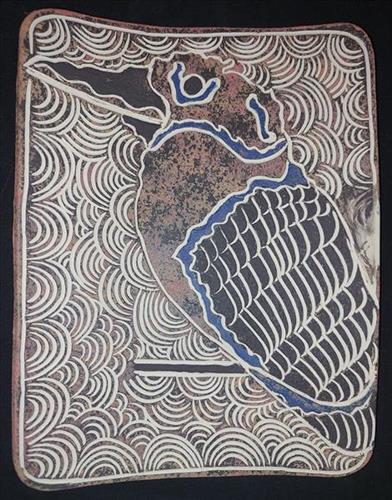
Wakuka (Kookaburra)

Wakuka (Kookaburra) is an important totem or spiritual being for our Kuku Yalanji clans. We call him a messenger bird because he lets us know when a family member has passed away.

225182336581


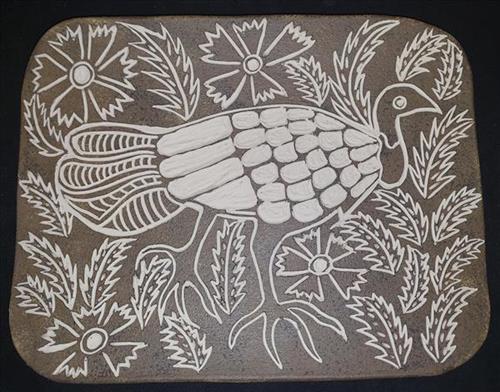
Diwan (Scrub Turkey)

Diwan are bush food – an important source of meat. We also eat the eggs. They are a delicacy. The male bird looks after the nest and will not go far, as he has to protect the nest from bush goanna’s. If they come around, he will send out an alarm call to other Diwan to alert therm. The nesting time for Diwan is September to December. The bush goanna knows when the eggs will be ready to hatch. When the goannas start hanging around, this is a good sign that the eggs are ready. We dig for eggs with digging sticks or by hand. The nest is very deep and when you can feel the warmth with your hands, you know that the eggs are close-by. The eggs are very good for health and make you strong.

225182336580


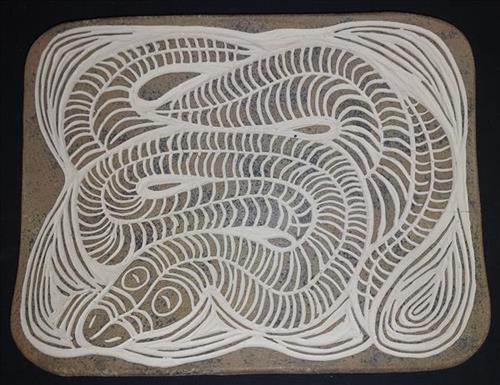
Kurriyala (Carpet Snake)

The carpet snake used to be an important food animal for our ancestors. They wrapped the meat in native ginger leaves and cooked it on the hot coals of the ground oven. They also used the skin to make head bands or skillfully sewed blankets to keep the families warm and dry at night.

The carpet snake also has spiritual significance for me.  I inherited the carpet snake Totem and related cultural knowledge from my father’s side. According to our Kuku Yalanji creation stories, the carpet snake was an Ancestral Being that travelled in its human form across the country creating waterways wherever it went, including on my father’s clan lands.

In my upbringing I was taught to respect our elders who prepared me for my future role as carrier of cultural knowledge and spiritual traditions. I was also taught the values of taking responsibility for caring for our traditional clan country and help maintain it for the younger generations so they can become strong leaders.

Art is my way of keeping the cultural knowledge of my ancestors alive and passing it down to my children and grandchildren. Sharing this body of knowledge creates strong family ties and gives me my strength.

225182336579


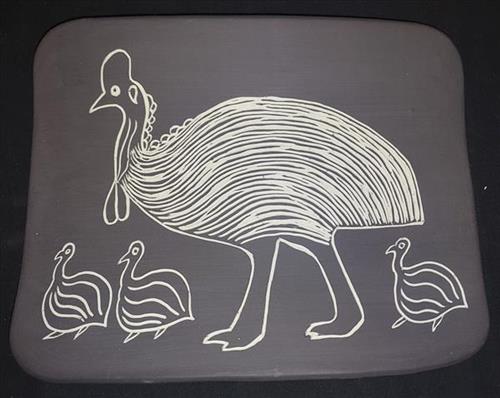
Kurranji (Cassowary)

The cassowary is one of the most important animals for our Kuku Yalanji people. The cassowary is the boss of the rainforest. He is dangerous but he also helps grow many of the plants we used to collect for food, medicine and tool making.

How does he do this? He eats many different fruits, digests them in his stomach, and then drops his dung mixed with the leftover seeds onto the ground. This way seeds grow into new plants wherever he walks. This helped us Kuku Yalanji in the past to survive.

The cassowary is a spirit bird and celebrated to this day in public ceremonies with song and dance. You must be very careful of them because they can attack. Never feed them. You must always be alert when walking in the rainforest.

225182336577


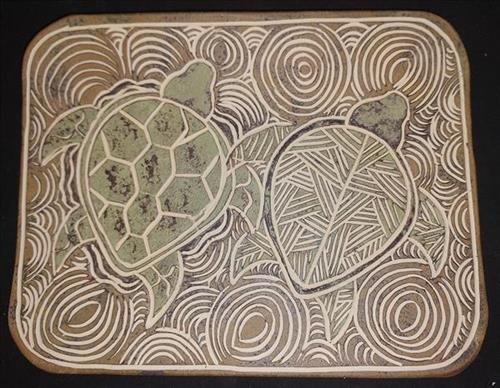
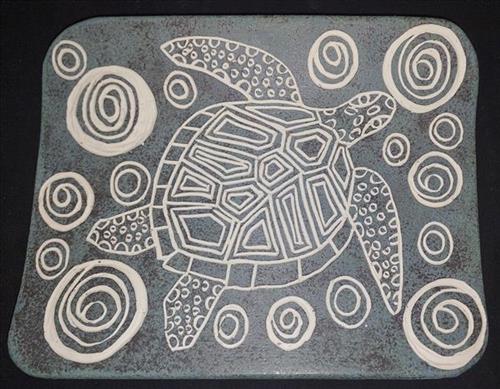
Ngujay (Freshwater Turtle)

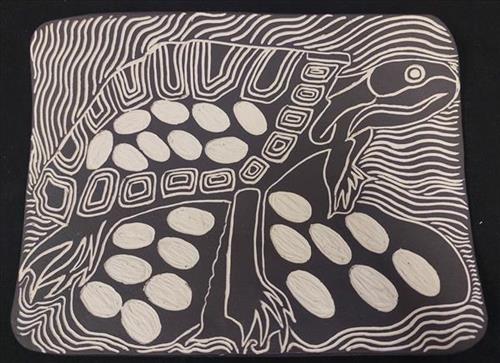
Ngujay (Freshwater Turtle) was a source of meat as well as a surface for painting. Traps for catching them were made from lawyer vine and spider’s web was used to make fishing line. To clean the shell for decorating, we would leave it near a green ant nest and then go through a process of soaking and drying it prior to painting. Culturally it is forbidden for pregnant women to eat either freshwater or saltwater turtle.

225182336576


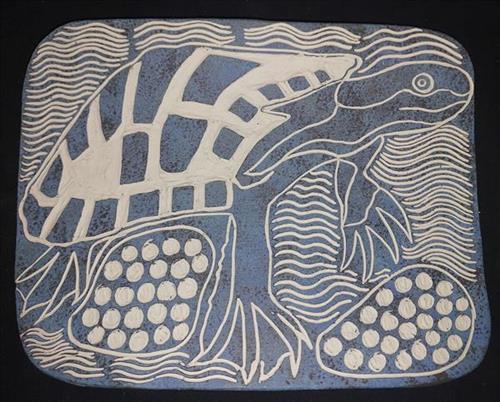
Ngujay (Freshwater Turtle)

Ngujay (Freshwater Turtle) was a source of meat as well as a surface for painting. Traps for catching them were made from lawyer vine and spider’s web was used to make fishing line. To clean the shell for decorating, we would leave it near a green ant nest and then go through a process of soaking and drying it prior to painting. Culturally it is forbidden for pregnant women to eat either freshwater or saltwater turtle.