225182171495
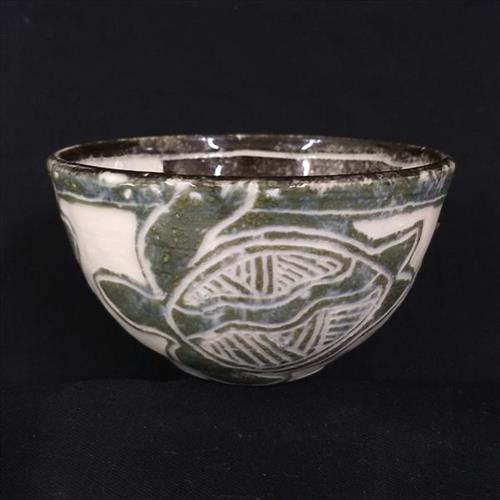
Kirbaji (Dugong)
In the past, Kirbaji (dugong) was an important food source. It was men’s business to hunt dugongs and it was their responsibility to cook and provide the meat to all the families. The meat of the dugong was cooked in an earth oven.
Our ancestors also made oil form the dugong fat. They used the oil for medicinal purposes. They used it for skin and hair treatments. When people had an upset stomach they used the oil as an ointment.
225182172926
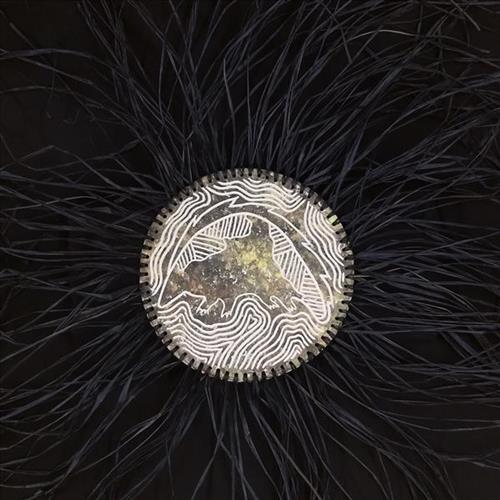
Tile Ngangkin (Echidna)
Long time ago our ancestors used to hunt echidnas for their meat and fat.
The fat was used as bush medicine. They rubbed it onto sore muscles to relieve pain.
The echidna also appears as part of a rock formation at Manjal Dimbi (Mount Demi). Manjal Dimbi means “mountain holding back“. The rock formation represents a number of significant Ancestral Beings in their animal form and Kubirri, a man who came to help Kuku Yalanji when they were persecuted by the evil spirit, Wurrumbu.
225182173393
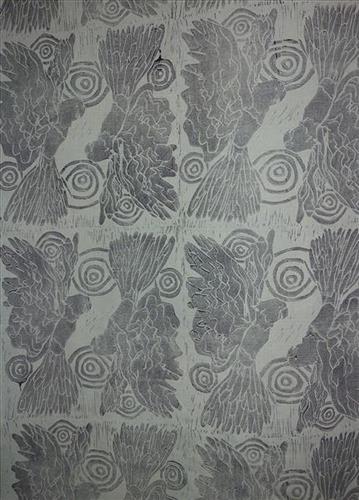
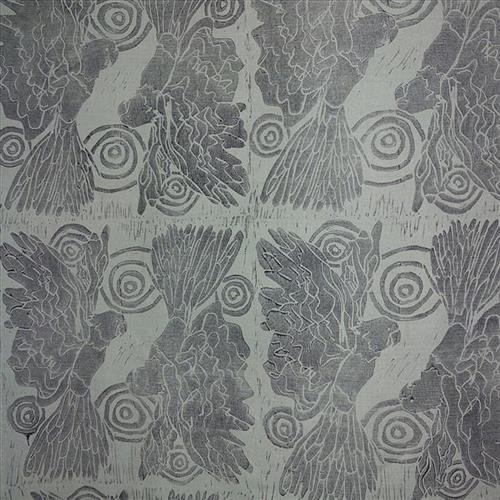
Kadanji (Black Cockatoo)
There are many Parrots, known as psittacines, there are roughly 398 species. Parrots are mostly found in tropical and sub-tropical regions. Parrots are popularly known for being an intelligent species and their diet includes insects, fruits and seeds. Parrots have significantly different colours world wide. Here they live in the rainforest.
Kadanji (Black Cockatoo) is my mother’s mother’s totem from the Kuku Nyungkul clan. It has been handed down from generation to generation.
225182173392
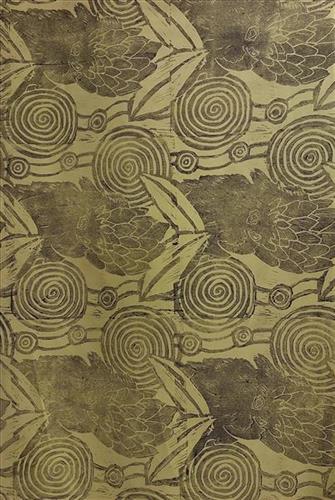
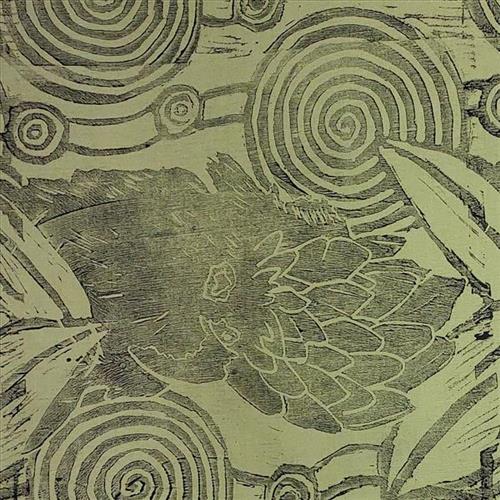
Kadanji (Black Cockatoo)
Kadanji (Black Cockatoo) is my mother’s mother’s totem from the Kuku Nyungkul clan. It has been handed down from generation to generation.
225182173903
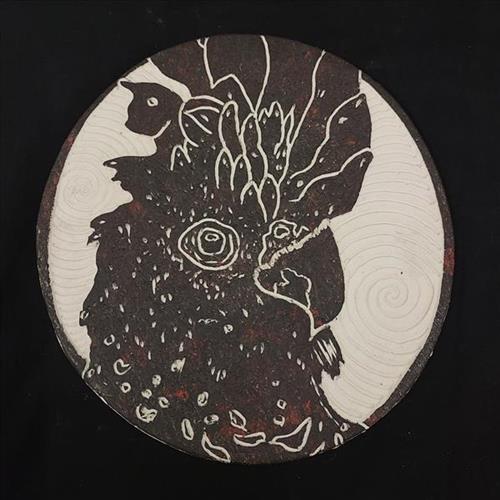
Kadanji (Black Cockatoo)
Kadanji (Black Cockatoo) is my mother’s mother’s totem from the Kuku Nyungkul clan. This totem is passed down generation after generation to your newborns.
225182176857
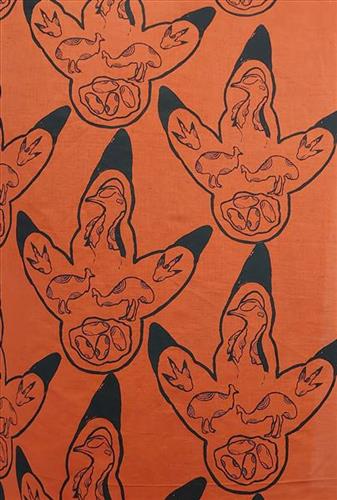
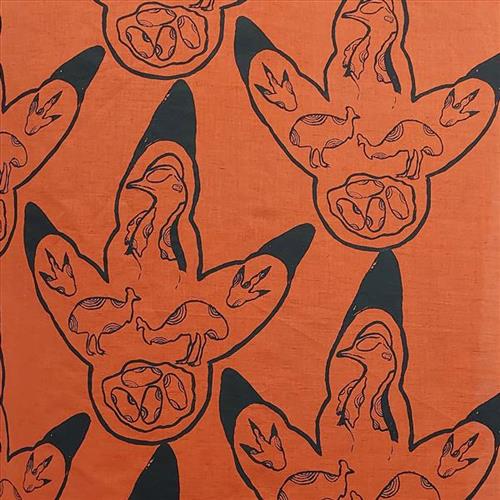
Kurranji (Cassowary)
The cassowary is my totem. My mother’s sister handed it down to me when I was a young boy. I perform the cassowary dance in public ceremonies. As a young men, I was part of the Yalanji Dance group and was invited to Hong Kong to perform our traditional dance cycles including the cassowary dance.
225182176853
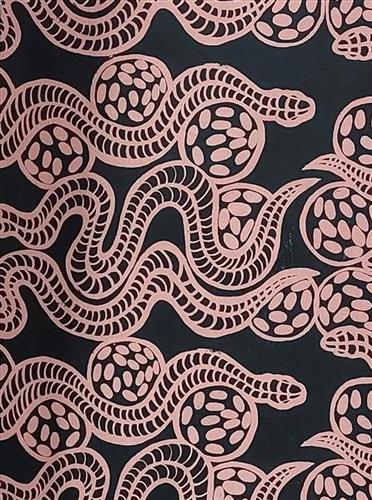
Kurriyala (Carpet Snake)
The carpet snake used to be an important food animal for our ancestors. They wrapped the meat in native ginger leaves and cooked it on the hot coals of the ground oven. They also used the skin to make head bands or skillfully sewed blankets to keep the families warm and dry at night.
The carpet snake also has spiritual significance for me. I inherited the carpet snake Totem and related cultural knowledge from my father’s side. According to our Kuku Yalanji creation stories, the carpet snake was an Ancestral Being that travelled in its human form across the country creating waterways wherever it went, including on my father’s clan lands.
In my upbringing I was taught to respect our elders who prepared me for my future role as carrier of cultural knowledge and spiritual traditions. I was also taught the values of taking responsibility for caring for our traditional clan country and help maintain it for the younger generations so they can become strong leaders.
Art is my way of keeping the cultural knowledge of my ancestors alive and passing it down to my children and grandchildren. Sharing this body of knowledge creates strong family ties and gives me my strength.
225182176844
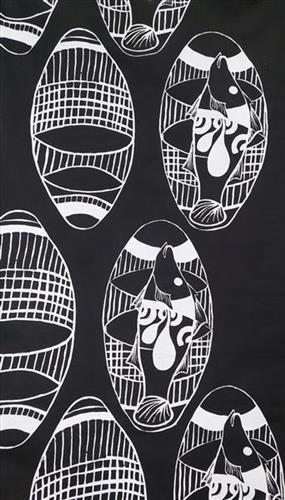
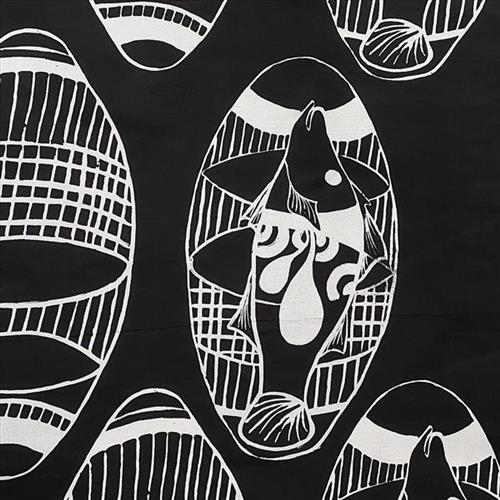
Makarr (Fish Trap)
Our fish traps were only made by Yalanji men. They used lawyer cane vines. Often they place d the fish trap in the middle of the river over
225182176820
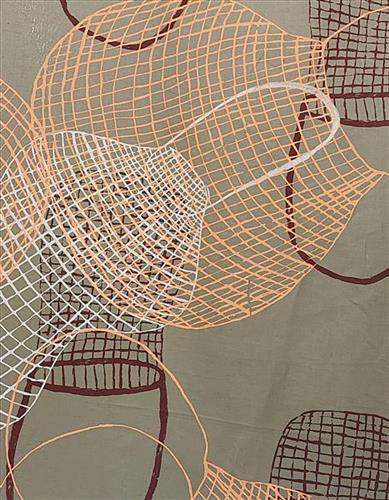
Ngunyin (Dillybag)
Dillybags played a vital part in Kuku Yalanji culture. Women used them to carry food when out hunting and gathering or soak bitter yams in creeks before cooking them. Dillybags were also used to hold personal and sacred items.