225182304803


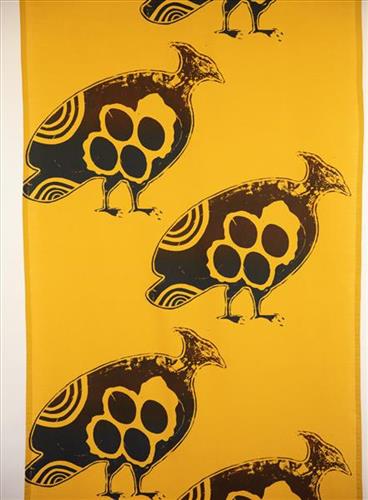
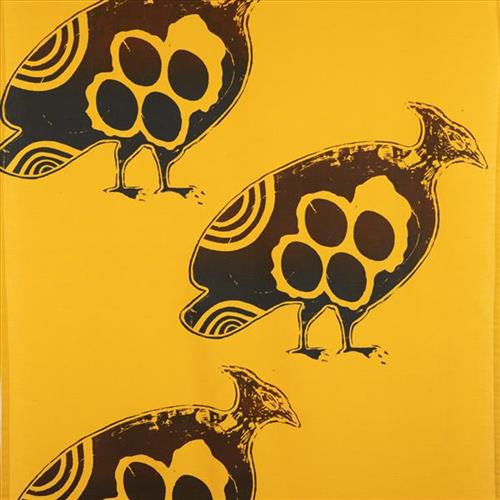
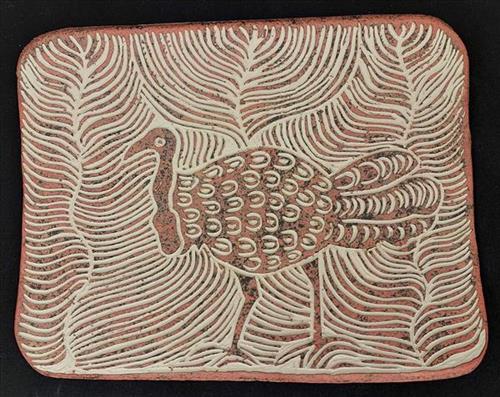
Diwan (Scrub Turkey)

Diwan are bush food – an important source of meat. We also eat the eggs. They are a delicacy. The male bird looks after the nest and will not go far, as he has to protect the nest from bush goanna’s. If they come around, he will send out an alarm call to other Diwan to alert therm. The nesting time for Diwan is September to December. The bush goanna knows when the eggs will be ready to hatch. When the goannas start hanging around, this is a good sign that the eggs are ready. We dig for eggs with digging sticks or by hand. The nest is very deep and when you can feel the warmth with your hands, you know that the eggs are close-by. The eggs are very good for health and make you strong.
22514004036


Status: Stock


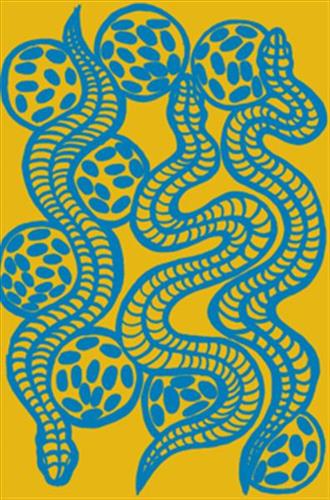
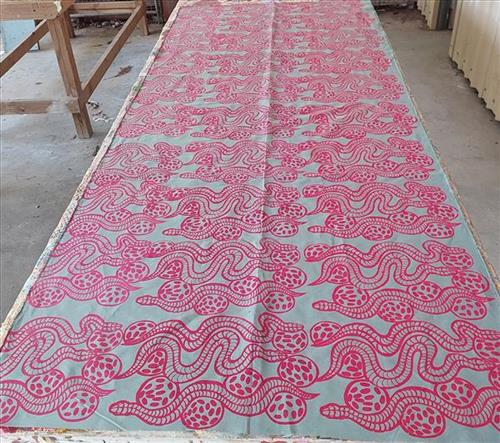
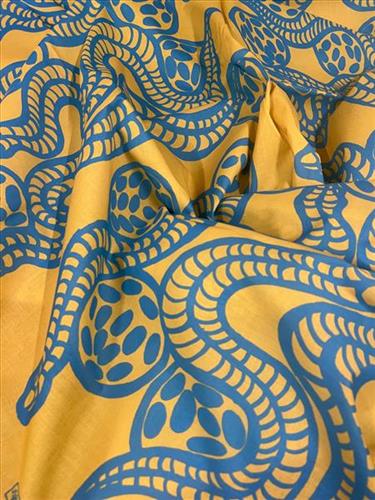
Sarong – Kurriyala (Carpet Snake)

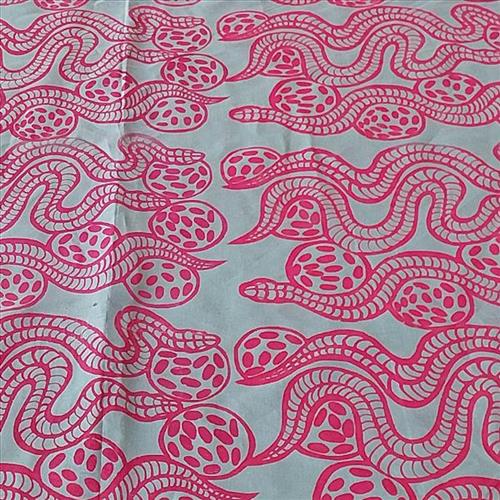
The carpet snake is an important animal for us. We call it Kurriyala in our Kuku Yalanji language. Our ancestors wrapped the meat in native ginger leaves and cooked it on the hot coals of the ground oven. They also used the skin to make head bands or skilfully sown blankets that keep the families warm and dry at night.

Designed on Yalanji Country, custom printed and made in Sydney, Australia.

97% Cotton 3% Linen

180 cm x 110 cm

Care instructions: Gentle wash only in cool water. Do not soak, bleach, rub, wring or tumble dry. Line dry in shade. Warm iron on reverse. Do not dry clean.

22514003673


Status: Stock


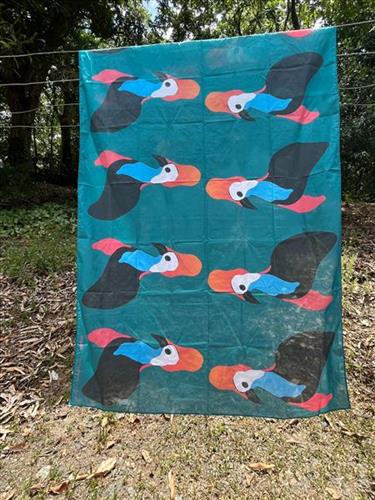
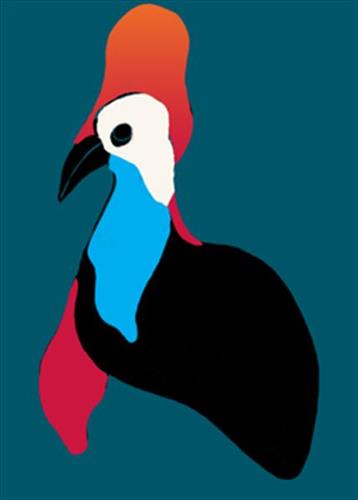
Sarong – Kurranji (Cassowary)

Kurranji (Cassowary) is an important totem of the Kuku-Yalanji people. We still dance it in public ceremonies.

The cassowary is a protected species within the tribal lands of the Kuku-Yalanji people. They live in the rainforest environment of this area, and camouflage themselves in the rainforest trees and leaves.

Designed on Yalanji Country, custom printed and made in Sydney, Australia.

97% Cotton 3% Linen

180 cm x 110 cm

Care instructions: Gentle wash only in cool water. Do not soak, bleach, rub, wring or tumble dry. Line dry in shade. Warm iron on reverse. Do not dry clean.

22514003674


Status: Stock


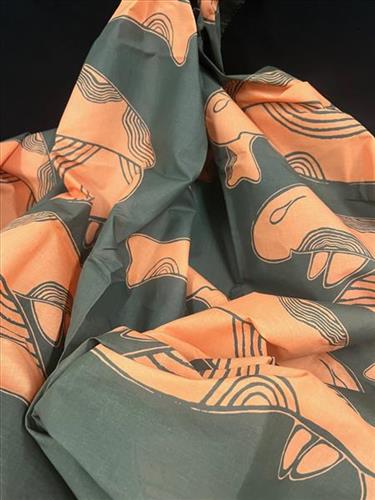
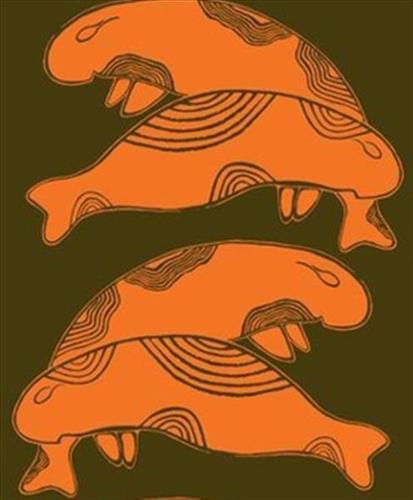
Sarong – Kirbaji (Dugong)

In the past, Kirbaji (dugong) was an important food source. It was men’s business to hunt dugongs and it was their responsibility to cook and provide the meat to all the families. The meat of the dugong was cooked in an earth oven. Our ancestors also made oil form the dugong fat. They used the oil for medicinal purposes. They used it for skin and hair treatments. When people had an upset stomach they used the oil as an ointment.

Designed on Yalanji Country, custom printed and made in Sydney, Australia.

97% Cotton 3% Linen

180 cm x 110 cm

Care instructions: Gentle wash only in cool water. Do not soak, bleach, rub, wring or tumble dry. Line dry in shade. Warm iron on reverse. Do not dry clean.

225182090826


Jarruka (Scrubfowl)

The scrubfowl is a culturally significant Totem to our people. We still dance it in public ceremonies. The scrubfowl dance starts off with two male dancers as scrubfowl characters guarding the nest and eggs.  Then the women dancers come in. They are on the lookout for scrubfowl nests and carry dillybags for the eggs. The women chase the scrubfowl guards away, fill up their dillybags with the precious eggs. At the end, the male scrubfowl dancers join the women again and celebrate the harvest to say thanks for the eggs.

225182206418


Kurranji (Cassowary)

The cassowary is one of the major totems (Ancestral Spirit Beings) for our Kuku Yalanji people. He is a big, dangerous bird that rules the rainforest. The cassowwary can attack people but at the same time he helps growing many of the plants we used to collect for food, medicine and tool making.

I inherited the Cassowary Totem and all the cultural stories relating to it from my mother’s side. When I was four years old, my mum taught me how to dance the story of the female cassowary, who is protecting the chicks and the eggs from the carpet snake and goanna.

As a young women, I took on the role of my mum and began teaching our cultural dances to the younger generation at the Mossman Gorge community as well as children that live in Mossman town. I still do this today.

225182237504


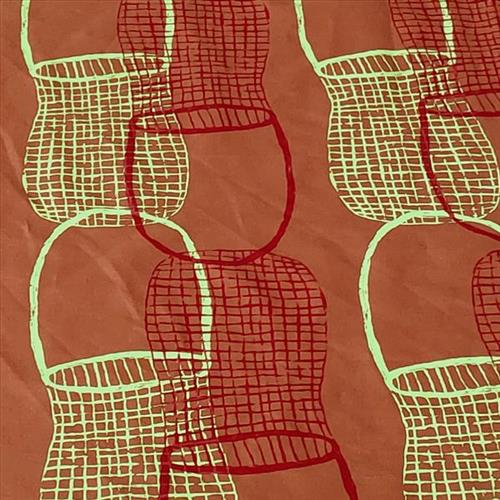
Ngunyin (Dillybag)

Dillybags played a vital part in Kuku Yalanji culture. Women used them to carry food when out hunting and gathering or soak bitter yams in creeks before cooking them. Dillybags were also used to hold personal and sacred items.

225182262429


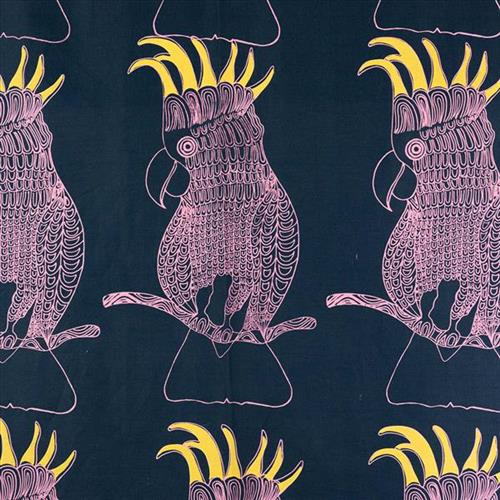
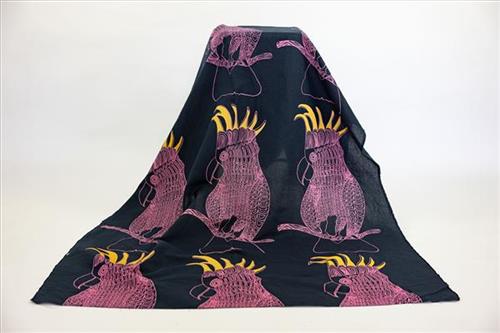
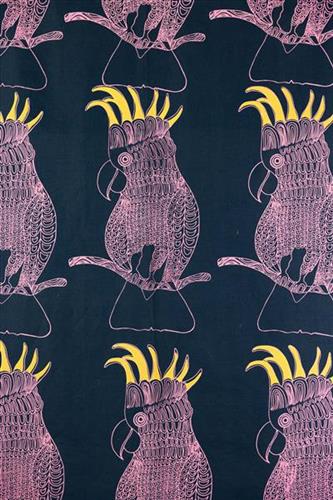
Birmba (White Cockatoo)

Birmba (White Cockatoo) is my family totem. It has been passed down from generation to generation. 

White Cockatoos always remind me of my grandfather, my sisters and other family who have passed on. Th eyare like protective spirits for me, my family and my loved ones that have passed.They will give you signs: Good signs and signs of danger. They let you know when to move on.

When I’m out with my grandchildren, I say “Look, do you see that white cockatoo there? That’s your grandmother there, overlooking us”. I let them know that it is family watching over them , keeping them connected to each other and our country. When I’m alone, I know they’re around. I speak to their spirit and they give me strength.

225182262428


Kurriyala (Carpet Snake)

The carpet snake is an important animal for us. We call it Kurriyala in our Kuku Yalanji language. Our ancestors wrapped the meat in native ginger leaves and cooked it on the hot coals of the ground oven. They also used the skin to make head bands or skillfully sown blankets that keep the families warm and dry at night.


225182262416


Kakan (Black Palm) Basket Weaving

This design shows how the bottom part of a black palm basket is woven. My grandmothers and aunties used to make them. They cut off the young palm leaves in the centre, stripped and scrapped them. Then they would put the strips in freshwater to make them soft and keep them straight for weaving.