225682196102


Kunjuri, shield – Anne Nunn

I am painting kunjuri (shield). Our ancestors used kunjuri and wakay (sword) for fighting to protect themselves from getting hurt.

I started watching my grandfather paint when I was 12 years old. He taught me a lot about my culture, and this is why I am interested in kunjuri. My kunjuri are abstracted.  When the Missionaries came here to Wujal Wujal; they tried to stop my people from speaking language and practicing our traditions and because of this we lost some of the knowledge.  However, the old people were very strong and even though it was very hard they carried our culture despite the Missionaries and kept it strong.
225682196101


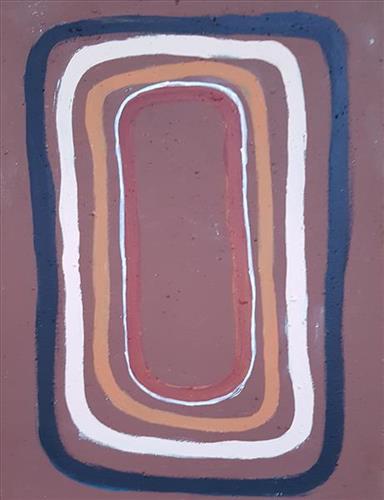
Kunjuri, shield – Anne Nunn

I am painting kunjuri (shield). Our ancestors used kunjuri and wakay (sword) for fighting to protect themselves from getting hurt.

I started watching my grandfather paint when I was 12 years old. He taught me a lot about my culture, and this is why I am interested in kunjuri. My kunjuri are abstracted.  When the Missionaries came here to Wujal Wujal; they tried to stop my people from speaking language and practicing our traditions and because of this we lost some of the knowledge.  However, the old people were very strong and even though it was very hard they carried our culture despite the Missionaries and kept it strong.
225682192535


Painting Our Culture

This painting reflects the patterns, animals and stories from my culture.

225682192534


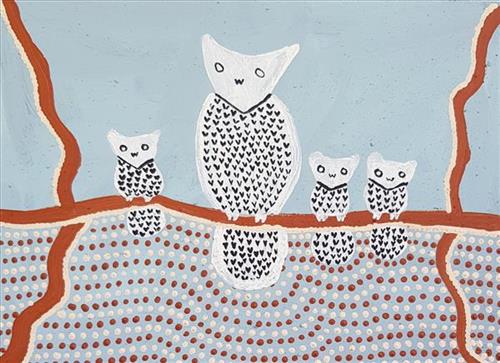
Bulnja

I am a Ngkugkul  woman from Shipton’s Flat, my mother’s Country.  My dad was a  Kaanju man from the Coen area.

When I was about 14 years old I started painting bulnja (owls).  I was still at school. I liked looking at bulnja in the rainforest.  I liked their colours and patterns in the feathers.  They are really good at camouflage and you need good eyes to see them!  You can find the bulnja when they sing out. It’s a funny noise!  Bulnja eat little insects, lizards and mice that live in the rainforest. The bulnja have important story but I can’t talk about it. 

I painted bulnja because they live in the rainforest.  They live up in the trees.  It’s the only place you can see them around here.  The rainforest, its plants, trees and animals means a lot to me.

225682191477


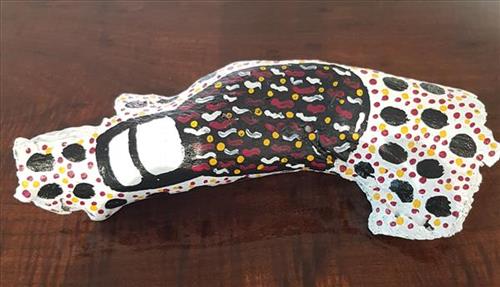
Painted Driftwood

These pieces of driftwood were collected  by the artist, on country,  at the local beach, Weary Bay. 

Each one is hand painted and reflects the artists culture and stories, which makes each one unique and individual.


225682191157


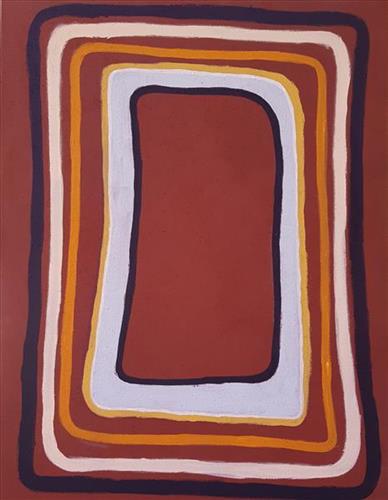
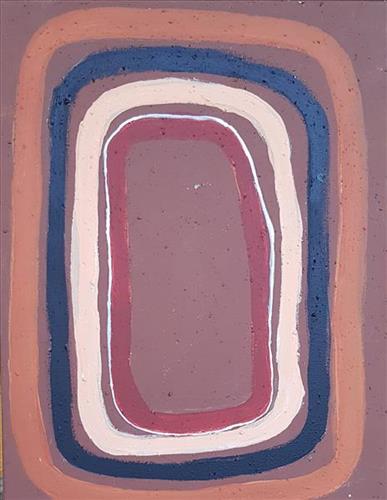
Kunjuri, shield

I am painting kunjuri (shield). Our ancestors used kunjuri and wakay (sword) for fighting to protect themselves from getting hurt.

I started watching my grandfather paint when I was 12 years old. He taught me a lot about my culture, and this is why I am interested in kunjuri. My kunjuri are abstracted.  When the Missionaries came here to Wujal Wujal; they tried to stop my people from speaking language and practicing our traditions and because of this we lost some of the knowledge.  However, the old people were very strong and even though it was very hard they carried our culture despite the Missionaries and kept it strong.
225682191156


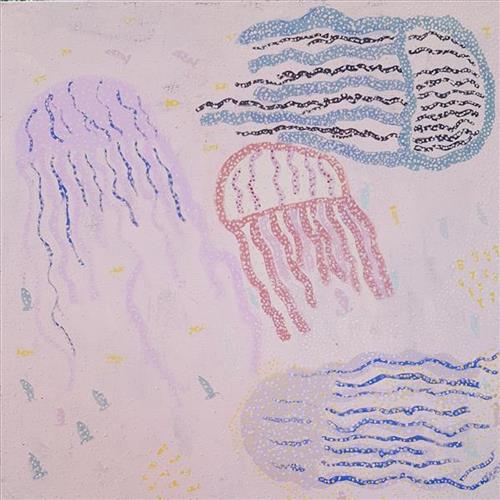
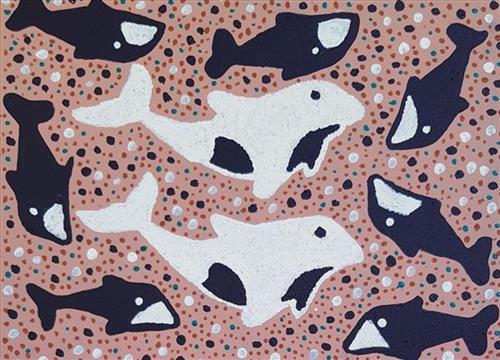
Mili

I am a Jalanji saltwater woman.  Jalanji people have lots of stories about the reef. My painting’s story is about Mili (stinging jellyfish) stirring out on the reef.

We were taught at a young age to watch out because these mili sting and can be very dangerous.  There are special plants that we can use on mili stings.  Our elders passed on this knowledge to us.   

225682191616


Hand Painted – Clapsticks

Bana Yirriji Art Centre represents artists from the Yalanji, Nyungkul and Jalunji clan groups.  

Bama (local people) have had a long history of artistic expression, including ceremonial body painting, weavings made from local plants, rainforest shields and weaponry decorated with clan designs using earth pigments.

Today, artists create stunning contemporary arts and crafts; including paintings, prints, works on paper, textiles, weavings, artefacts and a range of merchandise. Artists draw on their rich cultural, historic, and contemporary stories and profound connection to country as inspiration.

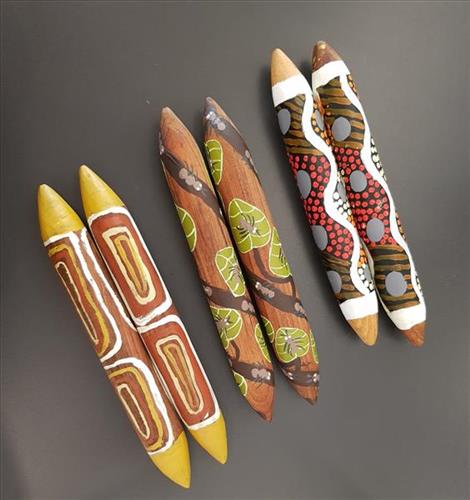
These clapsticks have been hand painted and represents the artists country and culture through designs and mark making. 

Each pair is unique.

225682191615


Hand Painted – Clapsticks

Bana Yirriji Art Centre represents artists from the Yalanji, Nyungkul and Jalunji clan groups.  

Bama (local people) have had a long history of artistic expression, including ceremonial body painting, weavings made from local plants, rainforest shields and weaponry decorated with clan designs using earth pigments.

Today, artists create stunning contemporary arts and crafts; including paintings, prints, works on paper, textiles, weavings, artefacts and a range of merchandise. Artists draw on their rich cultural, historic, and contemporary stories and profound connection to country as inspiration.

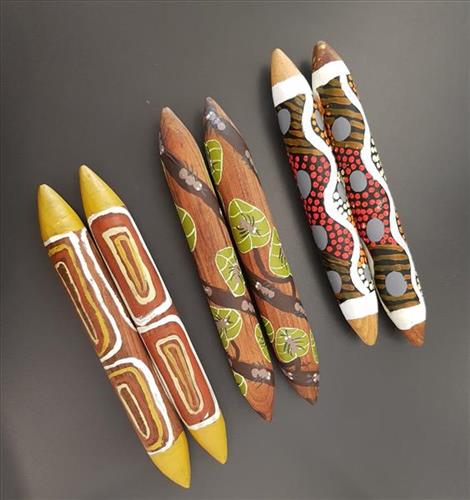
These clapsticks have been hand painted and represents the artists country and culture through designs and mark making. 

Each pair is unique.

225682190875


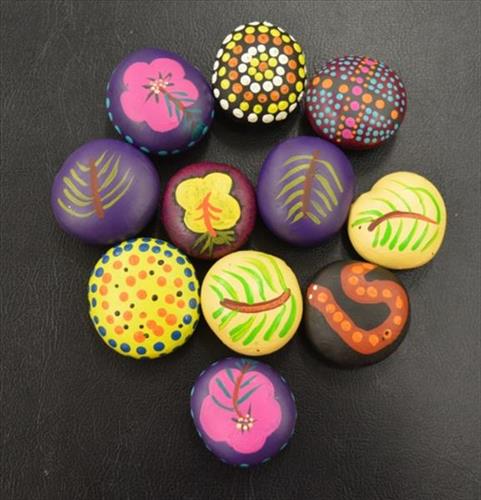
Hand Painted – Matchbox Bean

Entada Phaseoloides (Matchbox Bean) is a robust climbing vine native to the rainforest along the east coast of Cape York in Far North Queensland. The vine produces a very large seed pod containing poisonous beans.

In the early days, bama (people) processed the bean for food.  This was achieved by extracting the white flesh, then baking and pounding it to produce a sort of flour.  This was then soaked in fresh water for a period of time to leach out the toxins, so it could be eaten.

Matchbox beans are collected from the rainforest and the beach. We love to paint our cultural designs, animals, birds and plants on them as decoration.


Bana Yirriji Art Centre represents artists from the Yalanji, Nyungkul and Jalunji clan groups.  

Bama (local people) have had a long history of artistic expression, including ceremonial body painting, weavings made from local plants, rainforest shields and weaponry decorated with clan designs using earth pigments.

Today, artists create stunning contemporary arts and crafts; including paintings, prints, works on paper, textiles, weavings, artefacts and a range of merchandise. Artists draw on their rich cultural, historic, and contemporary stories and profound connection to country as inspiration.