115682396964


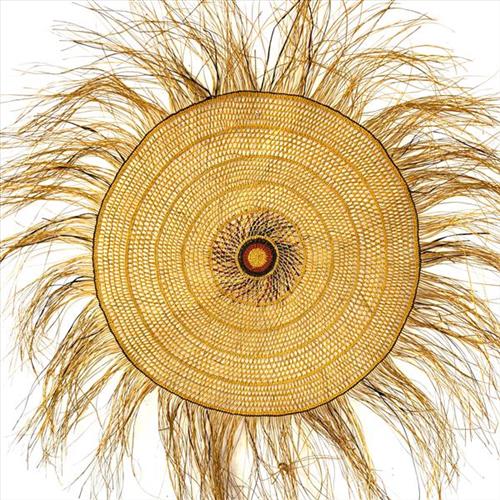
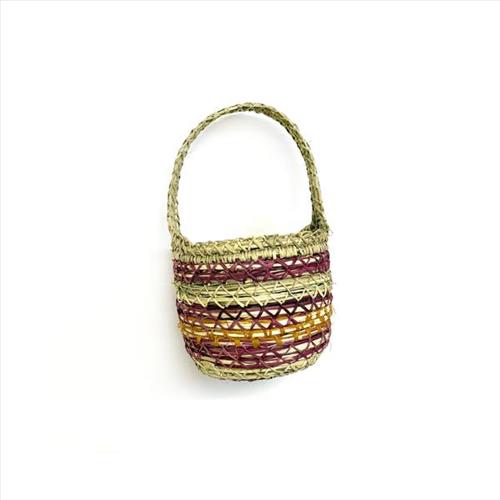
Bathi (Pandanus Basket)

Yolŋu weavers of Arnhem Land create utilitarian, ceremonial, and decorative pieces using naturally sourced materials. This Bathi (Pandanus Basket) is made from young Pandanus spiralis leaves, harvested with a wooden hook, stripped of prickles, and dried to create strong, resilient fibres. These fibres are then twisted, coiled, or woven using various techniques to produce both functional and decorative baskets.

Typically, Bathi are made using a coiling technique which was adapted from techniques used by Indigenous women throughout Southeast Australia. Introduced to Arnhem Land weavers in the 1930’s as Missionaries began commissioning pieces in this style.

Bula’bula weavers exclusively use natural dyes, derived from locally sourced roots, leaves and grasses. These pigments are extracted and infused into pandanus fibres by boiling over an open fire, producing the rich, vibrant colours characteristic of contemporary Yolŋu weavings.
115682397775


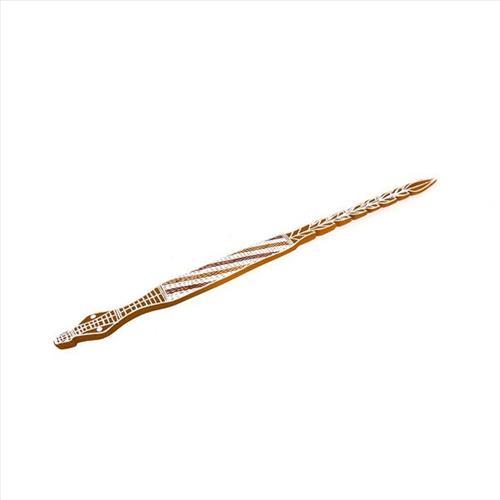
Baru Dhawu (Crocodile Story)

Baru (the crocodile man), was from the Gumatj clan. People usually call him Gurdu Gurdu or Baru which means crocodile. He lived his life at a place called Yirrkala. Living near him were other people, and when Baru didn’t have enough to eat he began to kill and eat these other people. After a while others noticed that some people were missing. When Baru went to the toilet, the people could smell this strong smell, so they knew that he ate the other people. Some men went to get help and they took message sticks to the other tribes. Some were sending smoke signals. When they came to Baru’s camp they started to spear him in the left side of his ribs. He dropped into the fire and burnt his left hand and maybe his right hand. He then ran into the bush and yelled to his countrymen – the animals, birds and fish that live on the land and in the sea. He stopped and he named the tribes and clans and also the places until he came to a place called Gamarru/Guyurru. There he took a rest and said to himself “This is where I stop and call this place Gamarru/Guyurru”. Baru, still in pain from the fire, then jumped into the water and turned himself into a crocodile. The fire left scars on his back. Baru paintings belong to Gumatj and Warrawarra and also the Marpi clan. This painting is used at death ceremonies or initiations and it normally is painted on the belly, which means the person the design is painted on is part of Gurdu Gurdu (the crocodile people).

115682397774


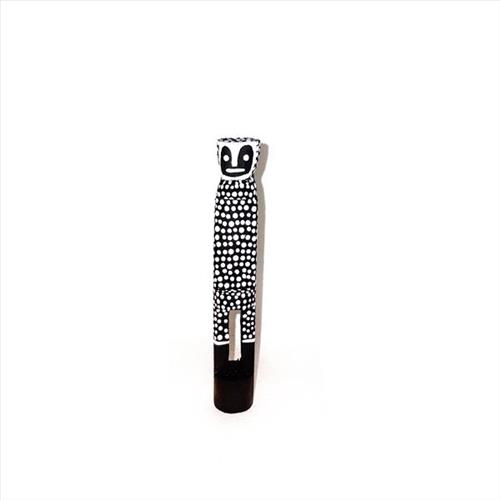
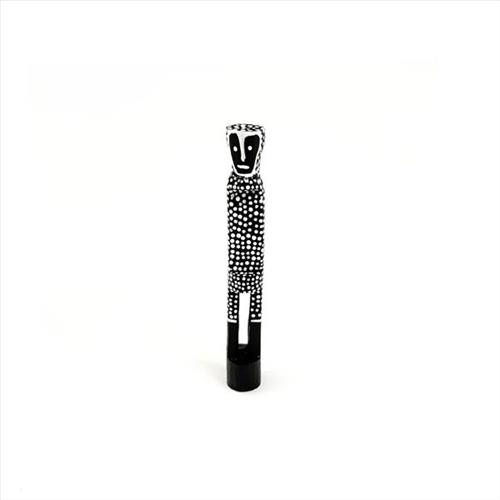
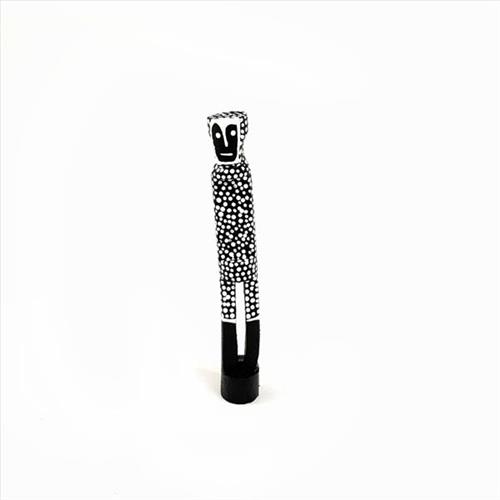
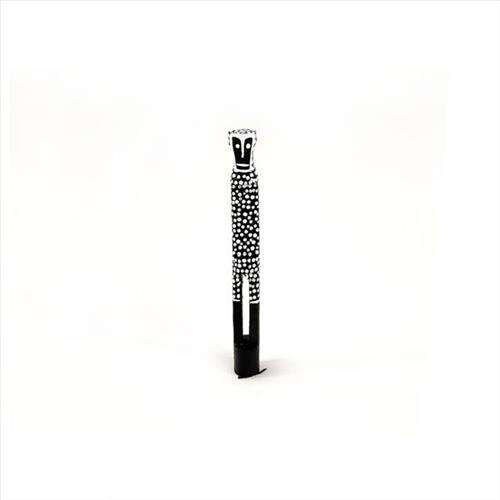
Warraburnburn (spirit)

Like people, warraburnburn live in family groups. Though they cannot be seen, they can sometimes be heard calling out to one another as they move across the country to hunt. They also have the ability to communicate internally with people, warning them when strangers enter their land. Warraburnburn know the country intimately and can be both protective and dangerous. Some may mislead people, turning the land over to make it confusing and unfamiliar, while others guide people to safety.

115682397773


Warraburnburn (spirit)

Like people, warraburnburn live in family groups. Though they cannot be seen, they can sometimes be heard calling out to one another as they move across the country to hunt. They also have the ability to communicate internally with people, warning them when strangers enter their land. Warraburnburn know the country intimately and can be both protective and dangerous. Some may mislead people, turning the land over to make it confusing and unfamiliar, while others guide people to safety.

115682397690


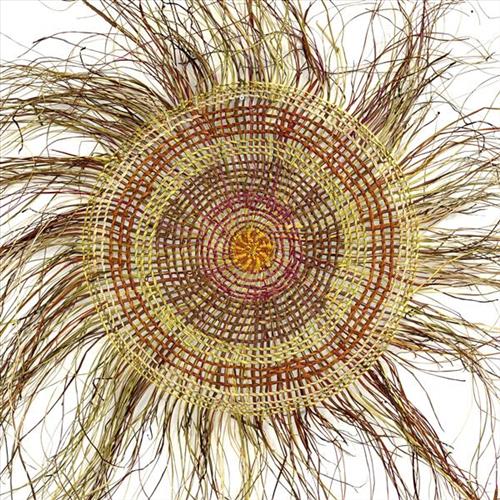
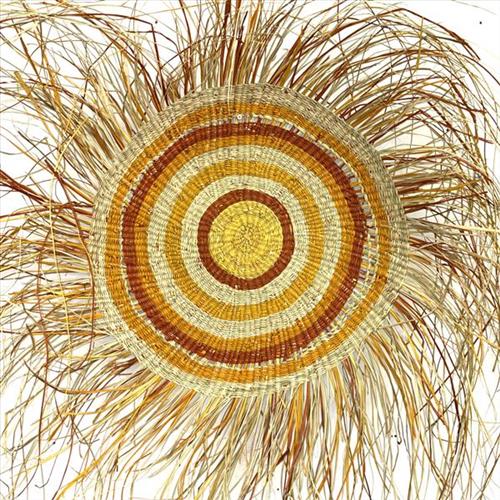
Woven Mat

Yolŋu weavers of Arnhem Land create utilitarian, ceremonial, and decorative pieces using naturally sourced materials. This mat is made from young Pandanus spiralis leaves, harvested with a wooden hook, stripped of prickles, and dried to create strong, resilient fibres. These fibres are then twisted, coiled, or woven using traditional techniques to produce both functional and decorative mats.

Bula’bula weavers exclusively use natural dyes, derived from locally sourced roots, leaves and grasses. These pigments are extracted and infused into pandanus fibres by boiling over an open fire, producing the rich, vibrant colours characteristic of contemporary Yolŋu weavings.
Traditionally, Nganiyal (conical mats) functioned as insect screens when erected and as seating mats when folded, playing an important role in both daily life and ceremonial practices. Today, Yolŋu artists create a variety of shapes, including flat, round, and oblong mats. These non-traditional styles and the use of bright colours became more common after Missionaries began commissioning pieces in this style.

115682397689


Woven Mat

Yolŋu weavers of Arnhem Land create utilitarian, ceremonial, and decorative pieces using naturally sourced materials. This mat is made from young Pandanus spiralis leaves, harvested with a wooden hook, stripped of prickles, and dried to create strong, resilient fibres. These fibres are then twisted, coiled, or woven using traditional techniques to produce both functional and decorative mats.

Bula’bula weavers exclusively use natural dyes, derived from locally sourced roots, leaves and grasses. These pigments are extracted and infused into pandanus fibres by boiling over an open fire, producing the rich, vibrant colours characteristic of contemporary Yolŋu weavings.
Traditionally, Nganiyal (conical mats) functioned as insect screens when erected and as seating mats when folded, playing an important role in both daily life and ceremonial practices. Today, Yolŋu artists create a variety of shapes, including flat, round, and oblong mats. These non-traditional styles and the use of bright colours became more common after Missionaries began commissioning pieces in this style.

115682397612


Woven Mat

Yolŋu weavers of Arnhem Land create utilitarian, ceremonial, and decorative pieces using naturally sourced materials. This mat is made from young Pandanus spiralis leaves, harvested with a wooden hook, stripped of prickles, and dried to create strong, resilient fibres. These fibres are then twisted, coiled, or woven using traditional techniques to produce both functional and decorative mats.

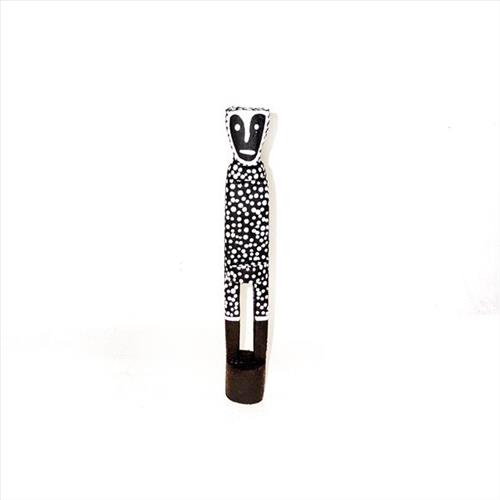
Bula’bula weavers exclusively use natural dyes, derived from locally sourced roots, leaves and grasses. These pigments are extracted and infused into pandanus fibres by boiling over an open fire, producing the rich, vibrant colours characteristic of contemporary Yolŋu weavings.
Traditionally, Nganiyal (conical mats) functioned as insect screens when erected and as seating mats when folded, playing an important role in both daily life and ceremonial practices. Today, Yolŋu artists create a variety of shapes, including flat, round, and oblong mats. These non-traditional styles and the use of bright colours became more common after Missionaries began commissioning pieces in this style.

115682398108


Warraburnburn (spirit)

Like people, warraburnburn live in family groups. Though they cannot be seen, they can sometimes be heard calling out to one another as they move across the country to hunt. They also have the ability to communicate internally with people, warning them when strangers enter their land. Warraburnburn know the country intimately and can be both protective and dangerous. Some may mislead people, turning the land over to make it confusing and unfamiliar, while others guide people to safety.

115682398107


Warraburnburn (spirit)

Like people, warraburnburn live in family groups. Though they cannot be seen, they can sometimes be heard calling out to one another as they move across the country to hunt. They also have the ability to communicate internally with people, warning them when strangers enter their land. Warraburnburn know the country intimately and can be both protective and dangerous. Some may mislead people, turning the land over to make it confusing and unfamiliar, while others guide people to safety.

115682398105


Warraburnburn (spirit)

Like people, warraburnburn live in family groups. Though they cannot be seen, they can sometimes be heard calling out to one another as they move across the country to hunt. They also have the ability to communicate internally with people, warning them when strangers enter their land. Warraburnburn know the country intimately and can be both protective and dangerous. Some may mislead people, turning the land over to make it confusing and unfamiliar, while others guide people to safety.