115682417950


Woven Mat

Yolŋu weavers of Arnhem Land create utilitarian, ceremonial, and decorative pieces using naturally sourced materials. This mat is made from young Pandanus spiralis leaves, harvested with a wooden hook, stripped of prickles, and dried to create strong, resilient fibres. These fibres are then twisted, coiled, or woven using traditional techniques to produce both functional and decorative mats.

Bula’bula weavers exclusively use natural dyes, derived from locally sourced roots, leaves and grasses. These pigments are extracted and infused into pandanus fibres by boiling over an open fire, producing the rich, vibrant colours characteristic of contemporary Yolŋu weavings.

Traditionally, Nganiyal (conical mats) functioned as insect screens when erected and as seating mats when folded, playing an important role in both daily life and ceremonial practices. Today, Yolŋu artists create a variety of shapes, including flat, round, and oblong mats. These non-traditional styles and the use of bright colours became more common after Missionaries began commissioning pieces in this style.

115682417943


Woven Mat

Yolŋu weavers of Arnhem Land create utilitarian, ceremonial, and decorative pieces using naturally sourced materials. This mat is made from young Pandanus spiralis leaves, harvested with a wooden hook, stripped of prickles, and dried to create strong, resilient fibres. These fibres are then twisted, coiled, or woven using traditional techniques to produce both functional and decorative mats.

Bula’bula weavers exclusively use natural dyes, derived from locally sourced roots, leaves and grasses. These pigments are extracted and infused into pandanus fibres by boiling over an open fire, producing the rich, vibrant colours characteristic of contemporary Yolŋu weavings.

Traditionally, Nganiyal (conical mats) functioned as insect screens when erected and as seating mats when folded, playing an important role in both daily life and ceremonial practices. Today, Yolŋu artists create a variety of shapes, including flat, round, and oblong mats. These non-traditional styles and the use of bright colours became more common after Missionaries began commissioning pieces in this style.
115682418251


Woven Sculpture (Vase)

Yolŋu weavers of Arnhem Land craft both utilitarian and ceremonial objects using naturally sourced materials, with more recent works also including decorative pieces. The choice of fibre depends on the intended function of each piece.

One of the primary materials is the young, green leaves of the Pandanus spiralis tree, harvested with a long hook. The leaves are stripped of their prickles, and the smaller fibres are dried to produce a strong, resilient material. These fibres can be twisted, coiled, or combined using various techniques to create baskets (Bathi), dillybags (Mindirr), and mats—both in the modern flat style and the traditional conical style (Nganiyal).

For more flexible, open-weave designs, weavers use the bark of the kurrajong tree. This material is particularly suited for dillybags (Mindirr) and ceremonial objects, such as Matjka (body adornments) and Malka (headwear).

Bula’bula weavers exclusively use natural dyes, derived from locally sourced roots, leaves and grasses. These pigments are extracted and infused into pandanus fibres by boiling over an open fire, producing the rich, vibrant colours characteristic of contemporary Yolŋu weavings.

115682418220


Bathi (Pandanus Basket)

Yolŋu weavers of Arnhem Land create utilitarian, ceremonial, and decorative pieces using naturally sourced materials. This Bathi (Pandanus Basket) is made from young Pandanus spiralis leaves, harvested with a wooden hook, stripped of prickles, and dried to create strong, resilient fibres. These fibres are then twisted, coiled, or woven using various techniques to produce both functional and decorative baskets.

Typically, Bathi are made using a coiling technique which was adapted from techniques used by Indigenous women throughout Southeast Australia. Introduced to Arnhem Land weavers in the 1930’s as Missionaries began commissioning pieces in this style.

Bula’bula weavers exclusively use natural dyes, derived from locally sourced roots, leaves and grasses. These pigments are extracted and infused into pandanus fibres by boiling over an open fire, producing the rich, vibrant colours characteristic of contemporary Yolŋu weavings.

115682418219


Woven Mat

Yolŋu weavers of Arnhem Land create utilitarian, ceremonial, and decorative pieces using naturally sourced materials. This mat is made from young Pandanus spiralis leaves, harvested with a wooden hook, stripped of prickles, and dried to create strong, resilient fibres. These fibres are then twisted, coiled, or woven using traditional techniques to produce both functional and decorative mats.

Bula’bula weavers exclusively use natural dyes, derived from locally sourced roots, leaves and grasses. These pigments are extracted and infused into pandanus fibres by boiling over an open fire, producing the rich, vibrant colours characteristic of contemporary Yolŋu weavings.

Traditionally, Nganiyal (conical mats) functioned as insect screens when erected and as seating mats when folded, playing an important role in both daily life and ceremonial practices. Today, Yolŋu artists create a variety of shapes, including flat, round, and oblong mats. These non-traditional styles and the use of bright colours became more common after Missionaries began commissioning pieces in this style.

115682409414


Warrnyu Dhawu (Flying Fox Story)

Back in the Creation time, Warrnyu (Flying Foxes) once lived, like men, in the cave at the place called Kurrki Warrnyu Yirri Djaringal (they also lived in caves called Wadatilmurr & Gurngurmirrngu). Warrnyu lived in these caves for many years and then one day Djanyarr (The Dog), an ancestral being in the form of a man, came along. He was looking around for a place to live. Djanyarr heard the sound of a Flying Fox screaming. He went down to the cliff and pushed the rock and the water came out at the Ganalbingu place called Gurrkawakarrmurr. He then went into the cave and into the sacred hole, frightening all the Flying Fox away. When he went into the hole he left his dilly bag in the tree and went out on the other side of the sacred cave and leaving his spear and woomera. He sat there for a long time. The Dog made three streams and the water went inside the cave. Two of these streams are good drinking water. In the middle it is a sacred water. No-one drinks from the middle of the stream. Children, men, women, young boys or girls are not allowed to drink from the middle of the stream. If they drink the water from the middle of the stream they will go grey too early.

At Kurrki Warrnyu Yirri Ngilaya Djaringal, the Flying Fox made himself into a young man… that’s what Aboriginal people do today. They have ceremonies and dances to make the young boys into men. The songs are called Yirrarwu, Gulumu, Rruburra and Burryun. Dhapi (initiation ceremony) happen today because the Warrnyu (Flying Fox) people performed them a long time ago before the Yolngu people. It was the Warrnyu people who first performed circumcision of the young boys to make them into men. It all happened at Kurrki Warrnyu Yirri Ngilaya Djaringal, this is how this place got its name.

Leaving behind the cave at Kurrki Warrnyu Yirri Djaringal, the Dog travelled west across the Arafura Swamp and came to Djalkulmurr (Mount Delight). From there he travelled north and came to Dunganda (a hill situated a few kilometres east of Ramingining). There he met a female Dog, then they both headed north and came to a place called Garanydjirrmurr where they spoke the Mildjingi language. From Garanydjirrmurr they changed their direction and went west through Guliny’barra, Burgumara and onto the plains. When they reached the plains they smelled something cooking, way up in the north – at Wessel Islands. The aroma they smelt was so enticing that they decided to go there. Lungurrma (the north-east wind) was carrying the smell. One Dog headed north again, but the other Dog decided not to go with him and went back the opposite way. The first Dog that went to Malwanatharra (Sandy Point) went into the sea following its nose to wherever the smell was coming from. It is believed that this Dog still lives in the sea…

115682410818


Warrnyu Dhawu (Flying Fox Story)

Back in the Creation time, Warrnyu (Flying Foxes) once lived, like men, in the cave at the place called Kurrki Warrnyu Yirri Djaringal (they also lived in caves called Wadatilmurr & Gurngurmirrngu). Warrnyu lived in these caves for many years and then one day Djanyarr (The Dog), an ancestral being in the form of a man, came along. He was looking around for a place to live. Djanyarr heard the sound of a Flying Fox screaming. He went down to the cliff and pushed the rock and the water came out at the Ganalbingu place called Gurrkawakarrmurr. He then went into the cave and into the sacred hole, frightening all the Flying Fox away. When he went into the hole he left his dilly bag in the tree and went out on the other side of the sacred cave and leaving his spear and woomera. He sat there for a long time. The Dog made three streams and the water went inside the cave. Two of these streams are good drinking water. In the middle it is a sacred water. No-one drinks from the middle of the stream. Children, men, women, young boys or girls are not allowed to drink from the middle of the stream. If they drink the water from the middle of the stream they will go grey too early.

At Kurrki Warrnyu Yirri Ngilaya Djaringal, the Flying Fox made himself into a young man… that’s what Aboriginal people do today. They have ceremonies and dances to make the young boys into men. The songs are called Yirrarwu, Gulumu, Rruburra and Burryun. Dhapi (initiation ceremony) happen today because the Warrnyu (Flying Fox) people performed them a long time ago before the Yolngu people. It was the Warrnyu people who first performed circumcision of the young boys to make them into men. It all happened at Kurrki Warrnyu Yirri Ngilaya Djaringal, this is how this place got its name.

Leaving behind the cave at Kurrki Warrnyu Yirri Djaringal, the Dog travelled west across the Arafura Swamp and came to Djalkulmurr (Mount Delight). From there he travelled north and came to Dunganda (a hill situated a few kilometres east of Ramingining). There he met a female Dog, then they both headed north and came to a place called Garanydjirrmurr where they spoke the Mildjingi language. From Garanydjirrmurr they changed their direction and went west through Guliny’barra, Burgumara and onto the plains. When they reached the plains they smelled something cooking, way up in the north – at Wessel Islands. The aroma they smelt was so enticing that they decided to go there. Lungurrma (the north-east wind) was carrying the smell. One Dog headed north again, but the other Dog decided not to go with him and went back the opposite way. The first Dog that went to Malwanatharra (Sandy Point) went into the sea following its nose to wherever the smell was coming from. It is believed that this Dog still lives in the sea…

115682414263


Raypiny Dhawu (Fresh Water Story)

All Aboriginal people originate from a spiritual source, fixed in a particular place in their land or the sea. These ‘spiritual reservoirs’ are often in the form of special waterholes made by Wangarr (creative spirits) that were created long ago close to the beginning of time. These creator beings moved across the countryside, shaping the land and implanting in each tract of country, the spiritual life force for the people who were to own it. These creative spirits took many forms and when they gave the land to each group, they also gave songs, dances, ceremony, the associated laws and language.


The creation story for Ganalbingu people took place near the middle section of the Glyde River where it becomes the Goyder River. Their land, Ngaliyindi, sits astride the Arafura Swamp in Central Arnhem Land. Many Ganalbingu artists paint totemic species significant to their clan. These can include baru (crocodile), banda (long necked turtle), buliya (catfish), yalman (waterlilies), gumang (magpie geese), dakawa (fresh water yabby), ratjuk (barramundi), warrnyu (flying fox) and more.


115682414515


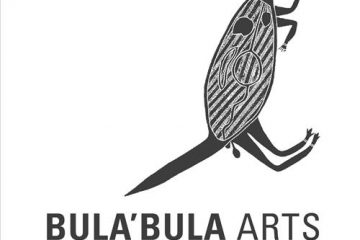
Collecting cycads

For Yolŋu collecting cycad nuts for damper is a deeply knowledgeable practice that brings together Country, seasonality, and intergenerational teaching. Cycad palms grow across Arnhem Land  and knowing when and where to harvest is guided by close observation of the environment. Elders pass on this knowledge to younger generations through time spent on Country, showing not only how to gather the nuts, but how to do so respectfully, taking only what is needed and ensuring the plants continue to thrive.

Cycad nuts are highly nutritious but naturally toxic, so their preparation requires patience and skill. After harvesting, the nuts are carefully cracked and the kernels processed through repeated soaking and leaching in fresh or running water over many days. This slow process removes toxins and transforms the nuts into a safe flour. It is a powerful example of Yolŋu scientific knowledge developed over thousands of years, grounded in experimentation, memory, and care.

Once prepared, the cycad flour is mixed with water and shaped into damper, often cooked in the coals of a fire while families sit together, talk, and share stories. Eating cycad damper is more than nourishment. It is a reminder of self-sufficiency, cultural continuity, and the strength of Yolŋu food systems that have sustained people on Country long before introduced foods. The practice continues today as an expression of identity, resilience, and respect for ancestral ways of living well with the land.

115682415009


JB Fisher – Narrgi’ṉarrgi (possum- sugar glider)

JB paints stories from his Dhuwa homeland in northeast Arnhem Land. Stories are passed on either paternally or maternally, and JB would have learnt these stories from his ancestors. The cross-hatching style is a traditional painting style of this area and can represent elements such as water, air and wind.

His paintings often feature totemic animals of the fresh waters of north east Arnhem Land. You can see honey bee, lizards and the sugar glider possum all near a waterhole