11564008431


Status: Stock


Linden Wallet

Features:

  • Fully lined
  • Zip closure
  • Adjustable strap
  • Can be worn on the shoulder or cross body
  • Two front, external zipper pockets
  • Internal zip pocket
  • Two internal pockets

FABRIC ARTWORK

This product was screenprinted by Yolŋu art workers at Bula’Bula Arts. We print small batches of tea towels, tshirts and fabric lengths by hand because we love putting Yolŋu designs on everyday items – especially ones that balanda (non-Yolŋu) use! Due to the lovely handmade nature of this product, print quality may vary.

 Available in four fabric designs and multiple colourways:

  • Dawurrmonuk (itchy caterpillar) by Evonne Gayuwrri
  • Lidjilidji (Crimson Finch) by Andrew Wanamilil
  • Lorrpu (Sulphur-crested Cockatoo) by Peter Gambung
  • Ngambi (limestone) spear by Shannon Ashley

Manymak (very good)! Buying Bula’Bula Arts products helps us build a sustainable income source for our 150 artists and artworkers from Ramingining and surrounding outstations.


WORKING WITH FLYING FOX FABRICS 

We work with Flying Fox Fabrics, a small social enterprise based in Darwin. Flying Fox Fabrics, make and sell accessories, clothing and homewares from fabrics designed by Aboriginal artists which have been hand printed in Australia. They work in partnership with Aboriginal artists and fair trade organisations in Cambodia that train and employ disabled artisans.
11564008430


Status: Stock


Kate Camera Bag

Features:

  • Fully lined
  • Zip closure
  • Adjustable strap
  • Can be worn on the shoulder or cross body
  • Two front, external zipper pockets
  • Internal zip pocket
  • Two internal pockets

FABRIC ARTWORK

This product was screenprinted by Yolŋu art workers at Bula’Bula Arts. We print small batches of tea towels, tshirts and fabric lengths by hand because we love putting Yolŋu designs on everyday items – especially ones that balanda (non-Yolŋu) use! Due to the lovely handmade nature of this product, print quality may vary.

 Available in four fabric designs and multiple colourways:

  • Dawurrmonuk (itchy caterpillar) by Evonne Gayuwrri
  • Lidjilidji (Crimson Finch) by Andrew Wanamilil
  • Lorrpu (Sulphur-crested Cockatoo) by Peter Gambung
  • Ngambi (limestone) spear by Shannon Ashley

Manymak (very good)! Buying Bula’Bula Arts products helps us build a sustainable income source for our 150 artists and artworkers from Ramingining and surrounding outstations.


WORKING WITH FLYING FOX FABRICS 

We work with Flying Fox Fabrics, a small social enterprise based in Darwin. Flying Fox Fabrics, make and sell accessories, clothing and homewares from fabrics designed by Aboriginal artists which have been hand printed in Australia. They work in partnership with Aboriginal artists and fair trade organisations in Cambodia that train and employ disabled artisans.
11564008429


Status: Stock


Lola Bag

Features:

  • Fully lined
  • Zip closure
  • Adjustable strap
  • Can be worn on the shoulder or cross body
  • Two front, external zipper pockets
  • Internal zip pocket
  • Two internal pockets

FABRIC ARTWORK

This product was screenprinted by Yolŋu art workers at Bula’Bula Arts. We print small batches of tea towels, tshirts and fabric lengths by hand because we love putting Yolŋu designs on everyday items – especially ones that balanda (non-Yolŋu) use! Due to the lovely handmade nature of this product, print quality may vary.

 Available in four fabric designs and multiple colourways:

  • Dawurrmonuk (itchy caterpillar) by Evonne Gayuwrri
  • Lidjilidji (Crimson Finch) by Andrew Wanamilil
  • Lorrpu (Sulphur-crested Cockatoo) by Peter Gambung
  • Ngambi (limestone) spear by Shannon Ashley

Manymak (very good)! Buying Bula’Bula Arts products helps us build a sustainable income source for our 150 artists and artworkers from Ramingining and surrounding outstations.


WORKING WITH FLYING FOX FABRICS 

We work with Flying Fox Fabrics, a small social enterprise based in Darwin. Flying Fox Fabrics, make and sell accessories, clothing and homewares from fabrics designed by Aboriginal artists which have been hand printed in Australia. They work in partnership with Aboriginal artists and fair trade organisations in Cambodia that train and employ disabled artisans.
11564008425


Status: Stock


Hand Screen Printed Skirts by Sheesh

The Sheesh Skirt is a mid length cotton drill skirt with elastic waist band that was screenprinted by hand by Yolŋu art workers at Bula’Bula Arts. We print small batches of tea towels, tshirts and fabric lengths by hand because we love putting Yolŋu designs on everyday items – especially ones that balanda (non-Yolŋu) use! Due to the lovely handmade nature of this product, print quality may vary.

  • Variety of sizes
  • Cotton drill fabric with elastic waist band
  • Made with screenprinted fabric designed and printed by Bula’bula artists 

The Sheesh Skirt is available in 4 fabric designs and multiple vibrant colour combinations:

  • Dawurrmonuk (itchy caterpillar) by Evonne Gayuwrri
  • Lorrpu (Sulphur-crested Cockatoo) by Peter Gambung
  • Banumbirr (Morning Star Ceremony) by Joy Burruna
  • Bonba (Butterflies) by Selena Munguluma

115682373513


Woven Mat

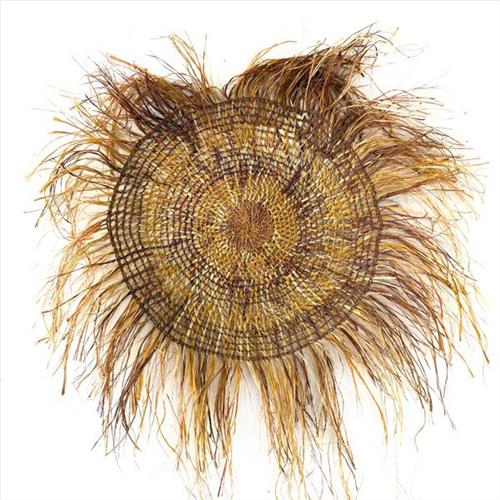
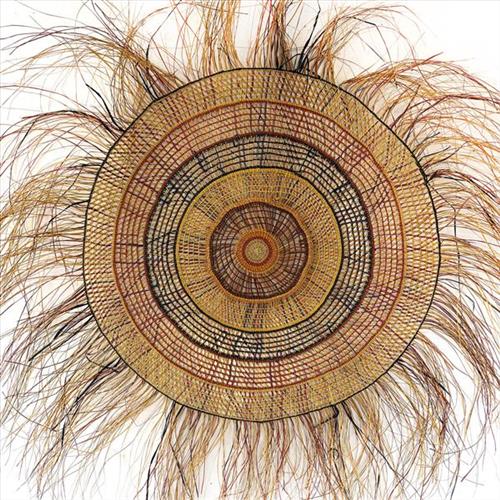
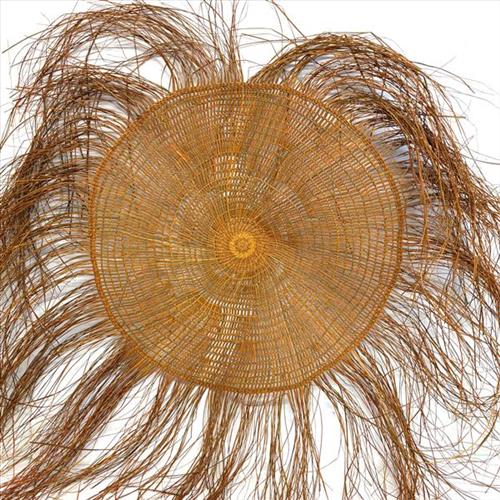
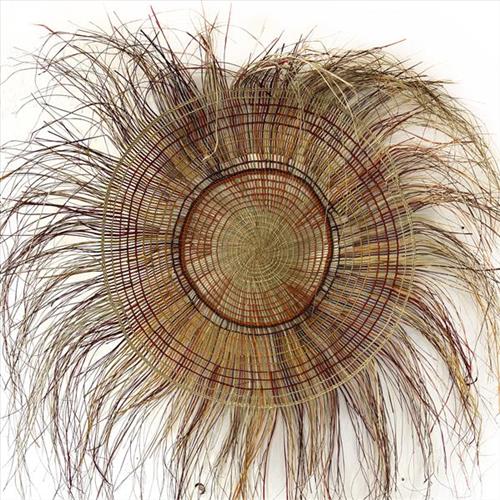
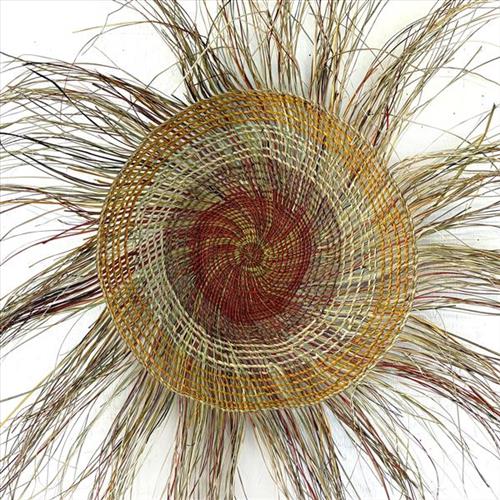
Yolŋu weavers of Arnhem Land create utilitarian, ceremonial, and decorative pieces using naturally sourced materials. This mat is made from young Pandanus spiralis leaves, harvested with a wooden hook, stripped of prickles, and dried to create strong, resilient fibres. These fibres are then twisted, coiled, or woven using traditional techniques to produce both functional and decorative mats.

Bula’bula weavers exclusively use natural dyes, derived from locally sourced roots, leaves and grasses. These pigments are extracted and infused into pandanus fibres by boiling over an open fire, producing the rich, vibrant colours characteristic of contemporary Yolŋu weavings.

Traditionally, Nganiyal (conical mats) functioned as insect screens when erected and as seating mats when folded, playing an important role in both daily life and ceremonial practices. Today, Yolŋu artists create a variety of shapes, including flat, round, and oblong mats. These non-traditional styles and the use of bright colours became more common after Missionaries began commissioning pieces in this style.

115682374217


Woven Mat

Yolŋu weavers of Arnhem Land create utilitarian, ceremonial, and decorative pieces using naturally sourced materials. This mat is made from young Pandanus spiralis leaves, harvested with a wooden hook, stripped of prickles, and dried to create strong, resilient fibres. These fibres are then twisted, coiled, or woven using traditional techniques to produce both functional and decorative mats.

Bula’bula weavers exclusively use natural dyes, derived from locally sourced roots, leaves and grasses. These pigments are extracted and infused into pandanus fibres by boiling over an open fire, producing the rich, vibrant colours characteristic of contemporary Yolŋu weavings.

Traditionally, Nganiyal (conical mats) functioned as insect screens when erected and as seating mats when folded, playing an important role in both daily life and ceremonial practices. Today, Yolŋu artists create a variety of shapes, including flat, round, and oblong mats. These non-traditional styles and the use of bright colours became more common after Missionaries began commissioning pieces in this style.

115682374055


Woven Mat

Yolŋu weavers of Arnhem Land create utilitarian, ceremonial, and decorative pieces using naturally sourced materials. This mat is made from young Pandanus spiralis leaves, harvested with a wooden hook, stripped of prickles, and dried to create strong, resilient fibres. These fibres are then twisted, coiled, or woven using traditional techniques to produce both functional and decorative mats.

Bula’bula weavers exclusively use natural dyes, derived from locally sourced roots, leaves and grasses. These pigments are extracted and infused into pandanus fibres by boiling over an open fire, producing the rich, vibrant colours characteristic of contemporary Yolŋu weavings.

Traditionally, Nganiyal (conical mats) functioned as insect screens when erected and as seating mats when folded, playing an important role in both daily life and ceremonial practices. Today, Yolŋu artists create a variety of shapes, including flat, round, and oblong mats. These non-traditional styles and the use of bright colours became more common after Missionaries began commissioning pieces in this style.

115682374035


Warrnyu Dhawu (Flying Fox Story)

Back in the Creation time, Warrnyu (Flying Foxes) once lived, like men, in the cave at the place called Kurrki Warrnyu Yirri Djaringal (they also lived in caves called Wadatilmurr & Gurngurmirrngu). Warrnyu lived in these caves for many years and then one day Djanyarr (The Dog), an ancestral being in the form of a man, came along. He was looking around for a place to live. Djanyarr heard the sound of a Flying Fox screaming. He went down to the cliff and pushed the rock and the water came out at the Ganalbingu place called Gurrkawakarrmurr. He then went into the cave and into the sacred hole, frightening all the Flying Fox away. When he went into the hole he left his dilly bag in the tree and went out on the other side of the sacred cave and leaving his spear and woomera. He sat there for a long time. The Dog made three streams and the water went inside the cave. Two of these streams are good drinking water. In the middle it is a sacred water. No-one drinks from the middle of the stream. Children, men, women, young boys or girls are not allowed to drink from the middle of the stream. If they drink the water from the middle of the stream they will go grey too early.

At Kurrki Warrnyu Yirri Ngilaya Djaringal, the Flying Fox made himself into a young man… that’s what Aboriginal people do today. They have ceremonies and dances to make the young boys into men. The songs are called Yirrarwu, Gulumu, Rruburra and Burryun. Dhapi (initiation ceremony) happen today because the Warrnyu (Flying Fox) people performed them a long time ago before the Yolngu people. It was the Warrnyu people who first performed circumcision of the young boys to make them into men. It all happened at Kurrki Warrnyu Yirri Ngilaya Djaringal, this is how this place got its name.

Leaving behind the cave at Kurrki Warrnyu Yirri Djaringal, the Dog travelled west across the Arafura Swamp and came to Djalkulmurr (Mount Delight). From there he travelled north and came to Dunganda (a hill situated a few kilometres east of Ramingining). There he met a female Dog, then they both headed north and came to a place called Garanydjirrmurr where they spoke the Mildjingi language. From Garanydjirrmurr they changed their direction and went west through Guliny’barra, Burgumara and onto the plains. When they reached the plains they smelled something cooking, way up in the north – at Wessel Islands. The aroma they smelt was so enticing that they decided to go there. Lungurrma (the north-east wind) was carrying the smell. One Dog headed north again, but the other Dog decided not to go with him and went back the opposite way. The first Dog that went to Malwanatharra (Sandy Point) went into the sea following its nose to wherever the smell was coming from. It is believed that this Dog still lives in the sea…

115682374865


Woven Mat

Yolŋu weavers of Arnhem Land create utilitarian, ceremonial, and decorative pieces using naturally sourced materials. This mat is made from young Pandanus spiralis leaves, harvested with a wooden hook, stripped of prickles, and dried to create strong, resilient fibres. These fibres are then twisted, coiled, or woven using traditional techniques to produce both functional and decorative mats.

Bula’bula weavers exclusively use natural dyes, derived from locally sourced roots, leaves and grasses. These pigments are extracted and infused into pandanus fibres by boiling over an open fire, producing the rich, vibrant colours characteristic of contemporary Yolŋu weavings.

Traditionally, Nganiyal (conical mats) functioned as insect screens when erected and as seating mats when folded, playing an important role in both daily life and ceremonial practices. Today, Yolŋu artists create a variety of shapes, including flat, round, and oblong mats. These non-traditional styles and the use of bright colours became more common after Missionaries began commissioning pieces in this style.

115682375862


Woven Mat

Yolŋu weavers of Arnhem Land create utilitarian, ceremonial, and decorative pieces using naturally sourced materials. This mat is made from young Pandanus spiralis leaves, harvested with a wooden hook, stripped of prickles, and dried to create strong, resilient fibres. These fibres are then twisted, coiled, or woven using traditional techniques to produce both functional and decorative mats.

Bula’bula weavers exclusively use natural dyes, derived from locally sourced roots, leaves and grasses. These pigments are extracted and infused into pandanus fibres by boiling over an open fire, producing the rich, vibrant colours characteristic of contemporary Yolŋu weavings.

Traditionally, Nganiyal (conical mats) functioned as insect screens when erected and as seating mats when folded, playing an important role in both daily life and ceremonial practices. Today, Yolŋu artists create a variety of shapes, including flat, round, and oblong mats. These non-traditional styles and the use of bright colours became more common after Missionaries began commissioning pieces in this style.