221282352762


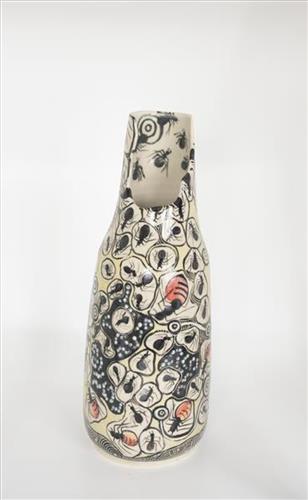
Tjala / Honey Ants

Tjala or honey ants live in nests about a metre underground beneath mulga trees, and they are a highly favoured food source. The tjala tunnels that lead down to the ants’ nests are called nyinantu, and the larvae are called ipilyka-ipilyka. After the rain when the ground is soft the women go digging for tjala by looking for the drill holes under the trees. They then use shovels and crowbars to dig down following the tunnels to find the tjala inside. Anangu suck the delicious rich honey-like liquid from the distended abdomen of the tjala. The story of the tjala is told across the Northern Territory into South Australia and is an important link between Anangu mythology and inter-dependence on the environment.
221282379097


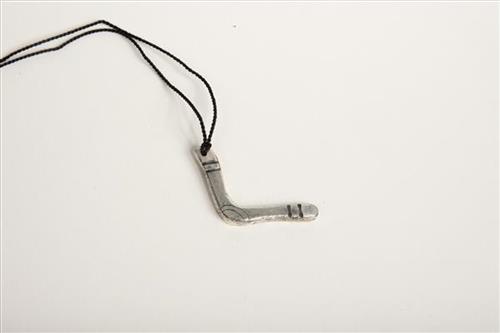
Ngayuku Walka / My Design

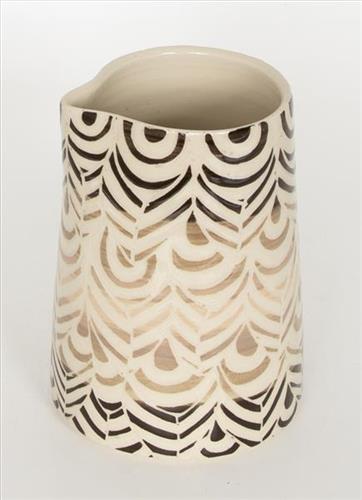
Walka means design or pattern. Artists use this title to describe artworks that are pattern based rather than descriptive or telling a story.

221282382103


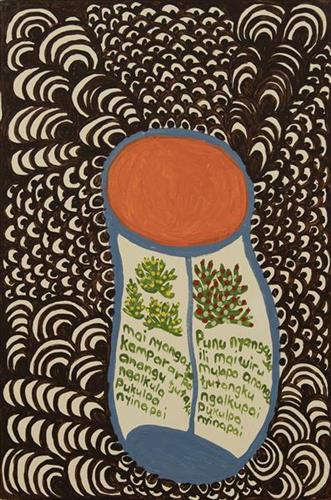
Kampuṟara and Iḻi

This food is called kampuṟara (bush tomato). People collect and eat this berry. They are happy and live as a familky.

This food is called iḻi (wild fig). People collect and eat this berry. They are really happy.

221282382102


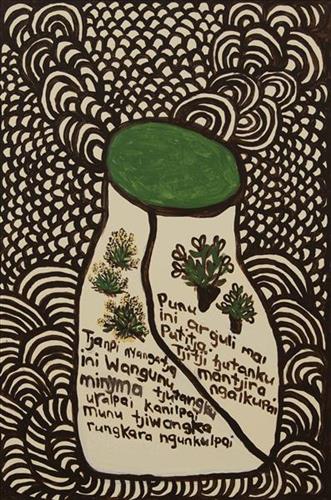
Wanguṉu and Arnguḻi

This plant is called wanguṉu (naked woollybutt, an important traditional grain). It is a seed. The women rub it in a bowl to remove the grass and keep the seeds. The women then grind it on a tjiwa (flat stone) with a tjungaṟi (round handheld grinding stone) to make a powder. They mix this powder with water and sometimes tjala (honey ants).

This tree is called arnguḻi (wild plum). Children can reach up and take the food from the tree and eat it.

221282382100


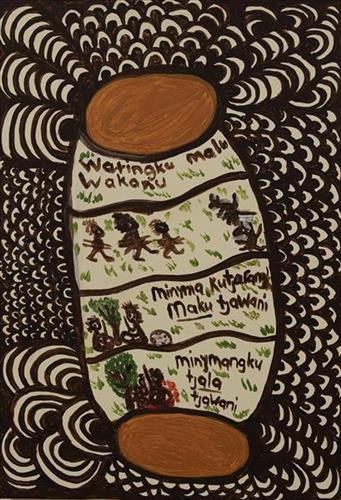
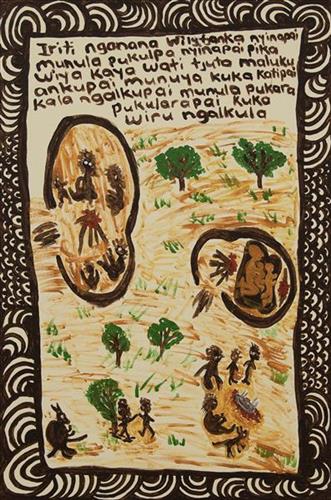
Wiltja and Malu

A long time ago we used to live in wiltjas (shelters made of wood and spinifex). We were happy and had no sicknesses. The men used to go hunting for malu (kangaroos and then bring the kuka (meat) home to the families. When we eat malu we are really happy to eat the good kuka.