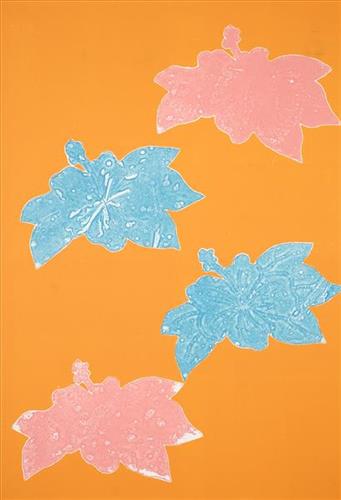
359709482256932


wonderful day

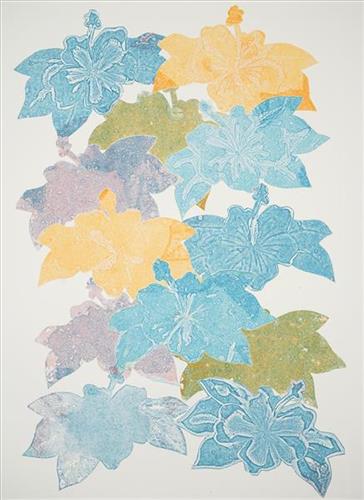
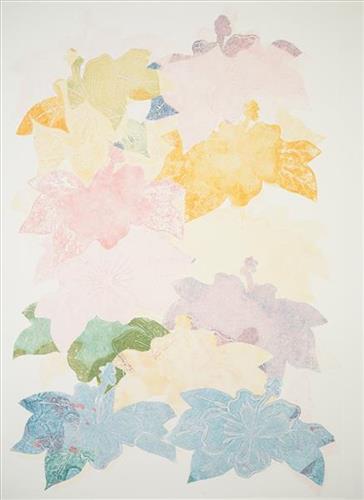
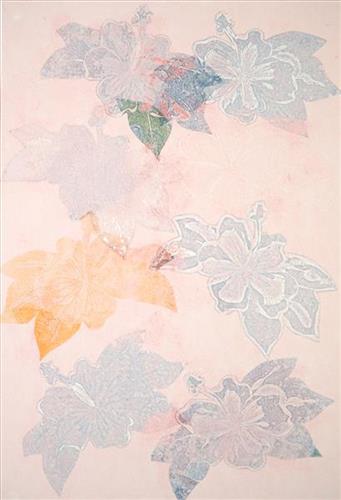
Kukuwam (Hibiscus) are mostly found in the tropical regions of the world. In the Torres straits at least every family member has one planted in their yard. Grandmothers, aunties, and sisters use kukuwam as decoration for hair styles typically wearing on the left side of your hair identifies that you’re married and worn on the right side of your hair indetifies you as single. Art Centre notes: The artwork is a ‘pochoir’ print, or monoprint, printed on BFK Rives paper (100% cotton rag with strong archival properties).
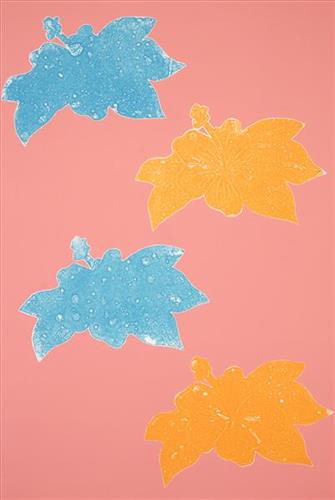
359709482256931


one beutiful morning

Kukuwam (Hibiscus) are mostly found in the tropical regions of the world. In the Torres straits at least every family member has one planted in their yard. Grandmothers, aunties, and sisters use kukuwam as decoration for hair styles typically wearing on the left side of your hair identifies that you’re married and worn on the right side of your hair indetifies you as single. Art Centre notes: The artwork is a ‘pochoir’ print, or monoprint, printed on BFK Rives paper (100% cotton rag with strong archival properties).
359709482256930


kapu goeyga

Kukuwam (Hibiscus) are mostly found in the tropical regions of the world. In the Torres straits at least every family member has one planted in their yard. Grandmothers, aunties, and sisters use kukuwam as decoration for hair styles typically wearing on the left side of your hair identifies that you’re married and worn on the right side of your hair indetifies you as single. Art Centre notes: The artwork is a ‘pochoir’ print, or monoprint, printed on BFK Rives paper (100% cotton rag with strong archival properties).
359709482256929


kuthingka nika

Kukuwam (Hibiscus) are mostly found in the tropical regions of the world. In the Torres straits at least every family member has one planted in their yard. Grandmothers, aunties, and sisters use kukuwam as decoration for hair styles typically wearing on the left side of your hair identifies that you’re married and worn on the right side of your hair indetifies you as single. Art Centre notes: The artwork is a ‘pochoir’ print, or monoprint, printed on BFK Rives paper (100% cotton rag with strong archival properties).
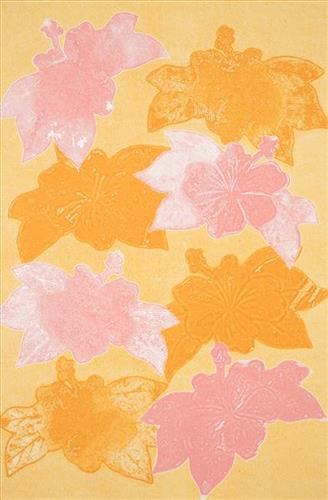
359709482256928


kapu migi bathaynga nitha mura

Kukuwam (Hibiscus) are mostly found in the tropical regions of the world. In the Torres straits at least every family member has one planted in their yard. Grandmothers, aunties, and sisters use kukuwam as decoration for hair styles typically wearing on the left side of your hair identifies that you’re married and worn on the right side of your hair indetifies you as single. Art Centre notes: The artwork is a ‘pochoir’ print, or monoprint, printed on BFK Rives paper (100% cotton rag with strong archival properties).

359709482256925


shine bright together in unity

Kukuwam (Hibiscus) are mostly found in the tropical regions of the world. In the Torres straits at least every family member has one planted in their yard. Grandmothers, aunties, and sisters use kukuwam as decoration for hair styles typically wearing on the left side of your hair identifies that you’re married and worn on the right side of your hair indetifies you as single. Art Centre notes: The artwork is a ‘pochoir’ print, or monoprint, printed on BFK Rives paper (100% cotton rag with strong archival properties).
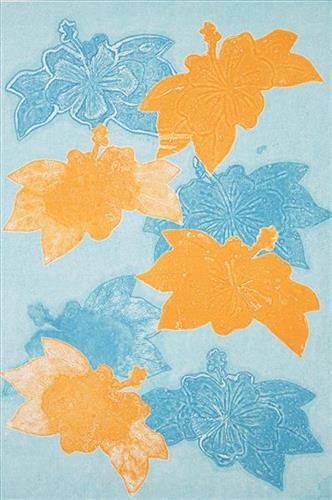
359709482256924


It’s a cloudy day

Kukuwam (Hibiscus) are mostly found in the tropical regions of the world. In the Torres straits at least every family member has one planted in their yard. Grandmothers, aunties, and sisters use kukuwam as decoration for hair styles typically wearing on the left side of your hair identifies that you’re married and worn on the right side of your hair indetifies you as single. Art Centre notes: The artwork is a ‘pochoir’ print, or monoprint, printed on BFK Rives paper (100% cotton rag with strong archival properties).
359709482254259


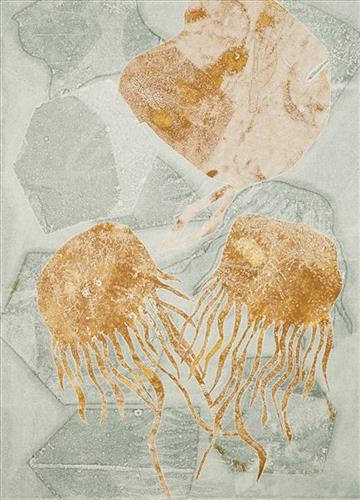
Awareness XII

Art Centre notes: Image size: 370 x 515mm, Paper size: 370 x 515mm The artwork is a ‘pochoir’ print, or monoprint, printed on BFK Rives paper (100% cotton rag with strong archival properties).  (The print covers the paper from edge to edge.)