1882299422


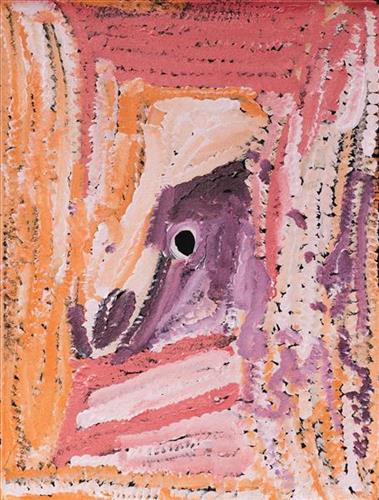
Nyayartakujarra (Ngayarta Kujarra, Lake Dora)

“This painting shows Nyayartakujarra (Lake Dora) and the waterholes. In pujiman (traditional, desert dwelling) days we all walked from waterhole to waterhole. We were travelling around for a long time; we were all naked! We grew up walking all around these waterholes. This painting is a map from that time. All of these waterholes are still here, with all of the songs and all of the dances. We are still singing and dancing for this Country.”  – Mantararr (Muntararr) Rosie Williams (dec.), Jakayu Biljabu, Yikartu Bumba, Nyanjilpayi (Ngarnjapayi) Nancy Chapman, Mulyatingki Marney, Mayiwalku May Chapman, and Reena Rogers Nyayartakujarra is a vast and culturally significant salt lake located in the north east section of the Karlamilyi River region. Surrounding Nyayartakujarra are numerous fresh water soaks and the red tali (sandhills) typical of the area. Punmu Aboriginal Community, where Nyanjilpayi lives today, lies on the eastern edge of the lake. Nyayartakujarra lies within Nyanjilpayi’s ngurra (home Country, camp), the area which she knew intimately and travelled extensively with her family in her youth.  Nyayartakujarra is an important site in the Jila Kujarra (Two Snakes) Jukurrpa (Dreaming) narrative. Though the story belongs to Warnman people, it is shared across the Western Desert with several other language groups. The narrative centres on the travels of two snakes as they are pursued by the Niminjarra, spiritual ancestors of the Warnman people. Before transforming themselves into snakes, the Jila Kujarra were young brothers. As snakes, they began travelling home to their mother, but were intercepted by the Niminjarra, who tracked the Jila Kujarra to Paji, east of Nyayartakujarra. Here they eluded the Niminjarra, but the Jila Kujarra were soon after speared and injured at Nyayartakujarra by two Pukurti (initiates with bundled hair), who returned with the Niminjarra to cook the snakes at the site of Kumpupirntily (Kumpupintily, Lake Disappointment). As the Niminjarra cut down the length of the Jila Kujarra, the snake’s bladders were pierced, causing an explosion of scalding hot urine in which the Niminjarra all perished and became black rocks at the site. At the same time, the urine of the Jila Kujarra formed the lake at Kumpupirntily, which translates to ‘bladder burst’. The spirits of the Jila Kujarra returned to their mother at Nyayartakujarra, where the mother and her sons entered the ground below the lake and remain to this day.
184004368


Status: Stock


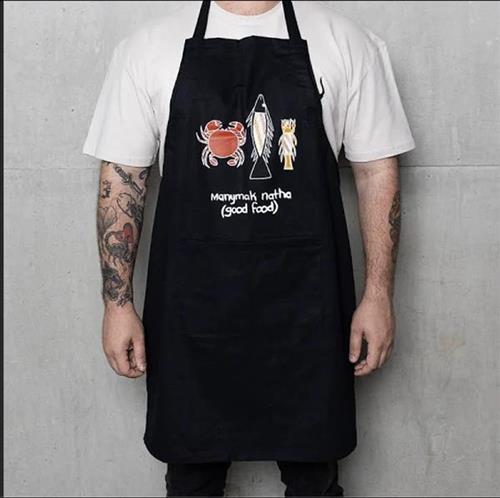
Screenprinted 100% cotton apron

Perfect the art of cooking in our ‘manymak natha (good food)’ apron.  The artwork is by by Benjamin Garrawurra, Nyoka (Crab); JB Fisher, Wuldulbal/badju (bream); Peter Gambung, Dakawa (yabby) and features Yolŋgu traditional bush foods from both freshwater and saltwater sources.

From fibre art to paintings to the product you’re holding in your hand — internationally renowned Bula’Bula Arts supports 150 Yolŋu artists from Ramingining and surrounding outstations.

Originally created in collaboration with the MCA Store, Museum of Contemporary Art Australia, 2023

184004367


Status: Stock


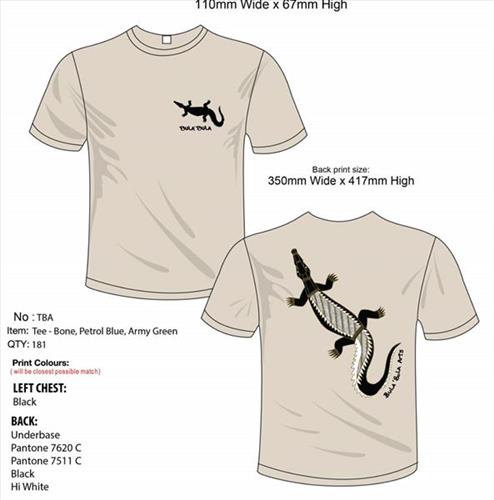
Screenprinted tshirt

This tshirt was designed by Yolŋu artist Andrew Wanamilil in Ramingining, Arnhem Land.

Baru (crocodile) is one of Andrew’s totems and part of a very important Creation Story for the Ganalbingu people.

Manymak (very good)! Buying products by Bula’Bula Arts helps us build a sustainable income source for Yolŋu artists and artworkers. 

Originally created in collaboration with the MCA Store, Museum of Contemporary Art Australia, 2023


184004366


Status: Stock


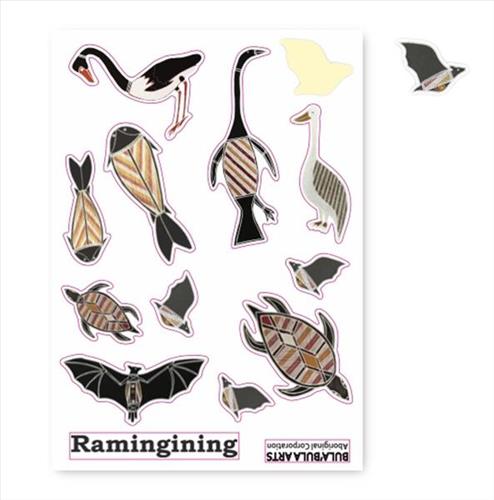
High-quality PVC bumper stickers

Meet animals and creation spirits from Ramingining, Arnhem Land. These sticker designs are taken from original paintings from incredible Yolŋu artists at Bula’Bula Arts. We love seeing Yolŋu designs on everyday items – especially ones that balanda (non-Yolŋu) use – because we are proud of our culture! It makes us happy to see our stories travel all around the world. 

10 stickers inside!

Manymak (very good)! This product helps build a sustainable source of income for Yolŋu artists and art workers at Bula’Bula Arts.

Materials: High quality PVC matte. UV protected and water resistant. Premium coating for enhanced durability and resistance to scratches. 

Use: Suitable for indoor and outdoor use including bumpers, vehicles and windows.

Designed in Ramingining, Arnhem Land. 

184004365


Status: Stock


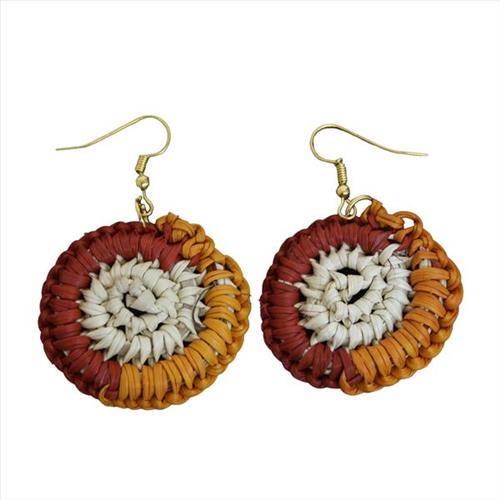
Woven Pandanus Earrings

Yolŋu artist Daphne Banyawarra is a strong Ganalbingu woman from Gurrwiliny (Arafura Wetlands). Her intricate and highly skilled works are made from naturally dyed pandanus and kurrajong plant materials sourced from the bush surrounding Ramingining, Arnhem Land.

184004228


Status: Stock


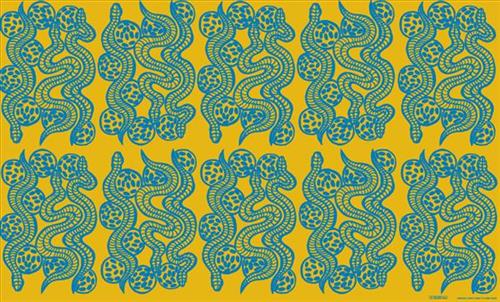
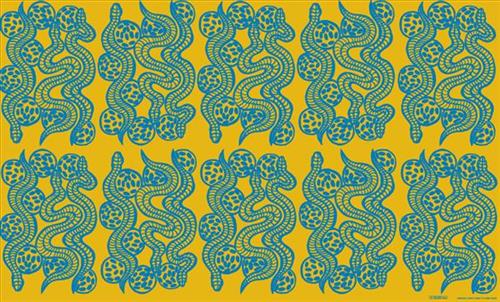
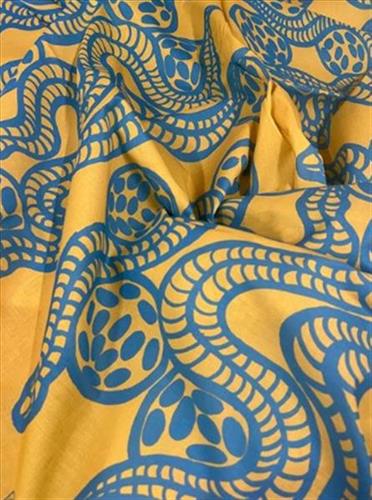
Sarong – Kurriyala (Carpet Snake)

The carpet snake is an important animal for us.  We call it Kurriyala in our Kuku Yalanji language. Our ancestors wrapped the meat in native ginger leaves and cooked it on the hot coals of the ground oven. They also used the skin to make head bands or skillfully sown blankets that keep the families warm and dry at night.

Custom printed and made in Sydney, Australia

97% Cotton 3% Linen

180 cm x 110 cm

Care instructions: Gentle wash only in cool water. Do not soak, bleach, rub, wring or tumble dry. Line dry in shade. Warm iron on reverse. Do not dry

184004226


Status: Stock


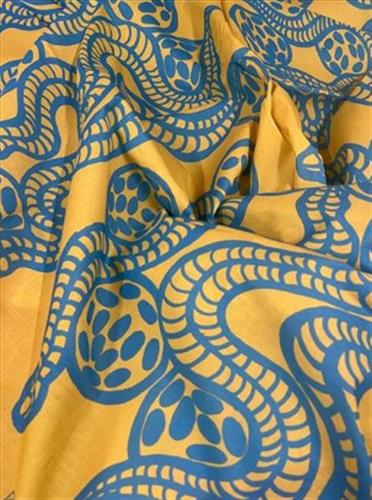
Sarong – Kurriyala (Carpet Snake)

The carpet snake is an important animal for us. We call it Kurriyala in our Kuku Yalanji language. Our ancestors wrapped the meat in native ginger leaves and cooked it on the hot coals of the ground oven. They also used the skin to make head bands or skillfully sown blankets that keep the families warm and dry at night.

Custom printed and made in Sydney, Australia

97% Cotton 3% Linen

180 cm x 110 cm

Care instructions: Gentle wash only in cool water. Do not soak, bleach, rub, wring or tumble dry. Line dry in shade. Warm iron on reverse. Do not dry